Lawn Care Prices in Yorkshire (2026): What You Should Actually Pay
If you are trying to work out what lawn care should cost before you pick up the phone, you are in the right place. This guide is based on real rates quoted by gardeners and lawn care companies across Yorkshire in 2026. It covers everything from a basic mow to a full seasonal treatment programme, including how Yorkshire's soil and climate affect the numbers.
Short answer: most homeowners in Yorkshire pay between £25 and £55 per mowing visit and £150 to £400 per year for a full lawn treatment programme. But those ranges are wide for good reason; read on and the right number for your situation will become clear.
How much does lawn care cost in Yorkshire in 2026?
The table below covers the most common services. All prices are for a typical semi-detached garden lawn (roughly 40 to 80 sq m). Adjust up for larger gardens, or down for very small urban plots.
| Service | Typical Cost | What Affects the Price |
|---|---|---|
| Lawn mowing (single visit) | £25 - £55 | Lawn size, frequency of cuts, whether clippings are removed |
| Lawn mowing (monthly contract) | £20 - £45 per visit | Number of visits per season, access, regularity discount |
| Lawn fertiliser treatment | £50 - £120 | Lawn area, product used, whether weed control is included |
| Weed & feed treatment | £60 - £130 | Weed density, lawn size, selective vs. total herbicide |
| Moss treatment | £55 - £140 | Severity of moss, whether scarification follows |
| Scarification (dethatching) | £80 - £250 | Amount of thatch, lawn size, season (autumn usually more involved) |
| Aeration (hollow tine or solid tine) | £70 - £180 | Soil compaction level, clay content, lawn size |
| Overseeding | £60 - £160 | Lawn size, seed type, whether soil prep is needed |
| Full seasonal treatment programme (4-6 visits) | £150 - £400/yr | Lawn size, services included, company vs. sole trader |
| Lawn edging (beds and borders) | £20 - £60 | Metres of edging, overgrowth, access |
| General garden maintenance | £25 - £50/hr | Tasks involved, garden size, frequency |
| New lawn (turf supply & laying) | £8 - £16 per sq m | Ground prep required, turf grade, site access |
| New lawn (seeding) | £4 - £9 per sq m | Soil condition, seed rate, establishment care |
What You Get for Your Money: Service by Service
Regular Mowing
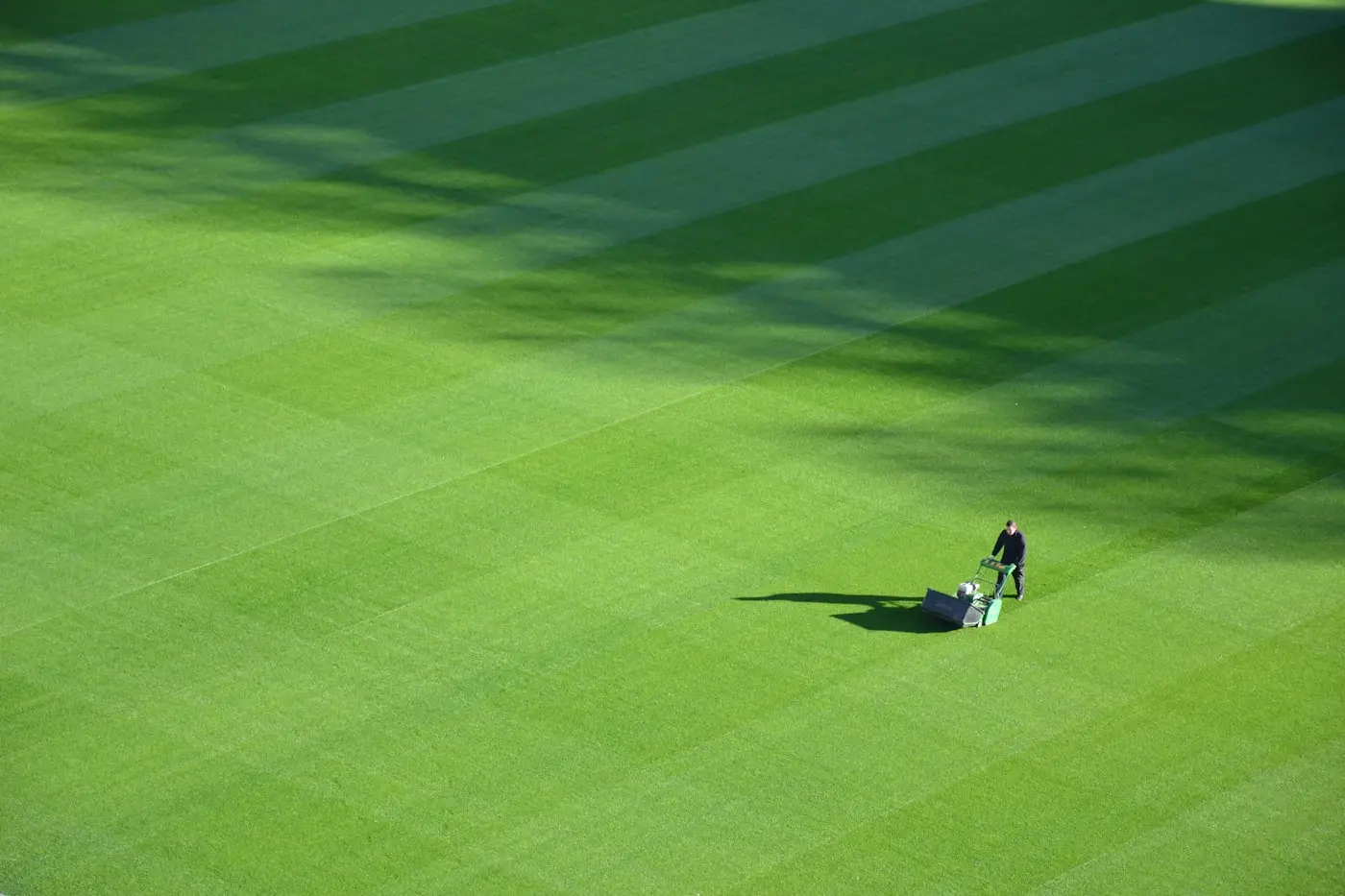
This is the most common reason homeowners hire a gardener. In Yorkshire, mowing season runs from roughly mid-March through to late October. Peak growth means cuts every one to two weeks in spring and early summer, dropping to fortnightly or monthly by September.
A regular mowing contract works out cheaper per visit than one-off cuts. A homeowner in Leeds on a fortnightly contract through peak season will typically pay less per cut than someone who books sporadically. Most sole traders will quote a standing weekly or fortnightly rate; expect that rate to be 10 to 20% lower than a one-off booking.
What's included: mow, box off clippings, blow or brush paths. Edging is often separate unless agreed upfront. For gardens with significant hedging, a hedge trimming service is typically quoted separately from the lawn maintenance contract.
Lawn Treatments (Fertiliser, Weed Control, Moss Control)
These are where a lot of homeowners are unsure what they are buying. A treatment visit from a specialist lawn care company typically involves applying a granular or liquid product to the whole lawn using a calibrated spreader or sprayer. They are not just pouring a bag of Growmore on it.
A typical annual programme in Yorkshire covers:
- Early spring: pre-emergent weed control and slow-release nitrogen feed
- Late spring: selective broadleaf weedkiller if needed
- Summer: iron-based feed and moss suppression
- Autumn: autumn fertiliser with potassium for root hardening
- Late autumn/winter: moss treatment before scarification in spring
Four to five visits per year at £50 to £120 each, on a programme discount, usually lands between £180 and £350 for a typical garden. That is genuinely transformative for most Yorkshire lawns; it is the difference between a lawn that looks tired and one that draws comments from neighbours.
Scarification and Aeration
Yorkshire lawns suffer badly from thatch and compaction. Heavy use in wet conditions, combined with the clay subsoil that sits under much of the county, means lawns compact easily. Aeration and scarification are not optional extras for a Yorkshire lawn; they are maintenance essentials.
Hollow-tine aeration removes cores of soil and is the most effective treatment for compacted clay ground. It takes longer and is harder work than solid-tine aeration, which is why it costs more. Expect to pay at the upper end of the £70 to £180 range for hollow-tine on a clay-heavy garden.
Scarification should follow moss treatment by three to four weeks (dead moss needs time to dry). The debris removal after scarification adds time and disposal cost; some companies include skip hire or disposal in the price, others charge it separately. Ask before you book.
Yorkshire-Specific Factors That Affect Price
Clay Soil Across Much of the County
Heavy clay is the norm across the Vale of York, the East Riding, and large swathes of West Yorkshire. Clay soil compacts faster, drains poorly, and makes aerating significantly more labour-intensive. If your lawn is sitting on clay (press a screwdriver in: if the plug of soil sticks together and smears, it is clay), budget for hollow-tine aeration as an annual line item. It will cost you £80 to £150 per year on a typical garden; skipping it will cost you more in remediation within three years.
A Later Growing Season Than Southern England
Yorkshire's growing season starts later and ends earlier than the South East. The last frost dates in the Dales and North York Moors can run into May in cold years; even in York and Leeds, overseeding in late October is a risk compared to Hertfordshire. This affects timing. A Yorkshire lawn care company will typically schedule spring overseeding earlier (March, not April) and autumn overseeding no later than mid-September to guarantee germination before temperatures drop.
If a contractor offers you autumn overseeding in October on a Yorkshire lawn, ask what guarantee they offer on germination. A good contractor will be honest about the risk.
Rainfall and Drainage
Annual rainfall across Yorkshire varies enormously; the Pennine fringe gets over 1,000 mm per year, while York sits closer to 600 mm. Wetter gardens on the western side of the county tend to have worse moss and compaction issues, which means more treatments, which means higher annual costs. If your garden is in York or the Vale of York, drainage problems are less common but waterlogging in low-lying plots still occurs.
Access and Garden Layout
This one is underrated in price discussions. A lawn that requires a gardener to carry equipment through the house, down three steps, and through a gate that opens 90 degrees will cost more to service than one with direct side access. If your garden is awkward to access, expect a modest surcharge (usually £5 to £15 per visit) or factor it in when a contractor quotes above the typical range.
Sole Trader vs. Lawn Care Company: What Is the Difference Worth?
You have two main options when hiring in Yorkshire: a local sole-trader gardener, or a specialist lawn care company (either national franchise or independent). Here is an honest comparison.
| Factor | Sole Trader | Lawn Care Company |
|---|---|---|
| Hourly rate | £25 - £35 | £35 - £50 |
| Treatment products | Consumer-grade (from garden centre) | Professional-grade (higher potency, calibrated application) |
| Specialist equipment | Standard mower and hand tools | Calibrated spreaders, hollow-tine aerators, scarifiers |
| Lawn knowledge depth | General gardening knowledge | Specialist training in agronomy and grass care |
| Flexibility | Often more flexible on timing and tasks | Fixed programme schedules |
| Best for | Regular mowing, tidying, basic care | Treatment programmes, problem lawns, transformation goals |
The honest answer is that many homeowners use both: a sole trader for regular mowing and a specialist company once or twice a year for treatments. This combination often gives the best outcome at a manageable total cost.
One-Off vs. Seasonal Programme: Which Is Better Value?
One-off visits make sense for a specific problem: your lawn has been neglected for a season, you want it scarified before putting the house on the market, or you need a quote for a new turf installation. For gardens that have become significantly overgrown, a garden clearance service is often the right starting point before a lawn care programme can begin. For anything ongoing, a seasonal programme is better value.
Here is why. A lawn treated consistently over a full season needs less remediation. A well-fertilised lawn with controlled moss levels from spring requires a lighter scarification in autumn compared to an untreated lawn. The compounding effect means the total cost of a programme over three years is typically lower than three years of reactive one-off treatments for the same lawn.
Most Yorkshire lawn care companies offer programmes between £150 and £400 per year. At £200 a year on a standard-sized garden, that is less than £4 per week. For context, a bag of consumer lawn treatment from a DIY store costs £20 to £35 and covers half a lawn with inferior products. The professional programme is not a luxury; at that price point it is just a smarter allocation of the same budget.
How to Get an Accurate Quote
Before you ring anyone, measure your lawn. Use a tape measure or pace it out; multiply length by width (in metres) to get square metres. Most contractors quote by lawn size, and having this number ready saves time and gets you a more accurate figure on the first call.
Things to mention when asking for a quote:
- Your approximate lawn size in square metres
- Access to the garden (side gate width, steps, distance from road)
- Current lawn condition (patchy, heavily thatched, significant weed cover)
- What you want to achieve (low-maintenance tidy lawn vs. high-quality striped finish)
- Whether you want mowing, treatments, or both
A reputable contractor will offer a site visit before quoting for treatments. Be cautious of anyone who quotes a treatment programme over the phone without seeing the lawn; the right product and rate depends on the actual soil and grass condition.
Red Flags When Getting Lawn Care Quotes
A few things to watch out for:
- Quotes that are far below the ranges above. Treatments using cheap consumer products at professional prices are not a bargain; they are a mismatch of cost and value. Ask what products are being used.
- No assessment before treatment. Applying a moss killer to a lawn that primarily has a drainage problem is wasted money. A professional will diagnose before prescribing.
- Cash-only, no contract, no receipt. Fine for a one-off mow; not fine for an ongoing treatment programme.
- Guarantees on grass germination in October. Yorkshire is not Hampshire; germination guarantees late in the year should come with caveats about temperature.
What is the hourly rate for a gardener in Yorkshire?
Most gardeners in Yorkshire charge between £25 and £50 per hour in 2026. Sole traders tend to sit at the lower end (£25 to £35/hr), while established lawn care companies with specialist equipment typically charge £35 to £50/hr.
How often should a Yorkshire lawn be mowed?
In Yorkshire the mowing season typically runs from mid-March to late October, roughly 7 to 8 months. During peak growth (April to September) most lawns need cutting every 1 to 2 weeks. Fortnightly mowing on a regular contract is the most common arrangement.
What affects the price of lawn care in Yorkshire?
The main factors are: lawn size (sq m), access to the garden, current lawn condition, soil type (heavy clay costs more to aerate), slope, whether clippings need removing, and whether it is a one-off visit or a regular contract. Regular contracts almost always work out cheaper per visit.
What is the cheapest way to get professional lawn care in Yorkshire?
Signing up for a seasonal programme rather than booking one-off visits is almost always cheaper per treatment. Many Yorkshire lawn care companies offer packages covering 4 to 6 visits that reduce the per-visit cost by 15 to 25%. Booking in early spring before the busy season can also help secure a better rate.
Get a Free Lawn Assessment
Not sure what your lawn actually needs or what it should cost? Book a free no-obligation assessment with a local Yorkshire lawn care specialist. We will tell you exactly what treatment programme (if any) your lawn needs, and give you a written quote with no pressure to proceed.
Book a Free AssessmentFrequently Asked Questions: Lawn Care Prices in Yorkshire
- How much does lawn care cost in Yorkshire in 2026?
- For most Yorkshire homeowners, routine lawn care (mowing plus basic tidying) runs between £25 and £55 per visit depending on lawn size. A full lawn treatment programme covering 4 to 6 seasonal treatments typically costs £150 to £400 per year for an average-sized garden.
- What is the hourly rate for a gardener in Yorkshire?
- Most gardeners in Yorkshire charge between £25 and £50 per hour in 2026. Sole traders tend to sit at the lower end (£25 to £35/hr), while established lawn care companies with specialist equipment typically charge £35 to £50/hr.
- How much does a lawn treatment cost in Yorkshire?
- A single lawn treatment visit (fertiliser, weed control or moss treatment) usually costs between £50 and £200 depending on lawn size. Small lawns under 50 sq m can come in around £50 to £80; larger gardens of 200 sq m or more are typically £120 to £200 per treatment.
- Is lawn care more expensive in Yorkshire than in southern England?
- Generally no. Labour rates in Yorkshire are somewhat lower than in London and the South East. That said, Yorkshire's clay-heavy soils and shorter growing season mean certain treatments (aeration, overseeding) may need to be done differently or more carefully, which can affect the overall programme cost.
- How often should a Yorkshire lawn be mowed?
- In Yorkshire the mowing season typically runs from mid-March to late October, roughly 7 to 8 months. During peak growth (April to September) most lawns need cutting every 1 to 2 weeks. Fortnightly mowing on a regular contract is the most common arrangement.
- What affects the price of lawn care in Yorkshire?
- The main factors are: lawn size (sq m), access to the garden, current lawn condition, soil type (heavy clay costs more to aerate), slope, whether clippings need removing, and whether it is a one-off visit or a regular contract. Regular contracts almost always work out cheaper per visit.
- Does Yorkshire clay soil affect lawn treatment costs?
- Yes. Clay-heavy soil common across much of Yorkshire compacts easily, so aeration is often essential rather than optional. Deep-tine or hollow-tine aeration on clay ground takes longer and is harder on equipment, so it typically costs 10 to 20% more than on lighter soils.
- What is the cheapest way to get professional lawn care in Yorkshire?
- Signing up for a seasonal programme rather than booking one-off visits is almost always cheaper per treatment. Many Yorkshire lawn care companies offer packages covering 4 to 6 visits that reduce the per-visit cost by 15 to 25%. Booking in early spring before the busy season can also help secure a better rate.
- How much does lawn scarification cost in Yorkshire?
- Scarification (removing thatch and dead material) typically costs £80 to £250 in Yorkshire for an average garden. Larger or more thatched lawns cost more. It is usually done in autumn and sometimes spring, and is often combined with aeration and overseeding as a single visit.
Does Yorkshire clay soil affect lawn treatment costs?
Yes. Clay-heavy soil common across much of Yorkshire compacts easily, so aeration is often essential rather than optional. Deep-tine or hollow-tine aeration on clay ground takes longer and is harder on equipment, so it typically costs 10 to 20% more than on lighter soils.
How much does a lawn treatment cost in Yorkshire?
A single lawn treatment visit (fertiliser, weed control or moss treatment) usually costs between £50 and £200 depending on lawn size. Small lawns under 50 sq m can come in around £50 to £80; larger gardens of 200 sq m or more are typically £120 to £200 per treatment.
How much does lawn scarification cost in Yorkshire?
Scarification (removing thatch and dead material) typically costs £80 to £250 in Yorkshire for an average garden. Larger or more thatched lawns cost more. It is usually done in autumn and sometimes spring, and is often combined with aeration and overseeding as a single visit.
Is lawn care more expensive in Yorkshire than in southern England?
Generally no. Labour rates in Yorkshire are somewhat lower than in London and the South East. That said, Yorkshire's clay-heavy soils and shorter growing season mean certain treatments (aeration, overseeding) may need to be done differently or more carefully, which can affect the overall programme cost.