Lawn mowing across Yorkshire
Lawn Mowing in Yorkshire
Fortnightly and one-off lawn cuts from £20/visit. Get your enquiry in front of a local gardener who already covers your postcode, knows your area and cuts to your schedule. No national franchises, no call centres.
- Free quotes, no obligation
- Local gardeners
- 240+ Yorkshire towns covered
- No call centres
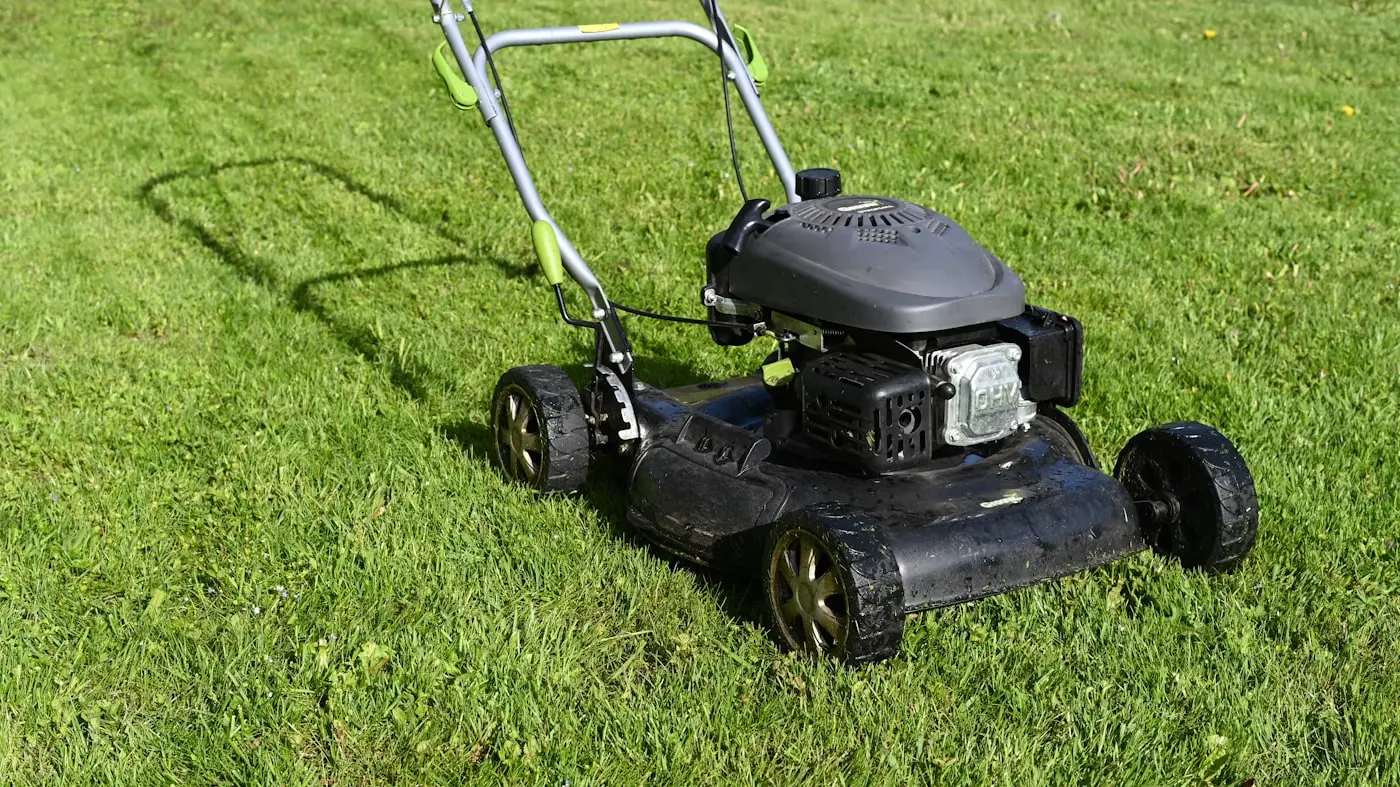
How much does lawn mowing cost in Yorkshire?
For a typical semi-detached in Yorkshire, a fortnightly lawn mow costs £25–£35 per visit. A small terrace sits at £20–£25; a larger detached with a generous back lawn runs £35–£60. Very large lawns on big detached or rural properties can run £60–£100 or more depending on how long the cut takes.
Fortnightly is the right frequency for the majority of Yorkshire gardens through the growing season. It keeps the lawn manageable without the cost of weekly visits. If you want to dig into the full breakdown by town and property type, the lawn mowing service guide for Yorkshire covers it in detail.
| Garden size | One-off price | Fortnightly price |
|---|---|---|
| Small terrace or small semi | £20–£25 | £18–£22 |
| Standard semi-detached | £25–£35 | £20–£30 |
| Large detached | £35–£60 | £30–£50 |
| Very large or rural plot | £60–£100+ | Quoted per job |
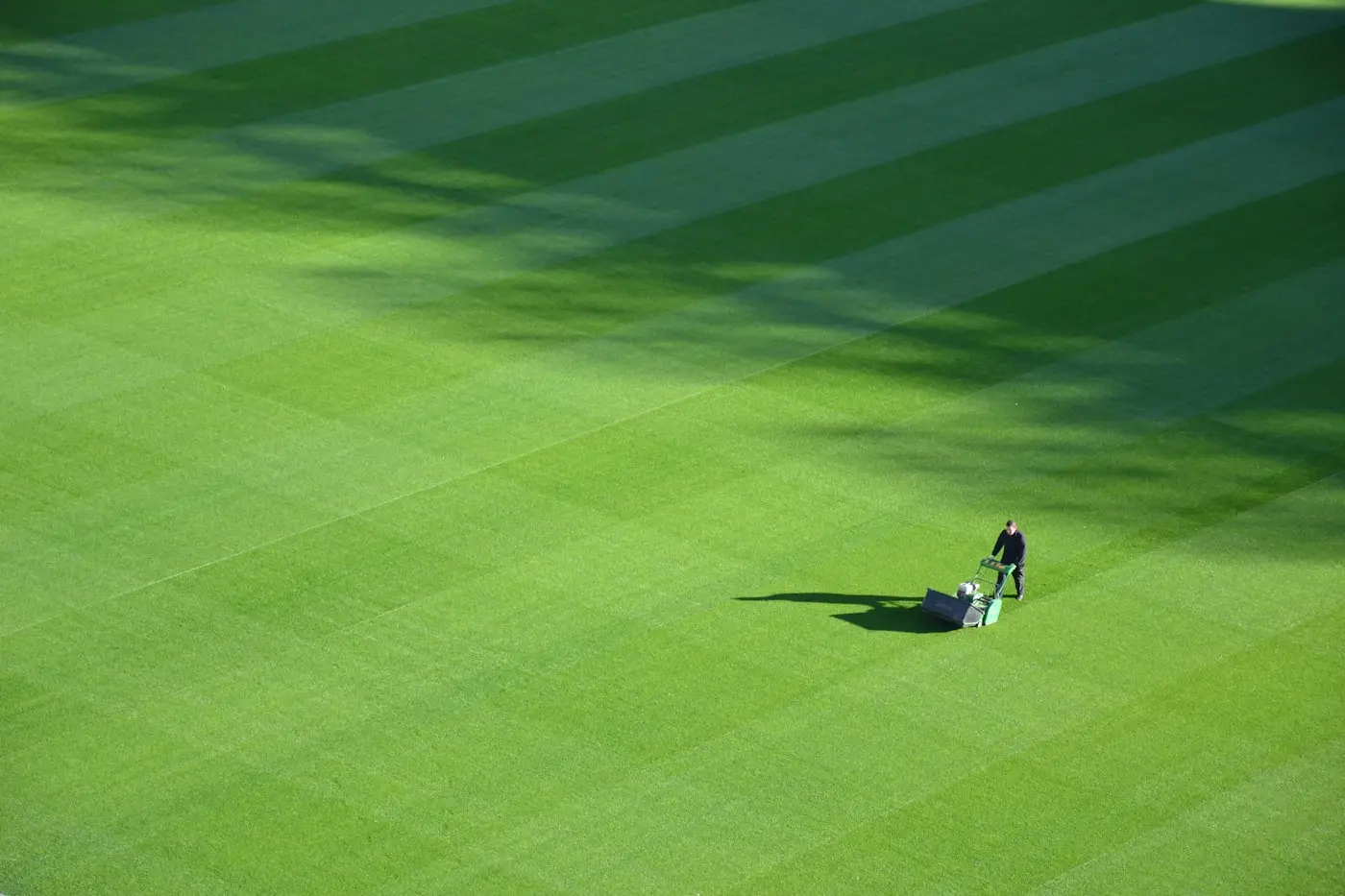
How often should a lawn be mowed in Yorkshire?
Frequency depends on what you want from the lawn, how fast your grass grows, and the time of year. Here is how the four common choices play out in practice.
Weekly cuts
Weekly mowing produces the tightest, most formal result. It suits bowling-green lawns, formal front gardens in towns like Harrogate and York, and the peak growth period of May and June when grass can put on 2–3cm of growth in a week. Weekly cuts also let you keep the height consistently low, at 2.5cm for a formal finish, without the shock of cutting too much in one pass (the one-third rule: never remove more than a third of the blade at once). The downside is cost and footfall on the lawn.
Fortnightly cuts
The standard choice for most Yorkshire homeowners. The grass gets to a workable length between visits, the lawn stays tidy, and you are not paying for a weekly gardener through a busy season. Fortnightly visits through April to October cover the whole growing season in most Yorkshire lowland and Vales areas. The lawn mowing near me guide explains how to find a gardener already working fortnightly rounds in your postcode, which keeps costs lower than one-off bookings.
Monthly cuts
Monthly mowing is adequate for low-maintenance lawns, shaded lawns that grow slowly, and gardens through the quieter shoulder months of March and October. It is rarely enough in May, June and July for a standard Yorkshire lawn, you will find the grass gets long enough between visits that the gardener has to make two passes, which takes longer and may cost more.
One-off rescue cuts
If the lawn has been neglected for several weeks, long enough that the grass has gone to seed at the tips or developed obvious patches, a one-off rescue cut is the right starting point. Do not try to take it all down in one session: cutting too short on a long-neglected lawn stresses the grass and leaves it yellow. A good gardener will take it down in stages over two or three visits spaced a week apart, or use a higher cut setting for the first visit and follow up a fortnight later. The when to cut grass guide for Yorkshire covers what to do when you have let the lawn get away from you.
When should I start and stop mowing my lawn in Yorkshire?
Yorkshire's climate means the mowing season is not quite the same as the national guidance, which tends to be written for the Midlands and South East. Here is how it actually looks in Yorkshire.
When to start mowing in spring
Most Yorkshire gardens are ready for their first proper cut of the year in late March or early April. The Vale of York, the Humber lowlands and the East Yorkshire coast tend to be slightly ahead, gardeners there often see growth restarting in the last week of March in a typical year. Head west toward the Pennines and north into the Dales, and that date shifts: Skipton, Settle, Hawes and the higher Calderdale villages are often two to three weeks behind the lowland Vale. If you are on the edge of the moors near Pickering or Helmsley, early April is a safe target but there is no harm waiting until the grass tells you it is growing. Read the lawn care calendar for Yorkshire for a month-by-month plan that accounts for regional variation.
Peak growing season
May and June are the most demanding months. Yorkshire's wet springs, and they are genuinely wet, particularly in West Yorkshire and on the Pennine fringe, combine with longer days to push fast growth. This is the period when fortnightly can feel tight and some customers shift to weekly for six to eight weeks. By late July, growth usually slows slightly as the soil dries out in drier years, though a wet Yorkshire August can keep grass moving well into late summer.
When to stop mowing in autumn
October is usually the last full month of regular mowing in Yorkshire. A mild autumn in the Vale of York, and they do happen, can see growth continuing into early November, in which case a late-season cut makes sense. Once soil temperatures drop below 5 degrees Celsius, grass stops growing and mowing does more harm than good. Most regular mowing arrangements naturally pause from late October or November through to late March, with the gardener resuming when growth clearly restarts in spring.
What factors affect the price of a lawn cut in Yorkshire?
Your quote will depend on several variables that the gardener assesses either from your description or on a first visit.
- Size. The main driver. A gardener quotes by time, and a bigger lawn takes longer.
- Slope and access. A sloped lawn is harder to mow safely and efficiently. Steep banks often require hand tools or a hover mower rather than a wheeled rotary. If access to your back garden requires taking equipment through the house or through a narrow side passage, there may be a handling premium.
- Edging. Mowing the main lawn area and edging along paths, beds and borders are sometimes quoted separately. Make clear whether you want edging included when you fill in the estimate form.
- Clipping disposal. If you do not have a compost bin or green waste collection, the gardener may need to take clippings away, which incurs a disposal cost. Worth mentioning upfront.
- Condition. A very long or neglected lawn takes longer and may cost more on the first visit while it is brought back to a manageable height.
- Frequency. Regular customers typically pay less per visit than one-off bookings. On a fortnightly schedule, grass does not get as long between cuts, the job takes less time, and the gardener knows your plot.
The full guide
Cutting height guide
Getting the cutting height right matters more than most people realise. Here are the key settings for different situations.
- Standard domestic lawn: 3–4cm. This is the most common setting for a well-kept but relaxed lawn. It keeps the grass dense enough to suppress weeds, long enough to handle dry periods, and short enough to look neat between cuts.
- Formal or front garden lawn: 2.5cm. Gives a tight, formal finish. Requires more frequent cuts and a healthier lawn to sustain, shallow cutting on a weak lawn invites moss and bare patches.
- During hot dry periods: 5–7cm. Yorkshire can get extended dry periods in July and August, particularly in the East Riding and Vale of York. Longer grass shades the soil, reduces moisture loss and stays green longer. Raise the cutting height if the forecast shows a dry stretch, it is the single most effective thing you can do to protect the lawn without watering.
- First cut of the year: one notch higher than usual. The grass is coming out of winter in variable condition. A high first cut removes the worst without stressing the sward. Drop down to your normal setting on the second visit.
- Shaded lawns: always cut higher. Grass in shade needs more leaf surface to photosynthesise. Cutting shaded grass short weakens it quickly. 5cm or above for anything under tree canopy.
Should you mow wet grass?
The honest answer: ideally no, but in Yorkshire it is often unavoidable. The county averages more than 700mm of rainfall annually in most areas, and the Pennine west gets considerably more. Waiting for the perfect dry-morning window on a fortnightly schedule is not realistic for most gardeners.
What you lose when you mow wet grass: the clippings clump rather than dispersing, which can leave the lawn looking messy and block light to the grass underneath. The mower's wheels can leave tracks in soft ground, particularly on heavier clay soils which are common across much of South and West Yorkshire. There is also a higher risk of pulling or tearing grass roots if the soil is very saturated, rather than cutting cleanly.
What a good gardener does in a wet Yorkshire summer: adjust the cutting height slightly upward, avoid the most saturated patches, use a rotary mower rather than a cylinder if the grass is long and wet, and collect rather than mulch the clippings to avoid smothering. Most experienced local gardeners have their own preferences for managing wet-weather cuts, it is worth asking when you arrange the first visit.
Mulch-mowing versus collecting clippings
Whether to collect clippings or mulch them back into the lawn is a question with a genuinely reasonable answer on both sides.
The case for mulching
Mulch-mowing, using a mulching blade or plug to finely chop clippings and return them to the lawn, feeds the lawn as the cuttings break down. A well-managed mulching regime over a full season returns meaningful amounts of nitrogen to the turf. It also removes the disposal problem: no bags to take away, no need for a compost heap or green waste bin. For regular fortnightly customers who want to reduce both cost and environmental footprint, mulching is worth trying through the main growing season. It works best when the grass is dry and not too long, wet, long clippings mulch poorly and can mat on the surface.
When to collect
If the lawn already has a thatch problem, returning clippings can make it worse. Collect and dispose on any lawn with visible thatch buildup, on the first few cuts of the year when the grass is long and uneven, and whenever the clippings are wet and long enough to clump. Many Yorkshire gardeners collect through autumn because leaves and debris mix in with the clippings and returning them creates problems. If your lawn needs a broader maintenance programme including scarification and aeration, discuss the collection question when you set up the schedule, the answers interlock.
Yorkshire lawn challenges
Yorkshire gardens have particular characteristics that affect how you should manage the lawn through the season.
Clay soils and compaction
A large proportion of Yorkshire lawns sit on clay-heavy subsoil. This is particularly true across South Yorkshire (the Sheffield and Barnsley corridors), the heavy Humber clay in East Yorkshire, and many of the older residential areas around Leeds and Bradford. Clay soils compact under the repeated weight of mowing, reducing the air and drainage in the turf and making moss and waterlogging worse over time. The practical solution is annual aeration, ideally hollow-tine aeration in autumn, which physically removes plugs of soil, and scarification to remove thatch. These are separate jobs from mowing but they protect the investment you are making in regular cuts. Ask your gardener to flag if the soil feels compacted or the lawn is retaining water poorly.
Moss and shade
Moss is common in Yorkshire gardens. It thrives in the wet, cool conditions the county frequently provides, and it is particularly prevalent in shaded lawns under trees or beside north-facing walls. Mowing alone does not control moss, it needs treatment and then ongoing management of the conditions that allowed it to establish. If moss covers more than about a third of your lawn, raising the cutting height and addressing drainage is worth doing before committing to a maintenance schedule. The lawn care calendar covers when to apply moss killer and what to do after.
Worm casts and surface irregularity
Earthworms are generally beneficial but they leave surface casts that create a bumpy lawn and provide seedbeds for weeds. In autumn and mild winters in Yorkshire, cast production can be heavy. Brushing casts before mowing, rather than mowing over them, reduces the worst of the problem. Some gardeners top-dress lightly in autumn to level out minor surface irregularities over several seasons.
Lawn mowing prices in Yorkshire
These are the ranges we see most often across Yorkshire. For a full breakdown by town and property type, read the lawn mowing service guide for Yorkshire and the UK gardener cost guide.
| Garden size | Typical price (one-off) | Notes |
|---|---|---|
| Small terrace or small semi | £20–£25 | Most visits under 30 minutes. Edging and sweep included. |
| Standard semi-detached | £25–£35 | Front and back lawn, edging and path sweep. Most common job type across Yorkshire. |
| Large detached | £35–£60 | Wider lawn areas, more edging. Price varies with slope and access. |
| Very large or rural plot | £60–£100+ | Extended visits, sometimes ride-on mower. Priced per job. |
| Fortnightly contract (semi) | £20–£30 per visit | Regular customers typically 10–15% below one-off rates. |
| Edging only (trim and neaten) | £15–£25 | Depends on lawn perimeter length. |
Yorkshire gardeners charge below the national average for lawn mowing. The UK range for a standard semi sits at £30–£50 in most guides; Yorkshire rates come in at the lower end of that range or below it.
When not to book a mowing service
There are a few situations where a standard lawn mow is not the right first call.
- Extreme heat or drought. Mowing a drought-stressed lawn too short can kill it. If the grass is yellow-brown and brittle, wait for rain and growth to resume before cutting. Raise the height when you do cut.
- Very long neglected lawn. If the grass is over 15cm or has gone to seed, you need a clearance-style session first, taking it all down in one pass at standard height would shock the lawn. This typically means a longer first visit at a higher price, taking the height down in stages.
- Waterlogged or frozen ground. Mowing on frozen grass damages the leaf cells and leaves permanent marks. On a saturated lawn after heavy rain, the mower wheels create ruts that last into summer. Wait.
- Lawn repair or overseeding in progress. If you have recently overseeded bare patches, new grass seedlings need to reach 8–10cm before the first cut. Do not mow until they are established.
Frequently asked questions about lawn mowing
How often should grass be cut in Yorkshire?
Fortnightly through April to October for most Yorkshire gardens. Weekly during peak growth in May and June if you want a tight finish. Monthly from November to March when growth is minimal. Gardens at higher Pennine elevations need to start later and often finish earlier, usually two to three weeks behind lowland Yorkshire. The when to cut grass Yorkshire guide explains the seasonal variation by area.
Do you cut grass in winter?
Grass stops growing meaningfully below about 5 degrees Celsius, which in Yorkshire typically happens from late October or November through to late March. Most fortnightly mowing arrangements pause over winter. In a mild Vale of York autumn, late-October and occasionally early-November cuts do happen. Cutting dormant or frozen grass causes more harm than good, wait for clear signs of growth resuming in spring.
What is included in a lawn mowing visit?
A standard visit covers the full lawn mow, edging along all borders and paths, strimming around obstacles and fence posts, and sweeping clippings from paths and the patio. Whether clippings are collected or mulched depends on what you agree. Separate services (moss treatment, scarification, aeration, lawn feed) are agreed and priced additionally. For full details on what to expect from a complete lawn programme, read the lawn care calendar for Yorkshire.
Can I get a one-off lawn mow without committing to a regular contract?
Yes. One-off cuts are straightforward to arrange. You will pay a single-visit rate rather than the lower fortnightly rate, but there is no commitment required. One-off visits are common for people who have been away, gardens that have got ahead of themselves, or homeowners who want to trial a gardener before setting up a regular schedule. After the first visit, if you want to convert to fortnightly, just discuss it with the gardener direct.
Further reading
Ready to get the lawn sorted?
Tell us your postcode and how often you want it cut. A local gardener can take your enquiry and call you with a price.
Request a gardenerLawn mowing across all of Yorkshire.
Local gardeners covering 240+ towns and surrounding villages. Find your nearest gardener in Yorkshire, pick your town for postcode-specific pricing and the local pattern of work.
- Ackworth
- Acomb
- Addingham
- Adwick-le-Street
- Armthorpe
- Baildon
- Barlby
- Barnsley
- Batley
- Bawtry
- Bedale
- Beverley
- Bingley
- Birstall
- Bishopthorpe
- Bolton-upon-Dearne
- Boroughbridge
- Boston Spa
- Bradford
- Bridlington
- Brighouse
- Brough
- Burley-in-Wharfedale
- Castleford
- Catterick Garrison
- Cleckheaton
- Conisbrough
- Copmanthorpe
- Cottingham
- Crofton
- Cudworth
- Darton
- Denby Dale
- Dewsbury
- Doncaster
- Driffield
- Dunnington
- Easingwold
- Elland
- Emley
- Farsley
- Featherstone
- Filey
- Flockton
- Garforth
- Golcar
- Goldthorpe
- Goole
- Grassington
- Greetland
- Guisborough
- Guiseley
- Halifax
- Harrogate
- Hawes
- Haworth
- Haxby
- Hebden
- Hebden Bridge
- Heckmondwike
- Hedon
- Helmsley
- Hemsworth
- Hessle
- Holmfirth
- Honley
- Horbury
- Hornsea
- Horsforth
- Howden
- Hoyland
- Huddersfield
- Hull
- Huntington
- Ilkley
- Keighley
- Kippax
- Kirkburton
- Kirkbymoorside
- Knaresborough
- Knottingley
- Leeds
- Leyburn
- Linthwaite
- Liversedge
- Loftus
- Long Preston
- Maltby
- Malton
- Market Weighton
- Marsden
- Masham
- Meltham
- Mexborough
- Middleham
- Mirfield
- Morley
- Mytholmroyd
- Normanton
- North Cave
- Northallerton
- Norton
- Ossett
- Otley
- Pateley Bridge
- Penistone
- Pickering
- Pocklington
- Pontefract
- Poppleton
- Pudsey
- Queensbury
- Rawcliffe
- Rawmarsh
- Reeth
- Richmond
- Ripon
- Rotherham
- Rothwell
- Royston
- Saltburn-by-the-Sea
- Scarborough
- Selby
- Settle
- Sheffield
- Sherburn-in-Elmet
- Shipley
- Silsden
- Skelmanthorpe
- Skipton
- Slaithwaite
- South Elmsall
- Sowerby Bridge
- Spofforth
- Sprotbrough
- Stamford Bridge
- Stocksbridge
- Stockton-on-the-Forest
- Stokesley
- Strensall
- Swanland
- Swinton
- Tadcaster
- Thirsk
- Thorne
- Thornton
- Thurnscoe
- Tickhill
- Todmorden
- Upton
- Wakefield
- Wath-upon-Dearne
- Wetherby
- Whitby
- Willerby
- Withernsea
- Wombwell
- Yeadon
- York