Quick answer: Yorkshire gardens with established trees are ideal candidates for a naturalistic woodland planting. Use spring bulbs (snowdrops, bluebells, wood anemone) that flower before canopy emergence, then shade perennials (hostas, ferns, epimediums, hellebores, astrantia, Solomon's seal) for summer structure. Improve soil with leaf mould and mulch annually. This style is genuinely low-maintenance once established - far less work than a maintained lawn in shade. A skilled local gardener can establish the planting in a single season and return on a low-frequency basis to mulch and manage.
Why Yorkshire Has Such Good Woodland Garden Potential
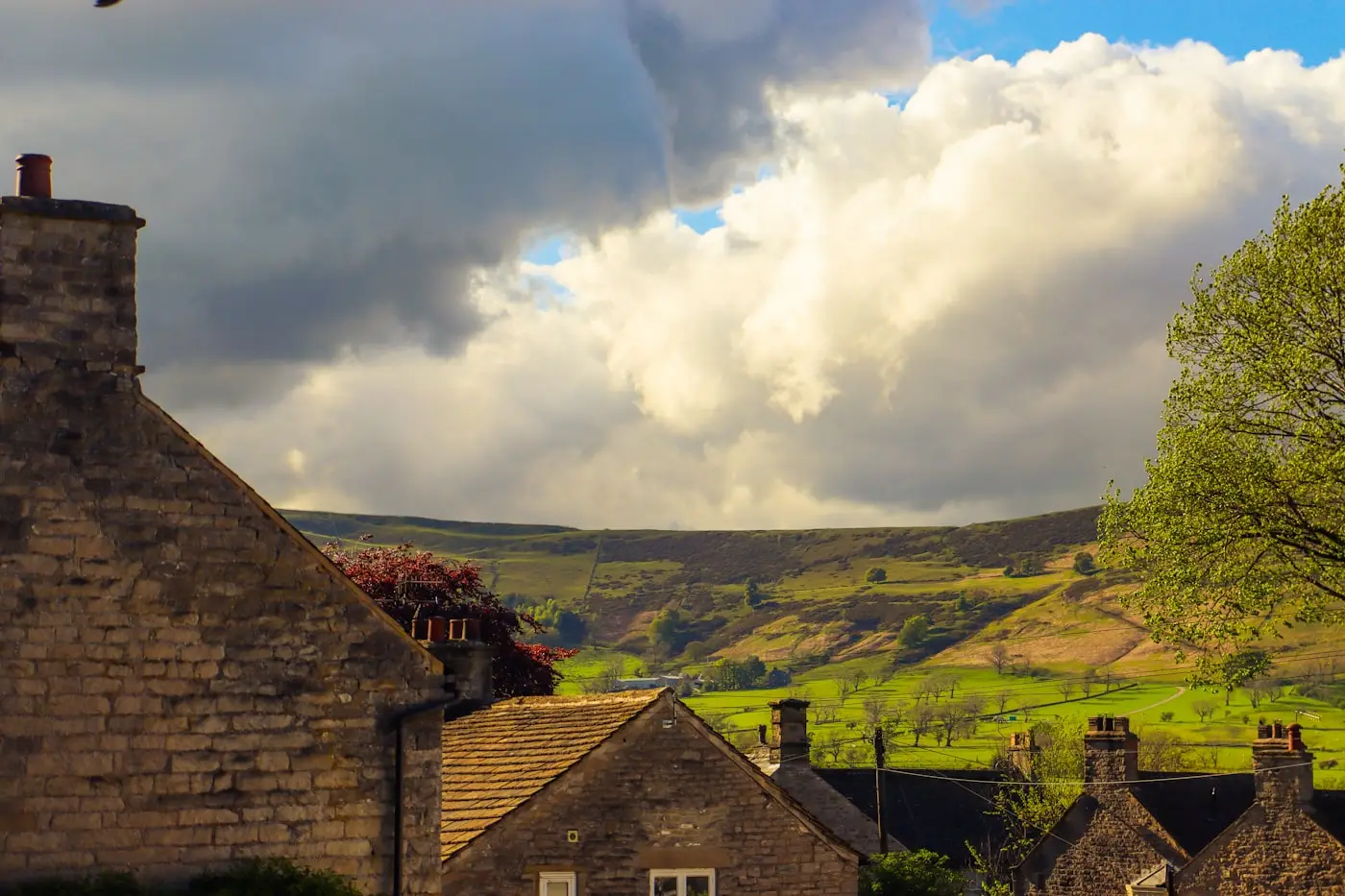
Yorkshire's older properties - particularly the stone-built Victorian and Edwardian houses of Harrogate, the market towns of the Dales and Moors fringe, and the larger suburban gardens of Leeds, York, and Sheffield - very commonly have established deciduous trees as part of the garden. Oak, ash, sycamore, silver birch, and lime are all frequent. These trees are sometimes seen as the problem: creating shade, competing with lawn and borders, and making the ground beneath them difficult to cultivate. The woodland garden approach inverts this framing entirely.
A mature tree is not a liability - it is the defining structural element of a woodland garden. The dappled light it creates, the leaf mould that accumulates beneath it, and the cool, sheltered microclimate under its canopy are exactly the conditions that some of Britain's most beautiful garden plants have evolved to inhabit. Yorkshire's ancient woodland heritage - the surviving fragments of the ancient forest of Elmet and the oakwoods of the Dales and Moors - is rich in the species that translate naturally into a garden woodland setting.
Yorkshire's cool, wet climate is also genuinely advantageous for woodland gardening. The damp shade under a deciduous tree in a Yorkshire garden does not dry out in July and August the way it would in Surrey or Kent. Hostas in particular, which in the south of England suffer badly from summer drought stress under tree canopies, are often at their most magnificent in Yorkshire woodland gardens because the cool, consistently moist conditions suit them perfectly.
Understanding Your Tree Canopy
Different trees create different conditions below their canopy, and the woodland garden planting approach needs to be calibrated to the specific tree or trees in your garden.
Oak (Quercus robur)
English oak is the most garden-friendly native canopy tree for a woodland planting. Its high, open canopy allows significant dappled light to reach the ground - oaks leaf out relatively late (typically late April in Yorkshire) and their canopy, while ultimately dense, never creates the deep shade of a beech or sycamore. The leaf litter decomposes reasonably quickly into a mildly acidic leaf mould. A garden with an oak is well positioned for bluebells, primroses, wood anemone, and most of the classic woodland garden plants.
Ash (Fraxinus excelsior)
Ash creates a particularly light, airy canopy and is one of the latest trees to come into leaf in Yorkshire - often not fully leafed until mid-May. This late canopy emergence gives spring bulbs and early woodland plants a very long window of light and warmth. The feathery, pinnate leaves break down quickly into excellent leaf mould. An ash-dominated garden is excellent for a woodland planting. Note: ash dieback (Hymenoscyphus fraxineus) is now widespread in Yorkshire; affected trees may need monitoring or, if badly affected, eventual replacement with a native alternative.
Sycamore (Acer pseudoplatanus)
Sycamore creates a denser canopy than oak or ash and its large leaves break down slowly. In a large garden, sycamore shade can be deep enough to limit the range of plants that will flower effectively beneath it. The gap-planting strategy is most important here: focus on spring bulbs (snowdrops, bluebells, wood anemone) that do most of their growing before the sycamore canopy closes in May, and choose summer shade plants (ferns, epimediums) that are genuinely tolerant of deep shade. Sycamore is not native but is very widely established across Yorkshire - many garden trees are sycamore whether homeowners know it or not.
Silver Birch (Betula pendula)
Silver birch is an excellent woodland garden tree, creating light, dappled shade that suits most woodland garden plants. Its white bark provides year-round ornamental interest and the catkins provide early spring pollen for bees. Birch leaf litter is fine and breaks down quickly. A birch-dominated garden can support almost the full range of woodland garden plants, including some that need more light than oak or ash can provide.
Soil Preparation: The Leaf Mould Foundation
Before planting anything in a woodland garden, soil preparation is the most important investment you can make. Woodland garden plants evolved in conditions with deep, humus-rich, moisture-retentive, well-structured soil built up over decades of decomposing leaf fall. Yorkshire clay soils - even with their natural moisture retention - often lack the organic matter and structure of true woodland soil, particularly in gardens where leaves have been cleared rather than left to decompose in place.
Leaf mould is the key amendment. Make your own by bagging autumn leaves (ideally oak, ash, or birch - not laurel or evergreen leaves, which break down very slowly) and leaving them for 12-18 months in a simple cage of chicken wire. The result is a crumbly, dark, earthy material that is transformative when dug into a woodland border. Buy horticultural leaf mould as an alternative if you do not have sufficient fallen leaves. Dig two to three large bucketfuls per square metre into the top 20-30cm of soil before planting.
Annual autumn mulching is equally important. Each October or November, apply a 5-8cm layer of leaf mould or well-rotted compost to the surface of the woodland garden floor. This replicates the natural accumulation of woodland leaf litter and gradually builds the soil structure year by year. After three to four years of annual mulching, even a compacted Yorkshire clay garden begins to develop the loose, dark, humus-rich soil structure that woodland plants thrive in.
One thing not to do: do not add grit to a woodland garden
The instinct to add sharp grit or horticultural sand to improve drainage is correct for a Mediterranean garden but wrong for a woodland border. Woodland plants need moisture-retentive, organic-rich soil. Adding grit makes the soil drain faster and reduces the moisture and organic matter that woodland plants depend on. The only exception is if the soil beneath your tree is genuinely waterlogged in standing water - drainage improvement is then needed, but through raised edging and organic matter, not grit addition.
Plants for a Yorkshire Woodland Garden
Spring: The Key Season
Snowdrops (Galanthus) are among the first plants to flower in any Yorkshire garden, typically from January through March. In a woodland garden, they naturalise freely over time, spreading by seed and bulb division to create the characteristic drifts that are one of the most beautiful sights in British horticulture. Plant bulbs in autumn at 8-10cm depth, or buy "in the green" (as growing plants with foliage) in February for more reliable establishment. G. nivalis is the native species; there are hundreds of named cultivars for collectors, but for naturalistic planting, the wild type is perfect.
Wood anemone (Anemone nemorosa) is a native woodland floor plant that creates a carpet of white star flowers in March and April, then dies back completely by June. It spreads steadily by rhizome but is not invasive. Plant the rhizomes in autumn; they look unpromising (thin, dark, root-like structures) but establish reliably. Once growing, wood anemone is one of the most beautiful spring ground cover plants for a Yorkshire woodland garden. The double-flowered form 'Vestal' and the pale blue 'Robinsoniana' are good alternatives to the white species.
Native bluebells (Hyacinthoides non-scripta) are perhaps the most evocative plant in the entire British garden vocabulary. Under deciduous trees in a Yorkshire garden, a drift of native bluebells in April and May - the intense violet-blue spikes and the sweet scent on still spring air - is one of gardening's genuine pleasures. Plant bulbs in September or October, 8-10cm deep. Specify UK-sourced native bluebells from a reputable supplier to avoid the non-native Spanish bluebell, which hybridises readily with the native species.
Erythronium (dog's tooth violet) is a more specialist but highly rewarding woodland bulb. E. dens-canis has marbled leaves and reflexed pink flowers in March-April; E. 'Pagoda' (a hybrid, more vigorous) has yellow flowers and is easier to establish. Plant tubers in autumn, at 10cm depth, in groups. They need moist, humus-rich soil and dislike drying out - they must not be bought as dried tubers; only buy pot-grown plants or freshly lifted tubers. Once established, they spread slowly and are very long-lived in the right Yorkshire conditions.
Primroses (Primula vulgaris) are native to Yorkshire's woodland edges and hedgerows and are entirely reliable in a woodland garden setting. They seed freely into loose, humus-rich soil and spread over time. The wild primrose's pale yellow flowers in February-April associate beautifully with snowdrops, wood anemone, and early bluebells. The many named cultivars (doubles, colours) add variety but the species is the most natural-looking in a woodland garden.
Summer Structure and Foliage
Hostas are the backbone of the summer woodland garden and in Yorkshire's cool, moist climate they are at their best. The enormous variety of leaf size, colour, and texture available - from tiny domed plants like H. 'Blue Mouse Ears' to the vast paddle-shaped leaves of H. sieboldiana 'Elegans' - gives the woodland garden texture and contrast through the months when the spring flowers have finished. Slug management is essential (see our shade garden guide for detail), but the reward is exceptional.
Ferns provide year-round structure in a woodland garden. Dryopteris filix-mas (male fern) is the most robust and tolerant, growing in deep shade and dry conditions. Polystichum setiferum (soft shield fern) is evergreen, elegant, and one of the best ferns for the woodland floor. Athyrium filix-femina (lady fern) prefers moist conditions and colours beautifully in autumn. Matteuccia struthiopteris (shuttlecock fern) is spectacular in damp shade, with its vase-shaped arrangement of upright fronds unfurling in April.
Epimediums are among the most versatile and underused woodland garden plants. They are drought-tolerant, deer-resistant, slowly spreading ground-cover plants with attractive foliage and delicate spring flowers. Epimedium x perralchicum 'Frohnleiten' (yellow flowers, semi-evergreen) and E. x rubrum (red and yellow flowers, good autumn colour) are reliable in Yorkshire shade. Cut back the old leaves in February, before new growth begins, to show the flowers clearly. Epimediums improve every year once established and are extremely low-maintenance.
Solomon's seal (Polygonatum x hybridum) is a classically beautiful woodland plant: arching stems, pendant white bells in May-June, and good autumn colour. It spreads by rhizome to form elegant drifts. Its main pest in Yorkshire is the sawfly (Phymatoceros leucopygos), which strips the leaves completely in June; this weakens but rarely kills the plant. Spray with a suitable insecticide if the damage is severe, or cut back affected stems.
Hellebores (Helleborus x hybridus) flower from January through April in a woodland garden, tolerating deep shade and dry conditions better than most perennials. Their nodding flowers in cream, pink, purple, and near-black are borne on the most important season for a woodland garden when other colour is scarce. They seed freely and, over time, create colonies that work with snowdrops and ferns to give the woodland floor real character through winter and early spring.
Foxgloves (Digitalis purpurea) are native to Yorkshire hedgerows and woodland edges and self-seed prolifically in a woodland garden setting. Their tall June-July spires of purple, pink, or white provide the most dramatic vertical element in the shade garden. They are biennials - once established, new seedlings appear each year to replace those that have flowered. Allow them to self-seed and they create a self-sustaining colony that requires no replanting.
Yorkshire Ancient Woodland Species to Echo
Yorkshire has surviving fragments of ancient woodland that provide a reference for what a truly naturalistic woodland garden can contain. The National Vegetation Classification woodland communities found in Yorkshire include oak-hazel-bluebell woodland in the Dales and the North York Moors fringe, and ash-maple-dog's mercury woodland on the limestone country of the Wolds and Dales. These plant communities include species beyond the main planting palette that are worth including if the conditions allow.
Wild garlic (Allium ursinum) is spectacular in damp, semi-shaded conditions, carpeting the ground with white flowers in April and May. It spreads vigorously, so give it a defined area rather than mixing it with more delicate species. Ramsons, as it is also known, is genuinely found in Yorkshire ancient woodland and brings a natural authenticity to a shaded planting. Dog's mercury (Mercurialis perennis) is an ancient woodland indicator species but is toxic and best admired in the wild rather than introduced to a garden. Wild ginger (Asarum europaeum) is an excellent evergreen ground cover for acid woodland soil, forming dense mats of glossy round leaves.
For Yorkshire limestone gardens, the spring flowers of wood sorrel (Oxalis acetosella), the spreading masses of yellow archangel (Lamium galeobdolon), and the distinctive leaves of hart's tongue fern (Asplenium scolopendrium) are all characteristic ancient woodland species that translate well into a garden setting.
Maintenance: What a Woodland Garden Actually Requires
Once established, a woodland garden is one of the lowest-maintenance garden styles, but "low maintenance" does not mean "no maintenance." The annual cycle is relatively simple:
In autumn (October-November), cut back herbaceous plants - hostas, ferns, astrantia, Solomon's seal - and apply a 5-8cm mulch of leaf mould or composted bark across the entire woodland floor. This single task is the most important maintenance intervention of the year. Leave some stems and seed heads standing through winter for wildlife habitat and structural interest.
In late winter (February-March), cut back any remaining top growth before new growth begins. Clear any wind-blown debris. Epimediums should have their old foliage removed now to show the new flowers clearly. Check for spreading weeds - nettles, ground elder, and brambles are the main villains in Yorkshire woodland gardens and must be removed as soon as they appear before they establish.
In spring, divide any hostas or epimediums that have spread into adjacent planting. Weed gently around spring bulbs as they emerge. This is the active growing season; anything that needs attention should be done now before the canopy closes and makes working under trees more difficult.
Our garden maintenance service includes exactly this kind of seasonal management. A woodland garden on a once-yearly or twice-yearly maintenance programme is a realistic and cost-effective option for Yorkshire homeowners who want the beauty of naturalistic planting without ongoing intensive management.
Yorkshire woodland garden: month-by-month highlights
- January-February: Snowdrops in flower; Hellebores beginning; evergreen fern structure
- March: Wood anemone; early primroses; snowdrops at peak; Sarcococca still fragrant
- April: Bluebells building; Erythronium; primroses; fern fronds unfurling
- May: Bluebells at peak; Solomon's seal; foxgloves beginning; canopy emerging
- June-July: Foxgloves at their height; hostas at peak; astrantia; ferns fully expanded
- August: Hostas dominant; the quietest flowering season but rich foliage texture
- September-October: Fern fronds colouring; Cyclamen hederifolium; autumn light through thinning canopy
- November-December: Skeletal tree structure; evergreen fern and hellebore foliage; first snowdrops stirring
Getting Professional Help with a Woodland Garden
Establishing a woodland garden from an area of bare soil under trees is a skilled task. The soil preparation needs to be done correctly before any plants go in. The planting order matters - spring bulbs go in before autumn, while the summer structure plants go in after leaf fall or in early spring. The plant combinations that create the right naturalistic effect - randomised drifts of snowdrops, irregular groups of ferns and hostas, foxgloves appearing where they seed - require an experienced eye to achieve.
Our borders and planting service covers initial soil preparation, planting design for the woodland style, plant sourcing, and installation. Once established, we recommend a garden maintenance programme of one to two visits per year to mulch, manage any spreading species, and maintain the woodland floor in good condition. This is genuinely low frequency compared to other garden styles - a single well-executed autumn maintenance day can keep a medium-sized woodland garden looking beautiful for twelve months.
Trees creating a dark, unused area of your garden?
Find a local Yorkshire gardener who can turn that shaded space into a beautiful, low-maintenance woodland planting.
Get a free garden assessment →Frequently Asked Questions
What plants work best in a woodland garden in Yorkshire?
Spring bulbs that flower before canopy closure (snowdrops, native bluebells, wood anemone, Erythronium, primroses) combined with shade-tolerant perennials for summer structure (hostas, ferns, epimediums, hellebores, astrantia, Solomon's seal, foxgloves). Yorkshire's cool, moist climate suits hostas and ferns particularly well. Annual leaf mould mulching is the single most important management task for keeping these plants happy.
How do I prepare soil for a woodland garden?
Dig in two to three bucketfuls of leaf mould or well-rotted compost per square metre before planting. Mulch with leaf mould every autumn thereafter. Yorkshire clay soils benefit enormously from this organic matter addition - drainage and workability both improve over time. Do not add grit or sharp sand; woodland plants need moisture-retentive, organic-rich soil rather than free-draining conditions.
Is a woodland garden low maintenance?
Yes, once established. The annual tasks are: autumn mulching with leaf mould (most important), cutting back herbaceous plants in November, removing weed species (nettles, brambles, ground elder) as they appear, and occasional division of spreading plants every three to five years. This compares very favourably with a maintained lawn in shade or a formal border. The naturalistic planting style means gaps fill themselves through self-seeding, which reduces replanting work significantly.
Can I plant bluebells under my trees in Yorkshire?
Yes. Native English bluebells (Hyacinthoides non-scripta) are ideal and naturalise readily under deciduous trees. Plant bulbs in September to October at 8-10cm depth. Use UK-sourced native bluebells from a specialist supplier to avoid Spanish bluebells (H. hispanica), which hybridise with the native species. Native bluebells are the correct choice for a woodland garden with ecological integrity.
What trees create the best conditions for a woodland garden in Yorkshire?
Oak and silver birch are the most garden-friendly canopy trees: their open, dappled canopies allow good light penetration and their leaf litter breaks down to excellent leaf mould. Ash creates an exceptionally light canopy and is very late leafing, which is ideal for spring bulbs. Sycamore creates denser shade - use the gap-planting strategy here, prioritising spring bulbs that flower before canopy closure and deep-shade tolerant ferns and epimediums for summer.