Border maintenance and planting across Yorkshire
Borders, beds and planting across Yorkshire.
Weeding, mulching, deadheading, plant selection and seasonal cut-backs. From £40 a visit. No call centres. A local gardener can take your enquiry and call you with a real price.
- Free quotes, no obligation
- Local gardeners
- 240+ Yorkshire towns covered
- No call centres
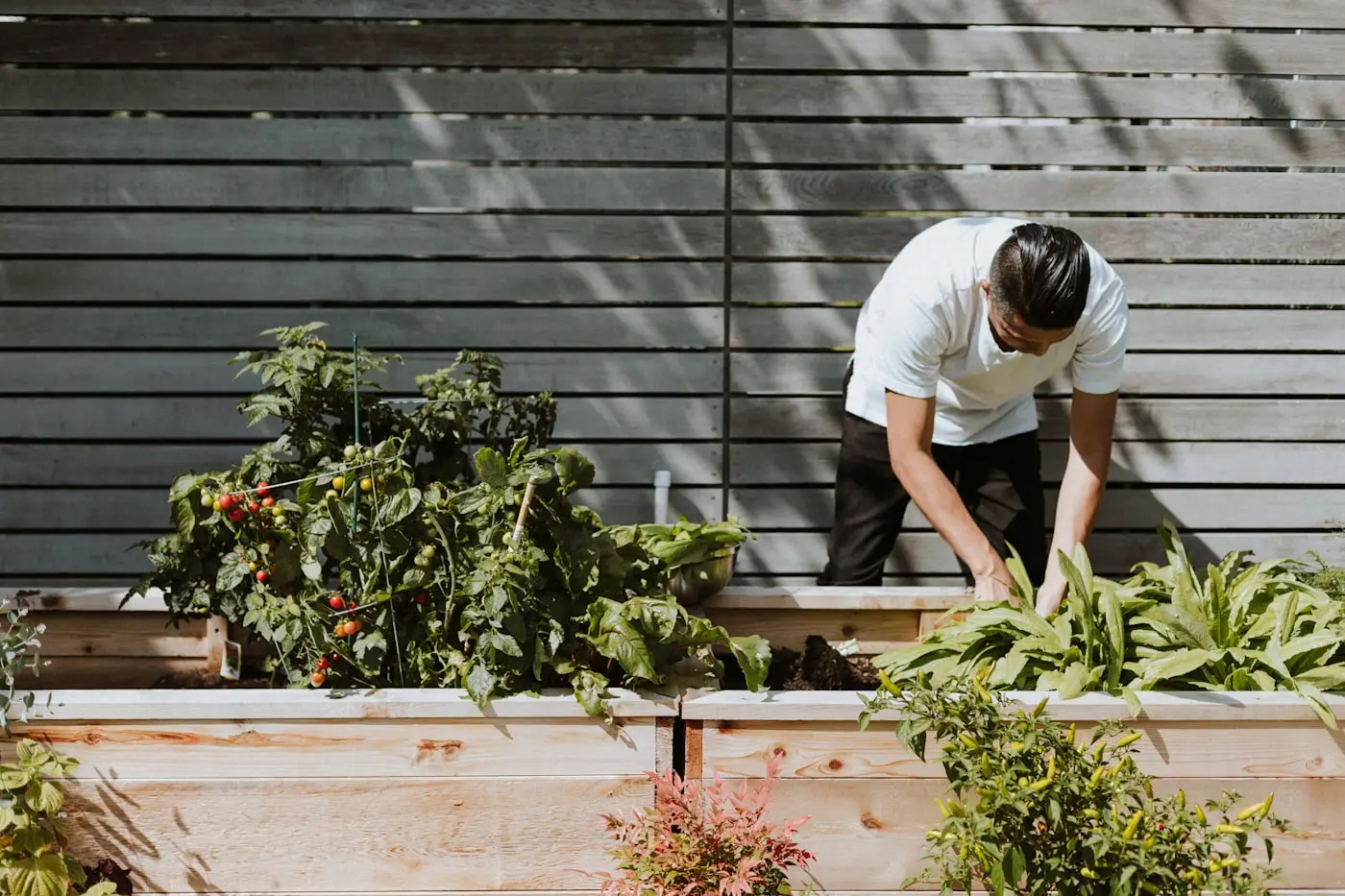
What border work actually involves
Borders do not maintain themselves. Left alone for a season, the weeds get ahead of the plants, the deadheads go to seed, the overcrowded clumps start to crowd out their neighbours and the whole thing starts to look tired. The good news is that regular border maintenance is not complicated - it is just a set of tasks that need doing at the right time of year, reliably.
Here is what the work usually covers across a year:
- Weeding. The most consistent job. Annual weeds need pulling before they seed. Perennial weeds - bindweed, ground elder, couch grass - need digging out properly at the root rather than just snipping off at the surface.
- Deadheading. Removing spent flowers extends the flowering season for many plants and stops the energy going into seed production. Roses, Dahlias, Salvias and perennials like Rudbeckia all respond well to regular deadheading through summer.
- Mulching. A layer of bark mulch or well-rotted compost applied in spring suppresses weeds, retains moisture through summer and slowly improves the soil as it breaks down. Mulching is one of the most effective low-effort things you can do for a border.
- Seasonal cut-back. Herbaceous perennials are cut back in autumn once they have died down, or in late winter if you prefer the structure of the seed heads through winter - see the winter garden care guide for Yorkshire for timing by plant type. Shrubs in borders - Buddleja, Cornus, Lavender - need pruning at the right time or they either become woody and unproductive or you risk cutting off next year's flower buds.
- Structural shrub pruning. Shrubs that anchor a border need more than a clip. Roses need proper pruning to an outward-facing bud. Hydrangeas need the right method for the variety - mopheads keep old wood, Hydrangea paniculata needs harder cutting. Getting this wrong sets back flowering by a year.
- Soil amendment. Borders benefit from a feed of balanced granular fertiliser in spring and an organic mulch after the main weeding is done. On Yorkshire's clay-heavy soils, regular organic matter is what keeps the structure workable over time.
- Plant selection and replacement. Plants fail, outgrow their space or simply stop performing. A good border keeps evolving. Swapping a tired plant for something better suited to the spot makes the whole border work harder.
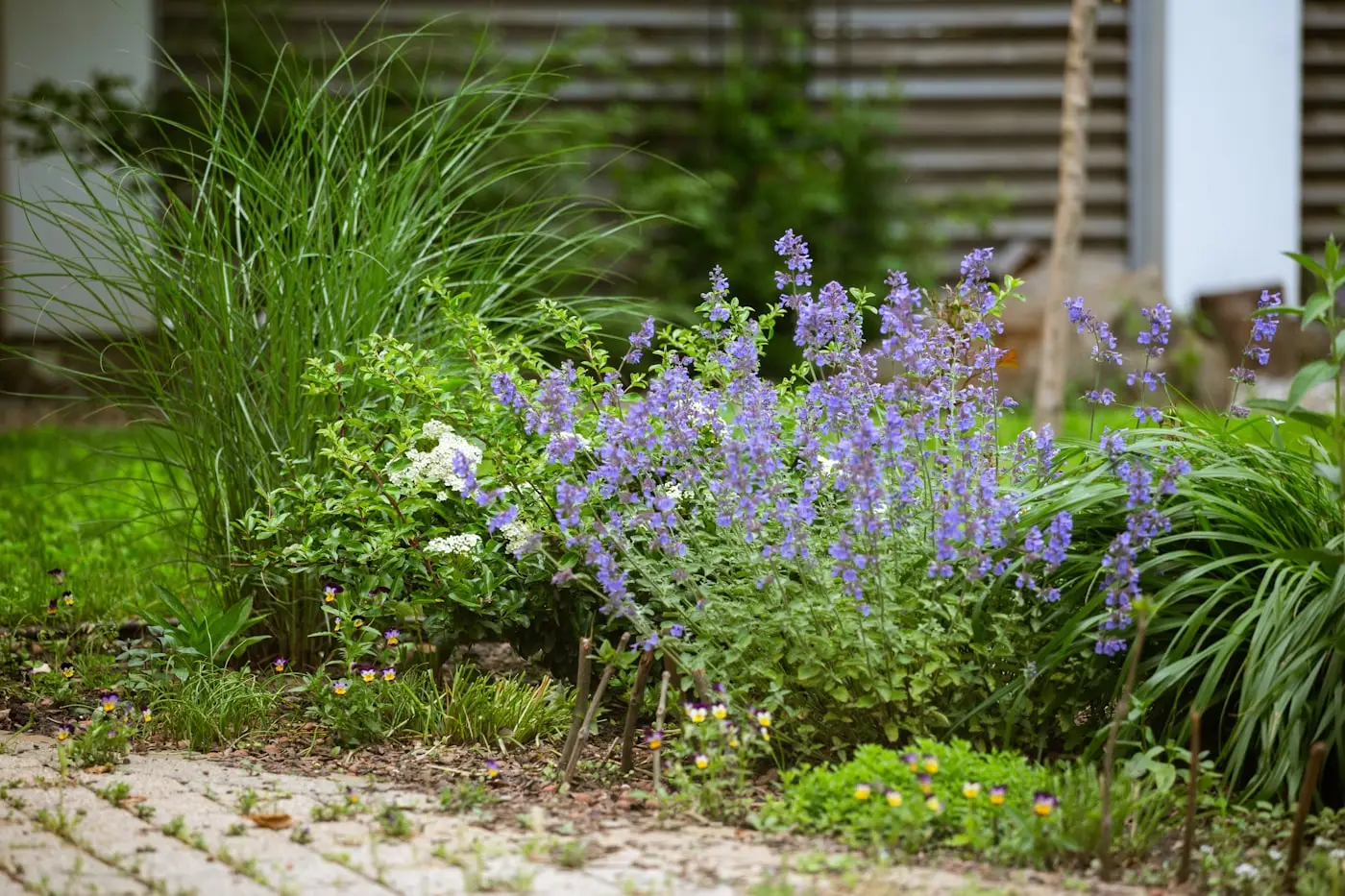
Yorkshire soil and what it means for your borders
Yorkshire is not one type of garden. The soil, aspect and climate vary enough across the county that what works in a Harrogate garden will not necessarily work in a garden on the Pennine fringe near Halifax, and neither of those is the same as a border in a limestone village near Helmsley. This matters when you are choosing what to plant.
Clay-heavy soils: most of lowland Yorkshire
Heavy clay runs across a large swathe of the Vale of York, the lowland areas around York, Selby and out toward Goole and Hull. Clay holds moisture well - good in a dry summer, bad in a wet winter when borders can sit waterlogged for weeks at a time. The practical effect on planting is that anything that needs sharp drainage will struggle without intervention: Lavender, Mediterranean herbs, many bulbs and drought-tolerant prairie plants will either fail or perform poorly in unconditioned clay.
What thrives in Yorkshire clay: Astilbe, Hosta, Helenium, Rudbeckia, Persicaria amplexicaulis, ornamental grasses like Miscanthus and Pennisetum, moisture-tolerant shrubs like Cornus and Viburnum. Before planting into clay, work in horticultural grit and organic matter across the planting zone - not just in the hole. Adding grit to a single planting hole creates a sump that makes waterlogging worse, not better.
North-facing and shaded borders
A north-facing border in, say, Bishopthorpe or a walled town garden in York gets direct sun for maybe two to three hours a day at best. Planting sun-lovers there will see them strain, stretch toward the light and produce weak, floppy growth. The better choice is plants that genuinely prefer shade: Ferns, Hostas, Astrantia, Digitalis, Geranium macrorrhizum, Tiarella, Epimedium for dry shade under trees. These are not a compromise - planted in the right spot they can be genuinely beautiful.
Exposed Pennine-fringe gardens
In gardens around Skipton, upper Calderdale and the western edge of the Dales, altitude and exposure are the dominant factor. Wind desiccates plants and can snap woody stems, and late frosts regularly hit into May - a full month behind sheltered lowland gardens. Borders at altitude need structure plants that can take the exposure: Miscanthus and Molinia grasses for movement without breakage, Geranium (hardy), Asters, Achillea, Sedum, low-growing Roses bred for hardiness (Rugosas, shrub roses) rather than exhibition Hybrid Teas. Shelter matters: a low hedge or a fence on the windward side opens up the planting palette considerably. For gardens on sloping ground - common throughout the Pennine fringe - planting on slopes brings additional challenges around soil stability and erosion that the sloping garden guide for Yorkshire covers in detail.
Limestone-edge gardens: Ryedale, Howardian Hills, Wolds
Villages around Helmsley, Kirkbymoorside, Pickering and the Howardian Hills sit on or near limestone. The soil tends to be alkaline (high pH), free-draining and relatively thin in places. This rules out acid-loving plants (Rhododendrons, Camellias, most Heathers) but suits a wide range of traditional cottage-garden plants that thrive in alkaline conditions: Dianthus, Salvia nemorosa, Scabiosa, Geranium, Phlox, Lavender, Verbascum, Clematis and most climbing roses. The free-draining nature means less waterlogging in winter but more supplementary watering in a dry summer, particularly in the first year after planting.
When to plant - and when not to
One of the most common mistakes with borders is planting at the wrong time of year. The instinct is to buy plants when they look good in the garden centre, which often means in full bloom in July or August. That is the worst time to plant. The heat stresses young root systems, the soil is dry and hard, and the plant is spending all its energy on flowering rather than establishing. Half your new plants will struggle.
The two proper planting windows in Yorkshire are spring (late March to May) and autumn (September to October). Spring catches the soil warming up from winter and usually brings decent rainfall. Autumn planting works because the soil is still warm from summer and the cooler, wetter conditions reduce transplant stress - the plant can push roots into warm soil without any heat overhead. A plant put in during October in Ripon or Wetherby will be better established by the following spring than the same plant put in the ground the previous August. If you are planning a larger project, the garden design timeline guide for Yorkshire breaks down how long each phase realistically takes from first enquiry to finished planting.
Similarly, do not plant into frozen or waterlogged ground. If the top six inches of soil have ice in them, wait. If the border has been standing with surface water for more than a week, drainage needs addressing before planting or you are setting the plant up to fail.
Typical border maintenance prices in Yorkshire
Every garden is different, but these are the ranges most customers in Yorkshire pay. For a broader look at garden service pricing, see the garden maintenance cost guide.
| Job | Typical price | Notes |
|---|---|---|
| Single border tidy / weed | £40–£80 | One border, one visit. Size and overgrowth dependent. |
| Full seasonal border maintenance (spring or autumn visit) | £80–£200 per visit | All borders, full garden. Includes cut-back, weed, mulch or deadhead as appropriate to season. |
| New border installation / planting plan | £200–£600 | Soil preparation, plant selection and installation. Plants priced separately unless agreed as a package. |
| Annual border programme (3-4 visits) | £200–£500 | Spring tidy, summer deadhead, autumn cut-back and one additional visit to suit your garden. Agreed upfront. |
| Border redesign / replanting | £300–£800+ | Lifting, root clearance, replanting. Larger and more complex borders toward the top of range. |
| Waste removal (add-on) | £20–£60 | For autumn cut-backs and larger redesign jobs where the volume is too much for garden bins. |
The full guide
When a border needs a redesign, not just maintenance
Routine maintenance keeps a good border performing. But some borders have structural problems that maintenance cannot solve. Signs that you are looking at a redesign rather than a tidy:
- Overcrowding. Plants that have doubled in size and are now competing for light and space. Dividing and thinning only goes so far - sometimes the whole scheme needs rethinking.
- Wrong-soil planting. A border full of plants that were always unsuitable for your soil type will never perform properly, however much care it gets. It needs replanting with appropriate choices.
- Structural loss. The shrubs that were supposed to give the border year-round structure have either died, become impossibly woody or grown too large. The border needs anchor points before detail plants make sense.
- Weed dominance. Perennial weeds that have run through the root system of established plants cannot be removed without lifting everything. A full replanting with proper root clearance is the only clean solution.
- No seasonal interest. A border that looks good for three weeks in June but dead the rest of the year needs its planting reassessed, not just tidied.
A redesign is not a failure of maintenance - it is a normal part of a garden's life. Most borders need a proper edit every seven to ten years at minimum. We can assess whether yours needs maintenance or a more substantial intervention and give you an honest answer. There is no point paying for annual maintenance on a border that needs redesigning first.
Common mistakes with borders
Worth being straight about a few things that regularly go wrong, because they are easily avoided with a bit of thought upfront.
Overcrowding at planting. Young plants in pots look small. The instinct is to put them closer together than the label says to avoid the gaps. Three years later, everything is fighting for space and the border looks a mess. Trust the spacings on the label and fill the gaps in year one with annuals if it looks bare.
Wrong-soil planting. Lavender in waterlogged clay will fail. Hostas in a south-facing dry border will crisp up every summer. The plant is not poor quality - it is in the wrong place. Matching plant to soil and aspect is the single most important decision in border planting, and it requires honest assessment of what your garden actually does rather than what you wish it did.
Pruning at the wrong time. Cutting Buddleja in spring is fine; cutting Forsythia in spring removes all the flower buds that formed last autumn. Pruning Hydrangeas back to the ground when the variety keeps its old wood means no flowers that year. These are fixable mistakes but they cost a season each time.
Skipping the mulch. Mulch suppresses weeds, retains moisture and improves the soil. A border without annual mulching does significantly more weeding work than one that gets a proper mulch in March. It is one of the highest-value maintenance tasks and one of the most commonly skipped.
What to Expect from a Border Maintenance or Planting Visit
Here is the process from first contact to a tidy, well-planted border.
- Fill in the estimate form. Include your postcode, how many borders and roughly how long they are, the current state (routine maintenance, overgrown, needs replanting), and your soil type if you know it. Any photos of problem areas help.
- Gardener can take it on and call you. Usually the same day. For a planting consultation or redesign they may want to arrange a brief site visit before quoting, particularly if plant selection depends on soil assessment and aspect. For routine maintenance the quote can usually be done from the form details and postcode.
- Agreement before work starts. The gardener confirms the scope before starting: which borders, what will be done this visit, what will be left to a subsequent visit if the job is phased, whether waste removal is included. No surprises on the day.
- The visit. Weeding, deadheading, mulching, cut-back or planting as agreed. For new planting, the gardener will walk the border with you first to confirm plant positions before anything goes in the ground.
- Aftercare notes. For new plantings, the gardener leaves guidance on watering and establishment for the first season. For maintained borders, they note anything worth flagging - plants that have outgrown their space, perennials due for division, or shrubs that will need harder pruning next season.
How borders vary across Yorkshire
The character of the garden changes a lot depending on where you are in the county. In Harrogate and the surrounding villages, gardens tend to be larger - traditional borders with established shrubs, roses and perennials that need proper seasonal management rather than a once-a-year tidy. The Harrogate area has some of the most cared-for domestic gardens in the county, and the local expectation is a high standard of finish.
In the market towns of the Ryedale and Howardian Hills area - Helmsley, Kirkbymoorside and Pickering - gardens often have a more naturalistic character. Stone-edged borders in cottage gardens, climbing roses on walls, informal mixed planting. The work here leans toward sympathetic maintenance rather than a formal look. Soil on the limestone belt is free-draining, which opens up the plant palette but means mulching is particularly important to retain moisture.
Boroughbridge and the lower Ure valley sit on richer, alluvial soils. Borders there often grow vigorously - good for a productive planting scheme, but it means weeding and deadheading need keeping up or things get ahead of you fast. Ripon gardens are in a similar position, with the Ripon area having a good range of established gardens that benefit from consistent seasonal management rather than sporadic interventions.
In Wetherby and Bishopthorpe - both popular with buyers looking for village character near Leeds or York - the gardens tend to be well-maintained and owners are often looking for a gardener who can maintain the standard they have already established rather than start from scratch. That is a different brief from a garden that needs sorting out, and it is worth being clear about which one you have when you fill in the form.
What to tell us when you fill in the form
The more specific you can be, the more accurate your estimate. Useful things to mention: how many borders you have and roughly how long they are, whether they are currently in good shape or need catching up, what the main issues are (overgrown weeds, overcrowded plants, tired planting scheme, specific shrubs that need pruning), whether you want a one-off visit or an ongoing programme, and your soil type if you know it. Your postcode is the most important thing - it tells us which gardeners are already working your area.
If you are also looking to add a vegetable patch or raised beds, the growing vegetables in Yorkshire guide covers what works by soil type and season - it makes sense to plan these alongside your border scheme so they get the right aspect and soil preparation. For general garden maintenance that includes borders alongside lawn mowing, hedges and other jobs, the estimate process is the same. If you want hedge trimming done at the same time as border work, mention it and it will be quoted together. For a full look at what garden maintenance costs across Yorkshire including borders work, see the UK gardener cost guide and the lawn care Yorkshire guide which covers border and turf care together. If you are looking for a gardener who already covers your area for regular border maintenance, the guide to garden maintenance near me in Yorkshire explains how local matching works and what to include in your first enquiry.
Frequently asked questions about border maintenance and planting
How much does border planting cost in Yorkshire?
Border planting in Yorkshire runs at the standard gardener hourly rate of £20–£35 per hour plus the cost of plants. A new small border installation (up to 10 sq m) typically costs £150–£400 for labour plus plants. A larger border redesign runs £300–£800. Annual maintenance programmes of 3-4 visits cost £200–£500 for the year. A single border tidy and weed runs £40–£80. For a more detailed look at pricing, see the garden maintenance cost guide.
What plants work best for Yorkshire garden borders?
The best plants for Yorkshire garden borders depend on your soil type and aspect. On heavy clay soils - which cover most of lowland Yorkshire - Astilbe, Hosta, Helenium, Rudbeckia, Persicaria, Miscanthus and Molinia grasses, and shrubs like Cornus and Viburnum all thrive. On the free-draining limestone soils around Helmsley, Pickering and the Howardian Hills, cottage-garden plants like Dianthus, Salvia, Geranium, Lavender and climbing roses perform well. For shaded north-facing borders, Ferns, Hostas, Astrantia, Digitalis and Epimedium are reliable. Avoid Lavender and Mediterranean herbs in heavy, unconditioned Yorkshire clay.
When is the best time to plant new borders in Yorkshire?
The best time to plant new borders in Yorkshire is spring (late March to May) or autumn (September to October). Spring catches warming soil and decent rainfall. Autumn planting takes advantage of warm soil that has built up heat all summer, and cooler, wetter conditions mean plants need less watering to establish. Avoid July and August planting - the heat stresses young root systems and the soil is dry and hard. Never plant into frozen or waterlogged ground.
How do you maintain planted borders year-round?
Year-round border maintenance follows a seasonal pattern: spring weeding and mulching before perennials emerge (March to April); summer deadheading and weeding to extend flowering and prevent seeding (June to August); autumn cut-back of herbaceous perennials after they die down (October to November); and an annual mulch of bark or well-rotted compost to suppress weeds and improve soil. Structural shrubs like roses, Buddleja and Hydrangeas need pruning at the right time for the variety. A minimum of two dedicated border visits per year - spring and autumn - keeps most Yorkshire borders in good shape.
Do you help with plant selection?
Yes. Choosing the right plants for your soil, aspect and microclimate is part of the service, particularly for new installations and replanting jobs. There is no point putting the wrong plant in the wrong spot and hoping for the best. We will look at what you have, what the border needs to do across the seasons, and what will actually work in your garden before recommending anything.
Can you redesign an existing border?
Yes. Some borders need more than tidying - they need lifting, thinning, root clearance of perennial weeds and replanting with a better scheme. This kind of work is priced separately from routine maintenance, usually £200–£600 for a standard domestic border depending on size and what is involved. We will give you an honest assessment of whether yours needs maintenance or a more substantial intervention before any work starts.
Do you take the waste away?
Waste removal can be included or added on. Routine deadheading and weeding produces manageable amounts that go in garden waste bins. Autumn cut-backs and border redesigns generate more bulk. Larger-volume waste removal is priced as an add-on - typically £20–£60 - and can be included in the estimate if you mention it in the form.
What is a good seasonal planting calendar for Yorkshire?
Plant spring bulbs (tulips, daffodils, alliums) in October-November. Summer bedding goes in after the last frost, typically mid-May in lowland Yorkshire and late May at elevation on the Pennine fringe. Perennials are best planted in April-May or September-October. Autumn structure planting (shrubs, ornamental grasses, trees) in September-October when the soil is still warm. Winter interest plants (hellebores, cyclamen, snowdrops) in October. The Yorkshire growing season runs 4-6 weeks shorter at altitude compared to sheltered gardens in York or Hull.
How often should I have my borders maintained?
A minimum of two border visits per year - spring tidy and autumn cut-back - keeps most Yorkshire borders functioning well. Gardens with dense perennial planting or rose beds benefit from a third summer visit for deadheading and weeding. If borders are part of a regular garden maintenance round, the gardener will keep on top of basic weeding and deadheading each visit so dedicated border sessions are less intensive when they happen.
Do you do one-off border planting or ongoing seasonal maintenance?
Both. One-off visits for spring planting, autumn cut-back or a border redesign are common. Ongoing seasonal programmes (3-4 visits per year) work out more cost-effective for gardens where borders are a significant feature. Ask for both options in your estimate and compare them. Most gardeners are happy to quote a one-off and an annual programme side by side.
How do I prepare for a border planting visit?
If you have a specific plant list or colour scheme in mind, let the gardener know in advance so plants can be sourced at trade before the visit. Clear access to the border. For a new installation with heavy existing weed growth, a clearance visit first saves planting time. Let the gardener know your soil type if you know it - it affects which plants will establish well and what soil preparation is needed before anything goes in the ground.
Further reading
- Sloping garden ideas for Yorkshire
- Yorkshire garden design ideas
- Growing vegetables in Yorkshire
- Garden pond maintenance in Yorkshire
- Spring garden tidy guide for Yorkshire
- Planting trees in Yorkshire gardens
- Creating a wildflower meadow in Yorkshire
- Drought-tolerant garden planting for Yorkshire
- North-facing garden planting guide for Yorkshire
Ready to get your borders sorted?
Tell us your postcode and what the borders need. A local gardener can take your enquiry and call you with a real price.
Request a gardenerBorder maintenance and planting across all of Yorkshire.
Local gardeners covering 240+ towns and surrounding villages - pick yours for postcode-specific pricing and a gardener who already knows your area.
- Ackworth
- Acomb
- Addingham
- Adwick-le-Street
- Armthorpe
- Baildon
- Barlby
- Barnsley
- Batley
- Bawtry
- Bedale
- Beverley
- Bingley
- Birstall
- Bishopthorpe
- Bolton-upon-Dearne
- Boroughbridge
- Boston Spa
- Bradford
- Bridlington
- Brighouse
- Brough
- Burley-in-Wharfedale
- Castleford
- Catterick Garrison
- Cleckheaton
- Conisbrough
- Copmanthorpe
- Cottingham
- Crofton
- Cudworth
- Darton
- Denby Dale
- Dewsbury
- Doncaster
- Driffield
- Dunnington
- Easingwold
- Elland
- Emley
- Farsley
- Featherstone
- Filey
- Flockton
- Garforth
- Golcar
- Goldthorpe
- Goole
- Grassington
- Greetland
- Guisborough
- Guiseley
- Halifax
- Harrogate
- Hawes
- Haworth
- Haxby
- Hebden
- Hebden Bridge
- Heckmondwike
- Hedon
- Helmsley
- Hemsworth
- Hessle
- Holmfirth
- Honley
- Horbury
- Hornsea
- Horsforth
- Howden
- Hoyland
- Huddersfield
- Hull
- Huntington
- Ilkley
- Keighley
- Kippax
- Kirkburton
- Kirkbymoorside
- Knaresborough
- Knottingley
- Leeds
- Leyburn
- Linthwaite
- Liversedge
- Loftus
- Long Preston
- Maltby
- Malton
- Market Weighton
- Marsden
- Masham
- Meltham
- Mexborough
- Middleham
- Mirfield
- Morley
- Mytholmroyd
- Normanton
- North Cave
- Northallerton
- Norton
- Ossett
- Otley
- Pateley Bridge
- Penistone
- Pickering
- Pocklington
- Pontefract
- Poppleton
- Pudsey
- Queensbury
- Rawcliffe
- Rawmarsh
- Reeth
- Richmond
- Ripon
- Rotherham
- Rothwell
- Royston
- Saltburn-by-the-Sea
- Scarborough
- Selby
- Settle
- Sheffield
- Sherburn-in-Elmet
- Shipley
- Silsden
- Skelmanthorpe
- Skipton
- Slaithwaite
- South Elmsall
- Sowerby Bridge
- Spofforth
- Sprotbrough
- Stamford Bridge
- Stocksbridge
- Stockton-on-the-Forest
- Stokesley
- Strensall
- Swanland
- Swinton
- Tadcaster
- Thirsk
- Thorne
- Thornton
- Thurnscoe
- Tickhill
- Todmorden
- Upton
- Wakefield
- Wath-upon-Dearne
- Wetherby
- Whitby
- Willerby
- Withernsea
- Wombwell
- Yeadon
- York