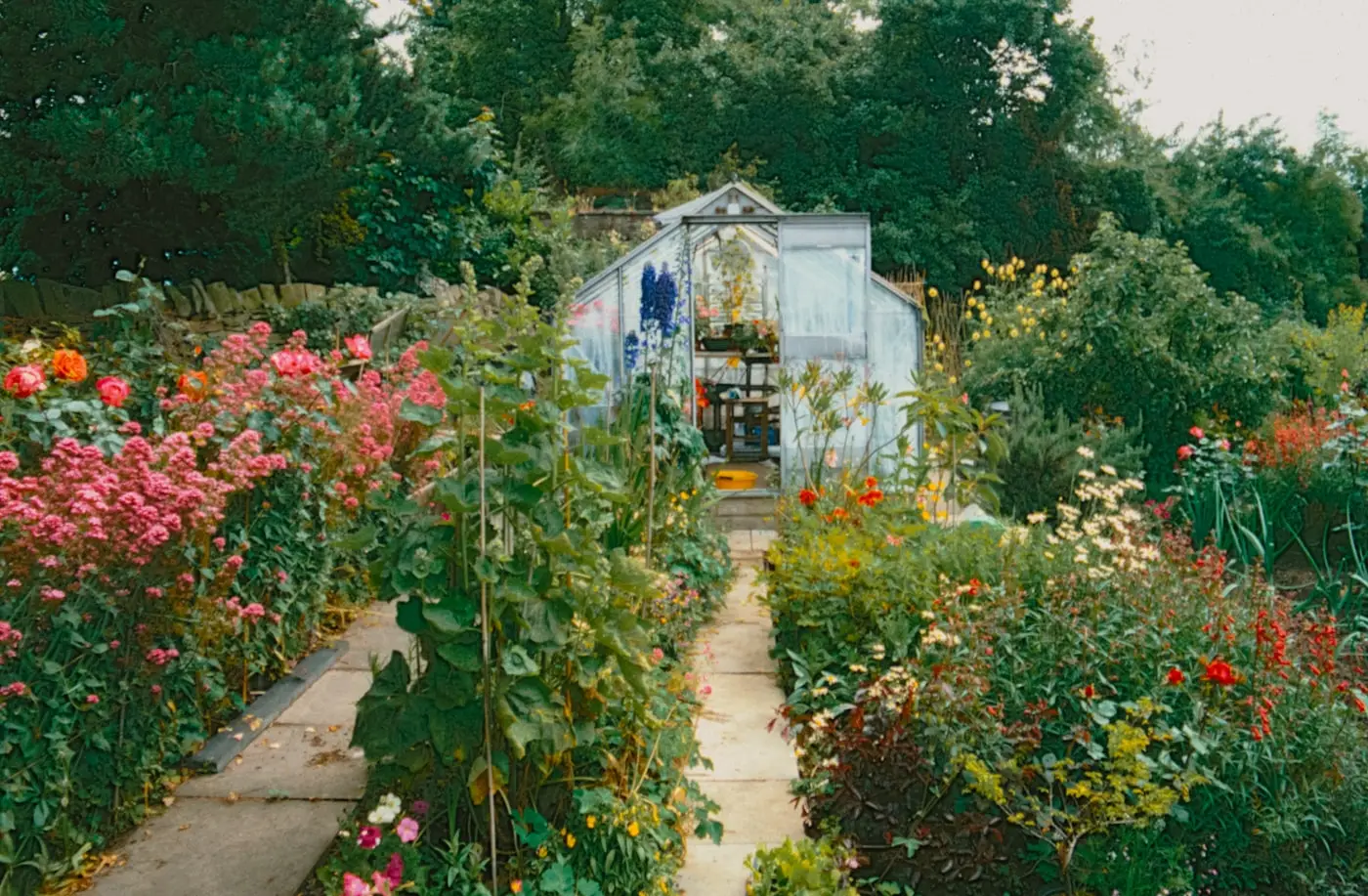
Understanding the garden design timeline helps homeowners in York, Harrogate and Leeds plan their projects effectively.
You've decided to redesign your garden, but you're not sure how long it'll take. Will you have it done for summer? Can you start in February and finish by May? This guide breaks down realistic timelines for Yorkshire garden design and build projects, explains seasonal planting windows, and flags what delays projects.
Quick answer
- Planting plan only: 1-2 weeks from site visit to delivery.
- Full design + project management: 4-12 weeks from brief to final plan and contractor quotes.
- Build (hard landscaping + planting): 2-12 weeks depending on scope.
- Total (consultation to completion): 8-24 weeks for most projects.
Seasonal gating matters. Autumn planting (Sept-Nov) is best for establishment. Spring landscaping (April-May) is peak season so contractors are fully booked. Start planning in winter, install in spring, plant in autumn is the ideal pattern.
Phase-by-phase breakdown
Phase 1: Brief and initial consultation (1-2 weeks)
You contact the designer, describe what you want, share photos or measurements. Designer visits site (free to £75-£150 consultation fee), assesses soil, aspect, drainage, existing features. Discusses your wishlist, budget, timeline.
Output: rough concept sketch or verbal outline. Designer quotes for the design phase. You decide whether to proceed.
Duration: 1-2 weeks from first contact to signed quote.
Phase 2: Design (planting plan: 1-2 weeks; full design: 4-12 weeks)
Planting plan only
Designer produces scaled plan showing plant positions, full plant list with Latin names and quantities, planting guidance. You source plants yourself or hire a gardener to implement.
Duration: 1-2 weeks from site visit to finished plan. Fast turnaround because it's drawings and plant selection only, no contractor coordination.
Full design + project management
Designer produces full garden layout (hard and soft landscaping), material specifications (paving type, stone, timber, aggregate), contractor liaison, written quotes from landscapers, lighting and drainage plans if needed. Multiple revision rounds typical (2-3 included in most quotes).
Duration: 4-8 weeks for straightforward suburban plots, 8-12 weeks for complex sloping sites or formal layouts, 12-16 weeks if involving planning permission (listed buildings, conservation areas, tree preservation orders).
Phase 3: Contractor booking (2-8 weeks)
Once design is approved, the designer (or you) gets quotes from landscapers. Good landscapers in Yorkshire are booked 4-12 weeks ahead in spring (March-June). Winter bookings are easier (2-4 weeks ahead).
Duration: 2-4 weeks to get quotes and select contractor, then 2-8 weeks until their schedule has space for you.
Spring crunch: if you finalise design in March and want it built by May, you'll struggle to find availability. Better to book in January for April start.
Phase 4: Build (2-12 weeks)
Small projects (patio, raised beds, border replant)
Duration: 1-3 weeks. A 20 sqm patio takes 3-5 days for a two-person team (excavation, sub-base, laying, jointing). Border replanting takes 1-2 days for a gardener or small crew.
Medium projects (full garden makeover, 50-100 sqm)
Duration: 4-8 weeks. Includes patio or deck, raised beds, fencing, drainage, new lawn, structural planting, ornamental borders. Weather-dependent (rain stops paving and drainage work).
Large projects (extensive redesign, 150+ sqm, multi-level terracing)
Duration: 8-16 weeks. Includes retaining walls, significant earthworks, drainage systems, comprehensive hard landscaping, mature tree planting, hedging, comprehensive borders.
Phase 5: Establishment (3-12 months)
Lawn turf is usable after 4-6 weeks, fully established after 3 months. Lawn from seed is usable after 8-12 weeks, fully robust after 6 months. Perennial borders look thin in year 1, half-full in year 2, established by year 3. Trees and hedging take 3-5 years to look substantial.
Yorkshire seasonal gating
Spring planting (March to May)
Pros: soil warming up, plants face growing season ahead, immediate results if you plant in flower.
Cons: plants face immediate summer stress (drought, heat). Late frosts (mid-April Vale of York, late April Pennine fringe, early May upper Dales) kill tender plants. Contractors fully booked. Specimen plants harder to source (nurseries depleted after autumn/winter sales).
Frost dates by area:
- Vale of York (York, Selby, Northallerton): last frost typically mid-April.
- Wolds and lowland towns (Pocklington, Driffield, Malton): mid to late April.
- Pennine fringe (Keighley, Skipton, Hebden Bridge): late April to early May.
- Upper Dales (Hawes, Reeth, Grassington above 250m): early to mid-May.
- Coastal (Scarborough, Whitby, Bridlington): mid-April, but wind exposure matters more than frost.
Don't plant tender bedding (petunias, busy lizzies, begonias) until after your local last-frost date. Hardy perennials and shrubs can go in from March onwards.
Summer planting (June to August)
Avoid July-August for serious planting. Soil bakes dry on free-draining Wolds chalk and sandy coastal sites. New plants struggle to establish and need daily watering. Acceptable for container planting or if you have irrigation, but not ideal for in-ground borders or trees.
Autumn planting (September to November)
Best window for perennials, shrubs, and trees in Yorkshire. Soil still warm from summer, autumn rain arrives, roots establish over winter, plants ready to grow strongly in spring. Nurseries fully stocked. Contractors less busy than spring.
Ideal pattern: consult designer in winter, finalise design by March, install hard landscaping April-June, plant in September-October. You get the garden structure in place for summer (even if not fully planted), then add the planting in the best window.
Winter work (December to February)
Hard landscaping can continue (paving, walls, fencing) unless ground is frozen or waterlogged. Don't plant when soil is frozen or sitting-wet. Use winter for design phase and contractor booking so you're ready to build in spring.
The ideal timeline for a serious project
- November-December: Initial consultation, brief designer.
- January-February: Design phase, revisions, finalise plan.
- February-March: Get landscaper quotes, book contractor.
- April-June: Hard landscaping (patio, walls, fencing, drainage, raised beds). Lay new lawn (turf or seed).
- July-August: Let lawn establish, let hard landscaping settle.
- September-October: Structural planting (trees, hedging, climbers, shrubs). Ornamental borders.
- November onwards: Establishment. Light maintenance. Enjoy over winter. Full glory from spring year 2.
Total elapsed: 12 months from first consultation to fully planted and established garden. Usable from June onwards (lawn and hard landscaping in place), but planting completes in autumn.
Fast-track option (small projects)
If you just need a planting plan and border refresh, you can compress this:
- Week 1: Contact gardener or designer, site visit.
- Week 2: Planting plan delivered, plants sourced.
- Week 3-4: Planting completed (spring or autumn).
Total: 3-4 weeks from first contact to planted borders. Works for projects under £2,000 where you're using a gardener rather than a formal designer. See our garden designer cost guide for when to use a gardener vs designer.
What delays garden projects
Bad weather
Yorkshire rainfall averages 600-1,400mm/year depending on location. Persistent rain stops paving and drainage work for days at a time. Winter 2024-25 saw 3-week delays on some projects due to waterlogged sites. Build slack into your timeline — assume 10-20% weather delays on spring/autumn projects.
Plant lead times
Specimen trees (multi-stem birches, mature oaks, large shrubs) have 2-4 week lead times from specialist nurseries. Hedging plants ordered in autumn can take 4-6 weeks. If the designer specifies unusual perennials, expect 2-3 weeks for nursery delivery. Ask about lead times when approving plant lists.
Planning consents
Rare for domestic gardens, but if you're in a conservation area, have a listed building, or trees with preservation orders, you may need planning permission or consent for works. Typical timescales: 8-12 weeks for planning decisions, 4-6 weeks for tree work consents. Factor this in at the design stage.
Contractor availability
Good landscapers in Harrogate, Leeds, York, and Sheffield are fully booked 4-12 weeks ahead in spring. If you approach in March wanting April start, you'll either pay a premium for emergency availability or wait until June. Book early or accept a later start date.
Material delays
Yorkshire stone, reclaimed materials, specialist aggregates, bespoke timber (oak sleepers, hardwood decking) can have 2-4 week lead times. Off-the-shelf paving and standard timber are usually ex-stock. Check material lead times before committing to start dates.
Realistic rule
Whatever timeline the contractor quotes, add 20%. A "4-week build" often stretches to 5 weeks due to weather, material delays, or discovering drainage issues mid-project. If you have a fixed deadline (wedding, party, house sale), build in slack and tell the designer and contractor upfront.
Can you use your garden during the build?
Not really. During hard landscaping, the garden is a building site. Excavation, aggregate deliveries, paving stacks, cement mixers, skips. Expect 2-8 weeks where the garden is unusable and access from the house is via a plank across mud.
Planting phase is less disruptive (1-3 days typically for most domestic borders) and you can use the garden around the work.
If you need the garden for a specific event (wedding reception, 50th birthday party, house open-day for sale), tell the designer and contractor at the outset so they can schedule around it.
How long before the garden looks established?
Instant impact
- Hard landscaping (patio, walls, fencing) looks finished as soon as it's built.
- Mature shrubs (3-5 litre pots or larger) give instant structure.
- Turf lawn is green and usable within 4-6 weeks.
Year 1
- Perennial borders look sparse. Plants are establishing roots, not filling out yet.
- Lawn from seed is green but thin, won't take heavy foot traffic until 6 months old.
- Trees and hedging look like sticks with a few leaves.
Year 2
- Perennials half-fill their space. Garden looks 60-70% of final glory.
- Hedging (if planted as 60-90cm whips) reaches 1-1.5m and starts to knit together.
- Trees show decent canopy, still obviously young.
Year 3+
- Perennial borders established and full. Garden looks mature.
- Hedging (yew, beech, hornbeam) reaches 2m+ and provides screening.
- Trees look substantial (multi-stem birches 3-4m tall, oaks 4-5m).
Realistic expectation: the garden looks good in year 1, very good in year 2, and reaches its design intent by year 3. Anyone selling "instant mature garden" is either using very expensive large specimens (£500-£2,000 per tree) or exaggerating.
Should you phase the project over multiple years?
If budget is tight, absolutely. A good designer creates a coherent plan for all phases upfront, so year 2 and 3 work fits the original vision.
Typical phasing:
- Phase 1 (Year 1): Hard landscaping (patio, paths, raised beds, fencing, drainage). Structural planting (trees, hedging, climbers). New lawn. Budget: £5,000-£8,000.
- Phase 2 (Year 2): Ornamental borders, shrub planting, kitchen garden if wanted. Budget: £2,000-£3,000.
- Phase 3 (Year 3+): Finishing touches (garden lighting, water feature, garden furniture, pergola). Budget: £1,000-£3,000.
Total spend: £8,000-£14,000 spread over 3 years. Same end result as doing it all in year 1, but the cash flow is manageable. The only downside is you wait longer for the full vision, but plants establish just as well (arguably better, since you're not overwhelming the garden with work all at once).
Frequently asked questions
How long does a garden design take in Yorkshire?
A planting plan only takes 1-2 weeks from site visit to delivery. Full design with layout, hard landscaping specs, and contractor coordination takes 4-12 weeks depending on complexity. Add 2-12 weeks for the build phase. Total from first consultation to finished garden: 8-24 weeks for most projects.
When should I start planning my garden in Yorkshire?
Start consultation in winter (November-February), finalise design by March, install hard landscaping in spring (April-May), plant in autumn (September-November). This is the ideal pattern for serious projects. It lets you use the best planting window (autumn) and avoids rushing in spring when good landscapers are fully booked.
What's the best time to plant in Yorkshire?
Autumn (September to November) is best for most perennials, shrubs, and trees. Roots establish over winter, plants are ready to grow in spring. Spring planting (March to May) works but plants face immediate summer stress. Avoid baked-dry July and frozen January. Frost dates vary: mid-April Vale of York, late April Pennine fringe, early May upper Dales.
What delays garden projects?
Bad weather (persistent rain stops paving and drainage work for days). Plant lead times (specimen trees take 2-4 weeks, hedging plants 4-6 weeks in autumn). Planning consents for listed buildings or conservation areas (8-12 weeks). Contractor availability (good landscapers booked 4-12 weeks ahead in spring). Material delays (Yorkshire stone, timber, specialist aggregates can have 2-4 week lead times).
Can I use my garden during the build?
Not really. During hard landscaping (patio, walls, drainage), the garden is a building site. Expect 2-8 weeks where you can't use it. Planting phase is less disruptive (1-3 days typically) and you can use the garden around the work. If you need the garden for a specific event (wedding, party), tell the designer and contractor at the start so they can schedule around it.
How long before my new garden looks established?
Instant structure from hard landscaping and mature shrubs. Perennial borders look thin in year 1, half-full in year 2, established by year 3. Trees and hedging take 3-5 years to look substantial. Lawns from turf are usable after 4-6 weeks, from seed after 8-12 weeks but won't take heavy foot traffic for 6 months. Realistic expectation: garden looks 60% of its final glory in year 1, 90% by year 3.
Should I phase my garden project over multiple years?
If budget is tight, yes. Phase 1: hard landscaping and structural planting (trees, hedging, climbers). Phase 2: ornamental borders and lawn. Phase 3: finishing touches (lighting, water features, furniture). A good designer creates a coherent plan for all phases upfront, so year 2 and 3 work fits the original vision. Better to phase well than compromise the design to hit year 1 budget.
Get a realistic timeline for your garden
Tell us about your project and we put your enquiry in front of local designers who'll give you accurate timescales, not optimistic guesses.
Start the assessmentRelated reading
- Garden Design Service
- Garden Renovation Cost Yorkshire - budgeting for a full garden transformation
- Garden Designer Cost Yorkshire
- Designer vs Landscaper vs Gardener
- Yorkshire Garden Design Ideas
- Garden Pond Maintenance in Yorkshire
- Decking Installation in Yorkshire - timeline and cost
- Block Paving in Yorkshire - planning and cost guide
- Water Features in Yorkshire - adding a pond or fountain