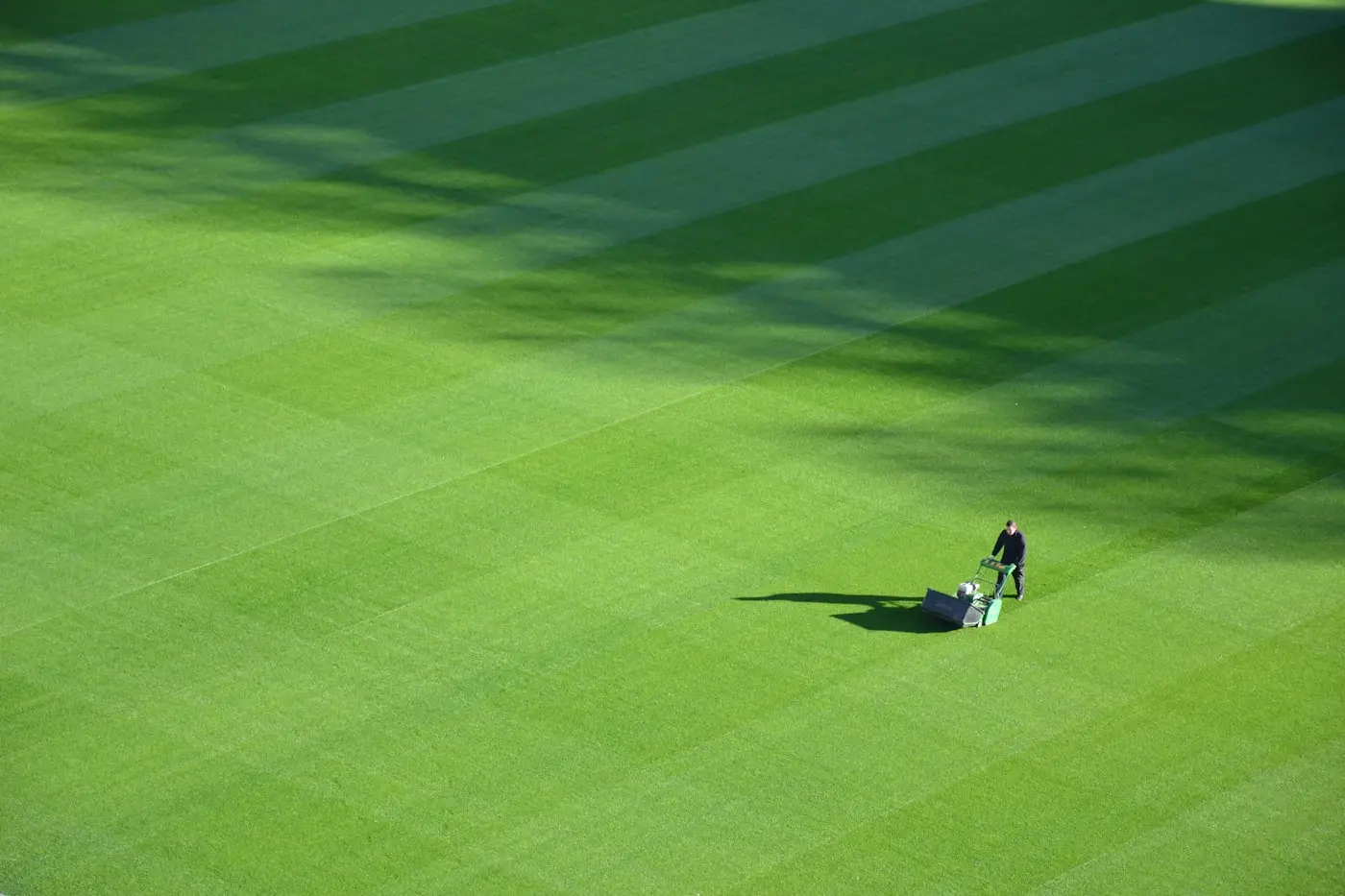
Regular lawn mowing keeps a lawn looking tidy. But mowing alone does not address the underlying issues that cause lawns to thin, moss up, waterlog, or develop bare patches over time. Professional lawn treatment - aeration, scarification, overseeding, and seasonal feeding - is what keeps a lawn genuinely healthy rather than just short. This guide covers every treatment Yorkshire lawns commonly need, with current prices and the timing that gives the best results.
Lawn care prices in Yorkshire 2026
Prices vary by treatment type, garden size, and whether the work is booked as a standalone visit or as part of an annual programme. The table below gives current typical costs for each treatment on a medium garden (approximately 60 sqm of lawn area).
| Treatment | Small lawn (up to 40 sqm) | Medium lawn (40-100 sqm) | Large lawn (100-200 sqm) |
|---|---|---|---|
| Hollow-tine aeration | £60-£90 | £80-£140 | £130-£200 |
| Scarification (mechanical) | £70-£110 | £100-£160 | £150-£240 |
| Overseeding | £40-£70 | £60-£100 | £90-£160 |
| Top dressing | £60-£90 | £80-£140 | £130-£200 |
| Fertiliser treatment | £35-£55 | £50-£80 | £75-£120 |
| Moss treatment | £40-£65 | £55-£90 | £80-£130 |
| Full autumn programme (aerate + scarify + overseed + feed) | £180-£280 | £240-£380 | £350-£550 |
Prices are for the treatment only; waste disposal of collected thatch is usually included by professional operators. If you are booking multiple treatments in one visit, most operators offer a 10-15% combined rate reduction compared to booking each job separately.
Lawn aeration: what it is, when to do it, what it costs
Aeration is the process of creating small holes or channels in the turf to reduce soil compaction. Compacted soil prevents water, air, and nutrients from reaching the grass roots - the result is a lawn that drains poorly, turns yellow in dry spells, and provides ideal conditions for moss to establish.
Types of aeration
Hollow-tine aeration is the most effective method. A machine or hand tool drives hollow metal tines into the turf and extracts small cores of soil (typically 10-15mm diameter, 75-100mm deep). The holes allow compaction to break up from the inside, and the surface can be top dressed with a sandy loam mix to improve drainage long-term. This is the method recommended for Yorkshire clay soils.
Solid-tine aeration (or spiking) pushes narrow solid tines into the turf without removing material. It is faster and cheaper but less effective on heavily compacted soils - it relieves surface compaction but can create a compaction layer at the depth where the tines stop. Good for maintenance between hollow-tine treatments.
Slitting creates thin vertical slits in the turf using rotating blades. Primarily used to improve drainage and is most effective on fine turf or lawns with surface water issues. Less commonly needed for typical Yorkshire domestic gardens.
When to aerate a Yorkshire lawn
Autumn is the optimum window: September to November. The soil is still warm enough for recovery, rainfall increases, and the grass has the whole winter for the improvements to bed in before the next growing season. Spring aeration (March-April) is viable if autumn was missed. Avoid aerating in summer when the soil is dry and hard - the tines struggle to penetrate and the holes close up quickly without recovery growth.
Yorkshire soils and aeration frequency
Clay-heavy soils in the Vale of York and parts of West Yorkshire compact faster and benefit from annual hollow-tine aeration. Lighter, sandier soils in East Yorkshire and parts of North Yorkshire may only need aerating every two to three years. If you are unsure about your soil type, a professional lawn assessment will tell you what you are working with.
Lawn scarification: removing thatch for a healthier sward
Thatch is the layer of dead organic matter - grass stems, roots, leaf debris - that accumulates between the living grass and the soil surface. A thin thatch layer (under 1cm) is beneficial: it acts as a mulch, retaining moisture and insulating roots. A thick thatch layer is harmful: it impedes water penetration, harbours disease and pests, and creates the soft, spongy surface that is characteristic of neglected lawns.
Our lawn scarification service removes thatch mechanically, using a machine fitted with either rigid tines or blades that comb through the turf at a set depth. The material brought up is typically raked and removed. Professional scarification with a powered machine is significantly more effective than hand-raking - it can work at consistent depth across the whole lawn and can operate at multiple angles for a thorough result.
How to tell if your lawn needs scarifying
- Push a finger or screwdriver into the turf: if there is a soft, spongy layer of more than 1-2cm before you reach firm soil, the thatch is excessive
- The lawn feels bouncy underfoot - this is characteristic of a heavy thatch layer acting as a cushion
- Water pools on the surface briefly after rain rather than soaking in immediately
- There is visible dead brown material between the grass blades when you look closely at the sward
- The lawn has a moss problem - moss thrives in the conditions created by heavy thatch
Timing scarification in Yorkshire
The best time to scarify is in autumn (September-October) when the grass is still actively growing but temperatures are dropping. The lawn looks alarming for two to four weeks after scarification - thin, patchy, and ragged - before recovering. Scarifying in autumn gives the lawn the whole winter to stabilise and a full growing season to fill in. Spring scarification (April) is an option but does not allow as long a recovery window before the summer heat stress period.
Never scarify in summer drought conditions or when the lawn is already stressed. The combination of thermal stress and mechanical damage can cause significant dieback.
Overseeding: filling the gaps for a dense sward
Overseeding introduces new grass seed into an existing lawn to increase density, fill bare patches, and improve the species mix. It is almost always done in conjunction with aeration and/or scarification, because the seed needs contact with bare soil to germinate - on a dense, thatchy lawn, seed sits on top of the organic layer and fails.
The seed mix matters. Yorkshire lawns benefit from a mix weighted towards hard-wearing fescues and ryegrasses that can handle the wet winters and variable summers. Fine-leaved mixes suited to southern England often struggle with the harsher conditions in North Yorkshire.
Overseeding costs £60-£100 for a medium lawn, usually including seed, spreading, and light raking in. Results depend heavily on post-seeding care: the overseeded lawn needs consistent moisture for 4-6 weeks while germination occurs, and should not be mowed for the first two to three weeks after overseeding.
Fertiliser treatment: feeding the lawn through the seasons
Grass is a plant, and like all plants it benefits from seasonal feeding. A balanced lawn fertiliser programme typically includes:
- Spring feed (March-April): high-nitrogen formulation to kick-start growth after winter. Should not be applied too early or in cold conditions - fertiliser applied to cold, wet soil leaches rather than being taken up by the grass
- Summer maintenance feed (June-July): lighter application to sustain growth without excessive flush that requires more frequent cutting
- Autumn feed (September-October): low-nitrogen, high-potassium formulation to harden the grass before winter and improve disease resistance. Applying high-nitrogen feed in autumn causes soft, lush growth vulnerable to fungal disease over winter. For everything else that needs doing before the cold sets in, see our winter garden care guide for Yorkshire
Professional fertiliser application costs £50-£80 for a medium lawn per treatment. Many lawn care specialists offer a three-treatment seasonal programme at a package rate of £120-£200 for a medium garden.
Moss control in Yorkshire lawns
Moss is a persistent problem in Yorkshire, particularly on north-facing gardens, lawns under tree canopy, and gardens on clay soils with drainage issues. Yorkshire's wet climate and regular cloud cover create near-ideal conditions for moss. Treating moss without addressing the underlying conditions that enable it is a short-term fix - the moss will return.
The typical moss control programme:
- Apply a ferrous sulphate-based moss treatment in autumn to kill existing moss (the lawn turns black temporarily - this is normal)
- Scarify to remove the dead moss
- Aerate to improve drainage and reduce the compaction and moisture retention that moss needs to establish
- Overseed thin areas with shade-tolerant grass mixes if relevant
- Address drainage issues if waterlogging is the root cause
A one-off moss treatment without the follow-up work typically sees moss return within one to two seasons. The structural approach above - addressing drainage and compaction as well as killing existing moss - gives longer-lasting results. See our lawn care service page for how we approach seasonal moss management across Yorkshire.
Lawn care across Yorkshire: coverage areas
Lawn care services are available across the county, with coverage varying by operator. The urban areas have the highest density of specialists; rural North Yorkshire is well served but with fewer operators. If you are in a rural location, getting a quote is still worthwhile - most specialists are willing to travel for a good-sized job.
Annual lawn care programme vs individual treatments: what is better value?
Most professional lawn care operators in Yorkshire offer the choice of booking individual treatments as needed or committing to an annual programme. Annual programmes typically include all four to six seasonal treatments bundled at a package rate, with the operator scheduling the visits at the right time of year without the homeowner needing to plan or book individually.
The financial case for a programme is modest - you typically save 10-15% compared to booking treatments individually. The real benefit is timing: an operator managing your lawn on a programme will apply treatments at the optimal window rather than when you get around to booking. Autumn aeration done in October is significantly more effective than the same treatment booked in January because you finally had time.
For a typical medium garden in Yorkshire, an annual programme covering spring feed, summer feed, autumn aeration, scarification, and overseeding runs £240-£380. That works out at £20-£32 per month across the year - comparable to a couple of mowing visits but delivering substantially more improvement in lawn health.
For comparison with regular mowing costs, see our guide to lawn mowing service prices in Yorkshire. Some homeowners weighing up their options also find it useful to read our artificial turf vs real lawn comparison before committing to a treatment programme on a lawn they may later want to replace.
Get a lawn care quote across Yorkshire
Tell us about your lawn and we will check local availability for the right specialist.
Start the assessmentLawn care Yorkshire: frequently asked questions
How much does lawn aeration cost in Yorkshire?
Lawn aeration in Yorkshire costs £80-£150 for a small to medium garden (up to 100 sqm). Large gardens typically run £120-£200. The exact price depends on garden size, soil condition, and whether hollow-tine or solid-tine aeration is used.
How much does lawn scarification cost in Yorkshire?
Lawn scarification in Yorkshire costs £100-£180 for a medium garden (40-100 sqm). Large gardens run £150-£250. The price usually includes removal of the collected thatch.
What is the difference between lawn aeration and scarification?
Aeration creates holes in the turf to reduce compaction and improve drainage. Scarification mechanically removes thatch - the layer of dead organic matter between the grass blades and the soil. Both improve lawn health but address different problems.
When is the best time to aerate a lawn in Yorkshire?
Autumn (September-October) is the best time to aerate a Yorkshire lawn. The soil is still warm enough for grass to recover quickly, and aerating before winter improves drainage during the wet season. Spring aeration (March-April) is a secondary option.
How much does a full lawn treatment programme cost in Yorkshire?
A full seasonal lawn treatment programme in Yorkshire typically costs £150-£350 for a medium garden depending on what is included. An annual programme covering spring feed, summer feed, autumn aeration, scarification, and overseeding typically runs £240-£380 for a medium garden.
How long does it take a lawn to recover after scarification?
A lawn typically looks worse for two to four weeks after scarification before recovering. By four to six weeks, if overseeding was done at the same time, the lawn usually looks noticeably better than before treatment. Full recovery to a dense, healthy sward takes a full growing season.
Does lawn aeration really make a difference?
Yes, particularly on compacted lawns. Yorkshire clay soils are especially prone to compaction. Annual aeration breaks the compaction cycle, improves drainage, and visibly improves lawn health within one growing season.
How often does a lawn need scarifying?
Most lawns benefit from scarification every one to three years. If there is a spongy layer more than 1cm thick between the grass and soil, scarification is due. Lawns that are mowed frequently and receive fertiliser tend to accumulate thatch faster.
Can I aerate a lawn myself or should I hire a professional?
You can hire a hollow-tine aerator from a tool hire shop for £50-£80 per day for a medium garden. For larger lawns or heavily compacted soil, professional equipment does a more thorough job. Professional treatment also typically includes overseeding and top dressing.
What causes lawn compaction in Yorkshire?
The main causes are foot traffic on wet ground, mowing with heavy equipment, and the natural tendency of Yorkshire clay soils to pack down. Gardens with children and pets, and lawns on clay-heavy ground in the Vale of York and West Yorkshire, compact faster than lawns on lighter soils.
Related guides
- Lawn care service across Yorkshire
- Lawn mowing service prices in Yorkshire
- Lawn moss treatment in Yorkshire: when and how
- Lawn fertiliser in Yorkshire: what to use and when
- Lawn top dressing in Yorkshire: improving compacted clay soil
- Artificial turf vs real lawn in Yorkshire: which is right for you?
- Winter garden care in Yorkshire
- Lawn seeding in Yorkshire - starting a new lawn from seed
- Garden irrigation in Yorkshire - watering systems for lawns and beds
- Growing vegetables in Yorkshire: a practical guide
- Garden maintenance near me in Yorkshire