Winter Garden Care in Yorkshire: What to Do in January, February and Beyond
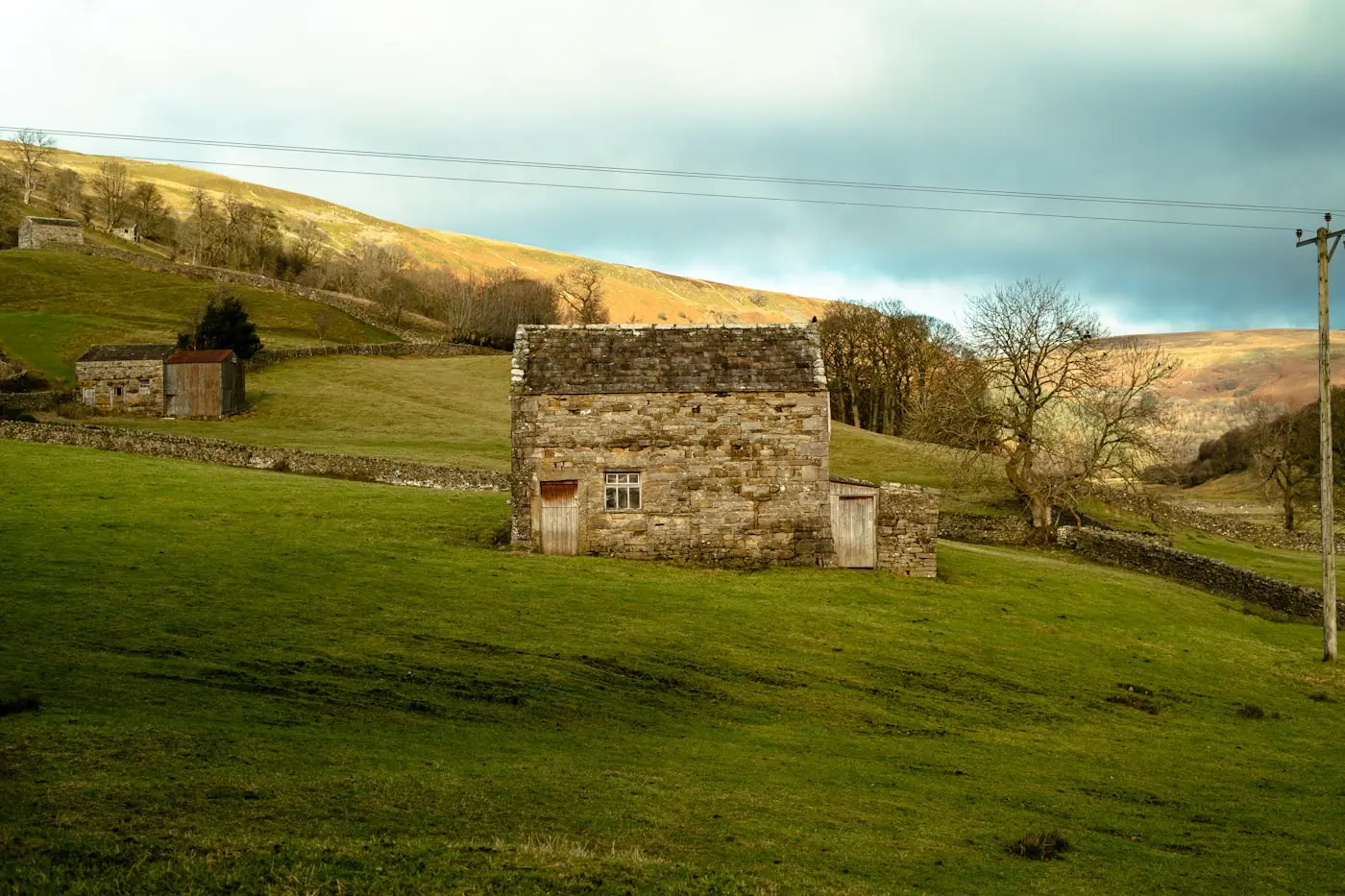
Yorkshire winters are real. Unlike the relatively mild winters of southern England, a Yorkshire garden in January or February can see sustained frosts below -5°C, snow on higher ground for days at a time, and the kind of cold wet conditions that genuinely test whether you have chosen the right plants for the right place. But winter in a Yorkshire garden is not just about survival - there are useful things to be done in most winters, and the months from December to February are the right time to do several of the most important annual tasks if you pick the right days to do them.
This guide covers what to do in Yorkshire gardens in January and February, how to protect tender plants from Yorkshire winters, what to avoid doing in frost, and how to use the quieter winter months to plan and prepare for a better growing season ahead.
The quick answer: the key winter jobs in Yorkshire are checking tree stakes (January), ordering seeds (January), pruning wisteria and other summer-flowering woody plants (February), planting bare-root hedging and trees while dormant, and leaving border stems standing for wildlife until late February. Do not walk on frosted grass, do not prune spring-flowering shrubs over winter, and do not apply lawn treatments to dormant, frozen ground.
Yorkshire Winter Realities by Region
Yorkshire covers a wide range of conditions. Understanding where your garden sits on the Yorkshire winter spectrum is useful for knowing how seriously to take protection measures:
The Dales, moors, and elevated West Yorkshire (Haworth, Hebden Bridge, Skipton, Settle): the harshest winter conditions in the county. True hard frosts (below -5°C) several times per winter, sometimes sustained for days. Snowfall significant and can persist. Plants that are borderline hardy in southern England are genuinely tender here. Anything rated as frost-tolerant rather than fully hardy needs protection.
West and South Yorkshire urban and suburban areas (Leeds, Bradford, Sheffield, Huddersfield, Wakefield): urban heat island effect takes the edge off the worst frosts compared to surrounding rural areas. Still gets cold winters, but sustained hard frosts are less common and snow melts faster in the city. The challenge is the wet cold rather than the dry cold: waterlogged clay in a Yorkshire winter is harder on plants than a dry frost.
York, the Vale, and most of East Riding: the most frost-prone part of the county in terms of frequency (flat, open vale = cold air pooling and radiation frosts on clear nights) but milder in terms of extreme temperatures. Frosts occur regularly but rarely sustained below -8°C. The main risk is late frosts in April-May that damage tender new growth after an apparently warm early spring.
Coastal areas (Scarborough, Whitby, Bridlington): the mildest winters in Yorkshire. The sea moderates temperatures substantially - the Gulf Stream's influence is felt clearly on the Yorkshire coast. Hard frosts are less frequent, snow is less common, and a wider range of borderline-tender plants is sustainable outdoors. Gunnera, Agapanthus, and even Dicksonia (tree ferns) are grown successfully in sheltered Scarborough and Whitby gardens that would be risky in the Dales.
January Jobs in a Yorkshire Garden
Check tree stakes and ties
January gales are a significant risk in Yorkshire. Wind rock on a newly or recently planted tree - where the gale rocks the tree back and forth in the soil - breaks the new feeder roots that are beginning to establish, significantly setting back establishment. Check all staked trees after any significant winter storm: the stake itself should still be firm, the tie should hold the tree securely but not so tightly it is cutting into the bark, and the tree should not have moved substantially within the stake system.
A stake that has been loosened or knocked at an angle by gales should be restaked immediately rather than waiting for spring. Loosened ties that have slipped down the stem and are no longer supporting the union should be repositioned. This is a five-minute job per tree that makes a meaningful difference to establishment success.
Order seeds and seed potatoes now
The best varieties of vegetable seeds - particularly popular tomatoes, chillies, and heritage potato varieties - sell out from January onwards. If you want specific varieties rather than whatever is left in March, January is the time to order. This applies particularly to seed potatoes: First Early varieties like Rocket and International Kidney, Main Crop varieties like Desiree and King Edward, all sell out from the major suppliers by February in most years.
For gardeners with a greenhouse or heated propagating space, January sowing is viable for slow-growing species: onions, leeks, chillies, and some early-season bedding. Without heat, the sowing season starts later - late February for most things, March for most outdoor-sown crops.
Service garden machinery
January is the ideal time to get mowers, strimmers, and hedge trimmers serviced. The service centres are much quieter in January than in March and April, when everyone is suddenly realising their mower will not start for the new season. A petrol mower left with stale fuel over winter typically needs a carburettor clean at minimum - book it in now and it will be ready for the first March mow. Battery mowers should have their batteries stored at 40-60% charge in a frost-free location through winter.
Check tender plants under fleece
If you have wrapped tender plants in fleece for winter, check them in January. Fleece works by trapping a thin layer of warmer air around the plant - but if the fleece is wrapped too tightly, or has become sodden with rain and is sitting against the plant stem, it can encourage the stem rotting that is as damaging as frost in Yorkshire's wet winters. Check that there is air circulation under the fleece and that the wrapping is not trapping moisture against the stems. If the fleece is wet through and collapsed onto the plant, replace it or prop it away from the stems.
February Jobs in a Yorkshire Garden
Prune wisteria (February)
Wisteria needs two pruning sessions per year and February is the second (and most important) one. In July, you cut back the long whippy side-shoots to five or six leaves. In February, those same shoots are cut back again - this time to just two or three buds from the main woody framework. This shorter, second pruning exposes and encourages the fat, rounded flower buds that produce the May flowers. Without the February pruning, wisteria grows well but flowers poorly.
In Yorkshire, February is usually the most reliable month for this pruning. The worst of the hard frosts have typically passed, the plant is fully dormant, and you can see the framework clearly before leaf growth begins. Do not prune in January in an exposed Yorkshire garden if hard frosts are forecast - the cut surfaces are more vulnerable to frost damage immediately after pruning.
Last chance for structural hedge work (before nesting season)
February is the last reliable month for major hedge cutting before the nesting season makes significant hedge work inadvisable. As covered in detail in the hedge trimming costs guide, birds begin nesting from March (earlier in mild years). For any significant hedge reduction, renovation cut, or removal that has been planned for the winter, February is the last window before the September-February nesting-safe period closes.
The hedge trimming service page covers winter hedge work pricing and availability across Yorkshire.
Plant bare-root hedging and trees
February is an excellent month for planting bare-root hedging and trees, though November and December are slightly better if the ground is workable. Bare-root plants (sold dormant without soil, typically by mail order from specialist nurseries) establish better than pot-grown equivalents planted in spring because:
- The roots grow into surrounding soil over winter without the stress of supporting active top growth
- Soil moisture in Yorkshire's winter is high, reducing establishment watering requirements
- The plants break dormancy already in their permanent position, reducing transplant shock
- They are significantly cheaper than pot-grown plants of the same size
If bare-root plants arrive when the ground is frozen or deeply waterlogged, temporarily heel them into a sheltered bed or store in a cool frost-free garage, roots kept moist, until conditions allow proper planting. Do not leave them in the original packaging for more than a few days.
For hedging installation at scale, the hedging and trimming service covers both new hedge planting and established hedge maintenance.
Force rhubarb for early spears (February)
This is one of the most rewarding winter garden tasks in Yorkshire. Forcing rhubarb - covering an established crowns with a forcing pot, large bucket, or upturned dustbin to exclude light - produces pale pink, sweet, tender spears four to six weeks earlier than forced plants produce naturally. In Yorkshire, forced rhubarb can be ready in late February or March, providing fresh garden produce at a time when almost nothing else is available. Do not force the same crown two years running - let it rest and recover in unforced years.
Protecting Tender Plants Through a Yorkshire Winter
The range of plants that are borderline hardy in Yorkshire is larger than in southern England. Some plants that gardening books describe as "generally hardy in the UK" are at risk in a hard Yorkshire winter, particularly on high ground or in frost pockets.
Agapanthus
Agapanthus (African lily) is reliably hardy in sheltered, south-facing Yorkshire gardens at lower elevations. In North Yorkshire, the Dales, and exposed West Yorkshire gardens, they need winter protection: a thick mulch (10-15cm) of bark or straw over the crown, or lifting and storing in a frost-free location for the winter. The evergreen varieties are less hardy than the deciduous ones. If in doubt, mulch and hope.
Gunnera manicata (giant rhubarb)
Gunnera is grown in many Yorkshire gardens near water features and in damp areas where its enormous tropical leaves are a dramatic feature. The trick to protecting it in Yorkshire winters is to use its own leaves: cut the dead leaves off in November, fold them over the crown, and pile them on top as an insulating layer. The old leaves protect the crown from frost far better than any artificial mulching material. Remove in March when new growth begins to push through.
Musa (banana plants)
Hardy bananas (Musa basjoo) are more common in West Yorkshire gardens than you might expect - sheltered city gardens in Leeds, Sheffield, and Bradford can sustain them outdoors with protection. The technique is to cut the top growth down to the main stem in November, wrap the remaining stem tightly in layers of horticultural fleece or hessian, stuff the wrapping with dry straw, and tie securely. Remove the wrapping in April when frosts are passing. The underground rhizome survives even if the above-ground portion is killed by hard frost, and new growth emerges from the base the following spring.
Phormium (New Zealand flax)
Phormium is reliably hardy in most Yorkshire gardens but may suffer in exposed, upland positions in the Dales or high West Yorkshire. The variegated or coloured-leaf varieties tend to be slightly less hardy than the plain green species. If temperatures below -10°C are sustained, even established Phormium can be killed. A loose wrap of horticultural fleece and a mulch at the base provides adequate protection in all but the most exposed Yorkshire positions.
What NOT to Do in a Yorkshire Winter
Do not walk on frosted grass
This is one of the most reliably damaging things you can do to a Yorkshire lawn in winter. When grass is frosted, the water in the individual leaf cells has expanded into ice crystals. Walking on the frost-covered grass breaks these cells - the damage appears as brown footprint-shaped patches a day or two later and can take weeks to recover in Yorkshire's slow winter-growth conditions. Even a single walk across a frosted lawn on a crisp January morning leaves marks that last until spring.
The rule is simple: if the grass is frosted or crunches underfoot, do not walk on it. Wait until the afternoon frost has lifted, or go around the edge of the garden.
Do not prune spring-flowering shrubs in winter
Forsythia, Philadelphus (mock orange), Weigela, Ribes sanguineum (flowering currant), Deutzia, and most other spring and early-summer flowering shrubs form their flower buds over summer and autumn. Pruning them in winter removes those buds and eliminates or severely reduces the spring display. The correct time to prune these plants is immediately after flowering in spring or early summer.
This is a common mistake: seeing a Forsythia getting large in winter and cutting it back hard in February, then wondering why it does not flower that spring. The flower buds were on the stems that were cut off. Prune spring-flowering shrubs after flowering, not before.
Do not apply lawn treatments to winter lawns
No fertiliser, no weed killer, no lawn treatments on dormant or frozen grass. The grass is not growing, so it cannot absorb or metabolise any treatment products. Liquid treatments wash off and are wasted. Granular fertilisers can scorch the grass if they sit on wet grass blades in cold weather rather than dissolving promptly into the soil. Wait until the lawn is growing (April at the earliest in most Yorkshire gardens) before any treatment. See the lawn treatment service page for the right timing and products for Yorkshire conditions.
Do not tidy border stems too early
The instinct to neaten up the garden in a mild January spell - cutting back all the dead herbaceous stems - should be resisted. Hollow stems and the bark and debris at the base of perennials are overwintering habitat for a wide range of insects: ladybirds, lacewings, hoverflies, solitary bees, and many others. These insects are the predators that control aphids and other pests in summer - encouraging them to overwinter successfully in your garden is directly beneficial to your summer garden.
Leave border stems standing until late February or early March, when you can see new growth beginning to push at the base of each plant. Cutting back at that point allows the overwintering insects to have left naturally as temperatures rise, and the new growth provides a clear guide to what is surviving and where.
When Gardeners Come Out in Winter
Winter is not a dead season for professional gardeners. There are specific tasks best done in winter that keep experienced gardeners busy from November through to February:
Tree surgery: winter is often the preferred time for tree surgery on deciduous trees. With leaves down, the structure of the tree is clear, the ground is (usually) firm enough to work without excessive damage, and the trees are dormant so cuts heal cleanly when growth resumes in spring. See the tree surgery service page for winter bookings.
Hedge cutting: September to February is the nesting-season-safe window for significant hedge work. Winter hedge cutting is normal and appropriate, and gardeners are often more available in the quiet season. The dormant-season pruning of formal hedges gives a clean result that holds through early spring without requiring further work until summer.
Winter pruning of roses and fruit trees: roses are pruned in March in Yorkshire (slightly later than southern England guidance suggests, to avoid new growth being caught by late Yorkshire frosts). Fruit trees are best winter-pruned in January and February when fully dormant - this promotes fruit-bearing spur development and keeps trees to a manageable size.
Renovation and replanting projects: the garden maintenance team can undertake renovation clearances, replanting projects, and structural work through winter (on dry, non-frozen days). Winter is often the best time for major garden work that would disrupt the garden in the growing season.
Planning for Spring in Winter
The best use of Yorkshire garden winters is planning. The structural elements of the garden are visible when leaves are off. You can see exactly where the light falls, where the frost pockets are (low points, north-facing areas, anywhere that stays white with frost longest in the morning), and which areas are waterlogged versus well-drained. This information is invaluable for planning where to site new planting, where to put raised beds, and where paving or drainage work is needed.
Winter is also the time to order seeds and plants for spring delivery, research suppliers, and plan any structural projects so that quotes can be obtained and work booked before the spring rush. The best local gardeners and landscapers in Yorkshire are often fully booked from April onwards with very little notice availability. Making contact and booking winter and early spring slots in January and February gets you ahead of the queue.
Use the quieter winter months to plan rather than simply waiting for spring. The garden that looks best by June is usually the one where the most careful winter planning was done the previous January.
Need garden work done this winter in Yorkshire?
60-second assessment. If a local gardener takes your enquiry, they call you with a price.
Start the assessmentFrequently Asked Questions
How cold does it get in Yorkshire in winter?
The Dales and elevated West Yorkshire regularly see below -5°C and occasionally below -10°C in hard winters. York and the Vale are moderate - frequent frosts but rarely sustained extremes. Coastal areas (Scarborough, Whitby) are the mildest part of the county, with fewer hard frosts and less snow. Treat any plant rated as borderline hardy as genuinely tender in upland and exposed Yorkshire positions.
When should I prune wisteria in Yorkshire?
Twice: once in July-August (shorten side-shoots to 5-6 leaves) and once in February (cut those same shoots back to 2-3 buds). The February pruning is the key one for promoting flowering. In Yorkshire, February is usually the most reliable month for this pruning - after the worst frosts but before early spring growth begins.
Can I plant bare-root trees and shrubs in winter in Yorkshire?
Yes - winter is actually the best time. Bare-root plants establish better than pot-grown equivalents because their roots grow into the surrounding soil over winter without the stress of supporting top growth. They are also significantly cheaper. Plant as soon as they arrive if the ground is not frozen or deeply waterlogged. If conditions prevent immediate planting, heel them into a sheltered spot or store in a cool garage with roots kept moist.
Should I cut back border plants in autumn or leave them for winter?
Leave them. Hollow stems and base debris are overwintering habitat for ladybirds, lacewings, hoverflies, and solitary bees - all valuable garden predators. Cut back in late February or early March when you can see new growth beginning to push at the base of each plant. This is better for wildlife and better for the plants.
How do I protect tender plants through a Yorkshire winter?
Wrap loosely in horticultural fleece leaving the bottom open for air circulation. Mulch the base with 10-15cm of bark or straw to protect roots even if top growth is damaged. Move tender pots to an unheated greenhouse, porch, or garage. Gunnera folds its own old leaves over its crown. Banana plants wrap in fleece and straw around the stem. In exposed Yorkshire positions, treat any borderline-hardy plant as fully tender and protect accordingly.