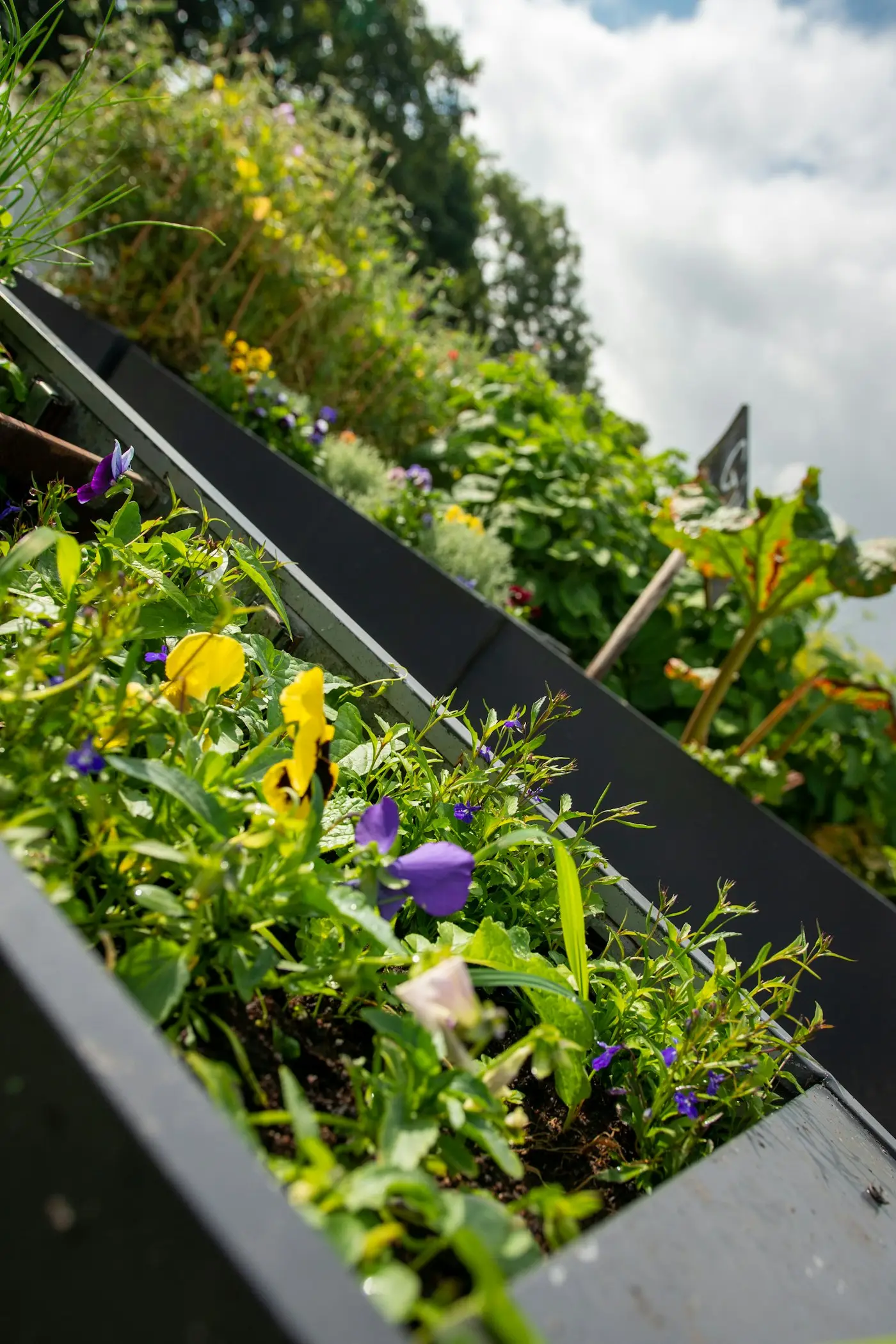
Quick answer: Yorkshire suits brassicas, root vegetables, soft fruit, and salads very well. It does not suit tomatoes, peppers, aubergines, or anything that needs heat reliably outdoors. The key constraint is frost: average last frost in the Vale of York is around 15 to 20 May; in the Dales it can be late May or early June. Never plant tender crops outdoors before your local last frost date. Raised beds solve the clay problem but are not essential for everything.
Yorkshire's Three Growing Zones: What They Mean for Your Veg Garden
Yorkshire is not one climate; it is three distinct ones sitting inside the county boundary, and they matter enormously for what you can grow successfully. Most of the national vegetable growing guides that reach you online or through seed catalogues are written for the south or Midlands. The dates they give for sowing and planting outdoors are often 4 to 6 weeks too early for large parts of Yorkshire. Understanding which zone you are in is the single most useful thing you can do before planning a veg garden.
Zone 1: The Coastal East (East Riding, Scarborough, Whitby area)
The East Yorkshire coast and the Holderness plain experience a modified maritime climate: milder winters than the Pennine west, but cooler and windier summers. The sea keeps winters from getting as cold as inland, which means frost risk is lower from Bridlington north and from Hull across the Holderness plain. However, the persistent easterly winds off the North Sea in spring and early summer are a genuine problem for exposed veg gardens. Brassicas handle wind well; salads and beans are more sensitive. Coastal salt in the air in exposed positions does gradually accumulate on leaves. The growing season here is longer than the Dales but summers are cooler and cloudier than inland South Yorkshire.
Zone 2: The Pennine West (Calderdale, Kirklees, upper Aire and Wharfe valleys)
West Yorkshire's Pennine fringe is the most challenging of the three zones for food growing. The combination of high rainfall, acid soil (particularly on the Millstone Grit geology around Holmfirth, Hebden Bridge, and Keighley), and late frosts makes the effective growing season genuinely short. Hardiness matters more here than anywhere else in Yorkshire. The crops that thrive in this zone - kale, chard, leeks, purple sprouting broccoli - are the ones that shrug off cold and wet. The soil is often naturally low in pH, which can cause yellowing in some crops; liming before planting brassicas is good practice in this zone.
Zone 3: The Vale of York (York, Harrogate, Selby, Thirsk, Northallerton)
The Vale of York is classic frost-pocket territory. Cold air drains off the Howardian Hills and the edge of the North York Moors into the flat vale, and on still, clear nights in spring it pools in low spots. The Minster moorland areas around York and the flat ground south towards Selby can see late frosts into mid-May in a cold spring. The soil across much of the Vale is heavy clay - around York, Wetherby, Tadcaster, and Selby in particular. That clay holds moisture well in summer but can be waterlogged from November through to April, making it physically impossible to work safely. Raised beds are at their most valuable in this zone: they let you start earlier, drain faster, and avoid the compaction that ruins clay structure when you try to dig it wet.
Yorkshire note: Frost hollow or not matters significantly. If your garden sits in a valley bottom or at the bottom of a slope, cold air drains into it on still nights and your last frost date could be 2 to 3 weeks later than the general area average. A simple minimum thermometer, left outside for a few weeks in April, will tell you more about your specific microclimate than any regional averages can.
What Grows Well in Yorkshire: The Honest List
Brassicas: Yorkshire's Natural Suit
The cool, wet Yorkshire climate that many food growers find frustrating is precisely what the cabbage family needs. Brassicas - cabbage, kale, purple sprouting broccoli, Brussels sprouts, kohlrabi, turnip, and swede - are adapted to cool, maritime growing conditions. They do not need heat; they need moisture and a relatively cool summer temperature. Yorkshire delivers both reliably. Anyone who has grown purple sprouting broccoli in a Vale of York garden and harvested it in February and March, when absolutely nothing else in the plot is producing, will understand why brassicas deserve more space in Yorkshire veg gardens than they typically get.
Kale in particular is close to unstoppable in Yorkshire. Varieties like Cavolo Nero, Redbor, and the old-fashioned Scots kale will stand through a Yorkshire winter without protection, can be picked as needed from November through to March, and re-sprout reliably after cutting. It is not glamorous, but it is genuinely productive when almost nothing else is.
The catch with brassicas is club root - a soil-borne disease that distorts roots, stunts growth, and persists in the soil for 20 years or more. Yorkshire's wet, slightly acid soils are prone to it. The management strategy is: rotate brassicas to a different bed every year (ideally a 4-year rotation), lime the bed before planting to raise pH above 7.2 which inhibits the pathogen, and never compost diseased brassica roots. Raised beds with imported soil reduce the risk significantly.
Root Vegetables: Possible, With Preparation
Root vegetables are Yorkshire's awkward category. The issue is not the climate - carrots, parsnips, and beetroot are perfectly happy in Yorkshire's temperatures. The issue is the soil. Heavy clay soil is the enemy of straight, well-shaped root vegetables: carrots fork, parsnips split, and potatoes can be hard to lift cleanly from compacted ground.
Beetroot is the easiest root crop in Yorkshire clay. It is relatively tolerant of heavier soil, produces well in the county's cool summers, and stores well. It is a reliable first root crop for anyone new to veg growing in Yorkshire.
Carrots need lighter soil or raised beds with gritty compost. The advice to fork in lots of organic matter before sowing carrots sounds sensible but actually makes things worse - fresh organic matter in the soil causes forking and hairy roots. The best approach for Yorkshire clay is raised beds filled with a specific carrot mix: topsoil, fine grit, and well-rotted compost in roughly equal thirds. Sow direct, thin to 5 to 8 centimetres as they develop, and you will get decent carrots. Parsnips are similar but even more tolerant of clay than carrots; sow them in a single-dug bed with grit added and they usually manage better than carrots in the same soil. See our guide on growing in Yorkshire clay soil for the full soil preparation approach.
Potatoes do extremely well in Yorkshire. The county has a tradition of commercial potato growing across the Vale of York and East Riding, and garden potatoes benefit from the same conditions. The cool, wet climate reduces blight pressure compared to warmer, drier areas, though late blight remains a risk in August in wet years. Salad varieties like Charlotte, Nicola, and Jazzy are less blight-susceptible than maincrop varieties and produce well.
Salads and Leaves: Excellent for Beginners
Salad leaves are among the most rewarding crops for Yorkshire gardens because they actually prefer the cooler temperatures that make other crops difficult. Lettuce and salad mixes that bolt and turn bitter in a hot summer perform beautifully in Yorkshire's more moderate summers. Cut-and-come-again varieties - mixed salad leaves, spinach, rocket, land cress, corn salad - will produce from spring through to early winter if you make successive sowings every 3 to 4 weeks. They can be grown in containers, window boxes, or a small raised bed, making them practical for even the smallest Yorkshire garden. For a full guide to growing in pots and containers across Yorkshire's varied conditions, see the container gardening Yorkshire guide.
Rocket bolts quickly in heat but is slow to bolt in Yorkshire's cooler summers, which means it stays in the garden producing usable leaves much longer than it would in a southern English garden. Spinach is similar - it is notoriously quick to bolt in heat and performs considerably better in Yorkshire than gardeners often expect.
Legumes: Reliable Yorkshire Producers
Peas and beans do very well across most of Yorkshire. Broad beans are one of the most reliably productive crops in the county: sow them in October for early crops the following spring, or sow in February under cover for outdoor planting in April. They are genuinely frost-hardy once established, which makes them unusual among food crops in that they can go out into the garden well before the last frost date.
Runner beans are productive and popular in Yorkshire and the cool summer temperatures suit them - they struggle to set pods in very hot weather, which Yorkshire rarely produces. French beans are slightly less reliable in exposed or upland positions but are worth trying in most gardens. Peas do well but need protection from pigeons, which are a significant problem in many Yorkshire areas; a simple net is essential.
Courgettes: One Plant Is Usually Enough
Courgettes produce abundantly in Yorkshire if they have a warm, sheltered spot - ideally south-facing and against a wall that absorbs heat. They need to be planted out after the last frost (no earlier than late May in most of the county), but from that point they grow fast and produce heavily. One or two plants is enough for most families; a 3-bed semi garden with two courgette plants will be giving courgettes away by August. They do need watering in dry spells, though Yorkshire rarely creates drought problems for them. For larger kitchen gardens or raised bed setups, a simple irrigation system can automate the watering entirely; see the garden irrigation Yorkshire guide for options and costs.
Soft Fruit: Where Yorkshire Really Excels
Soft fruit is arguably where Yorkshire gardens have the clearest advantage over southern English gardens. Raspberries, gooseberries, currants (red, white, and black), and strawberries all prefer the cooler summer temperatures and higher rainfall that Yorkshire provides. The berries are larger, the plants produce for longer, and the flavour is generally better than the same varieties grown in a hotter, drier climate.
Gooseberries are particularly well suited: the cool, damp conditions that cause mildew problems in warmer climates are less severe in Yorkshire, and gooseberries tolerate partial shade better than most fruit, which makes them practical in the many Yorkshire gardens with significant tree cover. Blackcurrants are among the easiest soft fruits to grow - they are genuinely hard to kill in Yorkshire conditions, tolerate heavy soil reasonably well, and produce very heavily once established.
Strawberries do well in Yorkshire but require a sunny position and good drainage - raised beds are ideal. The main pests are slugs (very much a Yorkshire problem given the wet climate) and birds. Net strawberries as soon as fruits start to colour and check for and remove slugs regularly.
Jerusalem Artichokes: Essentially Unkillable
Jerusalem artichokes - tall perennial plants producing knobbly tubers - will grow in almost any Yorkshire soil without any special preparation. They tolerate clay, shade, and neglect. The limitation is containment: they spread aggressively and are very difficult to remove once established. Plant them in a dedicated corner where you do not mind them remaining, or in a large container sunk into the ground as a root barrier. They grow to 2 to 3 metres tall and provide useful screening through summer. Harvest the tubers from October through to March - they store better left in the ground than lifted and stored.
What Does Not Work Outdoors in Most of Yorkshire
Honesty about what does not work outdoors saves a lot of frustration. Tomatoes are the main one. The outdoor tomato season in most of Yorkshire is simply not long enough to ripen a full crop reliably. In a warm year in a sheltered South Yorkshire garden, cherry tomatoes can produce well outdoors. In a cool year - which Yorkshire delivers more often than not - outdoor tomatoes will be green in September when the frosts arrive. The solution is a greenhouse, poly tunnel, or at minimum a cold frame that gives you 4 to 6 more weeks of season at each end. Aubergines and peppers face the same problem more acutely. Sweet corn needs a warm summer to ripen and is marginal across most of the county except in the warmest sites in South and West Yorkshire.
Melons are a non-starter outdoors anywhere in Yorkshire. Cucumbers need a greenhouse or very warm, sheltered position even in the best Yorkshire summers. Anything described in seed catalogues as "needing a warm, sunny site" should be treated as "needs a greenhouse in Yorkshire."
Yorkshire Frost Dates: The Calendar That Matters
The most important number for any Yorkshire veg grower is your local last frost date. Planting tender crops before this date is the single most common reason for disappointment in Yorkshire food gardens. Here are the average last frost dates for different parts of the county based on Met Office historical data:
| Area | Average last frost | Safe planting from |
|---|---|---|
| South Yorkshire lowlands (Sheffield, Doncaster, Barnsley, Rotherham) | Late April to early May | Early to mid-May |
| West Yorkshire lowlands (Leeds, Wakefield, Bradford) | Late April to mid-May | Mid to late May |
| Vale of York (York, Harrogate, Northallerton, Selby) | 15 to 20 May | Late May |
| East Riding coast (Bridlington, Scarborough, Hull area) | Early to mid-May | Mid to late May |
| Yorkshire Dales and uplands (Skipton, Settle, Hawes, Leyburn) | Late May to early June | Early June for tender crops |
| Pennine uplands, West Yorkshire (Holmfirth, Hebden Bridge, Keighley) | Mid to late May | Late May to early June |
These are averages. Frost pockets can experience frosts 2 to 3 weeks later than the general area average. If you have had frost damage to tender plants after what most local gardeners consider the safe planting date, you are probably in a frost pocket and should adjust your own dates accordingly.
Raised Beds vs In-Ground: The Yorkshire Case
Raised beds are not a gardening fashion. For Yorkshire conditions, they address a genuine practical problem. The case for raised beds is strongest when you have any of these: heavy clay soil that waterlogged last winter; soil that was previously used for hard standing, heavy machinery, or construction (compacted); or a garden with pH outside the range vegetables prefer (common in Pennine West Yorkshire where the underlying Millstone Grit produces naturally acid soil).
In a raised bed, you control the growing medium from day one. You fill it with a mix of good quality topsoil, compost, and any amendments specific to the crops you are growing (extra grit for root veg, additional lime for brassicas). You are not fighting years of compaction, a pH that suits moorland plants, or drainage so poor that the soil stays cold and waterlogged into May. You can also get into the garden and work the beds earlier in the year because raised beds drain and warm up faster than in-ground beds.
The case for in-ground is simpler: it costs less upfront and works fine if your soil is workable. Gardens with loamy or sandy soil, or clay that has been well managed with compost additions over many years, do not need raised beds to produce good vegetables. Root vegetables actually prefer in-ground growing once the soil is properly prepared - the bed depth of a raised bed is limiting for long parsnip varieties. For beans, peas, brassicas, salads, and courgettes, in-ground growing is perfectly practical in good Yorkshire soil. See our guide to raised bed veg gardens in Yorkshire for the full build and fill breakdown, or our raised beds service for professional installation.
Soil Preparation: The Year One Priority
The single most important thing you can do in year one of a new veg garden is to improve the soil rather than push for a big harvest. A year spent adding organic matter - digging in well-rotted compost or farmyard manure (widely available and often free from farms across rural Yorkshire), growing green manures that can be dug in, and covering beds with mulch through winter to protect soil structure - pays back for years afterwards in easier digging, better drainage, and more productive crops.
Yorkshire gardeners have easy access to one of the best soil amendments available: farmyard manure from local farms. In the Dales, the Vales, and across rural North and East Yorkshire, it is often possible to collect well-rotted manure free or at very low cost from farms with horses or cattle. Well-rotted means it smells earthy rather than strongly of ammonia and you cannot identify the original material clearly. Fresh manure applied directly can scorch plant roots and introduces weed seeds; well-rotted is safe to dig in and apply immediately. Composting it for another 6 to 12 months before use makes it even better. See our composting guide at garden composting in Yorkshire for how to set up a working compost system. For the broader picture on improving Yorkshire's varied soil types, the soil improvement Yorkshire guide covers the full range of approaches.
Getting Professional Help With Your Veg Garden
Hiring a gardener to set up a veg garden is more specific than hiring one for ornamental beds. The skills are different: food growing requires understanding of crop rotation, soil nutrition, pest identification in edible crops, and harvest timing that is genuinely different from ornamental horticulture. Before hiring, it is worth asking specifically whether the gardener has experience with food growing rather than just ornamental gardens - a lot of very competent ornamental gardeners have little practical vegetable growing experience.
For initial planting and establishment work, the costs depend heavily on what you are starting with. A gardener to help prepare an existing bed, fill it with appropriate soil mix, and plant an initial season's crops might cost £150 to £300 depending on the size of the area and what needs doing. A full raised bed installation - bed construction, footings, fill, and planting - is a bigger project. A single 1.2m by 2.4m raised bed in treated timber, installed with topsoil and compost fill, typically costs £300 to £500 for labour and materials combined. A 3 to 4 bed veg garden with paths between, a small compost area, and initial planting typically runs to £1,500 to £3,000 depending on materials and scale. Hardwood beds (oak, larch) cost more than treated softwood but last considerably longer - relevant if you are planning a permanent kitchen garden rather than a trial run.
When looking for a gardener for veg garden work, the questions to ask are: have they grown food before, either professionally or in their own garden? Do they understand crop rotation? Will they advise on what to grow in your specific conditions (shaded plot, frost pocket, clay soil) rather than offering a generic planting plan? A good gardener will push back if you ask for tomatoes in a north-facing plot - that is a sign they know what they are talking about, not a sign of awkwardness.
Start your Yorkshire veg garden this season
Tell us what you are working with and we will put you in touch with a local gardener who understands food growing in your area.
Get a free quote →Frequently Asked Questions
What is the easiest vegetable to grow in Yorkshire?
For beginners in Yorkshire, the reliable list is: runner beans (fast, productive, Yorkshire's cool summers suit them), courgettes (one plant per family is usually more than enough), salad leaves (quick turnaround, work in containers, cut-and-come-again varieties keep producing), and beetroot (tolerates heavier soil better than most root veg). Kale is the most reliable brassica for beginners - it handles frost, rain, and even moderate neglect, and produces through winter when nothing else is cropping.
When do I start growing veg in Yorkshire?
The key date is your local last frost. In the Vale of York the average last frost is around 15 to 20 May. In the Yorkshire Dales it can be late May or early June in valley frost pockets. In lower-lying South and West Yorkshire the last frost typically falls in late April to early May. Never plant tender crops outdoors before your local last frost date. Hardy crops like kale, chard, beetroot, and broad beans can go out earlier, but even these should not go into frozen or waterlogged soil.
Do I need a raised bed to grow vegetables in Yorkshire?
No, but raised beds solve the most common Yorkshire problem: heavy clay. In-ground growing works fine for root vegetables if you prepare the soil with grit and organic matter. Brassicas, salads, and legumes grow well in prepared in-ground beds. The case for raised beds is strongest if you have heavy clay that waterlogged badly last winter, poor drainage, or compacted soil. Raised beds filled with good quality topsoil and compost give you control over growing conditions from day one.
How much does it cost to have a veg patch built in Yorkshire?
A single raised bed (1.2m by 2.4m in treated timber) installed with topsoil and compost fill typically costs £300 to £500. A 3 to 4 bed veg garden with paths and initial planting runs to £1,500 to £3,000 depending on scale and materials. Hardwood beds (oak, larch) cost more but last considerably longer. Getting professional help with the soil composition at the filling stage determines how well crops perform for years afterwards.
Can I grow tomatoes in Yorkshire?
Yes, but not reliably outdoors in most of the county. Yorkshire's growing season is too short for outdoor tomatoes to ripen fully in most years. The practical alternative is a greenhouse, poly tunnel, or cold frame, which extends the usable season by 4 to 6 weeks. In a warm, sheltered south-facing position in South Yorkshire, cherry tomatoes can produce outdoors in a good year - but it remains a gamble. The same applies to aubergines, peppers, and cucumbers.
How do I improve clay soil for growing vegetables in Yorkshire?
Two main treatments: dig in or surface-apply substantial quantities of organic matter (well-rotted compost, farmyard manure, or leaf mould), and add horticultural grit to open up the structure. Avoid working clay soil when it is wet - doing so destroys the structure you are trying to build. The no-dig method - adding compost as a thick surface mulch and letting worms work it in - is increasingly popular in Yorkshire veg gardens. For root vegetables, a raised bed with a specific gritty compost mix is more reliable than trying to reform heavy native clay.