Composting in Yorkshire: What Works, What Doesn't, and When to Use Council Collections Instead
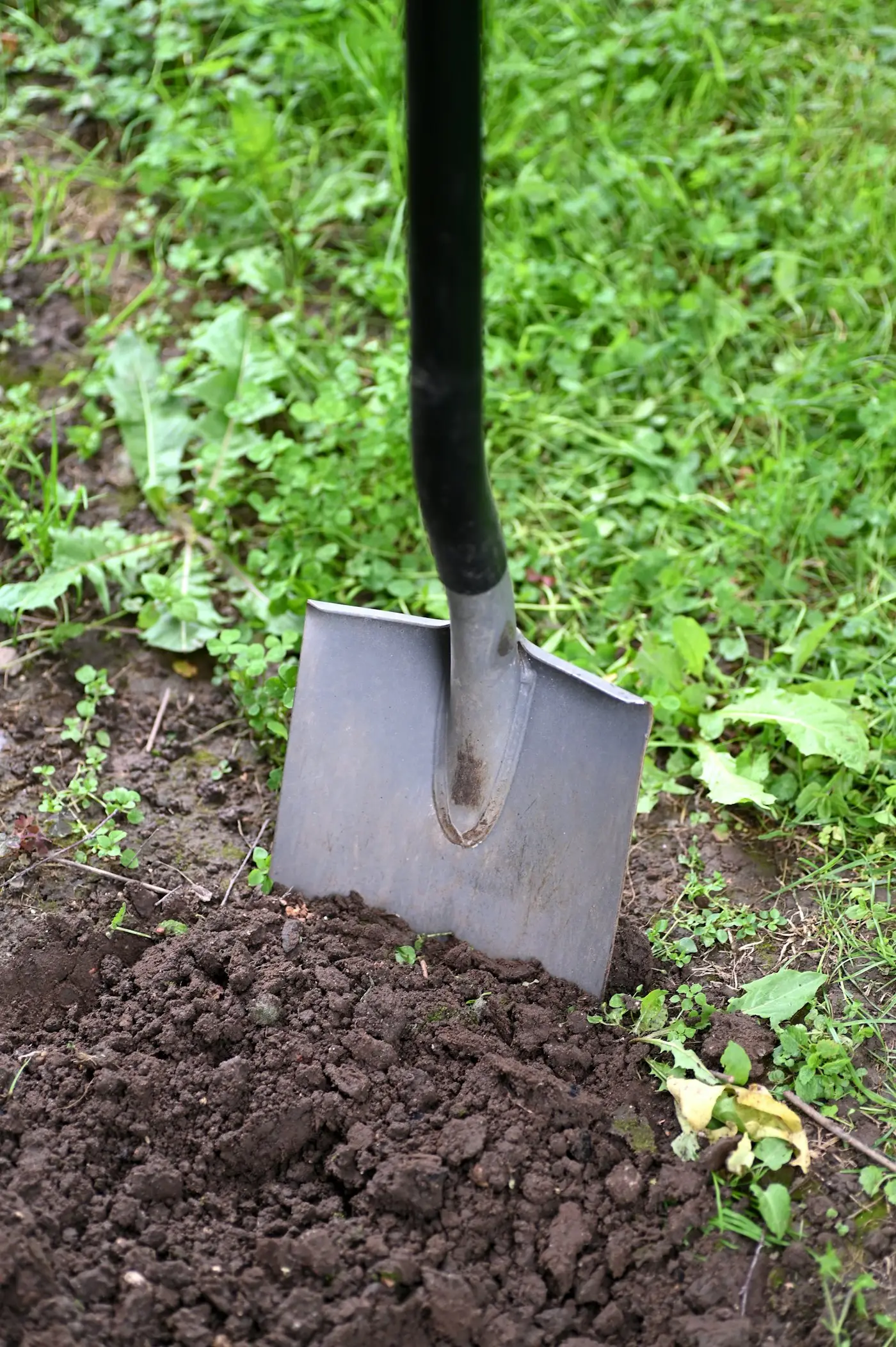
Composting in Yorkshire is more challenging than the gardening books make it sound. Most composting advice is written for conditions that do not match what we have here: wet, cool weather for much of the year, grass clippings that are always slightly damp, Pennine rain that keeps the heap wetter than it should be, and cool autumn and winter temperatures that slow decomposition to a crawl. The result is that most Yorkshire compost heaps produce a slow, wet, slightly smelly mass that is barely recognisable as the crumbly, sweet-smelling finished compost gardening guides describe.
This is fixable. The principles of good composting are the same everywhere - the right balance of materials, adequate moisture but not waterlogged, and enough air to keep the process aerobic. In Yorkshire, achieving that balance just requires a bit more active management than it does in dryer parts of the country.
The quick answer: the key to Yorkshire composting is managing the excess moisture. Balance wet green material (grass clippings, kitchen scraps) with dry brown material (cardboard, paper, straw). Keep the heap covered in wet weather. Turn it regularly. For large volumes or large one-off clearances, council green waste or licensed gardener removal is more practical than home composting.
Why Yorkshire Composting is Different
The Pennine weather system that affects most of West Yorkshire and parts of North and South Yorkshire delivers higher-than-average rainfall, cooler summer temperatures, and fewer dry periods than the national average. The upland weather belt through Bradford, Halifax, Huddersfield, and the Calder Valley gets particularly heavy rainfall. Even in York, the Vale, and the East Riding - generally the driest part of Yorkshire - annual rainfall is enough to keep most compost heaps wetter than ideal without management.
The practical consequences for composting:
- Grass clippings (the most abundant composting material in most gardens) are almost always wet in Yorkshire's climate, even in summer, because morning dew and frequent light rain keep them damp
- Cold composting slows significantly in October-March when soil and air temperatures are low - decomposition stops being efficient below about 10°C
- Open heaps without covers get waterlogged in wet periods, turning anaerobic (no air, which causes the characteristic slimy, sulphurous smell)
- The long, cool, wet autumns and winters mean leaves take longer than the 12 months suggested in some guides to produce usable leaf mould
Hot Composting: The Solution to Yorkshire's Climate
Cold composting - filling a bin and leaving it to decompose passively - works eventually in any climate, but in Yorkshire it is slow, often wet, and produces variable results. Hot composting is more work but dramatically faster and produces better results in our conditions.
Hot composting works by creating a pile large enough (minimum 1 cubic metre) with the right carbon-to-nitrogen ratio and adequate moisture to generate heat through microbial activity. A properly set-up hot heap reaches 60-70°C in the core, which kills weed seeds, accelerates decomposition, and produces finished compost in 8-12 weeks in the growing season.
The carbon to nitrogen ratio
The target is approximately 25-30 parts carbon to 1 part nitrogen by weight. You do not need to measure this precisely - in practice it means roughly equal volumes of green (nitrogen-rich) and brown (carbon-rich) material by volume, or slightly more brown than green.
Green (nitrogen-rich) materials: fresh grass clippings, vegetable and fruit peelings, tea bags and coffee grounds, fresh plant trimmings, annual weeds before seeding, nettles.
Brown (carbon-rich) materials: cardboard (torn up, not glossy), paper bags and newspaper (torn), dry straw, wood shavings, dry hedge clippings, dry autumn leaves, egg boxes.
In Yorkshire, most people have too much green and not enough brown. The fix is straightforward: save cardboard packaging, tear it up, and add it to the heap regularly. A household that receives online deliveries has no shortage of brown material if they keep the boxes.
Moisture and aeration
The heap should be as damp as a wrung-out sponge: moist throughout but not dripping. In Yorkshire's wet climate, covering the heap with a lid, piece of old carpet, or sheet of cardboard in wet periods prevents excessive waterlogging. In dry summer spells, the heap may need watering.
Turning the heap every two to three weeks introduces air, moves material from the cool outer edges to the hot centre, and is the most impactful single action you can take to improve composting speed and quality. A turning fork is the right tool - a spade works but a fork is easier.
What happens at 60°C
When a properly managed hot heap reaches 60°C in the core, three important things happen: most weed seeds are killed (preventing them from germinating when you use the compost), most plant pathogens are killed (including rose black spot spores), and decomposition is 3-5 times faster than cold composting. This is why hot composting is worth the extra effort in Yorkshire - it turns a 12-month passive process into an 8-12 week active one.
What to Compost and What to Avoid
Compost these
- Vegetable and fruit peelings (coffee grounds are particularly good - slightly acidic, attractive to worms, nitrogen-rich)
- Grass clippings (in thin layers, balanced with brown material)
- Annual weeds that have not set seed yet
- Spent bedding plants and soft prunings
- Tea bags (most are now fully compostable, though check - some contain plastic mesh)
- Cardboard, newspaper, paper bags, egg cartons
- Autumn leaves (but better made into separate leaf mould)
- Old potting compost past its best
Never compost these
- Cooked food, meat, or fish: attracts rats and produces foul-smelling anaerobic decomposition. No cooked food in a garden compost heap.
- Perennial weeds in growth: ground elder, bindweed, couch grass roots survive a cold heap and regrow when you spread the compost. Hot composting at 60°C+ kills them, but unless you are confident your heap consistently reaches that temperature, keep perennial weeds out.
- Weeds in seed: a cold heap will not kill seeds. Hot composting may, but it is not worth the risk on common Yorkshire problem weeds like dock, thistle, and fat hen.
- Diseased plant material: rose black spot-infected leaves, mildewed foliage, clubroot-infected brassica roots can survive in cold heaps and reinfect the garden when compost is applied.
- Cat or dog waste: contains pathogens that persist in compost and pose human health risks.
- Japanese knotweed: classified as controlled waste. Do not compost it. Licensed disposal only.
Yorkshire-Specific Problem: Wet Grass Clippings
This deserves its own section because it is responsible for most failed Yorkshire compost heaps. Fresh grass clippings are approximately 80% water. In Yorkshire's climate, they are usually wetter than that because they have been cut after morning dew, after a recent rain shower, or in conditions where they never fully dried out.
Adding a large barrow-load of fresh grass clippings to a compost heap in one go creates an immediate anaerobic zone. The clippings form a dense, wet layer that excludes air, and within days you have a grey-green, slimy, sulphurous mat that smells of silage and is not decomposing productively.
The Yorkshire grass clipping solution:
- Add clippings in layers no more than 5-8cm deep
- Alternate each grass layer with an equal or greater volume of torn cardboard or dry plant material
- If the clippings are very wet, spread them thinly on a path, patio, or sheet of cardboard in the sun for a few hours before adding to the heap
- In very wet periods (common in Yorkshire September-November), spread clippings directly onto borders as a mulch instead - they decompose in place, adding organic matter directly to the soil
- Alternatively, for large volumes of wet clippings, put them in a council green waste bin rather than composting them
After a professional lawn scarification session, the volume of removed thatch and moss can be very large. This material is not suitable for a home compost heap in most cases - too much volume at once, and the moss is usually mixed with dead material that decomposes slowly. A licensed garden clearance team can take it away as part of the service, or council green waste collection handles it across one or two bins.
Compost Bins for Yorkshire Conditions
The type of bin you use significantly affects your composting success in Yorkshire's climate.
| Bin type | Yorkshire suitability | Speed | Cost |
|---|---|---|---|
| Hotbin (insulated plastic) | Excellent | 30-90 days | £100-180 |
| Open bay system (2-3 bays) | Good with active management | 2-4 months | £50-200 DIY build |
| Dalek-style plastic bin | Fair (slow, often wet) | 6-18 months | £20-50 (often free from councils) |
| Tumbler composter | Good (off ground, easy turning) | 6-12 weeks | £80-200 |
| Wire cage (leaf mould only) | Excellent for leaves | 18-24 months | £5-20 DIY |
The Hotbin is the best single-bin solution for Yorkshire conditions. Its insulated walls maintain the internal temperature even in Yorkshire winters, which means composting continues year-round rather than stopping in October. For a typical suburban garden (50-200m²), a Hotbin handles the ongoing composting load well. For larger gardens or after major garden work, supplement with council collection or a licensed gardener team who will take large volumes away.
Making Leaf Mould: A Yorkshire Autumn Asset
Yorkshire's mature oak, beech, sycamore, and lime trees produce enormous quantities of autumn leaves. The suburbs of Leeds, Bradford, York, Harrogate, and the market towns of North Yorkshire all have extensive tree canopies that shed months' worth of leaves from October to December.
Autumn leaves are different from other garden waste: they are high in carbon but low in nitrogen, which makes them slow to decompose in a standard compost heap. The better approach is to make them separately as leaf mould - a compost made entirely from leaves that takes 18-24 months to produce but creates one of the best soil conditioners available for Yorkshire's heavy clay soils.
How to make leaf mould:
- Collect autumn leaves from the lawn (a rotary mower with a collection box is the most efficient method for large quantities)
- Put them into a wire cage (simply four posts with wire netting around them), a net bag (a mesh potato sack works), or a purpose-made leaf mould cage
- Wet them if they are dry (Yorkshire autumn rain usually handles this)
- Leave for 18-24 months, turning once or twice if convenient
- Use the crumbly brown result as a mulch, soil conditioner, or mixing into potting compost
Leaf mould is not nutrient-rich - it is primarily a soil structure improver. Applied to Yorkshire clay at 5-10cm deep and worked in, it improves drainage, aeration, and ease of cultivation significantly over several seasons. Oak leaves are the best for leaf mould. Beech is good too. Avoid large quantities of conifer needles (pine, yew) - they are acidic and slow to decompose.
Council Green Waste Collections in Yorkshire
Most Yorkshire councils offer a kerbside green waste collection service for a modest annual subscription. Current charges (2026) vary by authority but most fall in the range of £40-60 per year for a brown or green wheelie bin collected fortnightly. Leeds City Council, Bradford Council, Sheffield, Harrogate and North Yorkshire, East Riding, and Calderdale all run subscription services.
Council green waste collection makes sense when you have more waste than your home composting system can handle. After a hedge trim, major lawn care session, or autumn leaf fall, the volume of material can exceed what any domestic compost system manages efficiently. The collection takes it all and returns it as council-produced compost, which many Yorkshire councils offer back to residents.
The home composting argument is straightforward: a £40-60/yr collection fee buys nothing but the collection itself. A home composting system (Hotbin £150, or a free Dalek bin from the council) produces free compost indefinitely. For households that regularly generate kitchen and garden waste, home composting pays for itself in one to two years and then produces a valuable soil amendment at no ongoing cost.
The balanced approach: use home composting for ongoing kitchen scraps and moderate garden waste, and use council collection or a licensed gardener for large one-off volumes after clearances, hedge trimming, and major garden maintenance sessions.
Using Finished Compost in Yorkshire Gardens
Good finished compost is one of the most valuable things you can add to Yorkshire's clay-heavy soils. It improves drainage, adds organic matter, feeds soil microorganisms, and makes soil easier to work. The standard application is 5-10cm of compost dug into a border or spread over the surface as a mulch.
For new borders on clay soil, incorporating two or three buckets of compost per square metre before planting makes a significant difference to plant establishment and long-term performance. For established borders, a 5cm surface mulch of compost each spring feeds the soil without disturbing plant roots and provides the season's best opportunity for border improvements.
For lawns, home-made compost can be used diluted and sieved as a top-dressing on thin patches after lawn aeration. Commercial top-dressing products (finer and more consistent) are better for larger applications, but a layer of sieved home compost worked into aeration holes is a useful and free supplement to the professional treatment.
Need help managing your Yorkshire garden?
60-second assessment. If a local gardener takes your enquiry, they call you with a price.
Start the assessmentFrequently Asked Questions
Why does my compost heap go slimy and smelly in Yorkshire?
Too much moisture, not enough air: anaerobic decomposition caused by too much wet green material (grass clippings) without enough brown (cardboard, straw, dry material). Add torn cardboard in equal volumes to your green material, turn the heap fortnightly, and keep it covered in heavy rain. The smell disappears within a week of correcting the balance.
How long does composting take in Yorkshire?
Cold composting in a standard plastic bin: 6-18 months. Hot composting in an insulated bin or managed bay: 8-12 weeks in the growing season. Year-round composting is achievable with an insulated Hotbin, which maintains temperature even in Yorkshire winters when standard heaps essentially stop working.
Should I use a council green waste bin or home compost in Yorkshire?
Both. Home compost for ongoing kitchen scraps and moderate garden waste - free, produces useful compost. Council collection for large volumes after hedge trimming, clearances, or heavy autumn leaf fall. The subscription fee (£40-60/yr) pays for convenience on the big volumes; it does not replace a home system for day-to-day use.
Can I compost grass clippings in Yorkshire?
Yes, but in thin layers (no more than 5-8cm at a time) alternated with cardboard or dry material. Never add a large batch of wet Yorkshire grass clippings in one go - they go anaerobic within days. If clippings are very wet, dry them briefly on a path before adding, or spread them directly on borders as a surface mulch instead.
What is leaf mould and how do I make it in Yorkshire?
Partially decomposed leaves used as a soil conditioner and mulch. Collect autumn leaves into a wire cage or net bags and leave for 18-24 months. Yorkshire's mature oak and beech trees produce abundant leaf fall - this is one of the easiest and most valuable materials to make from garden produce. Not nutritious like compost, but excellent for improving Yorkshire clay soil structure.