Lawn aeration across Yorkshire
Lawn Aeration in Yorkshire
Yorkshire clay soils compact hard over winter. Aeration breaks that up - hollow tine or solid tine, one-off or as part of a full autumn programme. Local, free enquiries, £60-180 depending on lawn size.
- Free quotes, no obligation
- Local gardeners
- 240+ Yorkshire towns covered
- No call centres
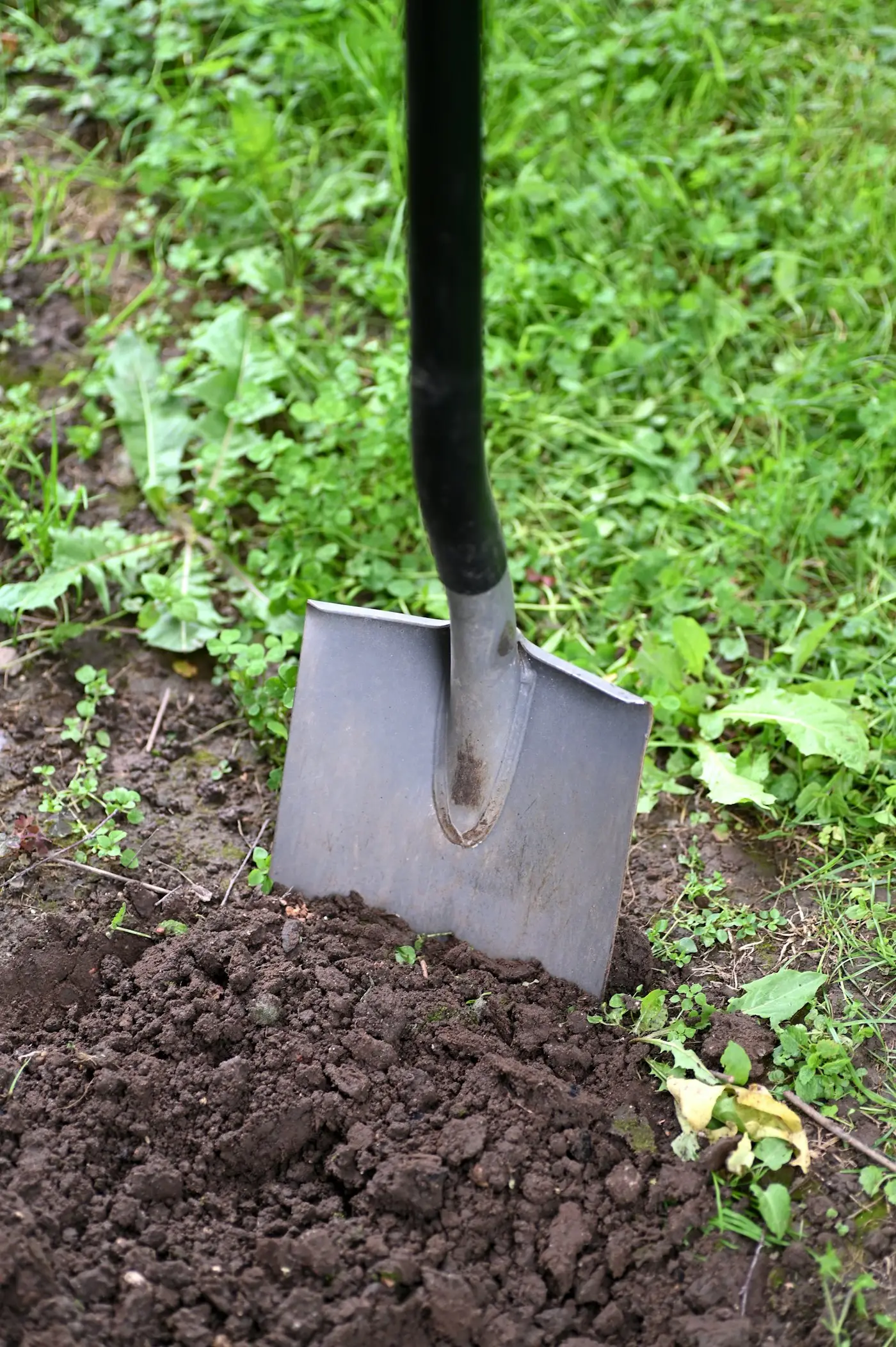
What lawn aeration is and why it matters
Lawn aeration is the process of perforating the soil with small holes to allow air, water and nutrients to penetrate the root zone. Over time - and in Yorkshire this process happens fast - soil compacts under foot traffic, heavy rainfall, and the freeze-thaw cycle through winter. Compacted soil stops roots from going deep, holds water on the surface, and creates exactly the conditions that moss loves.
Yorkshire soils make this worse than average. Heavy clay is widespread across West Yorkshire, the lower Pennine valleys, and the Vale of York. Clay particles pack together tightly when wet and then bake hard in summer dry spells. Limestone and thin soils over rock, common across the Yorkshire Dales and the Wolds, behave differently - they drain fast but also compact in the top few centimetres and leave roots without much to hold onto. Both soil types benefit from regular aeration, but the approach is slightly different.
The result of doing this properly is visible within a season: a lawn that drains after rain instead of sitting waterlogged, greener colour as roots access nutrients more efficiently, and thicker coverage as grass spreads into ground that was too hard to colonise before. Golf courses aerate at least twice a year. Most domestic lawns in Yorkshire could benefit from once a year and seldom get it - which is why the difference is so obvious when it does happen.
Hollow tine versus solid tine aeration
Hollow tine aeration
Hollow tine aeration uses hollow metal tubes to physically extract cores of soil - typically 10-15mm in diameter and 75-100mm deep. The cores come out and sit on the surface of the lawn. This is the more thorough treatment. It physically removes compacted material rather than just pushing it aside, creates clear channels into the root zone, and gives you somewhere to put a topdressing mix that stays in the holes rather than sitting on top. The surface looks messy for a week or two while the cores break down or are raked in, but the result is worth it for lawns in poor condition or on heavy clay.
Solid tine aeration
Solid tine aeration uses solid spikes pushed into the soil without removing material. The soil is pushed aside rather than extracted, which gives less thorough decompaction on truly heavy ground, but it leaves the surface in better shape and the lawn recovers faster. Solid tine is useful for annual maintenance on lawns that are already in reasonable condition, for lawns where the surface needs to stay presentable quickly (before a party, during a letting period), or for a second light aeration in spring after the heavier autumn hollow tine treatment.
Which to use
If your lawn is on heavy clay, has visible compaction (water sits on the surface, the ground feels hard underfoot), or has not been aerated in the last two years: start with hollow tine. If the lawn is in reasonable shape and you are aerating as part of a regular programme to keep it that way: solid tine in spring is a sensible addition between hollow tine autumns.
When to aerate in Yorkshire
Autumn is the right window for most Yorkshire gardens - September through to mid-November. The soil is still warm enough that grass grows through the recovery period, there is usually enough moisture in the ground for the tines to penetrate properly, and autumn aeration pairs well with overseeding because seed falls into the holes with good soil contact and germinates before the ground gets too cold.
In practice, September to October is ideal across most of Yorkshire. Higher ground - the Pennines, the Moors, the Dales - starts to cool faster and the window closes a couple of weeks earlier than in the Vale of York or the East Riding. If you leave it until November, the ground may be too wet and the grass too slow-growing to recover before winter. Spring aeration (March-April) is a reasonable fallback if you missed the autumn window, and a light solid tine pass in spring does no harm as part of a full programme. Avoid aerating in summer drought conditions - hard dry soil compacts further around solid tines and hollow tines struggle to penetrate properly.
What lawn aeration costs in Yorkshire
Prices depend on lawn size. Here is a straightforward guide to what to expect. These are the real Yorkshire figures - not national averages.
| Lawn size | Hollow tine | Solid tine |
|---|---|---|
| Small (under 50m²) | £60–£80 | £45–£65 |
| Medium (50-100m²) | £80–£120 | £60–£90 |
| Large (100-200m²) | £120–£180 | £90–£140 |
| Very large (200m²+) | £180+ | £140+ |
Aeration booked as part of a full autumn lawn renovation - aeration, topdressing, overseeding and feed in one visit - typically costs £150-350 depending on lawn size. See the lawn aeration cost guide for Yorkshire for a full breakdown.
The full guide
What happens after aeration
Topdressing
After hollow tine aeration the cores can be raked across the surface and brushed back into the holes, or removed completely. Either way, a top dressing of sandy loam mix brushed into the holes keeps the channels open and improves drainage long-term. A 25kg bag covers roughly 5m² spread at 3-5mm depth. Most lawn care professionals bring topdressing as part of the job - agree this upfront because it adds to the cost and the time on site.
Overseeding
Immediately after aeration is one of the best times to overseed a lawn. The seed drops into the holes and gets good soil contact without needing to compete with existing grass for germination space. Yorkshire grass seed mixes for clay soils should include fescues and browntop bent, which establish well in heavier ground. If your lawn has bare patches, overseed them now. Watering in for the first two weeks makes a significant difference to germination rates, especially in dry autumns.
Feeding
Apply an autumn lawn feed (low nitrogen, higher phosphate and potassium) within a week of aeration. The nutrients go directly into the root zone through the open channels rather than sitting on a compacted surface. Avoid high-nitrogen spring feeds in autumn - they push soft growth that frost damages. See the lawn care Yorkshire guide for the full seasonal feeding schedule.
Yorkshire soil types and what they mean for aeration
West Yorkshire and the lower Pennine valleys sit predominantly on heavy clay-based soils. Bradford, Leeds, Halifax, Huddersfield and Wakefield all have this in common. These soils compact readily, drain slowly, and produce moss-heavy lawns when not aerated. Hollow tine on these lawns produces the most dramatic visible improvement.
North Yorkshire is more varied. The Vale of York has moderate soils that respond well to either treatment. The Yorkshire Dales have thin limestone soils over rock that drain fast and need different management - compaction in the top layer is still a problem, but waterlogging less so. The North York Moors tend toward acidic peaty soils; aeration here needs pairing with lime application to bring pH to a grass-friendly level. The East Riding has chalk-based soils that are well-draining but can be hard on the surface.
If you are not sure what you are dealing with, the simplest test is to push a screwdriver into the lawn. If it goes in easily to the handle, the soil is not heavily compacted and a solid tine pass is fine. If it resists below 50mm, hollow tine is the right choice.
Can you get golf-course quality results at home?
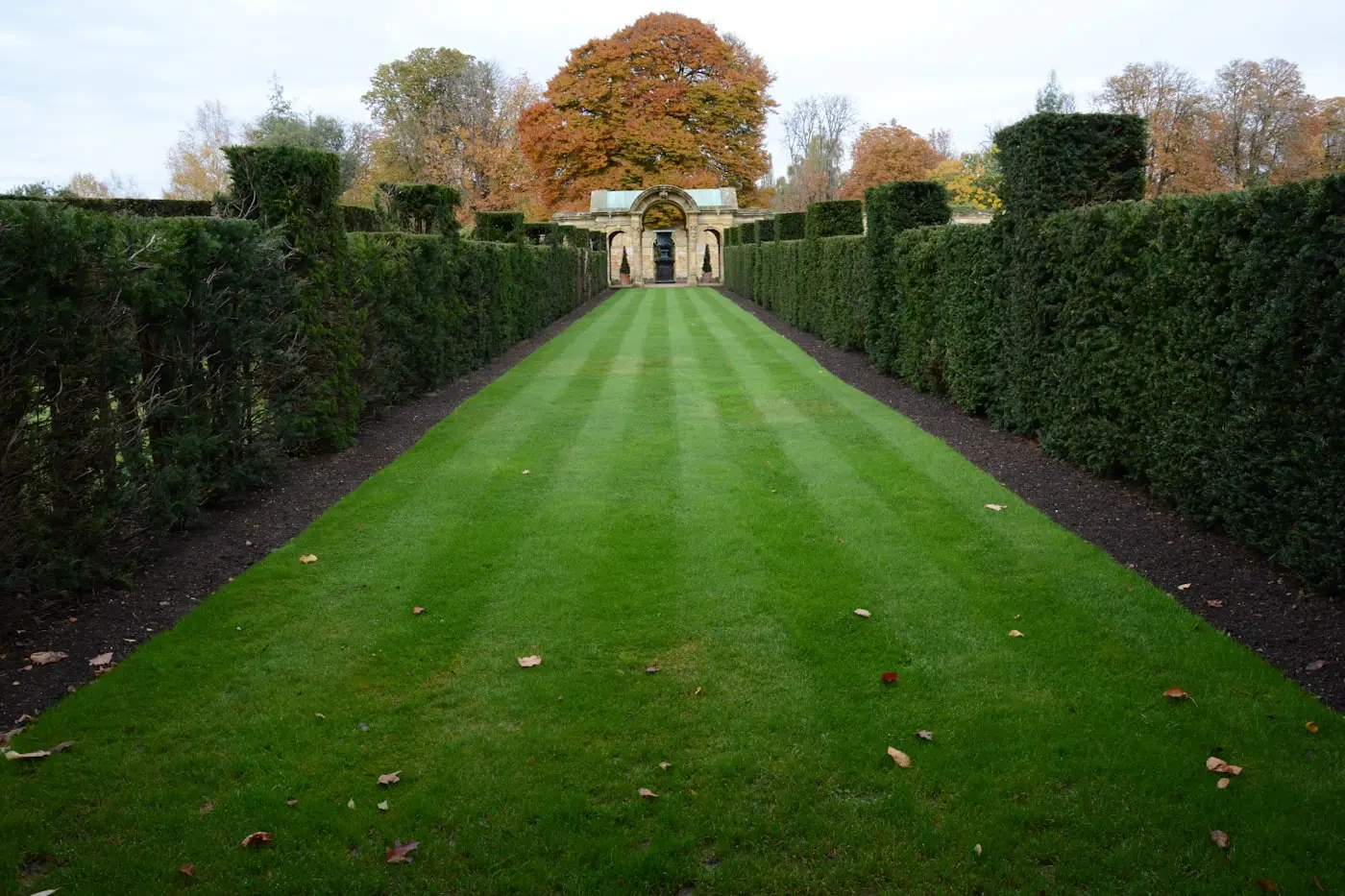
With a regular programme, yes - or something close to it. The lawns that look the best in Yorkshire typically get hollow tine in September, topdressed and overseeded the same day, solid tine in April, fed on a seasonal schedule, and cut regularly through the season. That is not complicated or expensive on a domestic lawn. The difference between a lawn on that programme and one that gets nothing except cutting is visible within two to three seasons. The aeration is the step most people miss, and it is the one that makes everything else work better.
Types of aeration explained
There are three main methods used on domestic lawns in Yorkshire. The right choice depends on how compacted the soil is, how quickly the surface needs to recover, and whether you are carrying out a full renovation or topping up an already-decent lawn.
| Method | Depth | Soil removed? | Best for |
|---|---|---|---|
| Hollow tine | 75–100mm | Yes - cores extracted | Severe compaction, heavy clay, lawns not aerated in 2+ years |
| Solid tine | 75–100mm | No - soil pushed aside | Maintenance aeration, lawns in reasonable condition, before events |
| Slitting (slit tine) | 50–75mm | No - narrow cuts only | Light maintenance, overseeding preparation on firm ground |
Hollow tine is the strongest treatment because it physically removes compacted material rather than displacing it. The cores come out and sit on the surface - messy for a week or two, but the channels they leave behind can be filled with topdressing that stays in place rather than being squeezed back by surrounding soil pressure. For Yorkshire clay lawns in any kind of poor condition, hollow tine produces results that solid tine cannot match.
Solid tine aeration pushes spikes into the soil without removing material. The soil is pushed aside laterally, which creates some short-term air channels but does not fully relieve compaction on heavy ground. It leaves the surface in far better shape than hollow tine and the lawn looks presentable within days. Solid tine is the right choice for a spring maintenance pass between annual hollow tine autumns, or for any situation where the lawn needs to stay presentable quickly - ahead of a party, during a tenancy period, or on a lawn used for sport or regular entertaining.
Slitting is the lightest option. Narrow blades cut shallow grooves into the turf without removing material. It is more useful for drainage improvement on firm surfaces and as a seedbed preparation before overseeding than as a compaction treatment. On heavily compacted Yorkshire clay, slitting alone produces limited benefit compared to the other two methods.
Yorkshire clay and why your lawn needs aerating more often
Yorkshire's geology produces some of the most difficult domestic lawn soils in England. The Millstone Grit belt running through Calderdale, Kirklees, and into the Pennine edges creates soils that are typically acid, poorly draining, and prone to compaction under foot traffic and mowing. When Millstone Grit-derived soils get wet - which, at 1,000mm+ of annual rainfall in some Pennine valleys, is often - they compact under any weight placed on them. Children, dogs, mowers, and even repeated foot traffic along the same path through winter are all enough to create zones of significant compaction by spring.
The Vale of York has a different problem: alluvial clay deposits that are heavy, sticky when wet, and bake hard in summer dry spells. Bradford, Leeds, Wakefield, and the surrounding towns sit predominantly on this type of soil. It drains slowly, holds water on the surface for days after heavy rain, and creates exactly the waterlogged conditions that moss colonises faster than grass. A lawn in Bradford or Wakefield left without aeration for two or three years will typically have visible moss coverage of 30% or more by the following spring.
How to tell whether your lawn is compacted without specialist equipment: push a large flat-head screwdriver firmly into the lawn surface and see how far it goes. If it penetrates to the handle (roughly 120mm) without significant resistance, the soil is in reasonable shape. If it stops at 50mm or less, the top layer is compacted and hollow-tine aeration is warranted. If it slides in on some areas and hits resistance in others, the compaction is patchy - usually corresponding to the traffic routes across the lawn. This is the most common pattern on domestic Yorkshire lawns.
High ground changes the picture. The Yorkshire Dales and the North York Moors have thinner soils over rock where the compaction problem is concentrated in the top 40-50mm rather than going deep. The North York Moors tend toward acidic peaty soils where aeration needs pairing with lime application to correct pH before grass will establish properly. Limestone soils in the Dales drain well but compact in the upper layer under traffic. In both cases, aeration is still beneficial - but the depth and frequency can be adjusted once the underlying soil type is established.
What happens if you do not aerate
The deterioration of an unaerated Yorkshire lawn follows a predictable pattern. In year one without aeration, the change is marginal - the lawn looks much as it always has, maybe slightly softer underfoot in wet weather. By year two, thatch starts to accumulate faster than it breaks down because the compacted soil lacks the microbial activity needed to decompose organic matter at the surface. The lawn feels springy in a way that is not healthy - that bounce is the thatch layer, not the grass. Water sits on the surface for longer after rain.
By year three, moss has typically taken hold in the areas of worst compaction and drainage. The shaded corners, the route from the back door to the washing line, the areas near fences where light is poor - all become moss-dominated. Grass yellows in summer not just from drought stress but because the roots cannot grow deep enough through compacted soil to access moisture below the surface layer. The lawn needs watering more often than it should because the shallow root system cannot tap subsoil moisture reserves.
By year four or five without aeration or any significant treatment, many Yorkshire domestic lawns have effectively inverted: the surface is more moss, thatch, and annual meadow grass (Poa annua) than the original cultivated grass species. At this point you are not maintaining a lawn - you are managing a gradual replacement. The renovation required to bring it back is substantially more effort and cost than the annual aeration that would have prevented it. Hollow-tine aeration costs £60-120 per year for a standard domestic lawn. A full renovation of a seriously degraded lawn costs £200-400 and takes a full growing season to recover.
The compaction problem is also self-reinforcing. Compacted, wet soil is harder to walk on without making it wetter and more compacted. The lawn gets used less, which reduces the psychological incentive to invest in it, which means it continues to deteriorate. Breaking the cycle with a single hollow-tine autumn treatment typically produces enough visible improvement that homeowners continue the programme.
Aftercare: what to do after aeration
Top dressing
After hollow-tine aeration, the holes need filling with something that will hold the channel open against the pressure of surrounding soil. Topdressing with a sharp sand and compost mix (typically a 60:40 ratio of sharp sand to horticultural compost) brushed into the surface fills the channels and improves the long-term drainage structure of the top layer. Sharp sand particles do not compact the way fine builder's sand does - use sharp sand specifically, not the multi-purpose sand sold for children's play areas or mortar.
A 25kg bag of topdressing covers approximately 5 square metres spread at 3-5mm depth. A standard 75 square metre domestic lawn needs six to eight bags for a proper application. The material should be worked into the holes and across the surface with a stiff-bristled broom or the back of a rake. Some of the hollow-tine cores can be broken up and brushed back in as part of the topdressing - this recycles the existing soil biology into the surface. Alternatively, remove the cores completely and replace entirely with the sand/compost mix.
Topdressing is often quoted as an optional extra rather than included in the base aeration price. It is worth including: without filling the channels, surrounding soil pressure gradually closes them over the following weeks and months, reducing the duration of benefit. Agree the topdressing specification and cost upfront when booking.
Overseeding
Aeration creates the best conditions for overseeding that exist in the calendar. The disturbed surface gives seed direct soil contact without competition from existing grass for the top few millimetres of soil. Seed that falls into or beside the aeration holes germinates into protected channels with moisture, warmth, and drainage that the undisturbed surface does not provide.
The timing matters for Yorkshire conditions. Soil temperature needs to be above 8-10 degrees Celsius for grass seed to germinate reliably. Across most of Yorkshire, September is the ideal month - soil temperature is typically 12-15 degrees, declining through October. By November in most of Yorkshire, germination becomes unreliable. If you are combining aeration with overseeding, the second week of September to mid-October is the practical window for the majority of the county.
Seed mix selection matters on Yorkshire clay. A mix weighted toward fescues and browntop bent - rather than pure perennial ryegrass - will establish more successfully on heavier ground and be more resistant to the wet conditions that favour moss in subsequent seasons. Ryegrass is fine for high-traffic family lawns but does not cope as well as fescue mixes on waterlogged sites. Ask your specialist which mix they are using and why.
Water the newly overseeded surface morning and evening for the first two weeks if conditions are dry. In a typical Yorkshire September, rainfall usually handles this naturally - but in a dry autumn, watering the first two weeks makes the difference between 80% germination and 40% germination.
Feeding after aeration
Apply an autumn lawn feed within a week of aeration. An autumn formulation is low in nitrogen and higher in phosphate and potassium. Phosphate promotes root development - critical going into winter. Potassium hardens the grass against frost and disease. The open channels from aeration allow nutrients to reach the root zone directly rather than sitting on a compacted surface where they are inefficiently absorbed or washed off by rain.
Do not use a high-nitrogen spring fertiliser in autumn. High nitrogen pushes rapid, soft leaf growth that is susceptible to frost damage and fungal disease through winter. This is one of the most common DIY mistakes - buying a general-purpose lawn feed from a garden centre and applying it in September without checking that it is an autumn formulation. The nitrogen and potassium ratios are printed on the bag: an autumn feed should have significantly higher potassium (K) than nitrogen (N). Something like N:K of 4:20 or 5:15 is typical for an autumn product.
Frequently asked questions about lawn aeration
How often should I aerate my lawn in Yorkshire?
Once a year minimum. Autumn hollow tine is the priority. On heavy clay or a high-traffic lawn, add a spring solid tine pass as well. Lawns that have never been aerated typically need two consecutive autumn treatments before they settle into a good condition. After that, annual autumn aeration as part of a regular programme keeps them there. See the lawn renovation cost guide for what a full multi-year programme looks like.
What's the difference between hollow tine and solid tine aeration?
Hollow tine removes soil cores, creating real channels. Solid tine pushes the soil aside without removing it. Hollow tine is the stronger treatment for compacted or clay-heavy ground; solid tine is faster and less disruptive, good for maintenance aeration or when you need the surface to look presentable quickly.
Can I aerate my lawn myself?
Hire costs run around £60-80 per day for a motorised aerator from most plant hire yards across Yorkshire. The job is more physical than it looks, especially on clay soils. For a standard domestic lawn (up to 100m²) a professional with the right machine is often not much more expensive than a day's hire, and considerably less effort. For larger gardens with regular aeration needs, a lawn care programme that includes the machine, materials and labour is the sensible long-term arrangement.
When is the best time to aerate in Yorkshire?
September to October for most of Yorkshire. Earlier in the Pennines and Moors where the ground cools faster; late October is still viable in the Vale of York and East Riding. Spring (March-April) as a fallback or additional solid tine pass. Avoid dry summer and frozen winter conditions.
What should I do after lawn aeration?
Brush or rake cores after hollow tine treatment. Apply topdressing into the holes. Overseed thin or bare patches. Apply an autumn lawn feed. Keep off the lawn for two to three weeks if possible. Water for the first two weeks if conditions are dry. See the full seasonal lawn care guide for what comes next through the year.
How often should I aerate my Yorkshire lawn?
Once per year minimum. Autumn hollow tine is the priority. On heavy clay or a high-traffic lawn, a spring solid tine pass is a useful addition. Lawns that have never been aerated often need two consecutive autumn treatments before settling into a reliably good condition. After that, annual autumn aeration as part of a regular programme keeps them there. See the lawn renovation cost guide for what a full multi-year programme looks like.
Can I hire an aerator myself?
Hire costs run around £60-80 per day for a motorised aerator from most plant hire yards across Yorkshire. The job is more physical than it looks, especially on clay soils. For a standard domestic lawn (up to 100m²) a professional with the right machine is often not much more expensive than a day's hire, and considerably less effort. For larger gardens with regular aeration needs, a professional programme that includes the machine, materials and labour is the sensible long-term arrangement.
What is the best time of year to aerate in Yorkshire?
September to October for most of Yorkshire. Earlier in the Pennines and Moors where the ground cools faster; late October is still viable in the Vale of York and East Riding. Spring (March-April) as a fallback or additional solid tine pass. Avoid dry summer and frozen winter conditions - both create conditions where aeration is ineffective or risks causing more compaction around the tine holes.
Does aeration help with moss?
Yes, indirectly but significantly. Moss thrives where drainage is poor and grass cannot compete for the thin, waterlogged top layer of soil. Aeration improves drainage and creates a soil environment that gives grass the upper hand. It will not kill existing moss - iron sulphate treatment followed by scarification handles that. But aeration removes the structural cause. Without it, moss treatment becomes a repeating annual cycle rather than a lasting improvement.
How long before I can use the lawn after aeration?
Light foot traffic is fine within a day or two of solid tine aeration. After hollow tine aeration, try to stay off for two to three weeks while the cores break down and the surface settles. If you have overseeded at the same time, keep traffic off for at least three to four weeks to protect the germinating seed from being compressed before it has established root contact.
Will aeration fix waterlogging?
Aeration significantly reduces surface waterlogging on compacted clay lawns by creating channels for water to drain into the soil profile. For lawns sitting in a genuine low spot with no drainage pathway, or where the subsoil has a structural drainage problem, aeration helps but does not fully resolve the issue - a French drain or soakaway is the structural fix in those cases. For the vast majority of Yorkshire lawns where pooling is caused by compacted clay, annual hollow tine aeration makes a clear difference within one or two seasons.
Further reading
Ready to give the lawn some air?
Tell us your postcode and lawn size. A local specialist can take your enquiry and call you with a price.
Request a gardenerLawn aeration across Yorkshire.
Local specialists covering towns across Yorkshire. Find your nearest in the list below - click through for local pricing and availability.