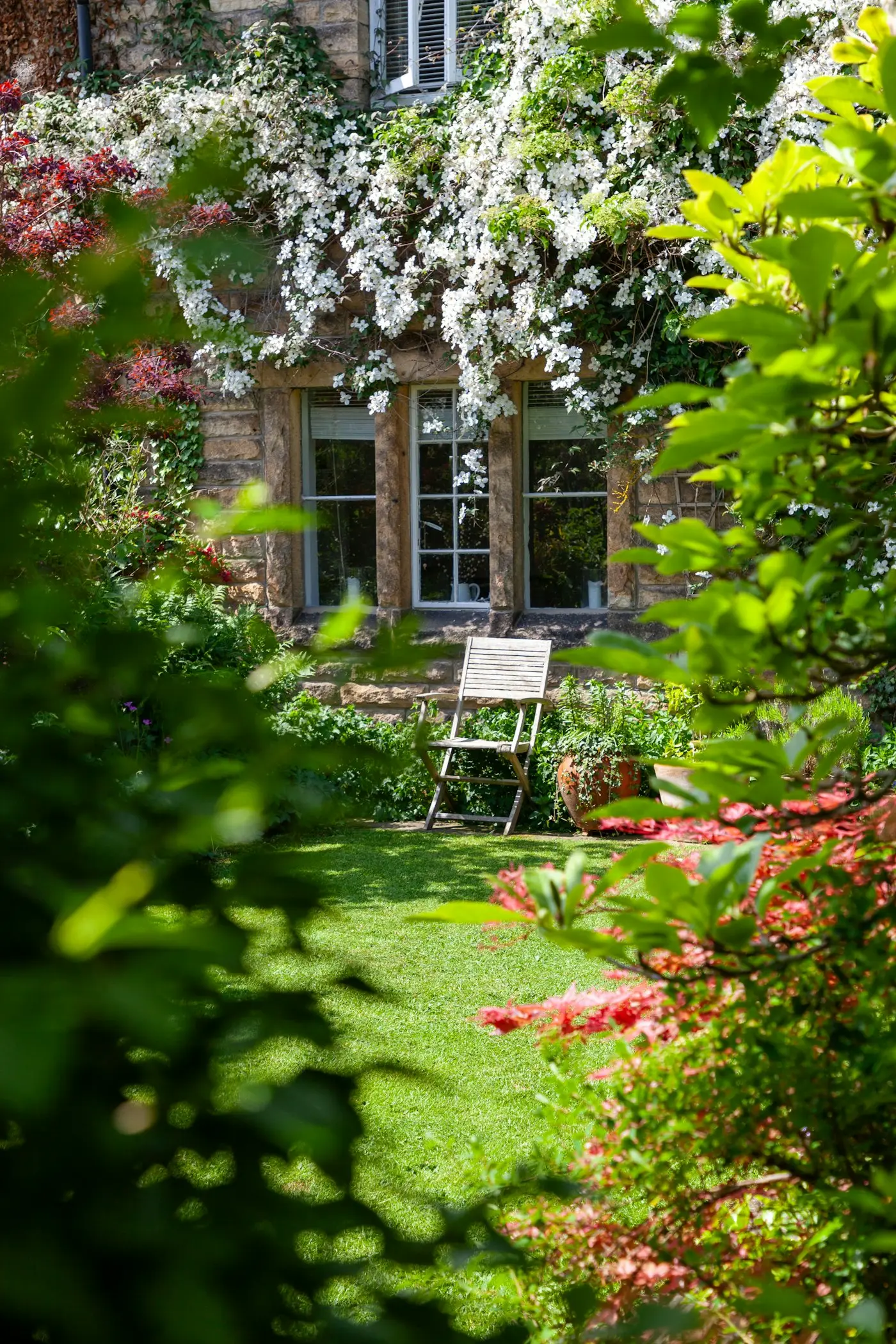
Hull sits at the confluence of the River Hull and the Humber Estuary, at the edge of the great East Yorkshire plain that stretches north toward the Wolds and west toward the Vale of York. It is a city with a distinct character: proud, maritime, and historically self-contained enough to develop its own way of doing things. That character extends into gardens. Hull has a genuine cottage garden and productive garden tradition, a strong allotment culture in the older residential areas, and a growing appetite for contemporary design in the newer suburban estates around Cottingham, Hessle, and Brough. What it does not have - unlike Sheffield or Huddersfield - is topography. The flat landscape presents different design challenges that require different solutions.
The East Yorkshire market extends well beyond Hull city itself. Cottingham, Beverley, Hessle, Brough, Hedon, and Hornsea all sit within the same design geography: similar soils, similar climate exposure, similar property types. A designer based in the Hull area typically covers this whole East Yorkshire corridor, and the plant selection and design principles that work in Hull apply equally to a garden in Beverley or Cottingham.
East Yorkshire's Climate: Drier, Windier, and More Continental
Hull's climate is distinct from most of Yorkshire. The city sits on the east coast, sheltered from the prevailing south-westerly Atlantic weather by the bulk of England, which means it receives significantly less rainfall than the Pennine west - around 600mm per year, compared to 800 to 1,000mm in Bradford or Halifax. This lower rainfall makes East Yorkshire one of the drier parts of England and creates a more continental climate character: warmer summers, colder winters, and sharper seasonal transitions than the Atlantic-influenced west.
The catch is the east wind. Cold north-easterly and easterly winds from the North Sea and the Humber can be damaging on exposed sites, particularly in late winter and early spring when plants are beginning to come out of dormancy. Salt in the air on the most exposed Humber-facing sites adds another stress to susceptible plants. Any garden on the eastern or northern side of a property in Hull or along the Humber corridor needs wind-tolerant planting for the outer boundaries and, ideally, a robust windbreak hedge to shelter the core growing and seating areas.
Understanding Hull's soil: alluvial clay with drainage implications
Much of Hull and the surrounding East Yorkshire lowlands sits on alluvial clay and glacial deposits laid down during and after the last ice age. These soils are typically heavy, slow to drain, and prone to waterlogging in wet winters. The good news is that once drained and improved with organic matter, they are fertile and productive. For any new garden project in Hull, drainage assessment at the start is not optional - it is a fundamental design constraint that shapes everything from plant selection to hard landscaping choices.
What Garden Design Costs in Hull and East Yorkshire
| Scope | Typical Cost | What's Included |
|---|---|---|
| Concept drawings only | £350-£800 | Site visit, measured survey, initial concept sketches. Good starting point before committing to a full design. |
| Full design (plan only, no build) | £600-£2,000 | Measured survey, scaled planting plan, hard landscaping layout, materials specification, plant list. |
| Small urban garden (Hull terraces, Anlaby Road, Newland) | £3,500-£8,000 | Design and build. Typically 30-70 sqm. Paving, raised beds or planters, fencing, simple planting scheme. |
| Medium suburban garden (Cottingham, Hessle, Brough) | £8,000-£16,000 | Design and build. Typically 80-200 sqm. Patio, paths, planted borders, structural shrubs, lawn or low-maintenance ground cover. |
| Large garden (Beverley, rural East Yorkshire) | £15,000-£28,000+ | Full design and build. Larger plots, potentially including kitchen garden, orchard area, meadow planting, and comprehensive drainage works. |
| Drainage and hard landscaping only | £4,000-£12,000 | Addressing waterlogging and poor drainage before replanting. Often the necessary first step for Hull clay gardens that have never been properly drained. |
Hull's flat topography means terracing costs are typically lower than in hillside Yorkshire cities. However, drainage work - which may include French drains, channel drainage, soakaways, or raised bed construction - can represent a significant proportion of the budget on sites with waterlogging problems. Our garden drainage guide for Yorkshire covers the options and costs in detail.
Designing for a Flat Plot
The dominant design challenge in Hull and East Yorkshire is creating visual interest and a sense of spatial variety on flat ground. On a sloped site, topography does some of the design work automatically - different levels, changing views, natural drama from the gradient. On a flat site, the designer has to create all of this through other means.
Vertical layering through planting
The most effective tool on a flat plot is strong height layering in planting: clearly distinct levels from ground cover through herbaceous perennials to shrubs to small trees. A flat garden with a well-designed planting scheme that runs from 20cm tall ground cover at the front through 80cm perennials to 150cm shrubs to a 3-metre specimen tree at the back has genuine spatial depth that the topography cannot provide. East Yorkshire designers who know the local plant palette well will select for both height variety and year-round interest, so the layering reads clearly in all seasons.
Focal points and destination spaces
Flat gardens benefit from clear focal points - a specimen tree at the end of a lawn, a water feature visible from the kitchen window, a garden bench or seating area positioned to draw you down the garden. These give the eye something to travel toward, which on a flat site without the natural movement of a slope is important for making the garden feel like a whole space rather than a single view. Even a modest pond of 2 to 3 square metres, well positioned, can be a powerful focal point in an otherwise flat East Yorkshire garden.
Changes in surface level
Even modest changes in level - a raised terrace 200 to 300mm above the main garden, or a sunken seating area - add significant visual interest to a flat garden. They also help with drainage by creating a directional gradient that moves surface water away from buildings and toward appropriate outlets. A designer experienced with flat Hull gardens will often incorporate a gentle level change as a key design move, even if the overall topography appears completely level.
The Design Process for an East Yorkshire Garden
Stage 1: Site assessment and drainage survey
On a Hull area site, drainage should be the first thing a designer investigates. A simple test - digging a hole 30cm deep and seeing how long it takes to drain after rain - will tell you whether you have a serious waterlogging problem that needs addressing before any planting scheme is planned. On sites with confirmed drainage problems, the design process should start with a drainage solution, not a planting scheme.
Stage 2: Design concept
For a flat East Yorkshire garden, the concept stage is where decisions about spatial layout, focal points, level changes, and boundary treatment get made. Boundary treatment is particularly important on exposed sites: a robust boundary hedge of wind-tolerant species not only creates privacy but fundamentally changes the growing microclimate inside the garden, allowing plants that would struggle in open exposure to thrive in the sheltered interior.
Stage 3: Planting design
East Yorkshire's more continental climate means the plant palette differs from the Atlantic-influenced west of Yorkshire. The drier summers suit Mediterranean herbs and many drought-tolerant perennials that would struggle in Bradford's wet climate. Ornamental grasses perform particularly well: the relatively dry summers and open exposure suit Stipa, Pennisetum, and Miscanthus, which create movement and texture in a way that is both beautiful and fitting with the open East Yorkshire landscape character. For coastal and Humber-facing sites, the outer boundary planting should be restricted to genuinely wind-tolerant species before the sheltered interior can accommodate a wider palette.
Stage 4: Implementation and planting timing
Hard landscaping on flat Hull sites should incorporate falls of at least 1 in 60 to direct surface water away from the house and toward appropriate drainage. This is non-negotiable on clay soil. Planting is best done in autumn for most trees, shrubs, and perennials. East Yorkshire's cold east winds can extend frost risk into late April, so tender plants should wait until after mid-May. The relatively dry East Yorkshire climate means that newly planted stock needs watering support through the first summer, particularly during any dry spells.
Garden Styles in Hull and East Yorkshire
Cottage and country garden style
The traditional East Yorkshire garden style - generous herbaceous borders, cottage-style planting with Hardy Geraniums, Astrantia, Digitalis, Alchemilla, and structured rose plantings - works very well with East Yorkshire's property types and landscape character. The flat terrain suits the full spread of a traditional country garden with a lawn at its heart and generous borders on two or more sides. This style requires a reasonable maintenance commitment but suits gardeners who genuinely enjoy being outside and want a garden that rewards attention.
Contemporary low-maintenance design
In Hull's newer suburban developments and in the commuter villages of Cottingham, Hessle, and Anlaby, contemporary low-maintenance design is increasingly popular. Good-quality paving or porcelain, a limited plant palette of structural evergreens and ornamental grasses, and minimal lawn all reduce the weekly maintenance requirement while creating a garden that looks well-considered year-round. This style works well with Hull's flat topography - the clean lines of contemporary design look natural on a level site in a way that they sometimes do not on a slope.
Productive gardens and kitchen gardens
Hull has a strong allotment and productive garden culture that carries into domestic gardens. East Yorkshire's relatively dry summers are actually excellent for many vegetables - the lower rainfall reduces fungal disease pressure on brassicas and tomatoes. A well-designed kitchen garden for an East Yorkshire property might include raised beds for improved drainage, a glasshouse or polytunnel for extending the season, a compost area, and a soft fruit section. The flat terrain makes productive growing easier to lay out than on a sloped site, and the space available in most suburban East Yorkshire plots is generally generous enough to make a meaningful kitchen garden viable.
What is the difference between a garden designer and a landscaper in Hull?
A garden designer creates the plan: spatial layout, planting design, materials specification, and design concept. A landscaper is the contractor who builds it. Some East Yorkshire firms offer both as a design-and-build service. Using a separate designer gives you independent oversight during the build, which is valuable for larger projects where you want assurance that work is done to specification. For straightforward projects on flat plots with standard drainage requirements, a trusted design-and-build firm is often simpler and may be more cost-effective.
Ready to design your Hull or East Yorkshire garden?
Tell us about your plot and we put your enquiry in front of designers who cover Hull and the wider East Yorkshire area.
Start the assessmentFrequently Asked Questions
How much does garden design cost in Hull and East Yorkshire?
For a medium Hull garden combining hard landscaping and planting, expect to pay £5,000 to £13,000. Larger properties in Cottingham, Beverley, or Brough run from £12,000 to £22,000 or more. Victorian terrace gardens in the Anlaby Road or Newland Avenue areas typically cost £3,500 to £8,000 for a full design and build. Design-only fees are usually £500 to £2,000. Hull's flat topography keeps terracing costs down, but drainage work can add significantly to the budget.
What plants work well in Hull's coastal climate?
Wind-tolerant plants that perform well include Escallonia, Eleagnus, Griselinia, Hippophae (sea buckthorn), Hebe, Lavandula, and hardy Salvia. Ornamental grasses - Miscanthus, Stipa, Pennisetum - suit East Yorkshire's more continental climate and create excellent movement and texture. For more sheltered inner-garden positions, the planting palette widens considerably, including most standard hardy perennials and shrubs suited to a temperate climate.
How do I deal with drainage in a Hull garden?
French drains, channel drainage, raised growing beds, and permeable paving all help address Hull's flat clay soil drainage challenges. Properties close to the Humber may have a high water table that limits soakaway effectiveness - a drainage survey before design is worth doing on suspect sites. See our Yorkshire garden drainage guide for a full breakdown of options and costs.
Can I have a productive garden in Hull?
Yes - and East Yorkshire's relatively dry climate actually suits many vegetables well by reducing fungal disease pressure. Raised beds help with drainage. A polytunnel or cold frame extends the growing season in East Yorkshire's cooler spring. Brassicas, leeks, root vegetables, and leafy greens all perform very well. Tender crops need a sheltered south-facing position to succeed reliably.
How do you create interest in a flat Hull garden?
Strong planting structure with clear height layering; well-placed focal points such as a specimen tree, water feature, or sculptural element; defined zones with clear destination spaces; modest changes in surface level (even 200mm adds visual interest); and planting that creates movement in wind such as ornamental grasses. Good designers in Hull work hard at creating vertical interest through planting that flat topography cannot naturally provide.
Do I need planning permission for garden changes in Hull?
Most domestic garden landscaping in Hull does not require planning permission. Standard permitted development limits apply: walls over 1 metre adjacent to a highway, hard surfaces on front gardens over 5 sqm using non-permeable materials, and works on listed buildings require permission. Hull City Council administers planning for the city; East Riding of Yorkshire Council covers Cottingham, Beverley, Brough, and Hessle. Conservation areas exist in parts of Hull and Beverley - check before proceeding if your property may be within one.
How long does a garden design project take in Hull?
From initial site visit to completed garden, allow 3 to 8 months. The design phase typically takes 4 to 10 weeks. For flat East Yorkshire gardens, the build phase is usually 1 to 4 weeks for a smaller garden, up to 6 weeks for a larger property. Planting is best done in autumn or spring. East Yorkshire's east wind can extend frost risk into late April, so tender plants should wait until after mid-May.
What garden design styles work well in East Yorkshire villages?
Cottage and country garden styles sit very well with East Yorkshire's landscape character and village property types. Generous herbaceous borders, productive kitchen gardens, and naturalistic meadow areas all work particularly well on flat, open East Yorkshire plots. Contemporary interpretations of the country garden style - clean-lined hard landscaping with generous naturalistic planting - are increasingly popular on larger Beverley and Cottingham properties. See our Yorkshire coastal garden design guide for East Yorkshire-specific planting advice.