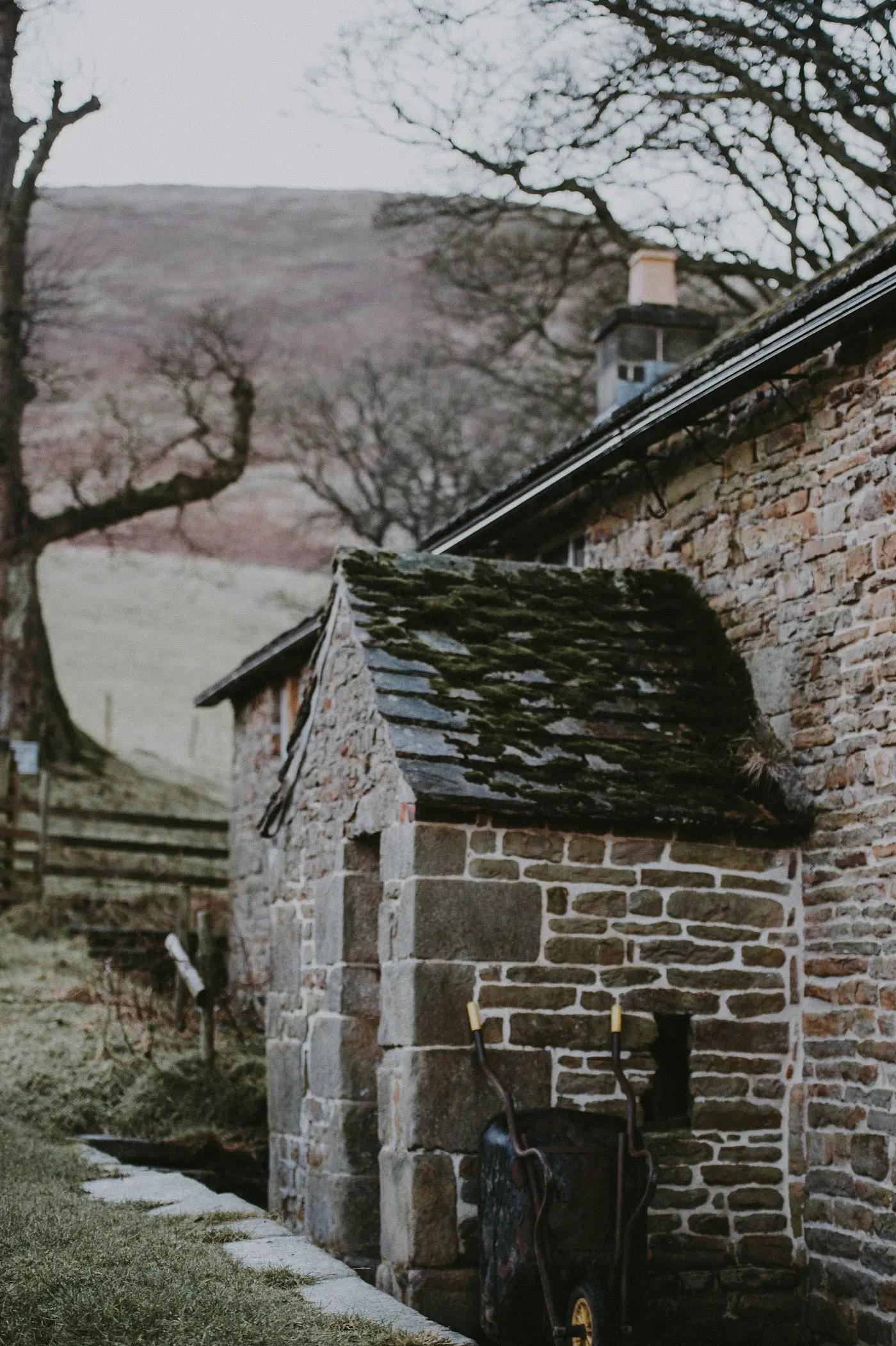
Rotherham is a working town with a lot of garden. The post-war housing expansion that followed the steel industry left thousands of semi-detached and terraced properties with generous back gardens, many of them significantly larger than you would find on equivalent housing built today. Those gardens need regular attention, and the cost of that attention depends on a handful of straightforward factors: size, what condition the garden is currently in, and how often you want someone to come.
What garden maintenance typically costs in Rotherham
Hourly rates for gardeners in Rotherham sit between £25 and £50. The lower end of that range is a solo gardener doing basic mowing and weeding; the upper end is an experienced horticulturist with qualifications doing more skilled work like planting, pruning trained wall shrubs, or lawn renovation.
| Service type | Typical Rotherham cost |
|---|---|
| Hourly rate (general maintenance) | £25-50/hr |
| Monthly contract (small garden, terrace/flat) | £50-90/month |
| Monthly contract (semi-detached, average garden) | £80-160/month |
| Monthly contract (large detached, substantial garden) | £150-250/month |
| One-off garden tidy | £60-200 depending on size |
| Lawn mowing only (regular, medium garden) | £25-40/visit |
| Hedge trimming (typical semi garden) | £40-80/session |
These figures are consistent with South Yorkshire broadly. Rotherham sits between Sheffield (slightly higher) and the more rural parts of the county (sometimes lower), and the rates reflect that. If you are getting quotes significantly below £25 per hour, it is worth asking whether the gardener holds public liability insurance before proceeding.
What regular garden maintenance covers
Regular garden maintenance is not a single fixed service - it varies depending on what you have agreed with your gardener and what your garden needs. That said, most monthly or fortnightly contracts in Rotherham include the following as standard.
Lawn mowing and edging
The core task for most gardens from April through October. A well-maintained lawn is mowed every one to two weeks during the growing season, with edges trimmed to keep borders clean. In the cooler months (November to March), mowing drops to monthly or stops entirely.
Border weeding
Keeping borders clear of weeds - both annual weeds that seed freely and perennial weeds with established root systems. In a well-maintained garden this is straightforward and takes a fraction of the visit time. In a garden that has been neglected, it takes much longer until the weed seedbank in the soil is depleted over a season or two.
Shrub and rose pruning
Light pruning to keep shrubs shapely and to remove dead or crossing growth. Heavier pruning of established shrubs is usually done in the appropriate season - late winter for roses, after flowering for spring shrubs. Most gardeners doing routine maintenance will handle this as part of the regular visit at the appropriate time of year.
Hedge trimming
Most hedges in Rotherham - privet, leylandii, laurel, beech - need trimming once or twice a year. This is usually done in late summer (August-September) after the main growing flush, though leylandii may need an additional cut in May. Hedge trimming is typically included in a maintenance contract or charged as a separate session.
Path and patio sweeping
Clearing fallen leaves, moss, and debris from hard surfaces. In autumn this can take a significant portion of a visit for gardens with large mature trees. Jet washing for patios and drives is usually charged separately as a one-off service.
Green waste removal
Most maintenance gardeners take away their green waste or bag it for council collection. Check this before booking - some gardeners leave it for you to dispose of. For Rotherham properties, Rotherham Metropolitan Borough Council operates a brown-bin garden waste collection service; the annual subscription is currently around £45.
Rotherham: what you need to know about the local garden context
Rotherham's geography shapes its gardens in ways that are worth understanding before you make any long-term decisions about planting or lawn care.
The two soil zones: limestone east, clay west
The borough straddles two quite different geological belts. To the east, from Maltby and Dinnington toward the Nottinghamshire border, you are on the magnesian limestone belt - a pale, free-draining, alkaline soil that runs in a strip through South Yorkshire and into the East Midlands. This soil is naturally lower in organic matter and dries quickly in summer, but it suits a wide range of plants: roses, lavender, rosemary, hardy geraniums, and most ornamental shrubs do well. The challenge is that alkaline pH can limit the availability of some nutrients, particularly iron and manganese, causing yellowing leaves (chlorosis) on acid-loving plants like rhododendrons and blueberries. Do not bother planting those on limestone - grow them in large containers with ericaceous compost instead.
The western side of the borough - around the Don valley, Rawmarsh, Parkgate, and the former industrial areas closer to Sheffield - tends toward heavier clay. Industrial clay soils can also contain contaminants from the steel era, though at typical garden depths this is rarely an issue for ornamental planting. Clay is slower to warm up in spring, meaning lawns stay dormant longer and early planting is less productive. However, clay holds moisture and nutrients well, meaning established plants and lawns often cope better with summer dry spells than those on the limestone. Improving clay soil with grit and organic matter each year makes a significant difference over time.
Post-war housing and larger garden sizes
Rotherham's housing stock is heavily shaped by post-war and 1960s-70s social and local authority house-building. Areas like Wickersley, Maltby, Brinsworth, and East Herringthorpe contain large numbers of semi-detached properties with gardens that are, by modern standards, generous. Back gardens of 60-120 square metres are common, and some detached houses in the Wickersley/Bramley corridor have gardens well above that. This matters for pricing: a Rotherham semi from the 1960s will typically have a larger garden than a 2000s new-build, and therefore cost more to maintain even if the houses look similar from the front.
Former industrial land and boundary legacy
Properties close to the former steelworks sites around Templeborough, Parkgate, and Thrybergh sometimes sit on reclaimed land. While this does not usually cause problems for gardens, it does mean that subsidence can be more variable, drainage can behave unexpectedly in heavy rain, and soil structure near filled land can differ from the surrounding area. If your garden floods regularly or you notice unexplained waterlogging, it is worth getting a professional opinion before investing heavily in lawn renovation or planting schemes.
Suburban semis around Wickersley and Maltby
The suburban fringe running from Wickersley through Bramley toward Maltby contains a significant amount of privately owned housing from the 1970s-90s, with the kind of established garden that benefits from regular professional attention. These are typically front-and-back gardens with a lawn, mixed borders, and some hedging. A standard fortnightly maintenance visit for this type of garden typically runs 60-90 minutes and costs £30-55 per visit on a regular contract.
Limestone soil tip
If your garden is on the limestone belt east of Rotherham and your lawn yellows in summer despite watering, the issue is likely not drought but iron deficiency in the alkaline soil. A chelated iron lawn treatment in spring will correct this. Your gardener should recognise it on sight.
How to find a local gardener in Rotherham
Finding a gardener who is reliable, qualified enough for the work you need, and available in your area takes a bit of effort. Here is how to approach it.
Word of mouth first
The most reliable recommendation is from someone who has used a gardener regularly for at least one full growing season. Ask neighbours, particularly anyone with a garden that looks well-kept. Local community Facebook groups for Rotherham, Wickersley, Maltby, and Wath upon Dearne regularly have gardener recommendations - these are worth searching before going elsewhere.
What to check before booking
Get at least two quotes for any ongoing maintenance contract. Ask each gardener specifically: whether they are insured for public liability (minimum £2 million), whether they take green waste away or leave it, what happens if they need to cancel a visit, and whether they charge a fixed monthly fee or per-visit. A fixed monthly fee is simpler to budget; per-visit works better if your garden does not need much in winter.
Professional bodies and qualifications
The Royal Horticultural Society (RHS) offers Level 2 and Level 3 qualifications that are widely respected in the trade. The British Association of Landscape Industries (BALI) and the Horticultural Trades Association (HTA) both have find-a-member directories. These are useful for larger or more specialist work; for basic mowing and weeding, a portfolio of local references is more useful than formal credentials.
Introduction services
Services like Yorkshire Lawn and Garden match your job to local gardeners who have been vetted for insurance and availability. This cuts out the legwork of contacting multiple gardeners individually and is worth using if you do not have a personal recommendation to start from. See our full garden maintenance service page for how the process works.
Yorkshire seasonal garden calendar
Gardens in South Yorkshire follow a broadly similar pattern to the rest of the north of England, with the main growing season running April to September and a quieter period from November to February. Here is what to expect each month.
January - February: dormant season
Most lawns are not growing or growing very slowly. This is the time for structural pruning of deciduous trees and shrubs, planning any new planting, ordering seed and plants, and clearing any remaining autumn debris. Hard frosts can damage tender plants; a good gardener will check on frost protection during winter visits.
March: early season preparation
Lawns begin to stir as soil temperature rises above 7 degrees Celsius. The first cut of the year should be on a high setting to avoid scalping. Borders can be dug over and mulched. Roses are pruned in late March - a good time to assess winter damage and cut out any dead wood. First weeds of the year, including groundsel and hairy bittercress, appear early.
April - May: growth begins
Lawn mowing begins in earnest from mid-April, typically fortnightly. Spring bulbs give way to early perennials. Hedges - particularly fast-growing privet - begin their first push. Weed pressure increases significantly. This is the most labour-intensive period for establishing a well-maintained garden after a winter break.
June - August: peak growing season
Lawns may need mowing weekly in a wet summer. Borders need regular deadheading and weeding. This is the main hedge-trimming season for most species (excluding leylandii, which can be done twice). Watering may be needed in dry spells, particularly on the limestone soils to the east of the borough.
September - October: autumn transition
Growth begins to slow. This is the best time for lawn repairs - overseeding, scarifying, and aeration all work best in September when the soil is still warm but conditions are less extreme than summer. Leaf clearance begins in October. Late-season border cuts and mulching prepare beds for winter.
November - December: end of season
Lawn mowing stops or drops to monthly. Final hedge cuts, last leaf clearances, and winter structural pruning. A good time to plant bare-root roses, trees, and hedging whips. Most maintenance contracts drop to monthly visits or a fixed number of winter visits.
Related services
Beyond basic maintenance, most Rotherham gardeners also offer:
- Grass cutting - mowing only contracts for those who handle everything else themselves
- Hedge trimming - one-off or regular trimming for all hedge types
- Full garden maintenance - the complete package described above
Frequently asked questions
How much does garden maintenance cost in Rotherham?
Hourly rates in Rotherham sit between £25 and £50 depending on the gardener's experience and what the work involves. A monthly maintenance contract for a typical semi-detached garden runs £80-160 per month. Larger detached properties with more extensive grounds typically pay £150-250 per month. These figures are for regular contracted work; one-off visits usually cost slightly more per hour than the contracted rate.
What does regular garden maintenance include?
A standard monthly maintenance visit covers lawn mowing and edging, border weeding, light pruning of shrubs and roses, hedge trimming (seasonal), sweeping paths and patios, and removal of green waste. More specialist work such as lawn treatments (scarifying, aeration, overseeding), pressure washing, or tree surgery is typically quoted and charged separately.
Do gardeners work in Rotherham all year round?
Yes, though the frequency of visits changes with the season. Most Rotherham gardeners offer year-round contracts that reduce to monthly or bi-monthly visits in winter (November to February) when growth is slow, then ramp up to fortnightly or weekly during the main growing season (April to September). Some gardeners reduce their winter rate to reflect the lower visit frequency.
Is Rotherham soil good for gardening?
It depends on where in Rotherham you are. The eastern part of the borough, from Maltby toward the Lincolnshire border, sits on magnesian limestone - a well-draining, alkaline soil that suits roses, lavender, and many shrubs but needs organic matter adding to improve moisture retention. The western areas around the Don valley tend toward heavier clay, which is slow to warm in spring but holds nutrients well. Both soils respond well to regular maintenance once you understand what they need.
How do I find a reliable gardener in Rotherham?
The most reliable route is word of mouth from neighbours or friends who have used a gardener for at least one full season. Failing that, ask for two or three quotes, check that the person is insured for public liability, and look for RHS qualifications or trade membership. A short trial period of two to three visits before committing to a full contract is perfectly reasonable to ask for.
Get a maintenance quote for your Rotherham garden.
60-second assessment. If a local gardener takes your enquiry, they call you with a price for your specific job.
Start the assessmentRelated articles
- How Much Do Gardeners Charge? UK Prices 2026
- Garden Maintenance in North Yorkshire
- Garden Maintenance Service
- Grass Cutting Service
- Hedge Trimming Service
Gardeners in your area
We cover the whole of Yorkshire. Click through to the local page for your area: