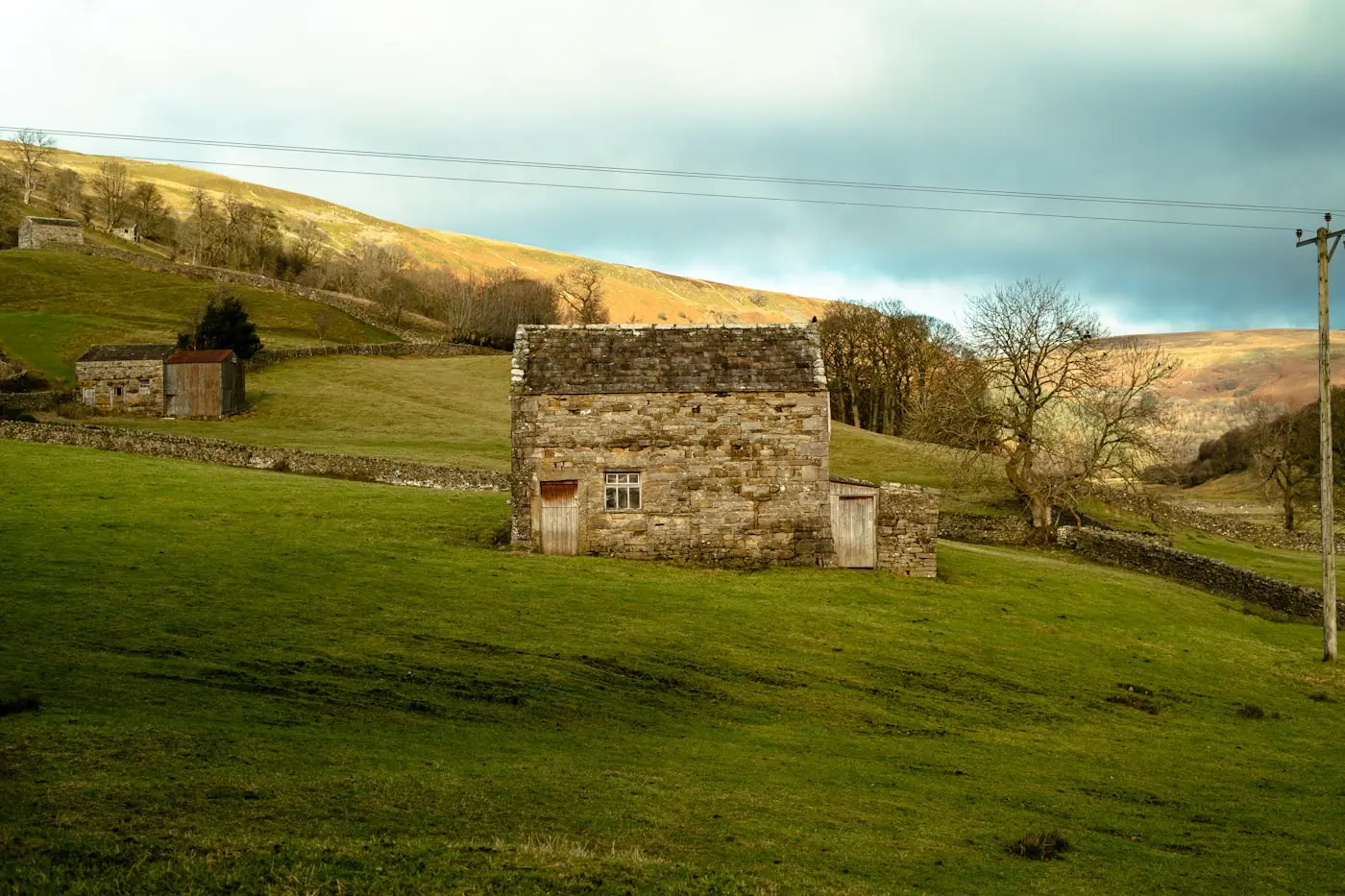
If you've been trying to find a gardener in Pickering, you'll know that this is not the kind of town where a search turns up dozens of options. Pickering is a proper North Yorkshire market town - castle, priory, steam railway terminus, stone-built streets, surrounded by moorland - with a garden scene that reflects the local character: a mix of long-established permanent residents who know their own ground well, tourism-driven holiday let owners who need reliable year-round upkeep, and farmhouse properties on the town's edges with gardens that have a character all of their own. The best local gardeners here fill their weeks through word of mouth and existing relationships long before anyone looks online. That's how it works in a place like this. But if you're new to the area, or you've moved into a Pickering property and need to find someone quickly, or you own a holiday let and your current arrangement has broken down, this guide will walk you through what you need to know: the local garden conditions, what work gets booked most, what you should pay, and how to find and assess the right person for your property.
What Pickering's Gardens Are Actually Like
Pickering sits at the point where the North York Moors meets the Vale of Pickering - the broad, flat agricultural valley that runs east toward Scarborough and west toward Malton. That transition between the high moorland and the valley floor creates significant variation in garden conditions across a very short distance, and it is one of the first things to understand about gardening in this town.
The valley-bottom properties in the lower part of the town, near the River Costa and the River Seven, sit on alluvial soils - clay-heavy, moisture-retentive ground that can waterlog in wet periods and is slow to warm up in spring. If you have a garden in the lower part of the town and your lawn has a persistent wet patch, or your borders stay sodden through winter, this is the soil doing what alluvial clay does. Spring planting has to wait longer here than it would on lighter ground. Waterlogging management - sometimes just better drainage design and planting choices - matters more than on any other Pickering garden type.
Properties on the northern and north-western edges of the town, where the ground rises toward the moor, sit on a different geology entirely. Limestone and sandstone underlie the higher ground, giving lighter, faster-draining soil with a different character. These gardens drain more readily, warm up faster in spring, and are more likely to experience drought stress in a dry summer than the valley-floor gardens. But they also sit in a more exposed position. Northerly and north-westerly winds coming off the moor hit these properties without much to stop them. Late frosts are possible here well into May in some years - this is genuinely moorland-edge climate, and tender plants that would be fine in a sheltered York garden will need more protection or different choices here.
The stone-built character of Pickering's older streets creates another garden type: the courtyard and enclosed garden attached to medieval-character properties in the town centre. The castle and the priory sit at the heart of a town whose property stock includes some genuinely old buildings, and the gardens that go with them are often walled or semi-enclosed with heavy old stonework that creates a sheltered microclimate on sunny aspects. These are beautiful gardens to work with when they're maintained, but they come with specific requirements: older stone walls can be fragile and host mosses, ferns and wall plants that need careful management rather than aggressive clearance.
Holiday Let Gardens - The Pickering Special Case
Any honest account of gardening in Pickering has to spend time on holiday let properties. Pickering is a tourism town. The North Yorkshire Moors Railway, the proximity to Dalby Forest, the Moors themselves, the connection to the coast - they make Pickering a destination that draws visitors year-round. That tourism economy has created a large stock of holiday cottages and short-let properties in and around the town, and a significant proportion of them are owned by people who live elsewhere and need a local gardener who can keep the property looking presentable for guests 52 weeks a year without constant supervision from the owner.
If you are a holiday let owner in Pickering, your gardening needs are different from a standard residential customer in some specific ways. First, the seasonality is different: you need the garden to look good in February as much as in July, because guests will be arriving in every month. A gardener whose work naturally scales down to almost nothing between November and March - which suits most residential customers - is not the right fit for a holiday let. Second, the scheduling is less predictable: if a garden needs a tidy before an early check-in and another contractor is running late, you need someone who can be responsive on relatively short notice. Third, the standard is visible to paying guests: a lawn that looks slightly ragged in a private residential garden creates no real problem, but in a holiday let it shows up in reviews.
For holiday let owners in Pickering and the surrounding villages, the right gardening contract looks different from a standard residential one. It typically involves a year-round commitment rather than an April-to-October window, more flexible scheduling tied to occupancy patterns, and a clear understanding of what "presentable" means for your specific property. When you are talking to a potential gardener, be explicit about the holiday let context. Not every gardener wants to take on the flexibility requirements of a let property, and it's better to know that upfront than to find out when a guest arrival is imminent.
Between-season garden resets
For holiday let owners in Pickering, a common pattern is a more thorough reset at the end of the season (late October or November) and again in early spring (March), with lighter maintenance visits in between. The autumn reset clears summer growth, cuts back borders, mulches beds to protect through winter, and leaves the garden in a clean state for winter guests. The spring reset addresses any winter damage, cleans up winter debris, and prepares borders for the growing season before the peak bookings begin. This two-reset model, with lighter visits in between, often works out more cost-effectively for holiday let owners than a full season contract at residential frequency.
What Garden Work Gets Booked Most in Pickering
Fortnightly maintenance on permanent residences is the backbone of most local gardeners' work. Lawn mowing and edging, border weeding, light pruning and cutting back, and hedge trimming at the right points in the season. Pickering's permanent resident community - many of them long-established in the area - includes gardeners who have a lot of their own knowledge and want a skilled person to work alongside that, not someone who ignores what's already there.
Holiday let year-round garden maintenance is significant in Pickering in a way it simply isn't in most smaller Yorkshire towns. The volume of short-let properties in the town and surrounding villages creates consistent work for gardeners who are willing and organised enough to handle the flexibility requirements. If this is your situation, visit the garden maintenance service page for more on what a year-round contract covers.
Hedge trimming is a big category in Pickering. The town's stone-built older properties often have substantial beech hedges that have been in place for decades. Beech holds its dead leaves through winter - a lovely feature when the hedge is well-managed, a mess when it isn't. Hawthorn boundaries on the town's edges and in the surrounding villages need annual hard cutting. The hedge trimming service page covers the range of hedge types and pricing in more detail.
Seasonal clearances on farmhouse properties at the town's edges are a consistent booking. Farmhouse gardens tend to have larger, more varied plots than town gardens - often with a mix of productive kitchen garden areas, ornamental beds, established trees, and rough grass areas that need different management from a standard domestic lawn. Clearance after winter, or a full reset after a period of low maintenance, is a common job for these properties. See the garden clearance page for what this involves and how it's priced.
Lawn edging and border definition matters particularly for holiday let properties, where tidy edges make the difference between a garden that photographs well for a listing and one that doesn't. The lawn edging service page covers what's included in a proper edging job.
Frost protection and late-season management is a specific Pickering concern. The moorland-edge position means first and last frosts can catch gardeners off-guard. A late April frost that comes after tender plants have been put out can set a border back significantly. A good local gardener will know to hold back on tender planting until later than is standard further south or lower in the Vale.
Pickering Garden Rates - What to Expect to Pay
Pickering sits within the North Yorkshire rural rate band, broadly comparable to Malton, Helmsley, and Kirkbymoorside to the west. Rates are above the South Yorkshire urban centres and reflect the rural market character of the area. For a full national and regional comparison, see the UK gardener costs guide.
| Rate type | Pickering YO18, 2026 | Notes |
|---|---|---|
| Hourly rate (maintenance) | £25-£36/hr | Contract rates at lower end; one-off and flexible let contracts higher |
| Day rate (7-8 hrs) | £130-£195 | Full working day; clearance or heavy maintenance |
| Fortnightly maintenance visit | £40-£75 per visit | Medium Pickering garden. Includes lawn, borders, edges. |
| Holiday let contract (year-round) | £50-£90 per visit | Flexible scheduling premium; year-round commitment |
| Spring/autumn reset (one-off) | £100-£250 | Depends on condition and size of plot |
| Hedge trimming (domestic) | £45-£120 per visit | Short boundaries at lower end; mature beech hedges upper end |
| Garden clearance (medium plot) | £190-£400 | Farmhouse plots often larger and need site assessment |
The premium for holiday let contracts is real and reasonable. A gardener who commits to year-round availability and flexible scheduling around guest bookings is offering a more complex service than standard residential maintenance, and that's reflected in the rate. For a broader view of day rates across Yorkshire and the UK, see the gardener day rate guide.
What to Look for in a Pickering Gardener
The essentials apply everywhere, but there are a few things that matter specifically in the Pickering context.
- Public liability insurance: The non-negotiable. Ask to see the certificate with the policy number and cover level. £2m is the industry minimum. A gardener without it is a personal liability on your property.
- Waste Carrier's Licence: Required by law to transport garden waste. Ask for the licence number before committing to any clearance work.
- Local North Yorkshire experience: Understanding the moorland-edge climate, the late frost risk, and the transitional geology from valley clay to moorland limestone matters here. Ask whether they have worked on similar properties in the YO18 area and nearby villages.
- Holiday let flexibility (if relevant): If you have a short-let property, make this clear at first contact and ask directly whether they take on holiday let garden contracts and what their approach to flexible scheduling is. Not all residential gardeners are set up for the reactive requirements of a let property, and it's better to know upfront.
- Photos of local work: Recent examples of gardens in Pickering, Malton, Helmsley or the North York Moors area. Comparable conditions, comparable evidence.
- Responsiveness: Particularly important for holiday let owners. A gardener who takes several days to respond to an initial enquiry is showing you how they will handle last-minute requests during the season.
Questions to Ask Before You Hire
- Can I see your public liability insurance certificate? The actual document, not just a verbal confirmation.
- Do you hold a Waste Carrier's Licence? Ask for the licence number.
- Do you take on holiday let properties, and how do you handle flexible scheduling? If you have a let, this needs to be explicit before you commit.
- What is included in a maintenance visit? Confirm scope on lawn, borders, weeding, hedge trimming, and waste removal.
- Can you visit before quoting on clearance or larger jobs? Farmhouse plots in particular are hard to quote accurately without a site assessment.
- Can you show me photos of recent work in Pickering or the surrounding villages? Local examples in similar conditions.
A Seasonal Calendar for Pickering Gardens
March - Assess and plan
March in Pickering can still feel like winter, particularly in the first two weeks. The moor-edge position means cold air pools at night even when days feel mild. Don't rush spring planting. March is the time to assess winter damage, cut back dead growth, start the first weeding pass, and plan what changes to make in the borders. For holiday let properties, a March reset visit is often the best investment of the year: it clears the winter residue and puts the garden in a state that will look good for the Easter peak.
April - First cuts and careful planting
April brings proper growth, but the late-frost risk on the moor edge means tender plants should wait until late April at the earliest, and for really exposed positions on the northern edge of town, early May is more prudent. First mowing cuts in April should be set high. Borders need hoeing and weeding as growth kicks in. Beech hedges breaking dormancy should be left until growth has consolidated before any trimming.
May - Full maintenance season begins
By mid-May the growing season is genuinely underway and fortnightly maintenance visits are the right rhythm for most Pickering gardens. Lawns need regular cutting, borders need consistent weeding, and the first hedge trimming of the season is appropriate toward the end of May or early June depending on growth rate. Holiday let properties should be at their most attentive maintenance point heading into the peak June-September period.
June to August - Peak season and holiday let pressure
The height of summer in Pickering is the peak of both the growing season and the tourism season. Gardens need consistent maintenance. On valley-floor gardens with alluvial clay, drainage management may continue to be an issue after heavy rain even in summer. On moorland-edge gardens, dry spells may cause faster stress than expected on lighter limestone/sandstone soils. Holiday let properties need to be at their best during this period - keep maintenance visits consistent and address any issues promptly.
September and October - Autumn reset
September is the time for lawn renovation: aeration, overseeding of thin areas, and top-dressing. October is the final hedge trimming of the year and the beginning of border cutback for winter. For holiday let properties, an October or November reset visit that clears summer growth and protects the garden for winter is a strong investment before the colder months set in.
November to February - Winter maintenance for let properties
Most residential Pickering gardens go into a reduced or nil maintenance mode through winter. Holiday let properties are different: a tidy check and light maintenance visit every four to six weeks through winter ensures the garden looks presentable for guests arriving in December, January and February. At minimum, this covers litter clearance, sweeping hard surfaces, and checking that structures and furniture are secure after wind. A gardener willing to commit to winter maintenance for let properties is worth finding and keeping.
Regular Maintenance vs One-Off Work in Pickering
The two main arrangements - ongoing maintenance contracts and one-off jobs - work slightly differently in Pickering than in a standard suburban context because of the holiday let dimension.
For permanent residents, a standard fortnightly maintenance contract from April to October is the right foundation. This is the same pattern as across Yorkshire: consistent visits through the growing season, with a gardener who builds knowledge of your specific garden over time. Some Pickering residents also book a winter check-up visit to assess any storm damage or structural issues after the worst of the weather, which is worth considering given the moorland-edge exposure.
For holiday let owners, a year-round contract with more flexible scheduling is the right approach. The cost per visit is higher than a standard residential contract because of the flexibility premium, but the value is also higher: a garden that looks consistently good in every season protects your listing rating and reduces the risk of guest complaints about the outdoor space. Discuss the specific requirements of your let with any gardener you are considering - turnaround timing, acceptable response windows for reactive visits, and what the winter maintenance programme looks like.
For one-off clearances and project work on farmhouse properties in and around Pickering, always request a fixed-price quote after an in-person site assessment. Farmhouse plots vary enormously in size, condition and complexity. An hourly estimate given over the phone for a garden the gardener hasn't seen is a commitment neither party can hold to reliably. Visit the Pickering gardeners page for information on local coverage, or see gardeners in Kirkbymoorside for the nearest neighbouring area.
Frequently Asked Questions
How do I find a reliable gardener in Pickering?
Word of mouth from a local resident who has used someone through at least one full season is the most reliable route. If you don't have that, a local introduction service connecting you to a single local gardener for your YO18 postcode is considerably better than a national platform. Ask about insurance, a Waste Carrier's Licence, and for holiday let owners, whether they handle flexible scheduling. See the Pickering gardeners page for local coverage.
How much does a gardener in Pickering charge?
£25-£36/hr for general garden maintenance in 2026. Day rates £175-£300. Fortnightly maintenance visits £40-£75 per visit on a standard residential contract. Year-round holiday let contracts run £50-£90 per visit. For regional context, see the UK gardener costs guide.
What garden work gets booked most often in Pickering?
Fortnightly maintenance on permanent residences; year-round garden maintenance on holiday let properties; hedge trimming on beech and hawthorn boundaries; seasonal clearances for farmhouse gardens; and spring and autumn resets for holiday let properties.
Do gardeners in Pickering service holiday let properties?
Yes, though not all residential gardeners want to take on the flexibility requirements. Ask directly at first contact whether they have holiday let clients and how they handle flexible scheduling around bookings. Year-round let maintenance contracts are priced at a premium above standard residential rates, typically £50-£90 per visit, to reflect the flexibility commitment.
What is the soil like in Pickering?
Transitional: valley-floor gardens near the rivers tend to be alluvial clay - heavy, moisture-retentive, slow to drain. Properties on the higher ground toward the moor edge sit on limestone or sandstone, which is lighter, faster-draining, and more exposed to northerly weather. The right soil management approach is quite different depending on which type of ground your garden sits on.
Can I get a garden clearance in Pickering?
Yes. Garden clearance is regularly booked in Pickering, particularly for holiday let properties and farmhouse gardens on the town's edges. Standard medium garden clearance runs £190-£400. Larger farmhouse plots need an in-person assessment. Clay valley-bottom clearance can be harder and slower work than on lighter moorland-edge soils.
What is different about gardens on the moorland edge near Pickering?
More exposure to northerly and north-westerly winds; late frost risk well into May; lighter, faster-draining limestone and sandstone soils; heavier deer and rabbit pressure. All of these mean plant selection and timing of spring work differ from lower, more sheltered Yorkshire gardens.
How do I prepare my Pickering garden for winter?
October: final hedge trim, border cutback, mulching of tender plants. September: lawn aeration, overseeding of thin areas, top-dressing. For holiday let properties: a November reset to clear summer growth and protect beds for winter guests. Check structures and furniture are secured for winter weather - moorland-edge wind can be significant.
Related reading
- How much does a gardener cost in the UK? (2026 prices)
- Gardener day rate UK 2026
- Gardeners in Kirkbymoorside
- Garden maintenance across Yorkshire
- Garden clearance across Yorkshire
- Hedge trimming across Yorkshire
- Lawn edging across Yorkshire
- Pickering gardeners - town overview
- North York Moors gardeners guide - conditions across the Moors
Gardeners in nearby areas
We cover the North Yorkshire Moors area and the wider county:
For structural landscaping or a full redesign, see our garden design Pickering page.
What questions should I ask a Pickering gardener before hiring?
Six questions to ask before you commit: (1) Can I see your public liability insurance certificate? (2) Do you hold a Waste Carrier's Licence? (3) If you have a holiday let, ask directly: can you work flexibly around guest bookings and turnovers? (4) What exactly is included in a maintenance visit - lawn, edges, weeding, and is waste removal included? (5) Can you visit before quoting on clearance or larger jobs? (6) Can you show me examples of gardens you maintain in the Pickering or YO18 area?
Get a quote for your Pickering garden.
60-second assessment. If a local gardener takes your enquiry, they call you with a price for your specific garden and job.
Start the assessment