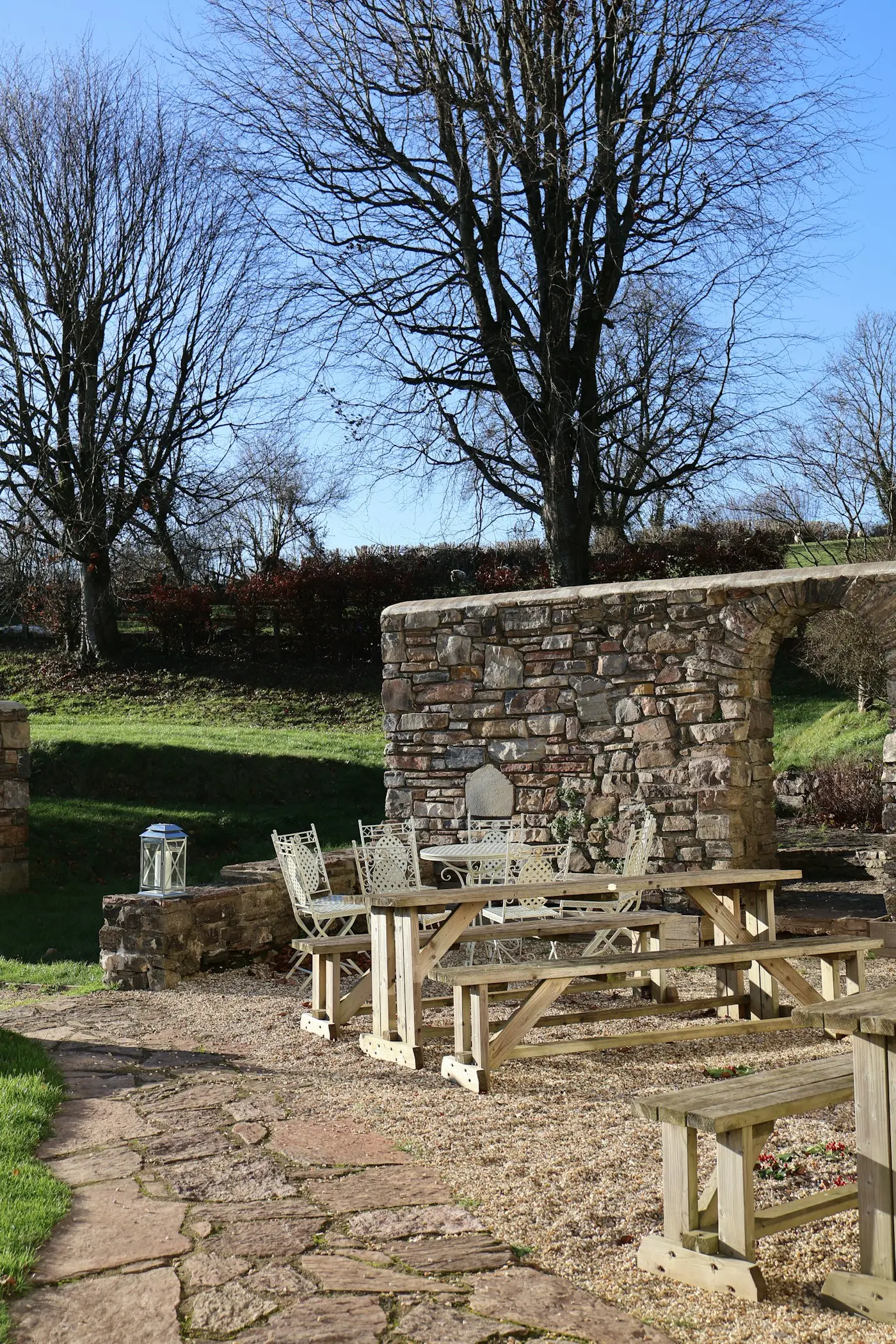
What garden design looks like in Marsden
Marsden sits at the head of the Colne Valley in the HD7 postcode, where the valley closes in and the moorland begins on both sides. This is a landscape of gritstone mills, reservoir-lined valleys, and steep garden plots that drop or climb sharply from stone-built terraces. The village has developed a strong arts and outdoor identity over recent decades, and the gardens here often reflect an appreciation for distinctive planting and considered design rather than conventional maintenance.
The Millstone Grit geology produces acidic soils through the whole area. Soil pH typically runs between 5 and 6.5, which matters enormously for plant choice. Acid-loving plants thrive here without the soil amendments they need on alkaline ground. Lime-hating calcifuges - rhododendrons, azaleas, camellias, pieris - are genuinely at home in Marsden's natural soil. This is a genuine advantage over gardens further east or south on limestone or chalk.
The annual rainfall of over 1,200mm per year is the other defining characteristic. Marsden catches weather coming off the Pennines from the west and it shows: the valley is green, damp, and moss-covered in a way that wetter moorland areas always are. That moisture level suits a wide range of plants and removes the summer irrigation burden that drier areas face. On steep slopes the challenge is not too little water but managing the speed at which it runs off without eroding bare soil.
Steep gardens and terracing
Many Marsden garden plots are genuinely steep, particularly on the hillside terraces above the valley floor. Steep gardens are harder to use, harder to maintain, and harder to plant effectively than level ground. The most common design intervention is terracing: creating a series of level areas held by retaining walls. In Marsden, local gritstone dry-stone retaining walls look entirely right and blend with the existing boundary walls. Timber railway sleepers are a cheaper alternative and suit more informal and contemporary schemes.
Terracing a steeply sloping garden is a significant structural project. The retaining walls need proper foundations and adequate drainage behind them, and the earthworks involved require machinery on anything other than a very small plot. That makes terracing the biggest cost variable in a Marsden garden redesign. But the result - a series of usable level areas with interesting level changes - is usually worth the investment on a seriously steep plot.
High rainfall and moisture-loving planting
Marsden's high rainfall supports a planting palette that would struggle in drier parts of Yorkshire. Hydrangeas, in particular, are excellent here: they love the moisture and the acidic soil, and they give colour from July through October without needing irrigation. Tree ferns can be successfully grown in sheltered south-facing positions. Woodland-style planting - trilliums, astilbes, hostas, ferns, foxgloves - naturalises easily in the damp conditions.
The risk in high-rainfall gardens is waterlogging on flat or low-lying ground. If your garden has areas that stay wet for weeks after rain, raised beds or improved drainage are worth considering before planting. Wet-tolerant species (willowherbs, gunnera, iris sibirica, astilbe) can make a positive feature of wet ground, but most conventional garden plants will deteriorate on waterlogged roots.
Cost ranges for Marsden garden design
| Service | Cost range |
|---|
| Initial design consultation | £150-400 |
| Planting plan only | £300-800 |
| Full design and project management | £800-3,000+ |
| Terracing and retaining walls (per level) | £2,000-6,000 |
| Full steep garden redesign (50-100 sqm) | £8,000-20,000+ |
| Border replant only | £150-400 |
The terracing and structural work is the main cost variable in Marsden. Gritstone dry-stone retaining walls cost more than timber sleepers but last decades longer and look considerably better on period stone properties. Designers quote directly based on your plot and brief.
Start your free Marsden garden estimate
Tell us what you want from your garden and we put your enquiry in front of a local designer who understands Colne Valley conditions and quotes directly.
Get a design estimate
The full local guide
Plants that work in Marsden gardens
The acidic soil and high rainfall are assets. Rhododendrons, azaleas, pieris, and camellias all grow well without soil amendment. Hydrangeas are outstanding performers in Marsden: the moisture and acidity suits them perfectly, and they give months of colour with minimal maintenance. Heathers naturalise on upper slopes where the soil is thin and most acidic.
Hardy ferns are ideal for north-facing and shaded lower garden areas where light is limited. Tree ferns (Dicksonia antarctica) can be grown in sheltered south-facing positions and make bold architectural statements. Hostas perform well in the moist conditions. Astilbes, rodgersias, and ligularias suit wetter lower areas and give late-summer colour in conditions that most plants dislike.
For structure and hedging, beech performs well on acidic soils and gives a year-round hedge even though it retains leaves in winter rather than being evergreen. Holly is naturally at home on gritstone moorland-edge and makes an effective formal or informal boundary. Yew grows well on acidic soil and is the best choice for formal topiary hedging in Marsden.
Frequently asked questions
What soil do Marsden gardens have?
Marsden sits on Millstone Grit, which produces acidic, free-draining sandy soils on the upper slopes and wetter, peaty accumulations in hollows. The soil pH is typically between 5 and 6, which suits acid-loving plants. The high rainfall of over 1,200mm per year keeps moisture levels up, but steep slopes shed water quickly and exposed upper-garden beds can still dry out.
How much does garden design cost in Marsden?
An initial design consultation runs £150-400. A planting plan costs £300-800. Full design with project management is typically £800-3,000. A complete garden makeover including terracing on a steep plot can cost £8,000-20,000 due to the structural work involved. Designers quote directly based on your site and brief.
How do you design a steep hillside garden in Marsden?
Steep Marsden gardens usually need terracing or retaining walls to create usable level areas. Dry-stone retaining walls in local gritstone are the traditional solution and look right in the valley context. Timber sleeper walls are cheaper and can work well on informal plots. The terracing work is typically the biggest cost on a steep garden redesign.
What plants suit Marsden's acidic wet conditions?
The acidic Millstone Grit soil and high rainfall make Marsden well suited to rhododendrons, azaleas, pieris, camellias, heathers, and ferns. Hydrangeas perform extremely well in the high-rainfall, acidic conditions. Hardy ferns are excellent for shaded north-facing lower gardens. On drier upper slopes, heathers and bilberries naturalise easily.
Does the high rainfall in Marsden cause gardening problems?
The 1,200mm+ annual rainfall is generally an advantage for moisture-loving plants, but it does cause waterlogging on poorly drained or low-lying ground. On steep slopes, water rushes off before it can soak in, which can cause erosion on bare soil. Good mulching, ground cover planting on slopes, and raised beds in lower hollow areas address the most common rainfall-related problems.
Areas around Marsden we also cover
We match homeowners with designers across the HD7 postcode and surrounding upper Colne Valley including Slaithwaite, Golcar, Meltham, and Holmfirth. For general garden maintenance, lawn care, and year-round gardening in Marsden, visit our local gardeners in Marsden page.