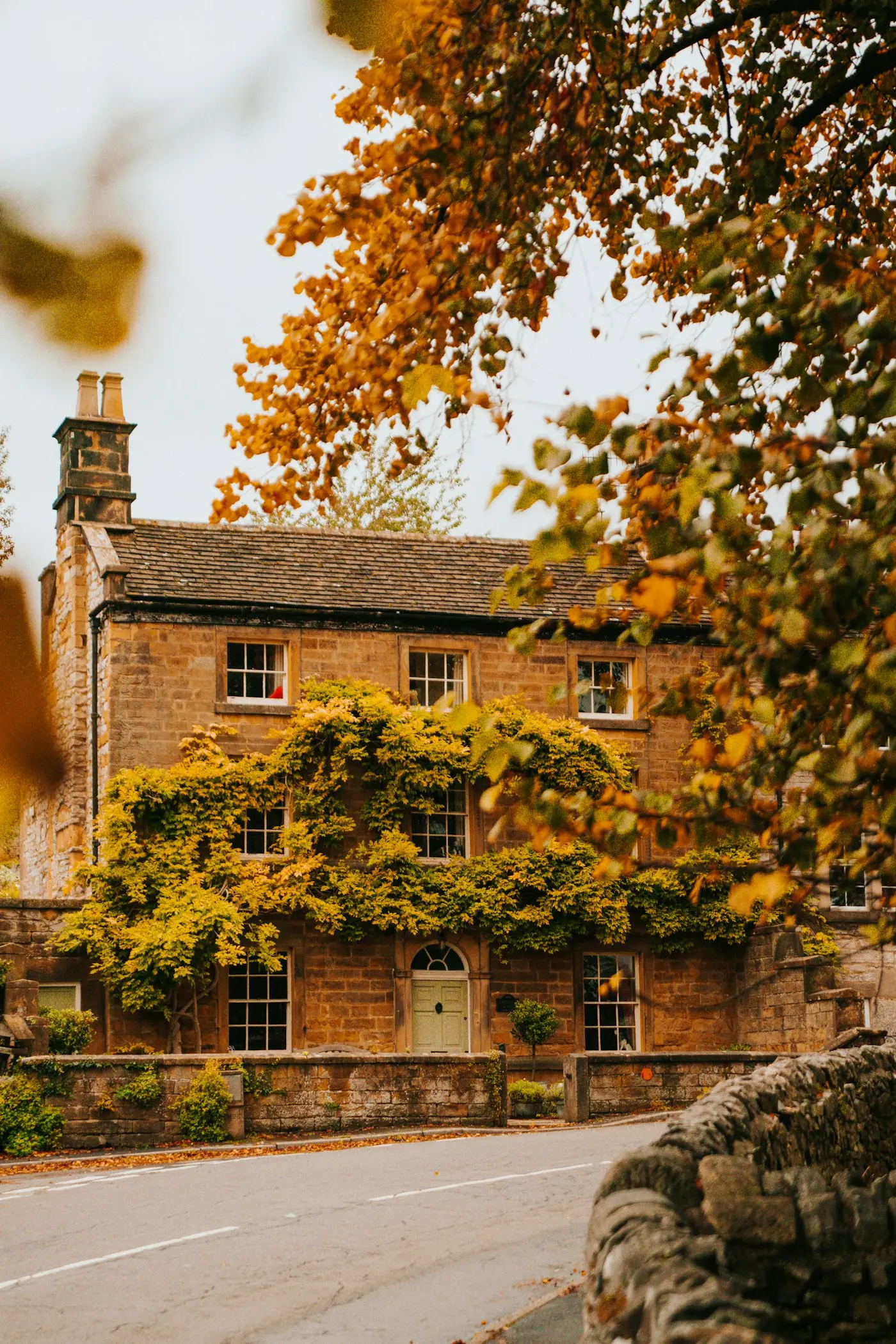
What garden design looks like in Normanton
Normanton sits in the WF6 postcode in West Yorkshire's ex-mining belt, between Wakefield and Castleford on the relatively flat lowland landscape shaped by the Coal Measures geology beneath. The town grew as a railway junction and mining community, and the residential plots reflect that heritage: a mixture of older terraced housing with small back gardens and newer development with more varied plot sizes, on flat ground that gives you the full Yorkshire sky in every direction.
The soil through Normanton and the surrounding area is Coal Measures clay: heavy, neutral-to-slightly-acidic, highly fertile, and moisture-retentive. The coal seams sit below a thick sequence of clay and mudstone that forms the surface geology. This clay is genuinely excellent garden soil if you manage it correctly: it holds nutrients better than sandy soils, stays moist through dry spells, and supports a wide range of plants from roses to vegetables. The problems it creates are drainage-related: it compacts under foot traffic and machinery, drains slowly after heavy rain, and becomes very hard and cracked in dry summers.
A garden designer working on Normanton clay will address the drainage and compaction question before anything else. Getting that right opens up a wide range of design options. Ignoring it and trying to grow plants that need free drainage on persistently wet clay creates maintenance problems that compound over time.
Working with Coal Measures clay
Coal Measures clay is heavy and can be challenging to work in the wrong conditions, but it is genuinely fertile and moisture-retentive once managed well. The main interventions that make a real difference are: deep cultivation with added grit and organic matter to improve structure; raised beds for anything that needs free drainage, including most vegetables, herbs, and Mediterranean plants; and clear paths and edging so the lawn and beds do not get compacted by foot traffic.
Clay lawns are a common issue in Normanton. Lawns on clay compact badly, drain slowly, and suffer from moss and worm casting. Regular aeration, overseeding with grass species suited to clay, and improving drainage under the lawn surface addresses this - but it takes a season or two to see the full benefit. A designer who understands clay will factor this into the overall garden plan rather than treating the lawn and the beds as separate problems.
Low-maintenance design for practical gardens
Most Normanton gardens are designed to be used rather than admired at a distance. The family garden brief - somewhere for children to play, somewhere to sit in the evening, a practical surface, and planting that does not need weekly attention - is the most common request. On clay soil, getting the hard landscaping right matters: a well-drained patio surface on a proper sub-base, lawn edges defined by mowing strips, and planting beds that can be mulched and left rather than requiring constant intervention.
Clay-tolerant shrubs and perennials that give year-round structure without high maintenance are the backbone of a practical Normanton garden: roses, hardy geraniums, hemerocallis, ornamental grasses, and shrubs like philadelphus and weigela that are genuinely robust on clay and provide good seasonal interest without fussiness.
Cost ranges for Normanton garden design
| Service | Cost range |
|---|
| Initial design consultation | £150-400 |
| Planting plan only | £300-800 |
| Full design and project management | £800-3,000+ |
| Patio and hard landscaping | £2,000-8,000 |
| Full garden makeover (50-100 sqm) | £5,000-15,000+ |
Drainage improvement work on seriously waterlogged clay plots adds to the overall cost, but addresses the root cause of most Normanton garden problems. Designers quote directly based on your site and brief.
Start your free Normanton garden estimate
Tell us what you want from your garden and we put your enquiry in front of a local designer who understands WF6 clay soils and quotes directly.
Get a design estimate
The full local guide
Plants that work in Normanton clay gardens
Roses are at home on Normanton clay: they love the fertility and moisture retention. Hybrid tea roses, floribundas, and shrub roses all perform well, producing better growth and more reliable flowering than they would on thin sandy soils. Hardy geraniums, hemerocallis, hostas, and astilbes all cope with clay. Ornamental grasses add movement and year-round structure and are generally clay-tolerant once established.
For shrub structure, forsythia, philadelphus, weigela, and mock orange are reliable choices on clay. They provide seasonal interest in spring and early summer and require little attention through the year. Ornamental cherries and rowans do well as small garden trees on clay.
Avoid plants that require free-draining conditions: lavender, rosemary, cistus, and most Mediterranean herbs deteriorate on persistently moist clay. If you want these plants, raise them in well-drained containers or raised beds with added grit, rather than putting them in open clay borders.
Frequently asked questions
What soil do Normanton gardens have?
Normanton sits on Coal Measures clay, the heavy, neutral-to-slightly-acidic clay typical of the West Yorkshire ex-mining belt. This clay is fertile and moisture-retentive, which suits a wide range of plants, but it compacts easily, drains poorly in winter, and becomes hard and cracked in dry summers. Working with clay soil rather than against it is the key design principle.
How much does garden design cost in Normanton?
An initial design consultation runs £150-400. A planting plan costs £300-800. Full design with project management is typically £800-3,000. A complete garden makeover on a 50-100 sqm plot runs £5,000-15,000. Drainage improvement work adds to the cost on heavy clay sites. Designers quote directly based on your site and brief.
Can you improve drainage in a heavy clay Normanton garden?
Yes. The most cost-effective improvements for heavy clay are deep cultivation with grit and organic matter, raised beds for vegetables and tender plants, and in seriously waterlogged cases a French drain or soakaway. Clay soil that drains adequately is extremely fertile and productive. A designer will assess whether your drainage issues need engineering solutions or whether soil improvement is sufficient.
What plants work well in Normanton clay gardens?
Clay-tolerant plants thrive in Normanton: roses, hardy geraniums, astilbes, hemerocallis, hostas, and most hardy shrubs including forsythia, philadelphus, weigela, and mock orange. Avoid Mediterranean plants that need free drainage: lavender, rosemary, and cistus deteriorate on persistently wet clay.
What are the most common garden design requests in Normanton?
Low-maintenance garden redesigns are the most common request. Most homeowners want a garden that looks reasonable year-round without requiring significant weekly effort. Structured hard landscaping, low-maintenance shrubs and perennials, and minimal fussy bedding delivers that result on clay soil.
Areas around Normanton we also cover
We match homeowners with designers across WF6 and surrounding West Yorkshire including Altofts, Woodlesford, Castleford, Wakefield, and Pontefract. For general garden maintenance, lawn care, and year-round gardening in Normanton, visit our local gardeners in Normanton page.