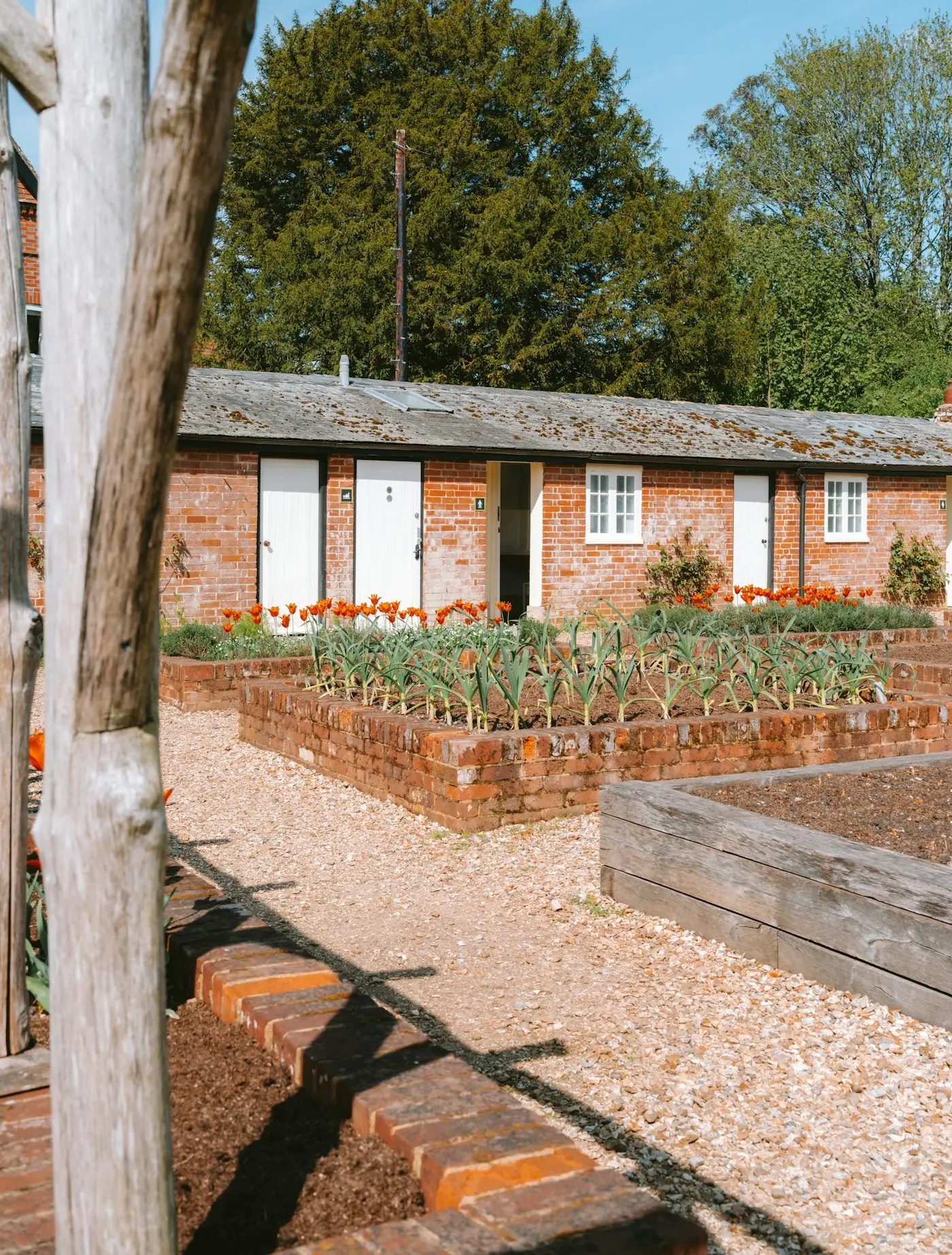
What garden design looks like in Whitby
Whitby sits on the North Yorkshire coast where the River Esk meets the sea, split between the clifftop streets above the abbey and the sheltered lower town around the harbour. Holiday lets, second homes and permanent residents all bring different garden briefs — and the coastal conditions mean the species choices matter as much as the maintenance schedule.
Whitby gardens are shaped by two completely different environments depending on where you are. The exposed clifftop streets above the harbour where salt wind and thin stony soil dictate everything, and the sheltered Esk valley running inland where things grow surprisingly well. A good garden designer understands the difference and recommends planting that suits the conditions you actually have rather than aspirational schemes that need more shelter and better soil than an exposed clifftop plot can provide.
This is one of the most demanding coastal gardening environments in Yorkshire. The clifftop streets above the harbour get sustained salt spray and the full force of North Sea easterlies through autumn and winter. Most delicate shrubs fail within two seasons without proper shelter, and the soil is thin and stony over rock. Down in the harbour town and along the lower streets, the enclosed character of the fishing-village terraces provides real shelter. Growing conditions in these gardens are much gentler than the clifftops suggest — the classic terrace cottage gardens here can carry a proper range of planting that the exposed upper town simply cannot.
Exposed clifftop and upper-town gardens
Clifftop properties need windbreak hedging as the first priority. Escallonia, griselinia, sea buckthorn and Rosa rugosa are the species that actually work in full exposure. Getting a proper windbreak established is the first step before anything else will survive reliably, and the positioning matters as much as the species: a gap in the windbreak funnels wind worse than no hedge at all. If your clifftop borders keep failing, the fix is changing what you plant, not replacing like for like.
Sheltered harbour-town terrace gardens
The enclosed walled character of the harbour-town gardens means there is real potential to grow well within a small footprint. These plots can carry traditional cottage-garden planting: climbing roses, clematis on walls, herbaceous borders, and even fruit trees in the most sheltered courtyards. The regular maintenance on these plots is closer to inland Yorkshire work than to the exposed clifftop gardens two streets away.
Esk valley and inland properties
The Esk valley running inland through Sleights and Ruswarp gives completely different ground: rich loam in the sheltered river corridor, good moisture retention, and a microclimate that produces genuinely well-grown gardens. Borders out along the valley floor can carry the kind of planting you would never get away with on the cliff above. Spring comes later here than in York — the valley shelters the frost but the growing season on this side of the moors is noticeably shorter, and any planting scheme should account for that.
Holiday-let and second-home properties
Holiday-let and second-home maintenance visits are a steady category through summer. Properties need to look presentable between short-let turnovers without major intervention on each visit. If your holiday cottage garden sits empty through winter, spring clearance and reset is the annual job that gets it back in shape before the Easter rush. The design brief for these properties is low-maintenance planting that looks good without weekly attention.
Cost ranges for Whitby garden design
Garden design pricing depends on the scope of work and whether you want design only or full project management. These are the typical ranges for budgeting:
| Service |
Cost range |
| Planting plan only |
£300-800 |
| Planting plan + implementation |
£600-1,500 |
| Full design and project management |
£800-3,000+ |
| Windbreak hedging installation |
quoted separately |
| Low-maintenance redesign |
£800-2,500 |
| Full garden makeover (50-100 sqm) |
£5,000-15,000+ |
Coastal-resilient windbreak hedging is often the largest single item on an exposed clifftop design. Designers quote directly based on your specific brief and coastal exposure. For more detail on what drives the cost, see what a garden makeover costs.
Start your free Whitby garden estimate
Tell us what you want and we put your enquiry in front of local designers who quote directly. No call centre fees on your side.
Get a design estimate
The full local guide
What plants tend to suit Whitby gardens
Your planting palette depends entirely on whether you have exposed clifftop ground or sheltered harbour or valley ground. Clifftop plots in full exposure need salt-tolerant species that can handle North Sea winds: escallonia, griselinia, sea buckthorn, Rosa rugosa, tamarisk, sea holly, valerian, and salt-tolerant grasses. These plants survive where most others fail.
Sheltered harbour-town gardens can carry a much wider range: climbing roses and clematis on walls, hardy geraniums, lavender, rosemary, traditional cottage-garden perennials, and even wall-trained fruit in the most protected courtyards. The microclimate in these walled plots is genuinely forgiving compared to the clifftop exposure.
Esk valley plots on rich loam can carry proper border planting: shrub roses, peonies, delphiniums, hardy geraniums, ornamental grasses, and established mixed borders. The valley soil is moisture-retentive and fertile — the brief is closer to inland North Yorkshire than to the coastal work. A local designer will assess your specific exposure and soil type and recommend a planting scheme that works with the conditions you have.
Process for a Whitby garden designer
- Initial brief. Tell us what you want from the garden — whether it is salt-tolerant planting for an exposed clifftop, a sheltered cottage-garden redesign, or help with windbreak hedging.
- Site visit and assessment. The designer visits, assesses your soil, exposure, existing planting and any constraints. This is usually a free initial consultation.
- Proposal and design. You receive a scaled design with planting plan, materials specification, and cost estimate. For design-only work, this is the deliverable and you implement it yourself or find your own contractors.
- Phasing and coordination. For full design-and-build projects, the designer coordinates contractors (windbreak hedging, hard landscaping, drainage), orders plants, and schedules installation.
- Installation and establishment. Planting is carried out, usually in autumn or early spring. Windbreak hedging for exposed clifftop properties needs to be established before the rest of the planting.
A planting plan can be produced within one to two weeks of the site visit. A full redesign with installation typically takes four to twelve weeks depending on project scale. Windbreak hedging for exposed clifftop properties needs to be established before the rest of the planting, so phasing matters more here than in sheltered inland gardens. Spring comes later in Whitby than in York — the growing season on this side of the moors is noticeably shorter.
Designers in Whitby postcode
We connect homeowners across YO21-YO22 with local designers who quote directly. They set their own prices and there are no call centre fees on the customer side. The free initial estimate gives you a sense of what your project involves before you commit to the full design. Whether you want a planting plan only or full project management, we put your enquiry in front of someone who has done coastal work in the Whitby area and understands the exposure and shelter challenges.
Frequently asked questions
What are the best plants for a Whitby clifftop garden?
Clifftop gardens above the harbour get sustained salt spray and full North Sea easterlies through autumn and winter. The species that actually work in full exposure are escallonia, griselinia, sea buckthorn, Rosa rugosa, tamarisk, sea holly, and native hawthorn. Most delicate shrubs fail within two seasons without proper shelter. If your clifftop borders keep failing, the fix is changing what you plant, not replacing like for like. A local designer will recommend a salt-tolerant palette that survives the exposure.
How much does garden design cost in Whitby?
A planting plan only service costs £300-800. Planting plan with implementation runs £600-1,500. Full design with project management typically costs £800-3,000+. A full garden makeover on a 50-100 sqm plot runs £5,000-15,000+. Windbreak hedging installation for exposed clifftop properties is quoted separately. Designers quote directly based on your specific brief and coastal exposure.
Can you design a sheltered harbour-town garden?
Yes. Down in the harbour town and along the lower streets, the enclosed character of the fishing-village terraces provides real shelter. Growing conditions here are much gentler than the clifftops suggest. The classic terrace cottage gardens can carry a proper range of planting that the exposed upper town simply cannot. A designer will recommend planting that suits the sheltered microclimate rather than treating it like the exposed clifftop.
What is windbreak hedging and do I need it?
Windbreak hedging is shelter planting specifically to create calm air behind for more vulnerable plants. On exposed Whitby clifftops, escallonia, griselinia, sea buckthorn and native hawthorn planted as a windbreak are the first step before anything else will survive reliably. The positioning matters as much as the species: a gap in the windbreak funnels wind worse than no hedge at all. A designer will assess your exposure and recommend a shelter strategy.
Do Esk valley gardens have the same challenges as clifftop gardens?
No. The Esk valley running inland through Sleights and Ruswarp gives completely different ground: rich loam in the sheltered river corridor, good moisture retention, and a microclimate that produces genuinely well-grown gardens. Borders out along the valley floor can carry the kind of planting you would never get away with on the cliff above. The brief is closer to inland North Yorkshire than to the exposed coast two miles away.
How long does a Whitby redesign take?
A planting plan can be produced within one to two weeks of the site visit. A full redesign with installation typically takes four to twelve weeks depending on project scale and plant availability. Windbreak hedging for exposed clifftop properties needs to be established before the rest of the planting, so phasing matters more here than in sheltered inland gardens. Spring comes later in Whitby than in York — the growing season on this side of the moors is noticeably shorter.
Areas around Whitby we also cover
We also match homeowners with designers in Scarborough, Pickering, and surrounding coastal villages including Robin Hood's Bay, Sandsend, Sleights, and Ruswarp.
For general garden maintenance, lawn care, and year-round gardening services in Whitby, visit our local gardeners in Whitby page.