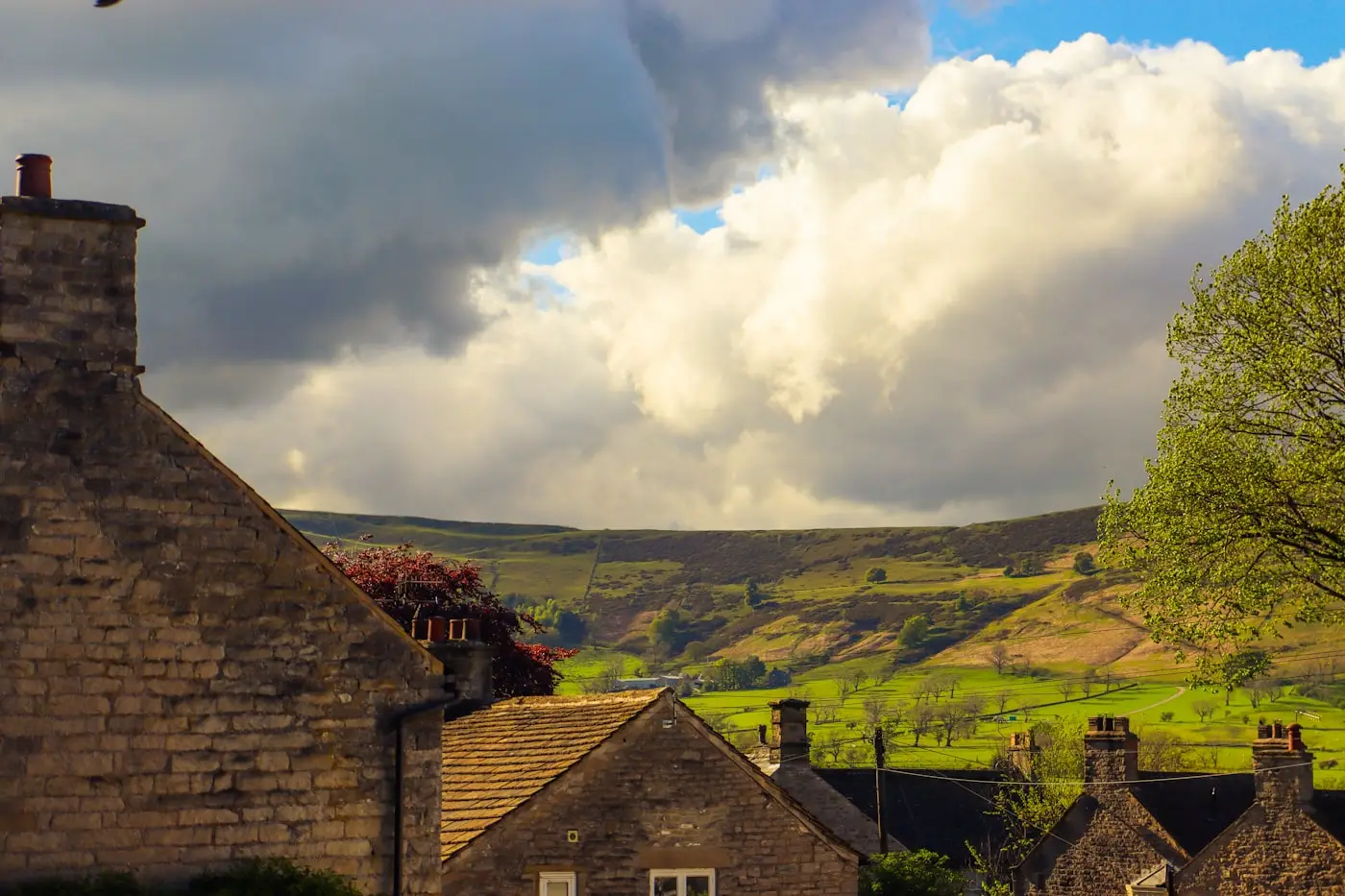
Bradford is a city of hills and contrasts. The inner city sits in a bowl, ringed by millstone grit moorland to the west and north. Gardens here deal with heavy clay soils, significant rainfall, and a growing season that starts later and ends earlier than in the Vale of York. The suburbs of Bingley, Shipley, and Baildon have proper residential gardens that need consistent year-round attention. The Victorian terrace streets of inner Bradford have smaller plots with their own challenges. Getting maintenance right across these conditions requires a gardener who understands local soil and climate - not just one with a lawnmower and some time to fill.
What garden maintenance typically costs in Bradford
| Service | Typical Bradford price | Notes |
|---|---|---|
| Hourly rate | £25-42/hr | Lower than Leeds and Harrogate on average |
| Monthly maintenance contract | £80-170/month | Fortnightly visits; Bingley and Baildon gardens at the top end |
| One-off spring tidy | £80-200 | Single visit; larger Shipley or Saltaire semis at the higher end |
| Lawn mowing only | £18-38 per visit | Average Bradford suburban garden |
| Hedge trimming | £40-120 per session | Leylandii and privet common in Bradford suburbs |
| Full garden clearance | £120-380 | Slightly lower than Leeds on average due to smaller inner plots |
What regular garden maintenance includes
Standard maintenance in Bradford covers the same core tasks as across Yorkshire:
- Lawn mowing and edge trimming (fortnightly through the growing season)
- Border weeding and tidying
- Deadheading and light pruning through summer
- Hedge trimming (two to three cuts per year depending on species)
- Leaf clearance in autumn
- Seasonal cutting back in late autumn
Bradford-specific considerations:
- Lawn aeration is particularly important given the heavy clay soils - ask if this is included or an annual add-on
- Moss is a significant lawn problem in Bradford's wetter conditions; a gardener who understands moss management makes a real difference
- Steep gardens on Bradford's valley sides need specific approach to mowing and access
Bradford gardens: soil, housing, and the Pennine effect
Bradford's underlying geology is coal-measure strata - sandstones, shales, and thin coal seams that create a heavy, poorly-draining soil across much of the district. The practical effect is clay-dominant soil that gets waterlogged in wet winters and can crack in unusually dry summers. This is challenging soil to work, but not hopeless: consistent organic matter addition (compost, leaf mould, well-rotted manure) improves structure over time, and aeration twice a year transforms lawn drainage on heavy Bradford clay.
The Pennine edge brings significant rainfall. Bradford's western hills receive 800-1000mm of rain per year, much of it from November to March. Gardens here stay wetter for longer in spring, delaying the start of the mowing season and making early border work tricky. Plants that would thrive in the same position in York may struggle on exposed Bradford hillside gardens where the combination of wind, waterlogging, and late frosts all reduce the growing window.
Victorian and Edwardian terraces (BD1-BD8, inner Bradford)
Much of inner Bradford is Victorian terrace housing with typical small back-yard gardens: 4-8 metres deep, often paved or concreted, with a narrow border strip if anything. These are low-maintenance plots by definition - a few hours twice a year to keep them tidy is often all they need. The challenge is access: Bradford's steep streets and narrow ginnels can make equipment access difficult. A gardener who already works the area will know the streets and the access patterns.
Bingley, Shipley, and Baildon suburbs
Moving away from the city centre, Bradford's northern and western suburbs carry larger gardens. Bingley and Shipley have a mix of Edwardian semis and 1950s-70s estates with 60-120 sqm gardens, proper lawns, and established hedging. These are the gardens that justify a monthly contract. Soil in Shipley is often slightly better-drained than inner Bradford, sitting on sandier material above the river Aire. Baildon's hillside gardens benefit from better air circulation but face greater wind exposure.
Saltaire and the arts-and-crafts belt
Saltaire's UNESCO-listed terraces have a particular character - neat front gardens with privet hedging are part of the planned village aesthetic, and there is community expectation that they are maintained properly. Many Saltaire homeowners take pride in their front gardens. A gardener who understands the heritage context and keeps front hedges neat is valued here.
Moss on Bradford lawns
Moss in lawns is the single most common maintenance problem in Bradford. The combination of heavy soil, high rainfall, and partial shade from houses creates ideal moss conditions. Scarification removes established moss but is only half the solution. The other half is addressing drainage (aeration, grit), reducing shade where possible, and maintaining lawn vigour with correct feeding and cutting. Ask any gardener you are considering whether they can explain the cause-and-treatment cycle for moss, not just recommend scarification.
How to find and vet a gardener in Bradford
Bradford has reasonable availability of gardeners across its various neighbourhoods. As with most Yorkshire cities, the most reliable route is personal recommendation. A gardener working regularly in Shipley, Bingley, or Baildon will already know the local soil conditions and be set up with the right equipment for Bradford terrain.
Check public liability insurance, ask for references from comparable Bradford gardens, and confirm the specific postcodes they cover. Bradford is large and a gardener based in the south of the district may not be the right choice for a Baildon hillside garden. Ask directly: "Where are most of your current clients based?"
For steep gardens, ask specifically about their approach and equipment. Some gardeners will not take on very steep lawns due to safety and equipment constraints. Better to find this out before booking than after a missed appointment.
Monthly garden maintenance calendar for Bradford
| Month | Key tasks |
|---|---|
| January-February | Winter pruning; avoid working wet clay; plan structural improvements |
| March | First cut when ground allows (later than York due to wet clay); mulch borders; early weeding |
| April | Mowing begins (later start than east Yorkshire); border preparation; moss scarification if not done in autumn |
| May | Fortnightly mowing; weeding; first hedge trim for fast growers |
| June | Full maintenance rhythm; deadheading; second hedge trim; watch for privet blossom timing |
| July | Mowing; hedge trimming; weeding; Bradford rarely gets the drought conditions of the east |
| August | Continued maintenance; third hedge trim if needed; note any waterlogging for autumn aeration |
| September | Hollow-tine aeration (essential on Bradford clay); overseed bare patches; plant spring bulbs |
| October | Leaf clearance; final mow; mulch borders; autumn tidy |
| November | Heavy leaf clearance in Bingley and Shipley (mature trees); cut back herbaceous; compost green waste |
| December | Winter pruning; structure work; path and patio maintenance |
Frequently asked questions
How much does garden maintenance cost in Bradford?
Bradford gardeners typically charge £25-42 per hour. Monthly contracts for an average-sized garden run £80-170. Larger gardens on the Pennine fringe villages push to the top of the range.
What is the soil like in Bradford gardens?
Bradford sits largely on clay and coal-measure soils - heavy, moisture-retentive, and prone to waterlogging in wet winters. The Pennine edge to the west brings even wetter, more acidic soils. Drainage is the main challenge: aeration, grit, and organic matter addition all help significantly over time.
Does the Bradford climate affect garden work?
Yes, notably. Bradford's Pennine edge position makes it one of the wetter parts of West Yorkshire - rainfall averages around 750-900mm per year. Gardens on higher ground west of Bradford can get frost as late as May. The growing season is slightly shorter and wetter than in the Vale of York. Hedges and lawns recover more slowly from hard cutting in cooler, wetter conditions.
Are Bradford gardeners cheaper than Leeds?
Typically slightly cheaper, yes. Bradford hourly rates of £25-42 compare to Leeds rates of £25-48. The difference is not dramatic but consistent. Always get at least two quotes - individual gardeners price their own time quite differently regardless of city.
What types of gardens are common in Bradford?
Bradford has a mix: Victorian and Edwardian terraces dominate the inner city with small plots, often steeply sloped. The suburbs of Bingley, Shipley, and Baildon carry larger Edwardian and interwar semis with proper lawns and borders. Villages on the Pennine fringe have traditional stone cottage plots and newer housing.
Get a quote for Bradford garden maintenance.
60-second assessment. If a local Bradford gardener takes your enquiry, they call you with a price for your garden.
Start the assessmentRelated reading
- Garden maintenance service page
- Grass cutting in Yorkshire
- Hedge trimming in Yorkshire
- How much do gardeners charge? UK prices 2026
- Lawn care in Yorkshire
- Garden maintenance in North Yorkshire
Gardeners in your area
We cover the whole of Yorkshire. Find your nearest local page: