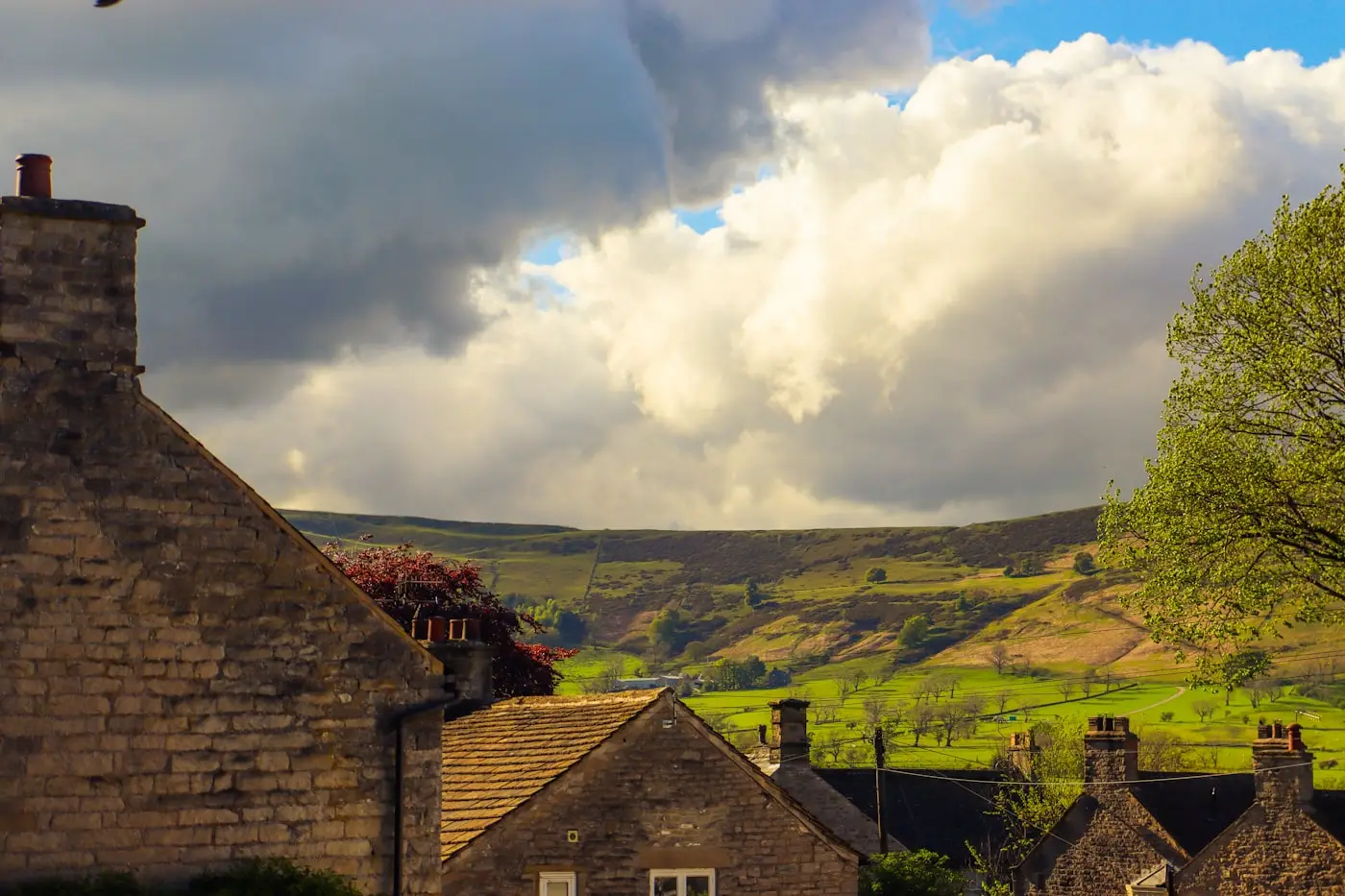
Leeds is a city of enormous variety when it comes to gardens. The Victorian back-to-back terraces of Headingley, Hyde Park, and Holbeck have small courtyard gardens, often paved with little more than a border strip and whatever greenery has self-seeded over the years. Drive north to Alwoodley, Moortown, or Roundhay and you find Edwardian semis and detached houses with proper lawns, mature hedging, established rose beds, and the kind of garden that needs regular professional attention to stay presentable. Both ends of this spectrum - and everything in between - are common in Leeds.
What garden maintenance typically costs in Leeds
| Service | Typical Leeds price | Notes |
|---|---|---|
| Hourly rate | £25-48/hr | Higher in north Leeds suburbs; lower in outer south/east areas |
| Monthly maintenance contract | £90-200/month | Fortnightly visits; larger north Leeds gardens at the top end |
| One-off spring tidy | £90-220 | Single visit clearing the winter |
| Lawn mowing only | £20-45 per visit | Typical Leeds suburban lawn |
| Hedge trimming | £45-140 per session | More at the top end for tall or long hedges in north Leeds |
| Full clearance | £130-400 | Overgrown gardens; inner Leeds terraces often at the lower end due to smaller size |
What regular garden maintenance includes
A standard Leeds maintenance contract covers the core work to keep a garden under control through the season:
- Lawn mowing (fortnightly from April to October, monthly or as-needed over winter)
- Lawn edging along borders and paths
- Border weeding and plant tidying
- Deadheading through summer
- Hedge trimming (typically two or three cuts per year)
- Seasonal clearing: leaf removal autumn, cutting back late autumn into winter
- Path and patio sweeping
Things that usually sit outside a standard contract:
- Lawn renovation (aeration, scarification, overseeding) - usually an autumn add-on
- New planting or border redesign
- Pressure washing
- Tree work (any size - always needs a separate quote)
- Skip hire or additional waste disposal
Leeds gardens: soil, housing, and what that means for maintenance
Leeds sits on a varied geology. The dominant soil in much of inner and south Leeds is heavy clay - the kind that holds water through winter, cracks in dry summers, and makes digging in wet weather a miserable prospect. Working clay soil repeatedly when wet destroys its structure; a good Leeds gardener knows to stay off the borders in January and February unless the conditions are right.
Clay is not a bad thing once you work with it. It retains nutrients well and tends to produce vigorous growth once improved. The improvement process takes time: annual mulching (5-8cm of well-rotted compost or bark), hollow-tine aeration on lawns each autumn, and patience. After three or four years of consistent organic matter addition, a Leeds clay garden behaves very differently from when you started.
Inner Leeds: Victorian terraces (LS6, LS7, LS11, LS12)
Headingley, Hyde Park, Woodhouse, Beeston, Armley. These areas have the classic long thin terrace plot: 5-7m wide, 8-15m deep, often with a paved or concrete hard-standing immediately behind the back door and a strip of garden beyond. Many are partially shaded by the back wall of the house. Priorities are usually: keep the lawn (if there is one) manageable, keep borders from looking completely overgrown, and maintain whatever hedge or fence line defines the boundary. These gardens are not complicated but they need consistent attention through the growing season or they quickly look neglected.
North Leeds: Edwardian and post-war suburbs (LS6, LS8, LS16, LS17)
Chapel Allerton, Alwoodley, Moortown, Shadwell, Roundhay, Horsforth. Here you find larger Edwardian semis and 1930s detached properties with proper gardens: 60-150+ sqm, often with established lawn, mature borders, hedging on two or three sides, and sometimes a vegetable plot or fruit trees. These gardens justify a proper monthly contract. Soil in north Leeds tends to be slightly lighter - the Magnesian Limestone ridge running through Harewood and Wetherby extends south into these areas - but heavy clay is still common especially in the Roundhay and Shadwell areas where glacial deposits run deep.
East and south Leeds: mixed suburban estates (LS9, LS10, LS15, LS25)
Cross Gates, Seacroft, Garforth, Morley, Beeston. A wide range of garden sizes from small council and ex-council gardens (30-50 sqm) to larger private plots on newer estates. Soil is predominantly heavy clay with patches of made ground on former industrial sites. These gardens often get left longer between cuts - good value for a gardener to pick up a round here.
Leeds clay and new builds
If you have moved into a new-build in Leeds in the last five years, your garden soil is almost certainly compacted subsoil with a thin topsoil layer added at the end of the build. It will behave nothing like a mature garden. It needs aeration, organic matter, and time before it grows well. Do not judge it by its first year.
How to find and vet a gardener in Leeds
Leeds has a large number of gardeners working across its various neighbourhoods. The challenge is not finding one willing to quote - it is finding one who will turn up reliably, communicate when they cannot, and genuinely know their way around a garden rather than just mowing and blowing.
Recommendations are the gold standard. A gardener maintaining several properties on your street already knows your local soil conditions, any shared boundary hedges, and the parking situation. Ask neighbours before going online.
If you are using a quote service or online directory, look for gardeners who specify the Leeds postcodes they cover. A gardener who "covers Leeds" might be based in Morley and charge a travel supplement to get to Roundhay. Geography matters - ask where they are based and how many clients they have in your postcode area.
Always ask for public liability insurance evidence (minimum £1 million, preferably £2 million). Check they have a clear process for missed visits - what triggers a rescheduled visit rather than simply a skipped one. And for any regular contract, confirm minimum notice periods on both sides before signing.
Leeds-specific vetting tips
- Ask specifically about clay soil experience - do they adjust their approach in wet winters?
- For north Leeds gardens: ask about specialist pruning if you have roses, trained fruit, or formal hedging
- For inner Leeds terraces: ask about access with equipment (narrow ginnels are common)
- Confirm waste disposal - Leeds City Council's garden waste collection requires a paid permit; does the gardener take waste away or expect you to deal with it?
Monthly garden maintenance calendar for Leeds
| Month | Key tasks |
|---|---|
| January-February | Winter pruning (roses, buddleja, late-flowering shrubs); structural work; stay off wet clay |
| March | First cut (high blade); border edges; mulch borders before growth really starts; early weeding |
| April | Fortnightly mowing begins; plant summer bulbs; start regular weeding; hedges starting to move |
| May | Full maintenance rhythm; first hedge trim for fast growers; deadhead tulips; feed lawn |
| June | Rose care; deadheading; privet and Leylandii first trim; borders need fortnightly attention |
| July | Mowing (raise height in dry spells); second hedge trim; weeding borders; water new plants |
| August | Deadheading; hedge trimming continues; watch for dry spells - Leeds clay can crack in hot summers |
| September | Hollow-tine aeration and overseeding; plant spring bulbs; cut back fading perennials |
| October | Leaf clearance (significant in north Leeds with mature trees); final mow; mulch borders |
| November | Heavy leaf clearance; final hedge tidy before hard frost; compost any green waste |
| December | Winter pruning; structural tasks; check fencing and boundaries for winter damage |
Frequently asked questions
How much does garden maintenance cost in Leeds?
Most Leeds gardeners charge £25-48 per hour. A monthly maintenance contract for an average-sized garden runs £90-200, depending on garden size, visit frequency, and what is included. Inner Leeds (LS6, LS7) tends to be slightly cheaper than north Leeds suburbs like Moortown and Roundhay (LS8, LS17) where gardens are larger and often include lawns, borders, and hedging.
What is the soil like in Leeds gardens?
Leeds sits largely on heavy clay subsoil, especially south and west of the city. Clay retains moisture well through summer but compacts easily and can waterlog in winter. Aeration, mulching, and digging in organic matter each year make a big difference. North Leeds suburbs like Alwoodley, Moortown, and Shadwell sit on slightly lighter soils over the Magnesian Limestone ridge.
Are there good gardeners in Headingley and Hyde Park?
Yes, but availability is tighter than outer suburbs. Headingley (LS6) has a high density of terraced rental properties with small back yards and gardens that need periodic maintenance. Many gardeners cover Headingley and Burley from a base in north or west Leeds. The challenge in LS6 is access: narrow access ginnels and on-street parking can add time to a visit.
How do I deal with Leeds clay soil in my garden?
Dig in organic matter (well-rotted compost or manure) every autumn to improve structure over time. Avoid working the soil when wet - in Leeds winters that means a lot of patience. Mulch borders to 5-8cm depth each spring; this suppresses weeds, retains moisture in summer, and gradually improves the clay over several years. For lawns, annual hollow-tine aeration and top-dressing with sharp sand helps drainage significantly.
Does a Leeds gardener cover both the city centre and outer suburbs?
Most individual gardeners in Leeds work a defined geographic patch rather than the whole city. A gardener based in Roundhay typically covers LS8, LS14, LS17 and surrounds. One based in Morley or Beeston covers south Leeds. When getting quotes, confirm the gardener actually covers your postcode rather than assuming they operate city-wide.
Get a quote for Leeds garden maintenance.
60-second assessment. If a local Leeds gardener takes your enquiry, they call you with a price for your garden.
Start the assessmentRelated reading
- Garden maintenance service page
- Grass cutting in Yorkshire
- Hedge trimming in Yorkshire
- How much do gardeners charge? UK prices 2026
- Garden maintenance in North Yorkshire
- Lawn care in Yorkshire
Gardeners in your area
We cover the whole of Yorkshire. Find your nearest local page: