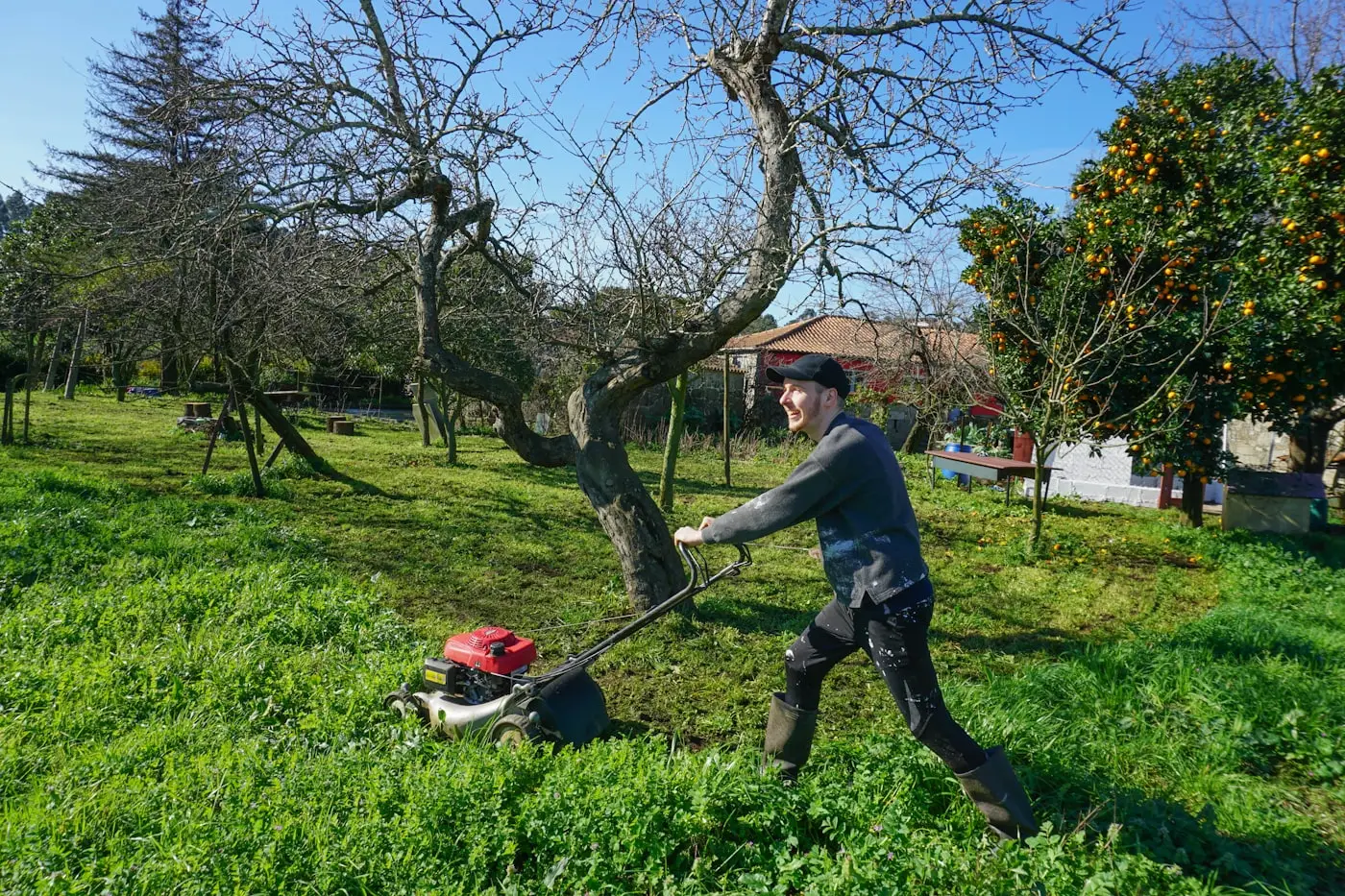
If you've been looking for a gardener in Boroughbridge, you've probably already discovered that this is a small town where local services run on community trust more than online listings. Boroughbridge - the little market town on the River Ure, twenty minutes from Harrogate, just off the A1(M) that took most of the through traffic when the motorway was built - is the kind of place where local tradespeople are found through neighbours, through conversations at the pub on the market square, through whoever a friend used and recommended. That is not a criticism; it is simply how services work in a small, connected community. The problem is that it works well if you have been here long enough to have the right conversations, and it leaves you starting from scratch if you're new to the town, or if you've just moved in from somewhere else because Boroughbridge is an easy commute to Harrogate or York and you want a house with a proper garden for a price that those cities can no longer offer. This guide is for that situation: what to know about Boroughbridge's gardens, what the local conditions mean for your specific plot, what work gets booked most, what you should pay, and how to find and assess the right person to look after your garden.
Boroughbridge's Gardens - Vale of York Clay and the River Ure
Boroughbridge sits on the flat Vale of York, and the first thing to understand about gardening here is the soil. The Vale of York is one of the great clay plains of the north of England: a broad, flat, low-lying basin that collected glacial outwash and alluvial deposits over thousands of years. The result is heavy, moisture-retentive clay soil that behaves very differently from the lighter soils in the upland areas of Yorkshire that surround it. If you've gardened anywhere else in Yorkshire - on the Wolds, on the Pennine foothills, in the limestone dales - and found Boroughbridge soil unexpectedly heavy and slow, this is why. You are on alluvial Vale of York clay, and it has its own rules.
What does that mean in practice? Clay soil is slow to warm up in spring. While a gardener in a free-draining sandy or chalky garden might be putting plants in the ground in late March, a Boroughbridge clay garden often needs to wait until April for the soil to reach workable temperature and lose the excess winter moisture. Clay also compacts readily under foot traffic or machinery - if your lawn has a hard, impermeable crust under the surface grass that doesn't seem to respond to watering or feeding, compaction is almost certainly the cause. The solution is aeration: breaking up that hard pan to let air and water penetrate properly. And in wet winters - which the Vale of York sees regularly - clay gardens can become seriously waterlogged. The water table is often relatively high in this area, and a prolonged wet period can leave the lowest parts of Boroughbridge gardens sodden for weeks at a time.
The River Ure adds a specific dimension to gardens nearest the water. Properties along the Ure's banks and in the streets closest to the river edge have the heaviest clay and the most significant waterlogging risk in winter. In years when the Ure floods - and it does flood, particularly after sustained upland rainfall on the Yorkshire Dales that feeds the river - gardens in the lowest riverside areas can be inundated. This is not a once-in-a-generation event. It is a seasonal risk that riverside garden owners should manage proactively: plant selection in the lowest spots should prioritise flood-tolerant species; stored equipment and furniture should be moveable to higher ground; and a working relationship with a local gardener who can respond quickly to clear flood debris and assess post-flood damage is worth maintaining year-round.
Away from the river, the town's housing stock gives a fairly clear picture of what you're working with. The Victorian and Edwardian properties along the town's older streets typically have longer rear gardens - classic North Yorkshire market town plots with established borders, often with mature trees that have been in place for fifty years or more. These are productive gardens with good soil depth, but the clay is still there, and the established tree root systems can create drainage competition that affects border plants and lawns nearby. Post-war semis and terraces in the residential streets outside the town centre have more modest gardens with standard lawn-and-border layouts. And the newer estate plots on the town's edges tend to be smaller, more standardised, and often poorly prepared at the build stage - topsoil stripped and backfilled with subsoil being the most common complaint among homeowners who find their lawn and borders underperforming years after moving in.
The Devil's Arrows and What They Tell You About Boroughbridge
You cannot write about Boroughbridge without mentioning the Devil's Arrows. Three massive Bronze Age monoliths standing in a field on the western edge of the town - the tallest standing stones in Britain, grooved by millennia of rain and wind erosion, older than most of what passes for ancient in this country. They are there because the flat Vale of York was, for prehistoric people, not a flat and featureless plane but a place of profound significance: the River Ure as a route, the landscape as a stage. They are also, incidentally, made of millstone grit - a stone that was quarried from the Knaresborough area miles away and dragged across the Vale on the clay plain that you are now asking a gardener to weed and mow. The clay has been here longer than almost anything else. Working with it, rather than against it, is what local gardening knowledge is for.
The Commuter Dimension - Boroughbridge's Garden Maintenance Culture
Boroughbridge has, over the last two decades, become a significant commuter town. The A1(M) junction makes it an accessible base for Harrogate (20 minutes), York (25 minutes), Leeds (40 minutes), and even Durham and Newcastle for those in senior roles. The result is a population that includes a higher proportion of households where both adults work full time in professional roles in larger centres than would be typical for a market town of its size. And these households have gardens - often the larger-than-average gardens that were part of the appeal of moving to a small North Yorkshire town rather than staying in a more expensive city.
This commuter character creates a specific demand: households that have both the garden and the inclination to keep it looking good, but not the time to do it themselves through the working week. A reliable fortnightly maintenance contract with a gardener who turns up consistently, works to a clear scope, and does not require management from the homeowner is not a luxury in these households - it is the only practical way to keep the garden in the state they want it. The demand for reliable maintenance contracts in Boroughbridge is real and consistent, driven by the commuter demographic as much as by any horticultural passion.
For these households, the key variable in choosing a gardener is not primarily horticultural knowledge - it is reliability and communication. A gardener who turns up when they say they will, lets you know in advance if they need to reschedule, works consistently to the agreed scope, and charges what they quoted is worth considerably more than one who is theoretically more knowledgeable but unreliable. In a town where word of mouth drives most recommendations, the gardeners who have been doing this for five or more years in the YO51 area and have a roster of stable long-term clients are almost certainly reliable. Those who are newer, or who seem to struggle to keep regular customers coming back, are worth interrogating more carefully at the enquiry stage.
What Garden Work Gets Booked Most in Boroughbridge
Fortnightly lawn and garden maintenance is the primary booking across Boroughbridge, driven by the commuter demographic as much as by any specific horticultural requirement. A typical contract covers lawn mowing and edging, border weeding and light pruning, hedge trimming at the appropriate seasonal points, and seasonal tidying. On the clay soil that characterises most Boroughbridge gardens, good maintenance includes mowing at the right height for the conditions - not too short on wet clay, which removes the grass's resilience - and avoiding heavy machinery on saturated ground in winter. See the garden maintenance service page for what a full contract covers.
Lawn aeration and moss treatment is a consistent annual booking across the town. Vale of York clay lawns compact easily and moss takes hold in the combination of moisture, compaction and shade that many Boroughbridge gardens offer. Hollow-tine or solid-tine aeration in autumn, followed by overseeding of thin patches and top-dressing with a free-draining sandy mix, is the programme that produces lasting improvement. Moss treatment without addressing the underlying compaction just creates a cycle of moss-return that wastes money. A gardener who understands clay lawn management will recommend aeration first and chemical treatment second or not at all.
Hedge trimming is a significant category on the Victorian and Edwardian properties that make up much of the town's older housing stock. Established privet boundaries, beech hedges on the better properties, and hawthorn on the town edges all need annual management. The hedge trimming service page covers how different hedge types are approached and priced.
Garden clearance for properties changing hands is consistent in Boroughbridge. The town has seen significant property turnover as commuter households move in and longer-established residents downsize, and gardens in this transition often need resetting. Clay soil clearance can be harder and more physically demanding than on lighter soils - root systems anchor more deeply in wet clay, and established perennial weeds on clay ground can be tenacious. Always request a fixed-price quote after an in-person visit for clearance work. See the garden clearance service page for what clearance involves.
Riverside garden management for the properties nearest the Ure is a specific category. This includes regular clearance of fallen branches and wind-blown debris that accumulates along the river margins, management of willow and other water-tolerant trees that can grow vigorously in riverbank conditions, clearance of flood debris after high-water events, and ongoing advice on appropriate planting for the lowest, most flood-exposed garden zones. A gardener with experience on riverside Vale of York properties will approach all of this correctly.
Lawn edging makes an outsized difference to the appearance of Vale of York clay lawns, where the lawn-to-border edge tends to lose definition faster than on lighter soils. Crisp, clearly defined edges maintained each visit transform the overall look of a Boroughbridge garden. See the lawn edging service page.
New-build estate soil in Boroughbridge - a common problem
Many homeowners on the newer estate developments at the edges of Boroughbridge find their lawn and borders consistently underperforming despite regular care. The most common cause is poor soil preparation at the build stage: developers routinely strip topsoil, use the subsoil for levelling, then lay a thin layer of poor-quality topsoil or imported turf directly onto compacted subsoil. The result is a lawn growing on 5-10cm of inadequate material over an impermeable clay base, with no drainage and no nutritional depth. If this describes your garden, the right solution is long-term: annual aeration to break through the compaction layer, consistent top-dressing to build up the topsoil layer, and patient overseeding to thicken the turf. A gardener who tells you this is a several-year programme is telling you the truth. One who promises a quick fix is not.
Boroughbridge Garden Rates - What to Expect to Pay
Boroughbridge sits within the North Yorkshire rural rate band, above South Yorkshire urban rates but below the premium Harrogate and York city centre rates. As a commuter town within 20 minutes of Harrogate, rates reflect the higher-income demographic to some extent - gardeners covering the Boroughbridge area can price their work at a level that reflects proximity to a premium market without being at full Harrogate rates themselves. For the full Yorkshire and national context, see the UK gardener costs guide.
| Rate type | Boroughbridge YO51, 2026 | Notes |
|---|---|---|
| Hourly rate (maintenance) | £25-£36/hr | Contract rates lower end; one-off visits higher |
| Day rate (7-8 hrs) | £130-£200 | Full working day. Clearance or heavier maintenance work. |
| Fortnightly maintenance visit | £40-£75 per visit | Medium Boroughbridge garden. Lawn, borders, edges. |
| One-off lawn cut | £30-£65 | Small estate plot lower; longer Victorian rear garden upper end |
| Lawn aeration and overseeding | £80-£160 | Medium lawn. Hollow-tine aeration and overseed. Separate from clearance. |
| Hedge trimming (domestic) | £45-£100 per visit | Short privet lower; established beech or longer boundary hedges higher |
| Garden clearance (medium plot) | £190-£400 | Clay soil clearance can be harder work. Site visit before quote for anything larger. |
A note on the lawn aeration price: this is a job that is worth doing annually on Boroughbridge's clay soil, and it is worth building into any maintenance contract discussion explicitly. Many maintenance contracts do not include aeration as a standard element - it is usually priced separately as an annual autumn visit. Confirm whether it is included or additional before you agree to a contract. For the day rate context across Yorkshire and the UK, see the gardener day rate guide.
What to Look for in a Boroughbridge Gardener
- Public liability insurance: The absolute non-negotiable. Ask to see the certificate with the policy number and cover level. £2m is the industry minimum. In a town where word of mouth drives recommendations, a gardener without insurance will usually have been found out before they reach your door - but the only safe way to know is to ask for the document itself.
- Waste Carrier's Licence: Required by law to transport garden waste from your property. Ask for the licence number. Essential for any clearance work.
- Vale of York clay experience: Ask directly whether they have worked on clay soil in this part of North Yorkshire. The specific management for compacted clay lawns, waterlogged border areas, and riverside garden conditions in the Ure valley is different from managing lighter soils elsewhere in the county. Ask about their approach to aeration and moss management specifically.
- Reliability indicators: In a commuter town where households need a dependable schedule, reliability is as important as skill. Ask how many ongoing maintenance clients they currently have in the Boroughbridge area, how long their longest-standing client relationship is, and how they handle rescheduling when weather or illness interrupts their planned visits. Long-term stable client relationships are the most reliable indicator of a dependable gardener.
- Photos of local work: Recent examples from gardens in the YO51 area or nearby (Ripon, Knaresborough, the surrounding villages). Comparable Vale of York conditions, comparable evidence of what they deliver.
Questions to Ask Before You Commit
- Can I see your public liability insurance certificate? Policy number, insurer, cover level. The actual document.
- Do you hold a Waste Carrier's Licence? Licence number, please.
- Do you have experience managing clay soil lawns in the Vale of York? What is your approach to compaction and moss on clay ground?
- What exactly is included in a maintenance visit? Lawn mowing, edging, border weeding, hedge trimming - get the scope clear before you agree to anything. Is waste disposal included or additional?
- How do you handle rescheduling when weather prevents work? Clay gardens particularly cannot be worked on when ground is saturated. How are missed visits managed?
- Can you visit before quoting on clearance or anything larger than a standard tidy? Clay soil clearance is hard to estimate reliably without seeing the garden.
Red Flags When Hiring in Boroughbridge
Most gardeners working the YO51 area are competent and insured. A few are not, and these warning signs are worth acting on:
- A quote significantly below the local rate with no explanation. £25-£36/hr is the Boroughbridge range. A quote of £12-£15/hr that cannot be explained is almost always a sign of no insurance or no licence.
- No familiarity with clay soil management. Any gardener pitching for work in the Vale of York should at minimum know that this is heavy alluvial clay and be able to speak to how they manage it. Vagueness on this is a warning sign in an area where soil type drives so much of what the garden needs.
- Refusal to provide proof of insurance when asked. There is no legitimate reason to refuse this.
- A clearance quote given without visiting first. Clay soil clearance is not reliably estimable over the phone. A confident fixed quote without a site visit for anything beyond a straightforward tidy is either a guess or an intention to revise upward when they arrive.
- No long-term clients in the area they can reference. A gardener who has been working Boroughbridge for several years should be able to point to at least one or two long-term clients who would speak for them. An inability to do so is worth noticing.
A Seasonal Calendar for Boroughbridge Gardens
March - Assess and prepare, don't rush
Clay soil in the Vale of York takes time to come out of winter. March in Boroughbridge can still see ground that is genuinely too wet to work: compacted clay surface that will smear and compact further under foot or machinery, lawns that are saturated and should not be mown. March is the time to assess winter damage from above - cutting back dead growth, clearing debris from winter storms, assessing which plants have not come through - without putting machinery on ground that is not yet ready. Avoid heavy work on clay lawns until they show genuine dry-out and resilience.
April - First cuts and clay management
April is when Boroughbridge clay warms up enough for proper ground work to begin. First mowing cuts should be set high - never cut clay lawns short in spring when they are still soft from winter moisture. Start the first proper pass on border weeding. Plant installation can begin in the second half of April for most plants; avoid putting anything into ground that still smears or compresses easily underfoot. Spring aeration can be done in April if the ground is workable, though autumn is the more effective timing for most clay lawns.
May - Full season begins
By May the growing season is in full swing and fortnightly maintenance visits are the right rhythm for most Boroughbridge gardens. Grass grows strongly on clay soil in May - the moisture and nutrient retention that makes clay challenging in winter becomes an advantage through the growing season. Borders need consistent weeding. Hedge trimming for the first time of year is appropriate toward the end of May or early June depending on growth rate. For riverside gardens, check for any debris that has accumulated along the water margin after spring high-water events.
June and July - Maintenance season peak
Clay soil lawns can actually benefit from dry summer conditions: the surface firms up, mowing is cleaner, and the lawn is more resilient to foot traffic. However, extended dry spells can cause clay to crack and contract at the surface, which can stress shallow-rooted plants in borders. Mulching borders in June locks in moisture and reduces the cracking effect. Keep lawn mowing consistent - a skip in dry weather can lead to a too-tall lawn that is hard to manage when moisture returns.
August - Continued maintenance
August is typically the lowest-growth month in a Boroughbridge garden and maintenance visits can sometimes be extended to three-weekly without much consequence, depending on rainfall. Border plants that are struggling with drainage competition from established tree roots on older Victorian properties will often show stress most clearly in late August. This is a good time to assess which plants genuinely need moving or replacing before autumn planting season.
September - Autumn lawn renovation
September is the most important month in the Boroughbridge gardening calendar for clay lawn owners. Hollow-tine aeration in September, when the soil is still warm but beginning to accumulate autumn moisture, is the single most effective intervention for a compacted clay lawn. The cores removed from the lawn create channels for air, water and root penetration that persist through winter and visibly improve spring turf quality. Overseeding immediately after aeration while the ground is warm gives seed the best chance of establishing before cold sets in. Top-dress with a sandy gritty compost mix to gradually improve drainage over multiple seasons. This programme, repeated annually, transforms a Boroughbridge clay lawn over three to five years.
October and November - Final tidying and winter preparation
October sees the final hedge trimming of the year and the beginning of border cutback. November is the time to prepare the garden for winter: clearing fallen leaves before they mat on the clay lawn surface, mulching tender plants, securing garden furniture against winter weather. For riverside properties, a November check on the condition of any willows and water-tolerant trees near the bank is worth doing before winter high-water events stress the root systems.
Regular Maintenance vs One-Off Work in Boroughbridge
For the commuter households that make up a significant proportion of Boroughbridge's population, a regular maintenance contract is not just a convenience - it is the practical reality of having a garden you actually use. The fortnightly maintenance model works well in Boroughbridge: it keeps the clay lawn at a consistent standard, gives a gardener regular enough access to build knowledge of the specific property, and produces better results on clay soil than occasional catch-up clearances ever will. Lawns that are consistently maintained on clay soil develop denser, more resilient turf that is better able to shed excess moisture and resist moss than a lawn that alternates between neglect and heavy intervention.
A one-off clearance or specific job is right for bringing a neglected garden back to a working state, for a specific project like redesigning an overgrown border or removing an established shrub that has outgrown its position, or for a post-flood clearance on a riverside property. Clay soil clearance is labour-intensive and physically demanding - root systems anchor more deeply in wet clay than in lighter soils, and established perennial weeds can be very tenacious. Always request a fixed-price quote after an in-person visit. Never accept an hourly estimate over the phone for clearance on ground the gardener has not seen.
Boroughbridge's proximity to Ripon, Knaresborough and Harrogate means many gardeners working the area will also cover those towns. If you are finding it difficult to secure availability in the YO51 postcode, the gardening coverage in those nearby towns is worth exploring. See the Boroughbridge gardeners page for local coverage information.
Frequently Asked Questions
How do I find a reliable gardener in Boroughbridge?
Word of mouth from a trusted local resident who has used someone through a full season is the best starting point. For a new arrival to the town or someone without that connection, a local introduction service for the YO51 postcode is far better than a national platform. Ask specifically about insurance, a Waste Carrier's Licence, and Vale of York clay soil experience. See the Boroughbridge gardeners page for local coverage.
How much does a gardener in Boroughbridge charge?
£25-£36/hr for general garden maintenance in 2026. Day rates £175-£300. Fortnightly maintenance visits £40-£75 per visit on a contract. Lawn aeration and overseeding is typically an annual add-on at £80-£160 for a medium clay lawn. For the full Yorkshire and national context, see the UK gardener costs guide.
What is the soil like in Boroughbridge?
Predominantly alluvial clay: heavy, moisture-retentive, slow to warm in spring, prone to compaction under foot traffic or machinery, and waterlogged in wet winters - particularly in gardens nearest the River Ure. The right management approach is specific to this soil type. Annual aeration is the single most valuable intervention for clay lawns in Boroughbridge.
Do Boroughbridge gardeners offer regular maintenance contracts?
Yes. Fortnightly maintenance contracts from April through October are the core of most local gardening work in the YO51 area. Many Boroughbridge homeowners prefer a gardener who turns up on a reliable schedule - a fortnightly or monthly contract from April to October suits the commuter character of the town well. Contracts are typically quoted as a flat monthly fee. For what a full contract covers, see the garden maintenance service page.
What garden work gets booked most often in Boroughbridge?
Fortnightly lawn and garden maintenance for busy commuter households; annual clay lawn aeration and overseeding in autumn; hedge trimming on established Victorian property boundaries; clearances for properties changing hands; and riverside garden management including flood debris clearance after high-water events on the Ure.
What are the challenges for riverside gardens in Boroughbridge?
Flood risk from the River Ure is the primary consideration: gardens in the lowest riverside areas can be inundated in wet winters. Plant selection in the lowest zones should prioritise flood-tolerant species. After a high-water event, clearance of silt deposits and debris is often needed before the garden is usable. Willows and riverbank trees need regular management to prevent root encroachment on drainage infrastructure.
Can I get a garden clearance in Boroughbridge?
Yes. Garden clearance is regularly booked in Boroughbridge, particularly for properties changing hands and for post-flood clearance on riverside properties. Standard medium garden clearance runs £190-£400. Clay soil clearance can be more labour-intensive than on lighter soils - always get a fixed quote after an in-person visit rather than a phone estimate.
How do I manage a lawn on Boroughbridge's clay soil?
Annual hollow-tine aeration in September is the single most effective intervention. Follow with overseeding of thin patches while the ground is warm, then top-dress with a sandy gritty compost to gradually improve drainage. Mow at the right height for conditions - never cut clay lawns short on wet or cold ground. Treat moss by addressing the underlying compaction, not just applying chemicals. This programme, repeated annually, produces visible improvement in three to five years.
Related reading
- How much does a gardener cost in the UK? (2026 prices)
- Gardener day rate UK 2026
- Garden maintenance across Yorkshire
- Garden clearance across Yorkshire
- Hedge trimming across Yorkshire
- Lawn edging across Yorkshire
- Boroughbridge gardeners - town overview
Gardeners in nearby areas
We cover the Vale of York and wider North Yorkshire area:
What is the soil like in Boroughbridge and why does it matter?
Boroughbridge sits on the flat Vale of York, and its soil is predominantly alluvial clay - heavy, moisture-retentive, and slow to drain after wet periods. This is the soil type that characterises most of the Vale of York from York northward, and it creates specific gardening challenges. Clay soil is slow to warm up in spring, which delays planting and germination. It compacts easily under foot traffic or machinery, which can damage lawn structure. In wet winters it can become waterlogged, and in dry summers the surface cracks and contracts. Gardens nearest the River Ure have the heaviest clay and the most significant winter waterlogging risk. A gardener with Vale of York clay experience will manage all of this correctly; one without that background will not know what they're looking at.
What questions should I ask a Boroughbridge gardener before hiring?
Six questions before committing: (1) Can I see your public liability insurance certificate? (2) Do you hold a Waste Carrier's Licence? (3) Do you have experience working on Vale of York clay soil, including lawn aeration and moss management? (4) If you have a riverside garden: have you managed gardens with flood-risk considerations before? (5) What is included in a maintenance visit - lawn, edges, weeding, and waste removal? (6) Can you visit before quoting on clearance or larger jobs? Clay soil clearance is hard to estimate reliably without seeing the garden.
Get a quote for your Boroughbridge garden.
60-second assessment. If a local gardener takes your enquiry, they call you with a price for your specific garden and job.
Start the assessment