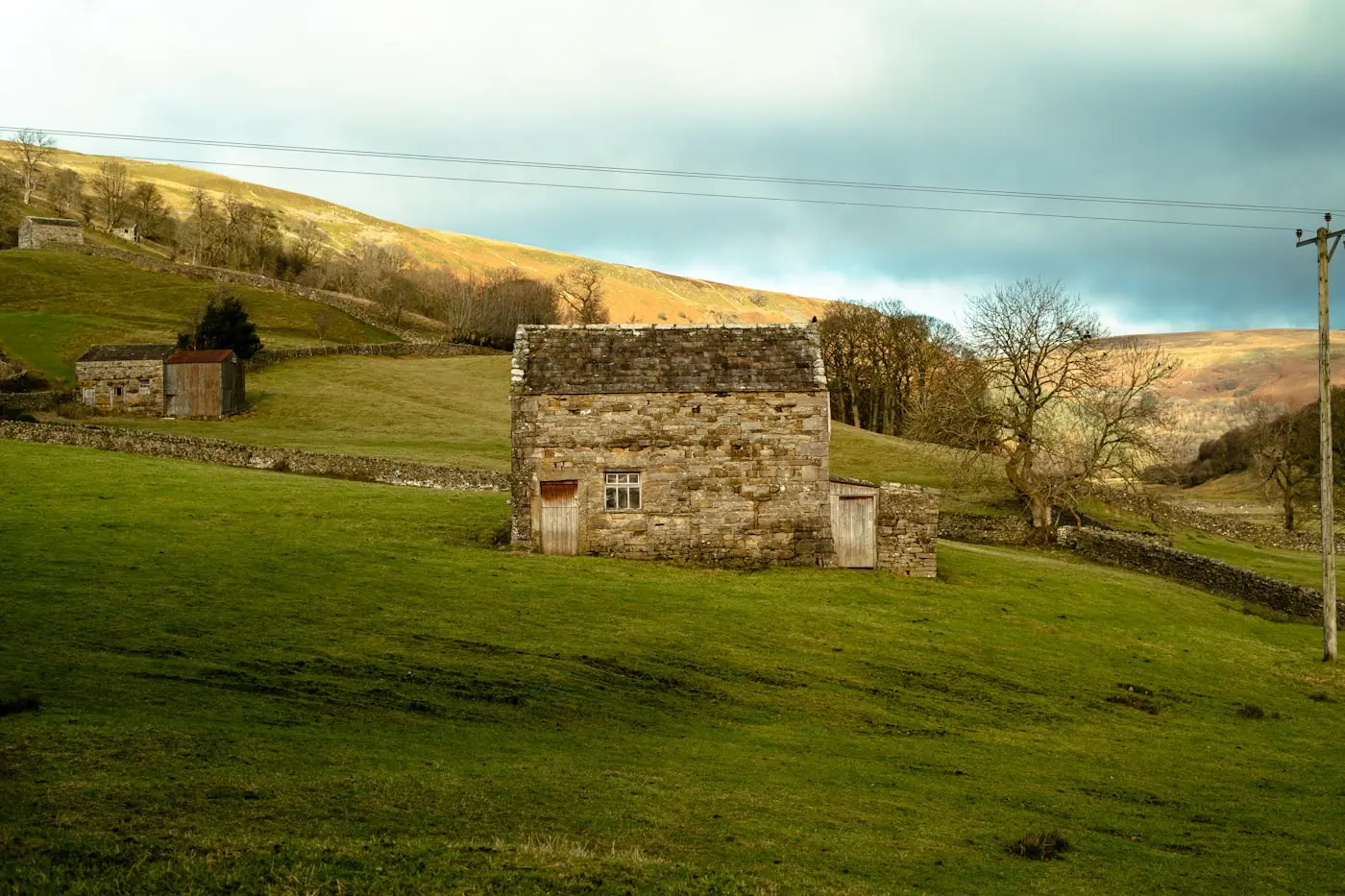
Helmsley is one of those Yorkshire market towns where the garden question comes up in a specific way. You might have bought a stone cottage with a long, north-facing plot that has not been touched in a few years. You might be managing a holiday let whose guests expect a tidy lawn and well-kept borders between every changeover. You might have moved from a city garden into something considerably larger, with soil that behaves nothing like the loam you were used to. Or you might simply have a privet hedge that has become a small tree and a lawn that has gone from patchy to mostly moss. Whatever the starting point, finding the right gardener in YO62 takes a little more thought than it does in a city suburb - the area is small, the pool of people covering it is smaller, and the local conditions are specific enough that generic gardening advice does not always translate.
This guide is written for Helmsley homeowners: people with a garden in YO62 who want to understand what local gardening work actually involves, what it costs, what the common problems are, and how to find someone who genuinely knows this part of North Yorkshire.
What Helmsley Gardens Are Actually Like
Helmsley is compact, and most of its domestic gardens share a few characteristics that make them distinct from gardens in, say, York or Harrogate. The town itself sits in a bowl formed by the River Rye valley, with the moor rising steeply to the north and west. That topography means your garden's character depends enormously on where it sits within the town - and in the surrounding villages, that variation is even more pronounced.
In the valley bottom, close to the Rye, you have heavier clay soils that hold moisture well but drain slowly in wet weather. These gardens support lush grass through summer and have good moisture retention for borders, but they moss up quickly in shade and can become waterlogged in a wet winter or spring. Lawns on this soil type need regular scarification and aeration to stay in reasonable condition - a single season without autumn treatment shows up as a thick mat of moss by the following spring.
Climb up through the town towards the moor edge, or out into the surrounding villages on the upland side, and the soil changes to thinner, faster-draining limestone and gritstone. These soils warm up earlier in spring, dry out faster in summer, and support a completely different range of plants to the valley clay. Grass on these soils needs more water in dry summers but is rarely troubled by drainage problems. The challenge here tends to be soil depth: some gardens on higher ground have very thin topsoil over bedrock, which limits what you can plant and how deep roots can go.
The stone-built character of the town means most gardens have dry-stone boundaries or old stone walls rather than the hawthorn or privet hedges that dominate in city suburbs. These walls require their own maintenance - pointing where mortar has been used, clearing moss and ferns that colonise the joints, and managing the climbing and scrambling plants that established owners often train up them. A gardener who has worked around old stonework knows to be careful with power tools and understands that a wall that looks solid may have loose sections higher up.
Many Helmsley properties have features with genuine heritage - walled kitchen gardens on larger plots, old glasshouses, formal terraced layouts inherited from the Victorian era or the early twentieth century. The influence of Duncombe Park's famous walled gardens and the wider heritage gardening tradition of this part of Ryedale means a significant number of Helmsley households take their gardens seriously and have made specific choices about what grows where. A good gardener in this context is someone who listens first and understands what has been deliberately established before starting to cut or clear.
Holiday lets and the maintenance calendar
Helmsley and the surrounding villages have a high concentration of holiday lets, and gardens are part of the product guests are paying for. If your holiday let garden is looking ragged between changeovers, it shows up in reviews. The most practical solution is a regular maintenance agreement that keeps the garden at a consistent standard through the season - monthly in winter, fortnightly from April to October - rather than reactive tidying after complaints arrive.
The Soil Question: Why It Matters More in YO62 Than in Most Places
If you have moved to Helmsley from a lowland area of Yorkshire or from a city, the soil is going to surprise you. Most domestic gardeners in cities are working with fairly forgiving loam that has been amended over years by previous owners. Helmsley soil tends to be less forgiving, more variable, and more demanding of the right approach.
On the valley clay, the main issues are compaction and drainage. Clay soils compact easily under foot traffic and machinery, and once compacted, they restrict root growth and surface water movement. A lawn on valley clay that has not been aerated for several seasons will feel spongy in wet weather, hold puddles, and moss over quickly. The right annual treatment - hollow-tine aeration in autumn, followed by top-dressing with grit-amended compost, and scarification to remove the moss mat - makes a dramatic difference over two to three seasons. If your lawn currently looks like a moss lawn with some grass in it rather than the other way around, the soil underneath is almost certainly compacted and in need of proper treatment rather than just more mowing.
On the limestone and gritstone soils higher up, the issues are different. Thin topsoil means plants need more careful selection, and irrigation matters more in dry summers. These soils can be very alkaline in places, which limits which plants will thrive. Rhododendrons, camellias, and other acid-loving plants that gardeners from West Yorkshire might take for granted will not perform on highly alkaline limestone. A gardener who tests your soil pH before recommending a planting scheme is doing the job properly. One who plants whatever looks nice without checking is setting you up for disappointment.
The good news is that both soil types respond well to consistent management. Valley clay improves with each year of proper aeration and organic matter addition. Limestone soils can be worked over time with regular compost additions that build the organic layer above the stone. The key is consistency and patience - the kind of knowledge that accumulates across seasons of working the same ground.
What Gets Booked Most in Helmsley Gardens
Based on what actually gets requested in YO62 and the surrounding villages, the work that comes up most frequently falls into a few categories.
Regular lawn maintenance is the core of most arrangements. Mowing, edge trimming, and seasonal care from April through to October. In Helmsley, the growing season starts later than in lowland areas - you should expect meaningful grass growth from late April, with the main mowing season running May to early October. A fortnightly schedule during the main season is the standard, with monthly visits in the shoulders. Garden maintenance contracts set up this way keep everything manageable without the peaks and troughs of ad hoc booking.
Lawn renovation is frequently needed when a garden has been left for a season or more, or where the previous owners did not invest in annual care. This means scarification to remove the moss and thatch, hollow-tine aeration, overseeding, and top-dressing. On the valley clay soils, this kind of renovation work in September and October makes a visible difference by the following spring.
Hedge trimming is significant in Helmsley because many properties have established boundary hedges, often on the tall and thick side. Some have not been cut to a proper form in years and need a more aggressive cut-back before regular trimming becomes practical again. Hedge trimming on older, established boundaries often takes longer than clients expect because the growth is dense and the scale is larger than a typical suburban privet. Always get a visit and a fixed quote rather than an hourly estimate for a hedge that has not been cut properly in several years.
Garden clearance is a consistent request, particularly for properties changing hands, holiday lets being renovated between uses, and gardens that have been left through a succession of wet winters. Garden clearance in Helmsley is typically harder work than in city gardens because the soils hold roots more tenaciously (especially the clay), access is sometimes limited through stone-walled entries, and the volume of material removed can be significant from an established rural plot.
Border and planting work is another common request, particularly from newer residents who want to establish the garden properly. Borders and planting advice specific to YO62's soil types and the area's late-frost risk is valuable - choosing the wrong plants for this microclimate wastes money and effort. A gardener who knows what performs well in this part of North Yorkshire can save you several seasons of trial and error.
Weed control is an ongoing issue in most Helmsley gardens, with particular pressure from ground elder, nettles, and bindweed in established beds. Rabbit grazing from the moor edge adds another dimension - plants that rabbits leave alone need to form the backbone of any planting scheme where the boundary to open ground is permeable. Weed control is most effective as part of an ongoing maintenance arrangement rather than a one-off battle.
What Does a Gardener in Helmsley Charge?
Helmsley rates sit within the North Yorkshire rural band, which runs slightly higher than the city equivalents in York or Harrogate because of the travel time and rural location involved. For a full national context, see the how much does a gardener cost guide and the gardener day rate guide.
| Rate type | Helmsley (YO62), 2026 | Notes |
|---|---|---|
| Hourly rate (maintenance) | £25-£40/hr | Contract rates at lower end; one-off visits higher |
| Day rate (7-8 hrs) | £150-£200 | Full working day for clearance or renovation |
| Fortnightly maintenance visit | £45-£80 per visit | Medium garden; includes lawn, borders, edges |
| One-off lawn cut | £35-£65 | Depends on size and state; overgrown plots higher |
| Lawn renovation (aeration, scarification, overseed) | £120-£280 | Depends on lawn size and degree of renovation needed |
| Hedge trimming (standard domestic) | £50-£110 per visit | Tall or established hedges at the higher end; multi-section visits vary |
| Garden clearance (medium plot) | £250-£450 | Heavily overgrown or valley clay plots: £500-£750. Fixed quote after site visit. |
| Holiday let retainer (annual) | £600-£1,400/year | Varies by size of garden and visit frequency required |
The slightly higher rate compared to urban areas reflects the travel time for gardeners covering a rural postcode, not a premium for the work itself. Helmsley and the surrounding villages are not dense enough to allow a gardener to run multiple jobs in a single area on the same day as efficiently as in a city suburb. That travel cost is factored into pricing.
For holiday let gardens specifically, many gardeners will quote an annual retainer that covers all scheduled visits through the season. This is usually better value than booking individual visits, and it gives you predictable monthly costs rather than variable per-visit invoices at peak summer times when you least want unexpected bills arriving.
The Seasonal Calendar for Helmsley Gardens
One of the practical differences between Helmsley gardens and gardens in the Vale of York is the timing. The town sits at enough elevation and close enough to the moor that its growing season runs two to three weeks behind lowland Yorkshire. In practical terms, this means the seasonal calendar for garden work shifts accordingly.
February and March are the planning months. If you want a gardener for the season, this is the time to make contact. The good sole traders covering this area book up from February onwards for their regular customers, and new enquiries that arrive in April often face a wait. Use this time to agree the scope of what you want done through the season, discuss any renovation work that needs to happen before growth starts in earnest, and confirm pricing.
April is when work starts properly. Grass growth in Helmsley is typically slow in the first half of April - you may need only one or two cuts before late April brings more consistent growth. This is the right time for border tidying, dividing overcrowded perennials, applying pre-emergent weed control to paths and gravel, and cutting back anything left standing over winter. In late April, early bedding plants can go out in sheltered positions, but frost is still possible, so exposed spots need another few weeks.
May is the main spring month. Grass is growing well by mid-May, fortnightly mowing is fully underway, and planting in borders can happen with more confidence once the last frost risk has passed - typically after mid-May in Helmsley, though a late cold snap from the moor can arrive into the first week of June in some years. This is the busiest month for new clearances, spring resets, and any lawn renovation that was not done in autumn.
June through August are the main growing season months. Regular fortnightly mowing, border maintenance, hedge trimming, and watering if the summer is dry. Holiday let gardens are at their busiest at this time and need to be at their best. Hedge trimming for most domestic hedges is best done in late June or July after the first flush of growth has hardened off.
September and October are the most important months for lawn care. Hollow-tine aeration and scarification in early to mid-September lets the lawn recover before growth slows. Overseeding and top-dressing on the back of aeration gives the best chance of bare patches filling in before winter. Autumn borders benefit from cutting back spent perennials, dividing clumps that have grown too large, and planting spring bulbs.
November through January are the quiet months for most garden tasks, but not entirely dormant ones. Pruning of certain shrubs and trees, clearing of fallen leaves, tidying of boundary hedges before bird nesting season returns in spring, and any structural work that is easier to do without foliage in the way. Holiday let gardens still need a monthly check even in winter, and the arrival of heavy snow can leave paths and patio areas needing clearance.
Frost timing in YO62 - a practical note
Ground frost in Helmsley can arrive later in spring and earlier in autumn than the broader North Yorkshire forecasts suggest. The town's position in the valley creates frost pockets, particularly in low-lying plots near the Rye. If your garden has a history of late frosts catching tender plants, discuss this with your gardener before they advise on planting timing. The standard RHS frost-date maps for North Yorkshire can be a week to ten days optimistic for some Helmsley positions.
Rabbit Pressure and What to Do About It
If your garden backs onto open ground on the moor edge side of Helmsley, or if you are in one of the surrounding villages with fields nearby, rabbit pressure is a real issue for what you can grow and keep. This is not the occasional rabbit-nibbles-something problem that urban gardeners experience. Properties near the moor can see significant nightly grazing from rabbits that strip new growth, undermine border planting, and eat young plants before they establish.
There are two approaches to managing this: exclusion and plant selection. Exclusion through proper rabbit-proof fencing (1m minimum height, buried at least 30cm underground to prevent burrowing under) is the only reliable way to protect a vegetable plot or a border you want to plant freely. For larger areas, rabbit-proof netting is expensive and impractical, so plant selection becomes the main tool. A good range of plants are genuinely rabbit-resistant: established lavender, rosemary, most ornamental grasses, foxgloves, aquilegia, astrantia, and many ferns. A gardener who knows the Helmsley area will know which plants survive rabbit pressure in practice rather than just in theory, which is a meaningful difference.
If you have tried repeatedly to establish border planting that has repeatedly failed, rabbits are often the cause even if you have not seen them directly - they graze at night and move on. Raising the diagnosis with your gardener before the next planting cycle saves another season of loss.
Finding a Gardener Who Covers YO62
Helmsley is a small town, and the pool of sole-trader gardeners who cover it and the surrounding villages is smaller than in a city. This has practical implications. The gardeners who work this area are typically covering a wide geographic range across Ryedale and the moor edge, taking on jobs in Helmsley, Kirkbymoorside, Pickering, and multiple villages in between. Their round is organised around travel efficiency as much as anything else, which means availability for new customers can be limited during peak season.
The most effective approach is to make enquiries in winter or early spring, before the main season begins. February or March gives you the best chance of securing someone who already covers your area on their existing round, rather than asking them to add an out-of-route stop in May when their weeks are already full.
Word of mouth remains useful in a small town. If you have a neighbour whose garden is consistently well-maintained, asking who they use is worth doing. But new arrivals to the area, and people whose neighbours either do their own gardening or use the same person who is fully booked, need a different route. A local introduction service that pre-local gardeners covering your specific postcode is considerably more useful than a national platform that sends your details to multiple contractors, some of whom will never have worked in YO62 and are unlikely to travel for a domestic job at this distance.
When you make contact with any prospective gardener, the questions that matter most are: public liability insurance (ask to see the certificate, not just a verbal yes); Waste Carrier's Licence for any work involving green waste removal; evidence of work in the YO62 area or surrounding Ryedale postcodes; and willingness to visit and assess before quoting on anything larger than a routine maintenance visit. A gardener who knows this area will not hesitate on any of those questions.
The Heritage Gardening Influence
Helmsley sits alongside some of the most significant historic gardens in the north of England. Duncombe Park's walled terrace gardens, the walled kitchen garden tradition of the great Ryedale estates, and the influence of Rievaulx Terrace nearby all contribute to a local gardening culture that takes design and maintenance seriously. This is not just a background fact - it has a practical effect on what Helmsley homeowners expect from their gardens and from the people who look after them.
Many established Helmsley residents have invested thoughtfully in their gardens over years or decades. Planting schemes have been developed through trial and error specific to the microclimate. The relationship between a Helmsley homeowner and a long-term gardener is often more collaborative and knowledge-sharing than the transactional model of a one-time service hire. If you are new to the area, treating your gardener as a source of local knowledge about what grows here - rather than as someone to execute a planting scheme you developed for a different climate - will produce much better results.
If you are interested in garden design specifically for your Helmsley plot, local knowledge of the specific soil and climate conditions is the most valuable thing a designer or experienced gardener can bring. A planting scheme that works in Harrogate or York does not automatically translate to YO62, and the cost of finding that out through failed plantings is higher than the cost of getting good advice up front.
Frequently Asked Questions
How do I find a reliable gardener in Helmsley?
Start with word of mouth if you have it - a neighbour who has used someone reliably for a season or more is the most direct route. If that is not available, a local introduction service connecting you to one local gardener covering YO62 is better than a national platform that sends your details to multiple contractors who may not cover the area. Ask about insurance, licensing, and local experience before committing. See the Helmsley gardeners page for local coverage.
How much does a gardener in Helmsley charge?
Helmsley gardeners typically charge £25-£40/hr for general garden maintenance in 2026. Day rates run £175-£300. Regular fortnightly visits for a medium garden run £45-£80 per visit on a contract rate. The rural location means slightly higher rates than city areas, reflecting travel time rather than any premium for the work. For more context, see the UK gardener costs guide.
What soil do Helmsley gardens have?
Two distinct types depending on position. Valley bottom gardens (close to the River Rye) have heavy, moisture-retaining clay. Higher ground and moor-edge gardens are on thinner, free-draining limestone and gritstone. The difference matters for lawn care, planting choices, and drainage work. A gardener with experience in YO62 will manage each appropriately.
When is the best time to book a gardener in Helmsley for spring work?
Book in February or March. Helmsley's growing season starts two to three weeks later than lowland Yorkshire, but gardeners who cover the area fill their rounds from late winter. Waiting until April or May means potentially waiting for a slot, especially for one-off clearances and lawn renovation.
Do Helmsley gardeners work on holiday let gardens?
Yes, and many in the area are set up for the specific requirements of holiday let maintenance - consistent standards between changeovers, year-round care, and reliability through the peak summer period. A fixed annual retainer for regular visits is usually the most practical and economical arrangement for a holiday let garden.
What are the main garden challenges in Helmsley?
Three consistent ones: rabbit pressure from the moor edge affecting border planting; moss and drainage problems in shaded valley gardens on clay soil; and late frost risk that pushes the planting calendar back by two to three weeks compared to lowland areas. Each has workable solutions, but they require a gardener who knows the local conditions.
Can I get a garden clearance in Helmsley?
Yes. Garden clearance runs £250-£450 for a standard medium garden. Heavily overgrown plots on valley clay, or those with limited access through stone-walled entries, can run £500-£750. Always get a fixed quote after an in-person assessment for larger clearance jobs.
Do gardeners in Helmsley cover the surrounding villages?
Most gardeners covering Helmsley also work in surrounding villages including Ampleforth, Oswaldkirk, Nawton, Beadlam, Pockley, and Harome. Properties in more remote moorland positions may involve a small travel supplement. Confirm your postcode when enquiring. Other nearby areas we cover include Kirkbymoorside, Pickering, and Thirsk.
Related reading
- How much does a gardener cost in the UK? (2026 prices)
- Gardener day rate UK 2026
- Gardeners near me - Yorkshire guide
- Garden maintenance across Yorkshire
- Garden clearance across Yorkshire
- Hedge trimming across Yorkshire
- Borders and planting services
- Helmsley gardeners - town overview
- North York Moors gardeners guide - conditions across the Moors
Gardeners in other nearby areas
We cover Ryedale and the wider North Yorkshire area:
For structural landscaping or a full redesign, see our garden design Helmsley page.
What questions should I ask a Helmsley gardener before hiring?
Six questions worth asking before committing: (1) Can you show me your public liability insurance certificate? (2) Do you hold a Waste Carrier's Licence? (3) Do you have experience with the soil types in this part of North Yorkshire - specifically the limestone uplands and the river clay? (4) What is included in the quote - does it cover waste removal? (5) Can you visit to assess before quoting on larger jobs? (6) Do you have photos of gardens you have worked on in the Helmsley or Ryedale area? A gardener who answers all six confidently and without evasion is worth shortlisting.
Get a quote for your Helmsley garden.
60-second assessment. If a local gardener takes your enquiry, they call you with a price for your specific garden and job.
Start the assessment