Hedge Trimming Costs in Yorkshire (2026): What Affects the Price
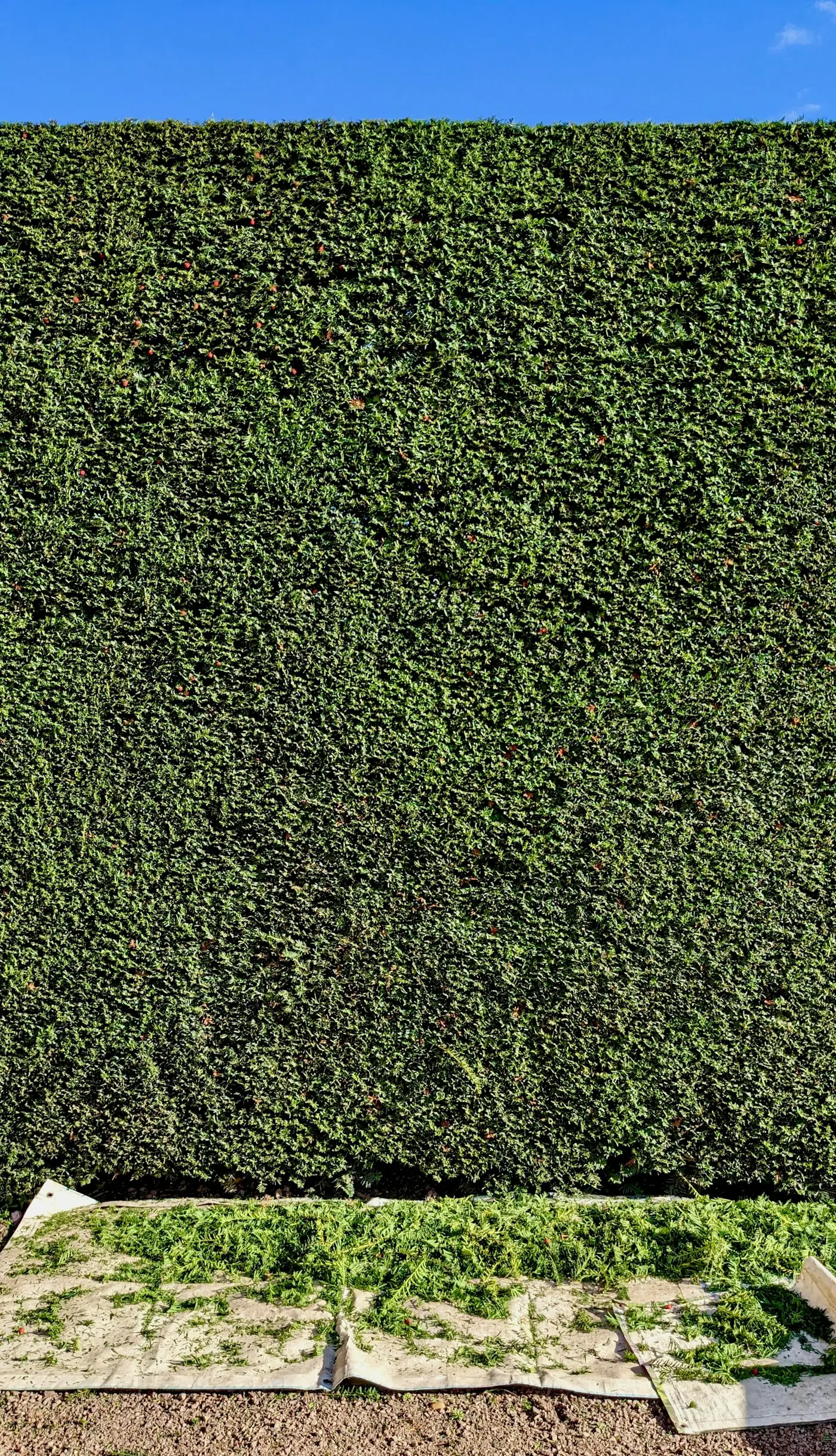
Hedge trimming is one of the most commonly priced garden jobs in Yorkshire. Almost every house has a hedge of some kind - privet at the front in the terrace streets of Leeds, Sheffield, and Bradford; leylandii down the side or back in 1970s and 80s estates; hornbeam or beech in the gardens of Harrogate, Wetherby, and the better North Yorkshire villages. Getting accurate pricing for hedge trimming is not complicated, but several factors move the cost up or down significantly, and understanding them means you can get a fair price without being caught out.
The quick answer: a typical front garden privet hedge (2 metres tall, 10 running metres) costs £80-150 in Yorkshire in 2026, including waste removal. A standard leylandii run at 3 metres costs £200-500. Longer boundary hedges are priced per hour: £40-70/hr for a professional with proper equipment.
Yorkshire Hedge Trimming Prices: The Benchmarks
| Hedge type and size | Typical Yorkshire cost (2026) |
|---|---|
| Front privet hedge (2m tall, 10 running metres, clippings included) | £80-150 |
| Front privet, larger (2m tall, 15-20 running metres) | £130-200 |
| Leylandii run (3m tall, 15 running metres) | £200-400 |
| Leylandii, very tall (4m+, 15 running metres) | £400-800+ |
| Beech or hornbeam formal hedge (1.5m, 20 metres) | £120-220 |
| Long farm or boundary hedge (100 metres+) | Day rate: £350-600/day |
| Photinia Red Robin (2m, 10 metres) | £100-180 |
| Box (Buxus) formal clipping (small garden) | £60-120 |
These prices assume the gardener brings their own equipment, does the work, and removes or disposes of clippings. If you want clippings left for home composting, you might save £10-30 depending on volume. If access is restricted - the hedge runs between two properties with no clear side access - expect a premium of £20-50 for the additional time.
What Affects the Price: The Five Key Factors
1. Height
Height is the biggest single price driver for hedge trimming. A hedge at 1.5 metres can be trimmed from ground level. At 2 metres, a step stool or light platform is needed. At 3 metres, a long-arm petrol hedge trimmer or powered platform is required - not every gardener has this equipment, and it takes longer to set up and use safely. At 4 metres and above, you are in specialist territory, requiring either scaffolding, a cherry picker, or a very tall extending platform. The price per metre of hedge increases sharply with height above about 2.5 metres.
As a rough rule: budget double the standard rate for hedges over 3 metres, triple for hedges over 4 metres.
2. Length and running metres
Most gardeners work on a per-job basis for shorter hedges and switch to an hourly or day rate for longer ones. For a standard front garden privet at 8-15 metres, a per-job quote is normal. For a continuous boundary hedge running 50 metres or more, most professionals will quote a day rate. Longer hedges often work out cheaper per running metre than shorter ones because the setup and travel time is spread over more work.
3. Species
Some hedging plants are faster and easier to trim than others. Privet cuts quickly with a powered trimmer - the soft growth responds cleanly and the trimmings are manageable. Beech and hornbeam similarly cut fast. Leylandii is slower: the growth is denser, the volume of clippings is higher, and tall leylandii requires more careful equipment and time. Photinia (Red Robin) produces large volumes of soft growth and requires more passes for a clean result. Box (Buxus) is slow but precise work - hand shears are often better than a powered trimmer on box topiaries.
4. Access
A hedge with clear access on both sides (your garden on one side, a path or public pavement on the other) is easier and cheaper than one that requires the gardener to work from one side only, or where access to the rear involves going through the house. Hedges on top of banks or walls add height and instability. Hedges immediately adjacent to parked cars, greenhouse glass, or other obstacles slow the work down and increase the care required.
5. Waste disposal
Most professional gardeners in Yorkshire include clippings removal in the quote, or price it separately. For a small privet hedge, clippings fill one or two van loads and disposal cost is minimal. For a large leylandii run, the volume of clippings can be substantial - several trailer loads. Confirm whether disposal is included and, if not, what the extra cost is. Some homeowners with large compost setups ask gardeners to leave clippings, which can save money on large jobs.
The Yorkshire Leylandii Problem
Leylandii (x Cuprocyparis leylandii) was planted extensively across Yorkshire in the 1970s and 80s. It grew fast, was cheap, provided a screen quickly, and looked fine for the first decade. Forty to fifty years later, many of these hedges are 5, 6, or even 8 metres tall and growing. Each annual trim is more difficult and expensive than the last. A hedge that cost £80 to trim in 2005 might now cost £600.
The structural problem with leylandii is that it cannot be cut back below the green growth to reduce its height significantly. Unlike beech, privet, or hornbeam - which regenerate from old wood and can be taken back hard in a renovation cut - leylandii browns and dies where cut back to bare wood. This means that once a leylandii hedge is tall, the only real options are ongoing annual trimming at increasing cost, or complete removal and replanting with a more manageable species.
Removal of a tall leylandii run is a significant undertaking. A 10-metre run at 5-6 metres height would typically cost £1000-2500 to remove depending on stump disposal and access. The stumps need grinding out or they send up new growth. See the stump grinding service page for stump removal pricing. But when you compare the removal cost against ten or fifteen more years of expensive annual trimming, removal plus replanting with a manageable species often makes financial sense. Our garden clearance service handles the bulk removal of cut leylandii material and site clearance once the main felling is done, which is often the most labour-intensive part of the job.
Replacement options for leylandii that stay manageable with annual trimming: hornbeam (excellent for clay, holds winter leaves, grows to 2 metres and stays there with trimming), beech (better on drier soils), Taxus baccata (yew - very slow-growing, stays dense and formal, poisonous berries if relevant), or native mixed hedging (blackthorn, hawthorn, field maple, spindle - good for rural and semi-rural Yorkshire gardens).
Nesting Season: The Law on When You Can Cut Hedges
This matters more than most homeowners realise. Under Section 1 of the Wildlife and Countryside Act 1981, it is a criminal offence to intentionally take, damage, or destroy the nest of any wild bird while the nest is in use or being built. This applies to hedge trimming: if birds are actively nesting in a hedge, cutting it is illegal.
The nesting season broadly runs from March 1 to August 31. Some species (wrens, robins, blackbirds) can nest earlier or later. In practice, most professional gardeners in Yorkshire refuse to do significant hedge cutting between March and August for this reason - not because enforcement is likely for a domestic hedge trim, but because disturbing active nests is both illegal and unnecessary when the safe window is so long.
The best months for major hedge work in Yorkshire are September through to February. This includes significant reductions, leylandii trimming, and renovation cuts on overgrown hedges. A light aesthetic trim in April or May (before nesting activity has peaked in most hedges) carries lower risk but is not recommended for any hedge that is known nesting habitat - old, dense, established hedges in particular.
If you need to assess whether a hedge has active nests before cutting, a basic check (watching for birds flying in and out, looking for nest structure from a safe distance) is normally sufficient for domestic hedges. For large farm hedges or hedges in known high-biodiversity areas, a brief survey is sensible.
| Month | Hedge trimming recommendation |
|---|---|
| September-November | Best window for major work including reductions |
| December-February | Good. Cold but outside nesting season, bare hedges easy to check for nests |
| March | Caution - early nesters (blackbirds, robins) may already be nesting |
| April-July | Avoid significant cutting. Check for nests before any work |
| August | Caution - late broods still possible. Safer from mid-August |
Beech vs Hornbeam: Which is Better for Yorkshire?
Beech (Fagus sylvatica) and hornbeam (Carpinus betulus) are the two best formal deciduous hedging choices for Yorkshire gardens. Both hold their dead leaves through winter - one of the main attractions of these species over fully deciduous alternatives. They look similar: medium green in summer, copper-orange from October through winter, bare in early spring for a few weeks before the new flush of green growth.
Beech performs best on well-drained soils - chalk, limestone, sandy loam. In the drier eastern parts of Yorkshire (East Riding, Vale of York) and in gardens on the limestone belt through the Dales and Wolds, beech is the superior choice. It holds its dead leaves slightly longer than hornbeam and has a classic formal garden appearance.
Hornbeam is the better choice for the heavier soils of West Yorkshire, South Yorkshire, and anywhere with a high water table or regular waterlogging. It grows vigorously in clay, which makes it faster to establish and more robust in difficult soil conditions. On a wet Leeds or Bradford garden, hornbeam will outperform beech comfortably.
Both species need trimming once a year - late summer (August) is the traditional time and also keeps them within the nesting season safe window. Neither needs the two or three annual cuts that privet requires. At typical garden hedge heights of 1.2-2 metres, both are well within what a standard hedge trimmer handles easily.
How to Get an Accurate Hedge Trimming Quote
To get a useful quote, give the gardener or hedge trimming service the following information:
- Species (privet, leylandii, beech, hornbeam, photinia, mixed, or unknown)
- Height in metres (as accurately as you can)
- Total running length in metres (pace it out along the base)
- When it was last trimmed (if known)
- Access: single-sided or double-sided, any obstacles
- Whether you want clippings removed or left
With this information, a professional can give you a firm price without a site visit for most standard hedges. For anything over 3 metres tall or with unusual access, a site visit before quoting is reasonable.
Get two or three quotes for any job over £200. Prices vary between individual gardeners - not because some are overcharging but because they have different overhead costs, equipment availability, and how busy they are at the time you call.
What Is Not Included in a Standard Hedge Trimming Quote
Be clear on what the quote covers before the work starts. Standard hedge trimming quotes typically do not include:
- Skip hire for very large volumes of clippings (usually relevant only for farm hedges or very large leylandii runs)
- Repairing fencing behind or beneath the hedge that is damaged or obscured
- Stump grinding if sections of hedge are removed rather than trimmed
- Bird nesting surveys for large farm hedges where a formal survey might be requested
- Neighbour access arrangements if the other side of the hedge requires access to next door's garden
If any of these apply to your job, discuss them when getting the quote. They are all straightforward to price separately but should be agreed in advance.
Need a hedge trimmed in Yorkshire?
60-second assessment. If a local gardener takes your enquiry, they call you with a price.
Start the assessmentFrequently Asked Questions
How much does hedge trimming cost in Yorkshire?
A typical front garden privet hedge (2m tall, 10 running metres, clippings included) costs £80-150 in 2026. A leylandii run at 3 metres costs £200-400 for a typical garden length. Longer or taller hedges are priced by day rate (£350-600/day) or at significantly higher per-metre rates due to specialist equipment requirements.
When is it illegal to cut hedges in the UK?
Under the Wildlife and Countryside Act 1981, cutting vegetation that contains active bird nests is illegal. The nesting season broadly runs March to August. The safest months for significant hedge work are September through to February. Do not cut hedges without checking for active nests, particularly in established, dense hedges where blackbirds, robins, and thrushes commonly nest.
How much extra does it cost to trim a very tall hedge in Yorkshire?
Hedges over 3 metres require specialist equipment and take significantly longer. Budget approximately double the standard rate for hedges at 3-4 metres, and three times or more for hedges over 4 metres. Not all gardeners quote for very tall hedges - look specifically for those with long-arm trimmers or access to powered platforms.
Should I remove my leylandii or keep trimming it?
If your leylandii is already over 4 metres and the annual trimming cost is significant, removal and replanting with hornbeam, beech, or yew often makes financial and practical sense over a 10-15 year horizon. Leylandii cannot be reduced below its green growth without killing the sections cut, so once tall, it can only get taller or be removed entirely.
What is the difference between beech and hornbeam hedges?
Both hold dead leaves through winter. Beech is better on chalk and well-drained soils (East Riding, the Wolds, Vale of York). Hornbeam is better on heavy clay and wet soils (West Yorkshire, South Yorkshire). Both need just one trim a year in late summer and are well-suited to Yorkshire conditions at manageable heights.
How much does hedge trimming cost per metre in Yorkshire?
Hedge trimming costs £3.50-7 per linear metre for standard hedges (privet, box up to 1.5m) in Yorkshire. Beech and hornbeam at standard height run £5-10/m. Leylandii up to 2m costs £7-13/m. Tall conifers above 2m cost £13-22/m. These rates cover cutting only; waste removal adds £20-50 per job. Yorkshire rates sit 20-30% below the national average across all species.
How much does it cost to cut a hedge in Yorkshire?
Cutting a hedge in Yorkshire costs £35-60 for a small front hedge (under 1m, up to 5m), £80-150 for a standard garden hedge (1-2m, 10m run), and £130-280+ for a large boundary hedge (2m+, 15m+). Leylandii starts at £80-140 for a short 2m-tall run and rises to £200-400+ for longer or taller hedges. Waste disposal is usually £20-50 on top.
What is the cheapest hedge to maintain in Yorkshire?
Privet and beech are the cheapest domestic hedges to maintain. Both cut cleanly, produce manageable waste, and respond well to standard powered trimmers. Beech needs only one cut per year, making annual maintenance cost lower than privet which needs two or three cuts. Leylandii is the most expensive to maintain because it grows fast, generates dense waste, and becomes increasingly costly as height increases.
How often should you trim a hedge in Yorkshire?
Privet and leylandii need 2-3 cuts per year. Beech and hornbeam need 1-2. Yew and box need one precise cut per year. The main cutting windows are late February to early March and late August to September, around the nesting season that runs broadly March to August.
How much does leylandii hedge trimming cost in Yorkshire?
Leylandii trimming costs £7-13/m at up to 2m height and £13-22/m for taller runs. A 15m boundary at 2m costs £120-200 plus £35-55 for waste disposal. Hedges uncut for 2+ seasons attract a first-visit uplift for the extra growth volume. Standing agreements for annual cuts often attract a small discount.
Is hedge trimming cheaper in winter in Yorkshire?
Slightly. Autumn and winter (October to February) see lower demand and some gardeners offer informal discounts of 5-15% to fill their schedules. The main benefit is availability rather than lower rates. Very few species should be cut in hard frost, so winter cuts are typically light tidies rather than major annual cuts.
How much does waste removal cost for hedge trimming in Yorkshire?
Waste removal costs £20-50 extra on most standard hedge jobs. Large leylandii or conifer cuts can require a skip at £150-250 more. Always ask whether waste removal is included in any quote before agreeing. Anyone transporting green waste commercially needs a Waste Carrier's Licence from the Environment Agency.
Do I need a tree surgeon or gardener for my hedge in Yorkshire?
Use a gardener for hedges up to 2.5m tall for a routine trim. Use a tree surgeon for anything taller, any significant height reduction, or conifer removal. Tree surgeons carry specialist insurance and access equipment for work above 2m. A Yorkshire gardener quoting on tall leylandii reduction should confirm their insurance cover before work starts.
How long does a hedge trimming job take in Yorkshire?
A small front hedge takes 45-90 minutes. A medium garden hedge takes 1.5-2.5 hours. A large boundary hedge fills a half-day minimum (3-5 hours). Leylandii takes longer per metre because of dense growth and waste volume. Add 30-60 minutes for waste bagging on most jobs.
What is the best time of year to get a hedge trimmed cheaply in Yorkshire?
The best time to get a hedge trimmed cheaply in Yorkshire is January or February, when demand is at its lowest and some local gardeners offer reduced rates to fill their schedules. Booking a late-February or early-March cut - the first practical window before bird nesting season - can secure a lower rate and guaranteed availability before the spring rush. August and September are the most expensive months to book because demand peaks and gardeners' schedules fill quickly.
What is the average hedge trimming price in the UK?
The average hedge trimming price in the UK is £3-15 per linear metre for a standard domestic hedge. A typical semi-detached garden hedge of 8-10m trimmed on both sides costs £80-200. Yorkshire prices are broadly in line with the national average, though typically 10-15% below London and the South East. For a 10m front privet hedge in Leeds or York, £80-150 all-in (cutting plus waste removal) is a fair benchmark in 2026.
Why do hedge trimming prices vary so much?
Hedge trimming prices vary because of five main factors. Height is the biggest: hedges above 2.5m need specialist equipment and cost significantly more per metre. Species matters: leylandii generates more waste and takes longer to cut than privet or beech. Running length affects the rate - longer jobs cost less per metre. Access adds time: single-sided working (no path on the far side) means repositioning on every pass. Finally, waste disposal is charged separately or included depending on the gardener - always ask. A hedge that looks similar to a neighbour's can cost twice as much to trim if it is 50cm taller or harder to reach from one side.
How much should I pay to have my hedge trimmed?
Measure your hedge first: total length in metres and height in metres. Then apply these Yorkshire benchmarks: £3.50-7 per linear metre for privet or box up to 1.5m tall; £5-10/m for beech or hornbeam at standard height; £7-13/m for leylandii up to 2m; £13-22/m for tall conifers above 2m. For any job over £150, get two or three quotes. See our Yorkshire hedge cutting cost guide for full price tables by species and hedge length. Prices vary between gardeners based on equipment, overhead costs, and how busy they are - getting multiple quotes on a larger job is always worth the extra ten minutes.
Is hedge trimming the same as hedge cutting?
The terms are used interchangeably by most homeowners, but there is a practical difference worth knowing. Trimming means shaping and maintenance: keeping an existing hedge to its current size and form, usually with a powered hedge trimmer. Cutting (or reduction) is a more aggressive operation - reducing overall height or width, typically using heavier machinery or hand tools. A gardener who quotes for trimming may not be pricing for a significant height reduction. If you want your hedge brought down from 2.5m to 1.8m, be explicit about this when getting quotes; it is more than a trim and the price should reflect the additional work.
How much extra for hedge waste removal?
Waste removal typically adds £30-80 to a hedge trimming job in Yorkshire, depending on volume. For small privet or box hedges, clippings fill one van load and the disposal cost is at the lower end. For leylandii or large formal hedges generating several trailer loads of dense clippings, expect £50-80 or more on top. Always ask whether disposal is included before agreeing a price - some gardeners include it in the job rate, others price it separately. On very large runs (farm hedges, long leylandii boundaries), a skip at £150-250 may be the practical option.
Do hedge trimmers charge per metre or per hour?
Most Yorkshire gardeners price hedge trimming by the job or by the hour. The standard hourly rate for a sole trader with proper equipment is £25-35 per hour; day rate is £175-300. For longer, more regular formal hedges - a long beech run at consistent height, for example - some gardeners charge per linear metre (£3.50-22/m depending on height and species). Hourly pricing suits short or unusual jobs where the time is difficult to predict in advance. Per-metre pricing works well for long runs of known species at a known height. When getting quotes for a long boundary hedge, ask whether the price is per metre or per hour, then check which works out better given your specific job.
What affects the cost of trimming a tall hedge?
Trimming a tall hedge costs more for three interconnected reasons: equipment, time, and risk. At 2.5m and above, standard hedge trimmers cannot safely reach the top of the hedge without a platform or long-arm attachment. At 3m+, a petrol-powered long-arm trimmer or powered work platform is needed - not all gardeners carry this equipment, which limits who can quote. At 4m+, the work moves into tree surgeon territory with full access equipment and specialist insurance. As a rule: budget 50-100% more than the standard rate for a hedge at 3m, and up to three times more for a 4m leylandii run. Our professional hedge trimming service covers hedges up to 4m across Yorkshire, with the equipment to do it safely.
Can I get a hedge trimmed in winter in Yorkshire?
Yes - January and February are ideal months for trimming many hedge species in Yorkshire. The nesting season (broadly March to August) is the period to avoid for significant cutting, so winter is outside that window entirely. Bare hedges are easy to inspect for any residual nests. Some Yorkshire gardeners offer 5-15% lower rates in winter to fill quieter schedules. Beech, hornbeam, privet, and leylandii can all be trimmed in winter provided temperatures stay above freezing - avoid working in hard frost or when the hedge is carrying ice. The late-February to early-March slot is the most popular window before the spring rush and books up faster than most homeowners expect.
How much does hedge trimming cost per metre in the UK?
Standard domestic hedges cost £3-15 per linear metre to trim across the UK. Privet and box at up to 1.5m height typically cost £3-7/m. Beech and hornbeam at standard height run £5-10/m. Leylandii and conifers up to 2m cost £7-15/m. Tall hedges above 2.5m can reach £15-22/m nationally. Yorkshire rates sit 20-30% below the national average, making them among the most competitive in England.
How much to trim a 20-metre hedge?
A 20-metre privet hedge at 1.5-2m tall costs £110-180 in Yorkshire including waste removal (at £5-7/m plus disposal). A 20m leylandii at 2m height costs £140-260 (at £7-13/m). A 20m beech or hornbeam at 1.5m costs £100-200. Use these per-metre rates to sanity-check any quote. Hedges uncut for two or more seasons attract a first-visit premium on top of the standard per-metre rate.
What is the cost to cut a Leylandii hedge per metre?
Leylandii hedge cutting costs £7-13 per linear metre at up to 2m height in Yorkshire. At 2-3m the rate rises to £10-18/m, and above 3m expect £13-22/m due to specialist equipment requirements. These rates typically cover one face of the hedge; double-sided working is priced per the full perimeter. Leylandii generates dense waste: add £20-50 for disposal on short runs, more for longer boundaries.
How much does it cost to cut a privet hedge per metre?
Privet hedge trimming costs £3.50-7 per linear metre in Yorkshire for a standard hedge at 1.5-2m tall. At 10 running metres that is £35-70 for cutting alone, or £55-100 all-in with waste removal. Privet is among the cheapest hedges to trim: it cuts cleanly with a powered trimmer, produces manageable waste, and a standard front garden run takes under an hour for one gardener.
Is hedge trimming charged per metre or per hour in Yorkshire?
Yorkshire gardeners use both pricing models. Short or unusual hedges are typically priced by the job or hourly (£25-35/hour for a sole trader). Longer, regular formal hedges of 20m or more are often priced per linear metre at £3.50-22/m depending on species and height. Per-metre pricing gives homeowners a clear benchmark to compare quotes; hourly pricing suits jobs where the time is genuinely hard to estimate in advance.
How much to cut hedges near me in Yorkshire?
Hedge cutting prices across Yorkshire run £80-150 for a standard front garden hedge in cities including Leeds, Sheffield, Bradford, and York. In market towns such as Harrogate, Skipton, and Beverley, prices are similar or 5-10% higher for rural properties with longer travel. Yorkshire as a county sits 20-30% below the national average. Use the quote form above to get an availability-checked price from a local gardener without a call-out fee.
What affects the price of hedge cutting per metre?
Four factors move the per-metre rate. Height is the biggest: a 1.5m privet costs £3.50-7/m, while a 3m+ conifer costs £13-22/m. Species matters: leylandii is denser and slower to cut than privet or beech. Access adds time: single-sided working or hedges on banks increases the rate by 20-40%. Waste volume is the final factor: dense conifer clippings cost more to dispose of than light privet, even at the same running length.