High Hedge Complaints in Yorkshire: Your Rights Under the High Hedges Act
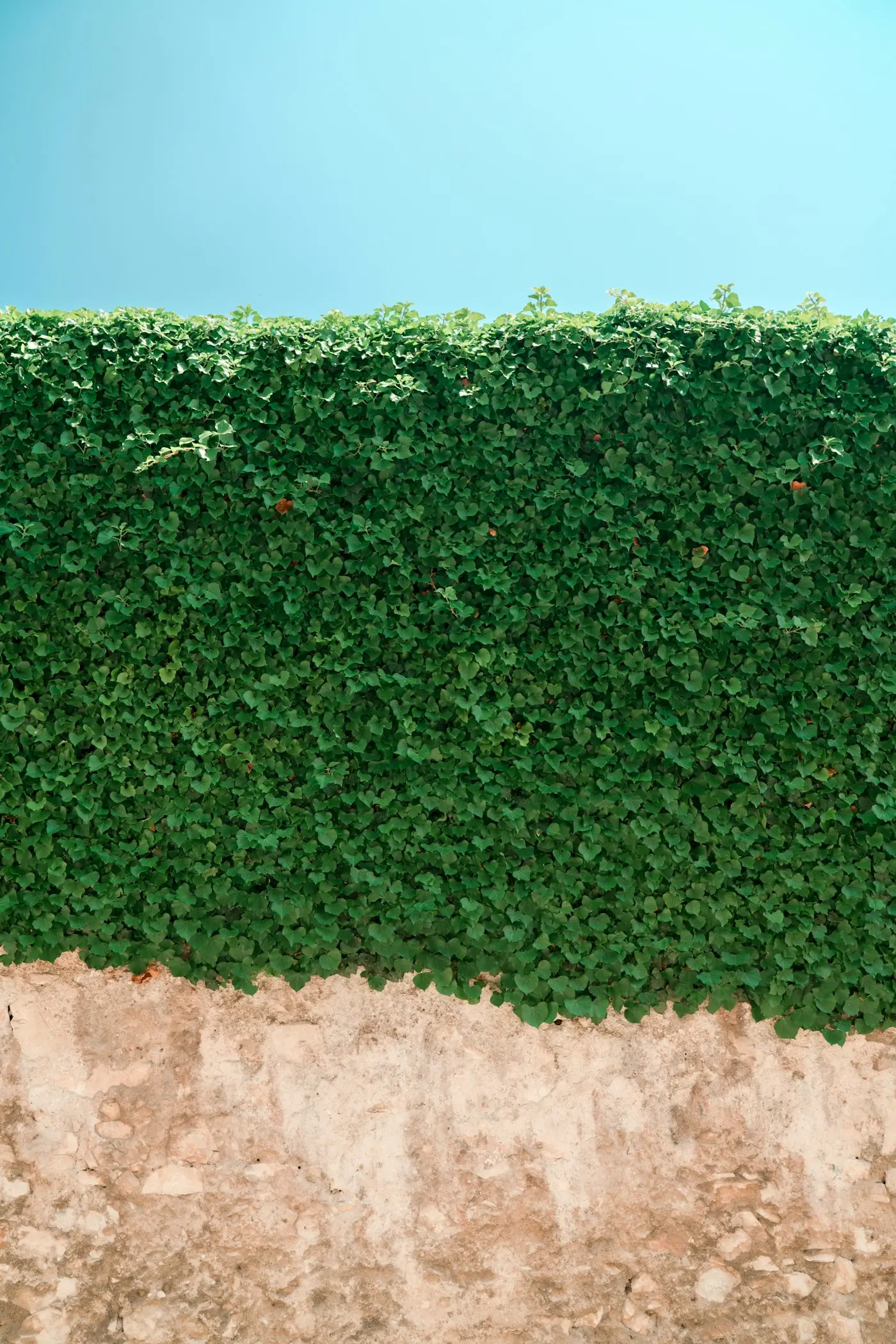
Your neighbour's leylandii was planted as a screen in the 1990s. It was three metres tall when you moved in. It is now eight metres and still growing, your back garden is in shade from mid-morning, and the letters you have sent have gone unanswered.
This is exactly the situation that Part 8 of the Anti-Social Behaviour Act 2003 - commonly called the High Hedges Act - was designed for. It is one of the least-known but most practically useful pieces of residential legislation in England. Many Yorkshire homeowners either don't know it exists, or don't know how to use it correctly, and end up either putting up with the problem for years or making a complaint that goes nowhere because it misses one of the legal criteria.
This guide covers everything: what the law actually says, what qualifies as a "high hedge" legally, what doesn't qualify, how to make a complaint to your council, what the council does, what a remediation notice means for your neighbour, the fees involved, the self-help rights you already have regardless of the council route, and the related issues that the Act does not cover.
What the High Hedges Act 2003 Actually Says
Part 8 of the Anti-Social Behaviour Act 2003 gives local councils the power to require a hedge owner to reduce the height of a hedge that is causing an "adverse effect" on the "reasonable enjoyment" of a neighbouring property. This is a civil remedy administered by local authorities, not a criminal law.
For the Act to apply, the hedge must meet all three of these conditions:
- Two or more evergreen or semi-evergreen trees or shrubs in a line - it must function as a barrier, not be a single tree or a collection of non-adjacent plants
- Over 2 metres tall at its tallest point
- Adversely affecting the reasonable enjoyment of your property - this is a judgement call made by the council's case officer based on factors including light loss to habitable rooms, overshadowing of garden space, proximity to the boundary, and how long the situation has existed
If your situation meets all three criteria, and you have already tried to resolve it with your neighbour, you have a legitimate route to a formal council complaint.
What the Act Does NOT Cover
This is where many complaints in Yorkshire fail at the first hurdle. The legislation has specific exclusions that people frequently overlook:
Deciduous Hedges
A beech hedge, a hornbeam hedge, or a hawthorn hedge - common boundary plantings across rural Yorkshire - is not covered by Part 8. The legislation applies only to evergreen and semi-evergreen species that maintain year-round visual obstruction. However, beech hedges are a partial exception in practice because copper beech and common beech both retain their dead leaves through winter (a phenomenon called marcescence), and some local authorities have treated well-maintained dead-leaf beech hedges as qualifying. This is inconsistently applied across Yorkshire councils, so it is worth asking your specific council before assuming a beech hedge is out of scope.
A Single Tree
If the problem is one large tree rather than a hedge formed of multiple stems, Part 8 does not apply. A single large oak or a single mature leylandii is not a "hedge" under the Act. A different legal route is available - the common law of nuisance or the law of trespass for encroaching roots and branches - but the Part 8 route is closed for single trees. For single trees that are also protected by a TPO, the only formal route is through the Tree Preservation Order consent process with the council.
Hedges Under 2 Metres
The Act does not cover hedges at or below 2 metres. If your neighbour's hedge is 1.8 metres tall and blocking your light, the Part 8 route is not available to you. (You can still negotiate, or you can cut the overhanging portion as a self-help remedy - see below.)
Purely Commercial Hedges
The Act covers hedges at domestic properties. Commercial properties are generally outside the scope.
Low-Level Light Issues
The Act is specifically about loss of light and amenity at property level. If the issue is purely aesthetic, or the loss is minor and not affecting habitable rooms or significant garden use, the council case officer may decide there is no adverse effect on reasonable enjoyment and decline to take action.
The Species Most Commonly Involved in Yorkshire Complaints
Knowing your hedge species matters because it determines whether the Act applies at all:
| Species | Covered by Part 8? | Notes |
|---|---|---|
| Leylandii (x Cuprocyparis leylandii) | Yes | Semi-evergreen; by far the most common subject of complaints |
| Laurel (Prunus laurocerasus) | Yes | Evergreen; commonly planted as screening; can reach 5m+ if untended |
| Holly (Ilex aquifolium) | Yes | Evergreen; slower-growing but can form very dense barriers |
| Privet (Ligustrum ovalifolium) | Yes | Semi-evergreen; often kept tidy but can become a problem if neglected |
| Photinia | Yes | Evergreen; increasingly popular as a screening hedge |
| Beech (Fagus sylvatica) | Unclear / case-by-case | Deciduous technically; dead leaf retention in winter is contested |
| Hawthorn (Crataegus monogyna) | No | Deciduous; not covered by the Act |
| Hornbeam (Carpinus betulus) | No | Deciduous; not covered |
Our hedge planting guide covers species selection for Yorkshire conditions, including which hedges make good neighbours and which to avoid near boundaries.
Before You Complain: The Neighbour Negotiation Requirement
Before your council will accept a formal Part 8 complaint, they will require evidence that you have genuinely tried to resolve the matter with your neighbour directly. This is not optional - it is a requirement of the process, and councils will ask for it.
The right approach:
- Write a letter or email to your neighbour specifically describing the problem (height, species, the impact on your property) and what you are asking them to do (reduce the hedge to a specified height, ideally 2-3 metres)
- Give them a reasonable time to respond - at least 4-6 weeks
- Keep copies of all correspondence
- If mediation is offered by a community mediation service, take it - councils look favourably on attempts at mediation
A clear paper trail showing a genuine attempt at resolution makes your complaint far more credible and significantly improves the likelihood of the council taking action.
Making a Formal Complaint to Your Yorkshire Council
The Application Fee
This is the first thing to be aware of: Yorkshire councils charge a fee to process a Part 8 high hedge complaint, and it is non-refundable. The fee is set locally and varies by council. Based on current rates across Yorkshire:
- Most Yorkshire district and borough councils: £300-500
- Some urban councils (Leeds, Sheffield): up to £600-750
- North Yorkshire Council (covering former Hambleton, Ryedale, Richmondshire, etc.): check current published rates
Check your specific council's website for the current fee before submitting. It is worth confirming the fee and understanding what it covers before you pay - in particular, whether it covers all stages of the process or whether there are additional charges if the matter goes to appeal.
What You Will Need to Submit
- Your contact details and the address of your property
- The address of the property where the hedge is located
- A description of the hedge (species, approximate height, length, position)
- Evidence of the adverse effect (photographs, ideally at different times of year showing light loss)
- Evidence of your attempts to resolve the matter with your neighbour (copies of letters or emails)
- The fee
What the Council Does
Once a valid complaint is received, a council case officer will:
- Visit the site - typically to assess the hedge from both sides of the boundary, take measurements, assess light loss to your rooms and garden, and examine the position and nature of the hedge
- Contact your neighbour - the hedge owner will be given the opportunity to respond to the complaint and may be given informal notice to take action
- Make a decision - the council will either dismiss the complaint (if the adverse effect threshold is not met) or issue a remediation notice
Remediation Notices: What They Mean
If the council upholds your complaint, they issue a remediation notice to the hedge owner. This notice specifies:
- The target height to which the hedge must be reduced - typically 2m to 3m, though this varies by case depending on the nature of the hedge and the council officer's assessment
- The time allowed for the initial reduction - typically 28 days to 3 months depending on the scale of work
- Any ongoing maintenance requirement - often specifying that the hedge must not be allowed to regrow above the target height
A remediation notice is a legal order. The hedge owner is required to comply. They can appeal the notice to the Planning Inspectorate within 28 days of receiving it - and both you (the complainant) and the hedge owner have appeal rights. If the hedge owner appeals, the process can take several months longer.
What Happens If They Don't Comply
Non-compliance with a remediation notice is an offence. The penalty is a fine of up to £1,000. In addition, the council has the power to carry out the work itself and recover the cost from the hedge owner as a civil debt. In practice, councils in Yorkshire do use this power, though it is more commonly threatened than executed - most hedge owners comply when faced with a formal notice.
Your Self-Help Rights (Independent of the Act)
Regardless of whether you make a Part 8 complaint, you have existing common law rights that you can exercise at any time:
Right to Cut Overhanging Branches and Roots
You are legally entitled to cut any branches, foliage, or roots from a neighbouring tree or hedge that cross the legal boundary onto your land, back to the boundary line. You cannot cut further into your neighbour's property. The cut material - the wood, the leaves, the fruit - remains the property of your neighbour, and you should offer it back to them. You have no right to burn it, take it to the tip, or otherwise dispose of it without their permission.
This right applies to branches that overhang your garden from a hedge that is otherwise on your neighbour's land. It does not give you the right to access your neighbour's property to carry out the cutting, nor does it allow you to cut the main structure of the hedge below the boundary line.
Nuisance
If a hedge is causing damage to your property - roots undermining foundations, root growth cracking a path, falling debris causing damage - you may have a claim in private nuisance. This is a civil matter for the courts, not the council. Legal advice from a solicitor is appropriate before pursuing this route, particularly for tree root damage claims which can be complex.
Boundary Trees and Single Trees: A Different Legal Route
If the problem is a single large tree rather than a qualifying hedge, Part 8 does not apply. Your options depend on the specific problem:
- Overhanging branches: use the self-help right above
- Encroaching roots causing damage: private nuisance - legal advice recommended
- Tree with a TPO blocking your light: you can apply to the council for consent to carry out works, but the tree officer will assess whether the amenity value of the tree outweighs your light concerns
- Dangerous tree on neighbour's land: notify your neighbour in writing of the hazard and ask them to take action; if they fail to act and the tree falls and damages your property, there may be a negligence claim if you can show they knew about the defect and failed to act
For issues involving bamboo spreading across a boundary or Japanese knotweed crossing onto your land, separate legal frameworks apply - bamboo through civil nuisance law, and knotweed through a combination of nuisance and the specific provisions under the Infrastructure Act 2015.
Getting Your Own Hedge Right
If you have a hedge that you want to keep looking sharp without creating a dispute, regular professional trimming is far more cost-effective than letting it grow and then needing major reduction work. Our hedge trimming service covers all sizes and species across Yorkshire, and our guide to hedge trimming near you in Yorkshire explains how to find a reliable trimmer and what to expect.
If you need a new boundary hedge planted that will look good and stay manageable, our hedge planting guide covers species selection, planting times, and establishment care for Yorkshire conditions.
Key Points to Remember
| Situation | What applies |
|---|---|
| Neighbour's leylandii or laurel over 2m, affecting your light | Part 8 complaint to council. Document neighbour contact first. Expect £300-750 fee. |
| Neighbour's beech or hawthorn hedge | Part 8 does not apply (deciduous). Negotiate or self-help cut to boundary line. |
| Single large tree blocking light (not a hedge) | Part 8 does not apply. If TPO tree, apply to council for works consent. Otherwise negotiate or nuisance law. |
| Branches overhanging your boundary | Self-help right: cut to boundary line. Return cuttings to neighbour. |
| Roots causing damage to your property | Civil nuisance claim. Seek legal advice. |
When the Council Refuses to Act: Your Next Options
Even with a valid complaint, well-documented neighbour contact, and a clear Part 8 case, a council may decide that the adverse effect on your reasonable enjoyment does not meet the threshold for a remediation notice. This is frustrating, but it is not the end of the road.
Appeal the Decision
You can appeal a council's decision to dismiss your complaint to the Planning Inspectorate. The appeal is free. The Inspectorate will appoint an inspector to review the case on its merits, and the inspector can overturn the council's decision and require them to issue a remediation notice. You do not need a solicitor for this appeal, but a clear, well-evidenced submission (photographs, measurements, your correspondence) is important. The appeal timeline is typically 3 to 6 months from submission to decision.
Mediation
Community mediation services are available across Yorkshire - most councils have a relationship with a local mediation provider and can signpost you. Mediation is voluntary (both parties have to agree to participate) and costs far less than legal action. For a long-running neighbour dispute, mediation that reaches an agreed outcome is often more durable than a legal remedy that leaves both parties resentful. Reaching an agreement in mediation about ongoing maintenance height and frequency also avoids the need for repeat complaints if the hedge is cut and then regrows.
Private Nuisance
If the hedge is causing measurable damage to your property - blocking a right of light that you have a legal entitlement to (which is different from a general preference for sunlight), causing structural damage through root growth, or depositing debris that damages your property - there may be a private nuisance claim in the civil courts. This route requires legal advice and involves court costs. It is a significant step, but it is available in cases where the Part 8 route has been exhausted and the harm is ongoing and measurable.
Practical Advice While You Wait for a Resolution
High hedge complaints can take months to resolve, particularly if there is an appeal. While the formal process runs, there are practical steps you can take on your own land:
- Cut anything that overhangs your boundary. Your right to cut to the boundary line is immediate and does not depend on any council process. This will not resolve the height problem (the hedge is on your neighbour's land) but it reclaims your airspace and manages the visual impact at your boundary.
- Grow a counter-planting. If the issue is loss of light, a carefully chosen small tree or pleached hedge on your side of the boundary can sometimes reclaim privacy or light without needing to reduce the neighbour's hedge. This is not always practical, but in some garden configurations it changes the calculus of the dispute.
- Document continuously. Take dated photographs at regular intervals. Note how the shadow falls in your kitchen, sitting room, or garden. This evidence is cumulative and more persuasive than a single set of photographs.
The right long-term approach for your own boundary planting is choosing species that stay manageable and proportionate. Our guide to hedge trimming near you in Yorkshire covers what professional trimming costs and what a regular maintenance programme looks like for common Yorkshire hedge species.
Need help with your hedge in Yorkshire?
60-second assessment. If a local hedge trimmer takes your enquiry, they call you with a price.
Start the assessmentCan I cut my neighbour's hedge branches that overhang my garden?
Yes - you have a common law right to cut any branches, foliage, or roots from a neighbour's tree or hedge that cross the legal boundary onto your land, but only back to the boundary line. You must not cut further into your neighbour's property. The cut material - the branches, foliage, or fruit - belongs to your neighbour, and you should offer it back to them. You have no right to simply dispose of it. This self-help right applies regardless of whether the hedge is under a TPO, though if you are in doubt about whether a tree is protected, check before cutting.
Does the High Hedges Act apply to leylandii in Yorkshire?
Yes. Leylandii (x Cuprocyparis leylandii) is semi-evergreen, which means it qualifies under Part 8. It is by far the most common subject of high hedge complaints in Yorkshire. Because leylandii grows rapidly and can reach 20 metres or more if left unmanaged, complaints about it frequently involve hedges well above 4-5 metres. The legislation allows a remediation notice to be served specifying a target height - often 2m-3m - giving the hedge owner a set period (typically 3 months) to comply.
How much does it cost to make a high hedge complaint to a Yorkshire council?
Yorkshire councils charge a fee to make a formal high hedge complaint under Part 8. Fees vary by council and are set locally - typical rates across Yorkshire range from around £300 to £750. Some councils have set fees at the lower end (around £300-400) while others charge up to £600-750. The fee is non-refundable regardless of the outcome. This is why exhausting the neighbour negotiation route first, and making sure your complaint clearly meets the criteria, is important before you pay.
How tall does a hedge have to be for a legal complaint in Yorkshire?
Under Part 8 of the Anti-Social Behaviour Act 2003 (the High Hedges legislation), the hedge must be over 2 metres tall, formed of 2 or more evergreen or semi-evergreen trees or shrubs in a line, and must be adversely affecting your reasonable enjoyment of your property. Height alone is not enough - you also need to show it is causing a real impact (typically light loss or overshadowing). The law applies to evergreen and semi-evergreen species only; purely deciduous hedges are not covered.