Quick answer: The key Yorkshire difference from national guidance is to push everything back two to three weeks. Seeds that southern instructions say can go out in March often cannot go outside in Yorkshire until April or May. The last frost risk in Yorkshire is mid-April in sheltered urban gardens, late April to early May in rural lowlands, and mid-May in the Dales and Moors. The safe rule for tender plants across most of Yorkshire is: do not plant outside until after the Chelsea Flower Show weekend (late May). Sow tomatoes indoors in late March, not February. Do not sow basil until April at the earliest, and keep it inside until June.
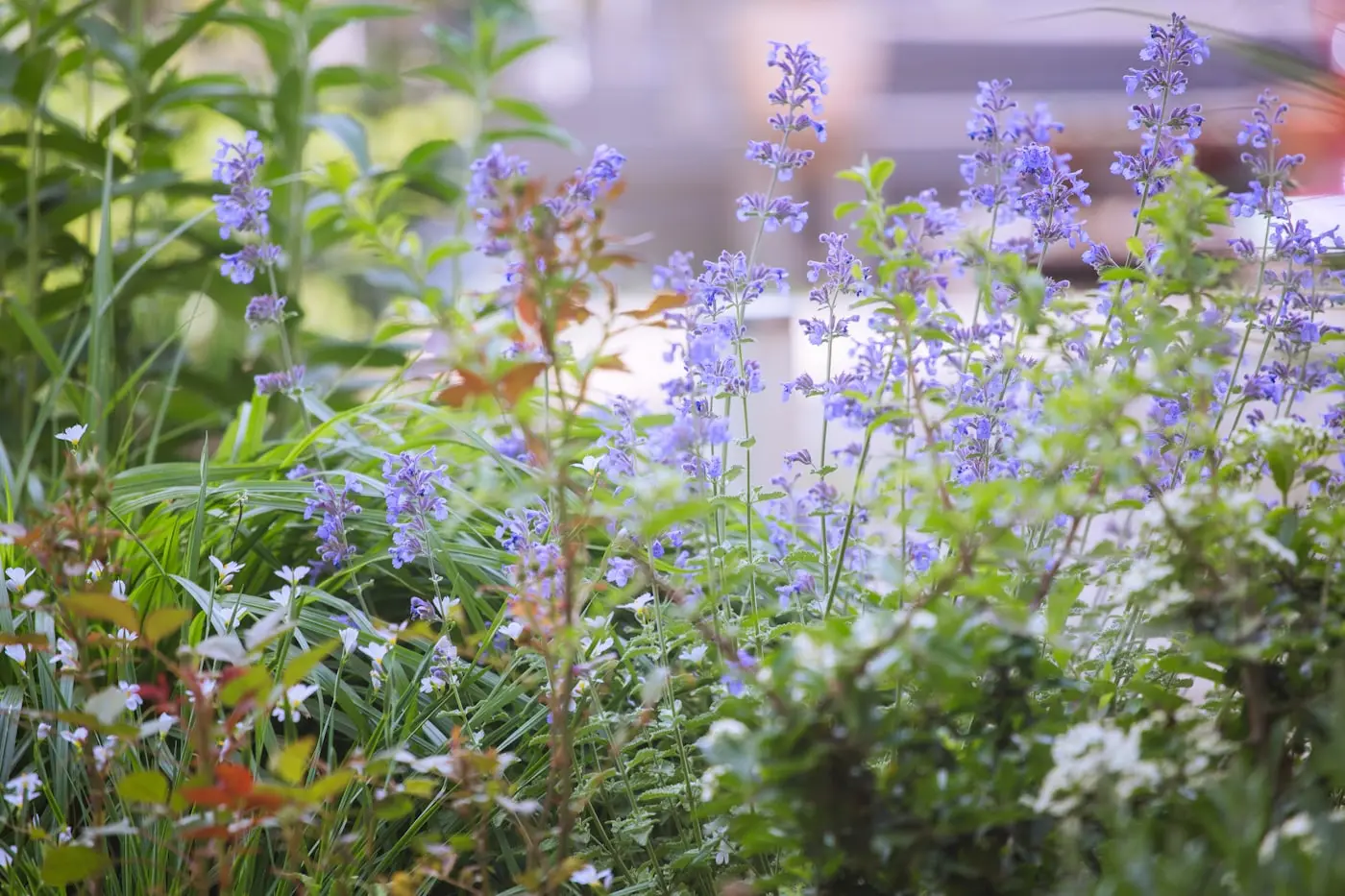
Why Yorkshire Is Different from National Seed Packet Guidance
Seed packets sold in UK garden centres are typically written for average UK conditions, which means they are calibrated primarily for central and southern England. A packet saying "sow outdoors from March" may be perfectly accurate for a garden in Hampshire or Oxfordshire, but in Yorkshire that advice can lead to seed rotting in cold, wet soil, frost-killed seedlings, or plants that bolt because they were stressed by cold before the summer growing season began.
Yorkshire sits broadly between latitude 53 and 54 degrees North - further north than most of England. Spring comes later as a result. Air temperatures are cooler throughout the growing season. Frosts persist longer into spring. These are not marginal differences; they represent a genuine shift in the growing calendar that matters practically when you are deciding whether to sow.
Yorkshire is also not climatically uniform. The county's varied topography - from the Pennines and Dales in the west, across the Vale of York, to the coast - creates very different local climates. A garden in Skipton at the edge of the Dales is a meaningfully different growing environment from a garden in central York, which in turn differs from a garden in Filey on the North Yorkshire coast. Understanding where you sit within this variation allows you to calibrate your own sowing decisions rather than relying on generic advice.
Last Frost Dates: Yorkshire by Location
The last frost date is the most important single date in the growing calendar because it determines when tender plants can go outside without risk of being killed or set back by freezing temperatures overnight.
Approximate last frost dates by Yorkshire location
- Leeds, Sheffield, Bradford (urban, sheltered): mid-April, occasionally earlier in mild years
- York, Selby, Doncaster (vale, sheltered lowland): mid to late April
- Hull, East Riding lowlands: late April (coastal influence moderates the worst frosts)
- Harrogate, Wetherby, Tadcaster (mixed terrain): late April to early May
- Rural Pennine foothills (Ilkley, Skipton, Hebden Bridge): early to mid-May
- Yorkshire Dales (Wharfedale, Wensleydale, Swaledale): mid-May; late May in exposed upland positions
- North York Moors (moorland gardens): mid to late May; frosts possible into early June in cold years
- Scarborough, Filey, Whitby coast: late April to early May (sea influence prevents the worst frosts)
These dates represent typical last frost occurrences, not guarantees. In an unusually cold year, frosts can occur outside these windows. In a mild year (increasingly common in the 2020s), last frosts may come two to three weeks earlier than these benchmarks. The practical approach is to use these dates as a minimum and to keep an eye on the local weather forecast before committing tender plants to outdoor positions in late April and May.
The Yorkshire Seed-Sowing Calendar: Month by Month
January and February: The Patience Months
In Yorkshire, January and February are best used for planning, ordering seeds, and preparing equipment rather than sowing. The exception is a small number of very early crops that benefit from an extremely long growing season and are sown under heat.
Onions and leeks can be sown indoors in late January to mid-February in a heated propagator (15-18 degrees Celsius) on a warm windowsill. These need a long growing season and starting them in February (six to eight weeks earlier than most other crops) gives them time to develop properly before being planted out in late April to May. Sow in small cells or a seed tray, prick out when large enough to handle, and grow on in a cool but frost-free place (an unheated porch or cold greenhouse is ideal).
Sweet peppers and aubergines, which need the longest growing season of any commonly grown vegetable, can also be sown in mid-February in a heated propagator at 20-25 degrees Celsius if you have a greenhouse or polytunnel to grow them in. In Yorkshire's cool summers, sweet peppers and aubergines are very challenging to ripen outdoors and really need protected cultivation - only worth starting in February if you have the growing space to support them through summer.
March: Starting in Earnest (Indoors)
March is the main indoor sowing month in Yorkshire. The days are lengthening rapidly, which provides adequate light for seedlings on a south-facing windowsill without the need for supplementary lighting. Outdoor soil is still too cold and wet for most seeds, but indoor conditions with gentle heat are excellent for getting an early start on the season.
Sow indoors in March in Yorkshire: tomatoes (in a propagator at 18-20 degrees Celsius), chillies, celeriac, early celery, parsley, chives, broad-leaf basil (for indoor crops), sweet peas (if not autumn-sown), and half-hardy annual flowers (antirrhinums, Pelargoniums, Verbena).
For direct outdoor sowing in March, you need a mild spell and soil temperatures of at least 7 degrees Celsius. On Yorkshire clay, March soil is usually too cold and wet. In a sheltered, south-facing raised bed that warms quickly, you might get away with sowing broad beans, peas, and onion sets from mid-March onward in a good year. Check soil temperature with a thermometer before sowing; guessing usually means poor germination or rotting seed.
Hardy annual flowers - cornflowers, Calendula, Larkspur, Nigella, Ammi - can be sown direct outdoors in March in mild spells in sheltered positions. Yorkshire's variable March weather makes this unreliable; sowing in modules indoors and transplanting in April is safer.
April: The Transition Month
April in Yorkshire is the transition month - spring genuinely beginning, but with the possibility of sharp frosts still real, especially in the first half. The approach for April is: expand what you sow indoors significantly, and begin cautious direct outdoor sowing of the hardiest subjects from mid-April onward.
Sow indoors in April in Yorkshire: courgettes, cucumbers, squash (from mid-April), runner beans, French beans, sweetcorn (all of these go outside in late May after hardening off), celery, celeriac, and half-hardy bedding plants.
Direct outdoor sowing from mid-April in Yorkshire: peas (they tolerate light frosts), spinach, rocket, lettuce (in a sheltered position), radishes, beetroot (in a warm, sheltered spot - cold soil delays germination significantly), carrots (mid to late April in a sheltered raised bed), and parsnips. Hardy flowers including sweet William, wallflowers (for next year), and poppies can be sown direct.
Harden off indoor seedlings of hardy plants (onions, leeks, chives, sweet peas) through April in a cold frame or by putting them out on warm days and bringing back in at night.
May: The Main Outdoor Planting Month
May is when the Yorkshire growing season genuinely opens up. After the Chelsea Flower Show weekend (typically the third week of May), the frost risk across most of Yorkshire is very low and tender plants can go outside. This is the month for the big planting out.
Plant out in May in Yorkshire: tomato plants to their outdoor or greenhouse position from mid-May; courgettes, cucumbers, squash to their outdoor growing positions from late May; French beans and runner beans from the third week of May; sweetcorn from late May; bedding plants and half-hardy annuals from mid-May onward. Always check the forecast before planting out tender plants - even a single frost on a clear May night can kill courgettes or beans that took six weeks to raise from seed.
Continue direct outdoor sowing in May: further successions of lettuce, spinach, and salad leaves every two weeks; more carrots and beetroot; sweetcorn direct (from seed, warm soil required); and annual flowers including sunflowers, nasturtiums, and marigolds.
May is also the best month for sowing hardy perennial flowers from seed: Geranium, Digitalis (foxglove), Aquilegia, and Echinacea. These are sown in May or June for flowering in their second year.
June: Full Season Underway
June is when a Yorkshire vegetable garden should be at full momentum. Main-crop potatoes are growing strongly, early potatoes are nearly ready for lifting, the first peas may be ready, and lettuce sown in March and April is in full production. June is also a key month for succession sowing - replacing crops harvested or past their best with fresh sowings that will produce in July and August.
Sow in June in Yorkshire: further successions of lettuce, rocket, and salad; French beans for a July-August harvest; courgettes from seed for a late-season crop (if earlier plants are struggling); basil outside in a warm, sheltered position from mid-June; and hardy biennials (foxgloves, wallflowers, sweet William, aquilegia) sown for next year's display.
For a Yorkshire vegetable garden producing through spring, summer, and autumn, succession sowing every two to three weeks from April through to July is the key habit. It avoids the common pattern of everything ripening at once in July, followed by a gap in August and September.
July and August: Late Sowings and Looking Ahead
July and August in Yorkshire are productive months in the vegetable garden but sowing opportunities are narrowing. Most main crops are now in full growth and the focus shifts from sowing to harvesting, watering (in dry periods), and pest management.
Key sowings for July and August in Yorkshire: French beans for a September crop (sow by mid-July); successional lettuce, rocket, and baby leaf salad every two weeks through July and into August; spring onions (from seed) through July for autumn harvest; spinach in August (it performs better in cooler conditions - August sowing gives excellent autumn and early winter production); and winter brassicas (kale, winter cabbage) transplanted from their nursery bed in July.
By late August, direct outdoor sowing is winding down for most crops in Yorkshire. However, overwintering crops - garlic (planted September to October), onion sets for spring (planted September), and broad beans (can be sown in November in sheltered positions for a strong early-spring plant) - are approaching their time.
Vegetables versus Flowers: Different Sowing Logic
Vegetable and flower seed sowing follows different logic in Yorkshire. Vegetables are driven primarily by the need to maximise harvest within the limited Yorkshire growing season. Flowers are driven by when you want them to be in bloom.
For cut flowers and border annuals, many hardy annual flowers (cornflowers, Larkspur, Nigella, Ammi majus, Calendula) can be direct-sown in September in Yorkshire for an earlier, stronger display the following summer. Autumn-sown hardy annuals overwinter as small plants and start growing vigorously in spring, typically flowering three to four weeks ahead of spring-sown equivalents. This is particularly valuable in Yorkshire where spring-sown hardy annuals sometimes barely establish before the best of the summer is over.
Sweet peas are the classic autumn sowing in a cold greenhouse or cold frame in October or November, producing large, vigorous plants for planting out in April. In Yorkshire, autumn-sown sweet peas vastly outperform spring-sown ones in terms of flower quantity and stem length.
Hardy perennial flowers raised from seed take longer - often two years to flower. Sow foxgloves, aquilegia, and Echinacea in May or June of year one; they flower the following summer. This is more of a project than a quick result, but seed is very inexpensive compared to buying established plants, and self-sown colonies become self-sustaining over time.
Hardening Off: The Essential Yorkshire Step
Hardening off is the process of gradually acclimatising indoor-raised seedlings to outdoor conditions. It is essential in Yorkshire because the difference between a warm indoor windowsill and a Yorkshire April or May morning can be extreme. Plants moved directly from indoors to outside without hardening off experience shock that sets them back by weeks or kills them outright.
The process: start by placing seedlings outside in a sheltered spot for two to three hours on a warm, still day, bringing them back in before the evening chill. Do this for three to four days. Then leave them out for a full day, coming in for the night. Then a few nights outside in a cold frame or cloche (which provides a few degrees of frost protection). Then final planting out. The whole process takes ten to fourteen days minimum.
Yorkshire's variable spring weather makes hardening off less straightforward than it sounds. A warm week in late April can make plants seem ready to go out, followed by a cold north-easterly bringing overnight frosts in early May. Watch the forecast, not the calendar. A cloche or cold frame as an intermediate step is the safest approach for borderline-hardy subjects.
Dealing with Yorkshire Spring Frosts After Planting
Even experienced Yorkshire gardeners get caught out by a late frost after planting out. The consequences range from cosmetic (blackened growing tips on tomatoes that then recover) to catastrophic (all courgette plants killed overnight). Here is how to manage the risk.
Keep a supply of fleece (horticultural fleece, not curtain lining) in the shed through May. A single layer of horticultural fleece provides two to three degrees of frost protection and can be quickly thrown over freshly planted tender crops when a frost is forecast. Weight the edges down to prevent it being blown off. This alone saves plants from many late-frost events.
A cold frame is invaluable for the transition period. Courgette plants can stay in the cold frame until the last frost risk has genuinely passed, rather than being planted out and then covered and uncovered repeatedly. The extra week in the cold frame is often worth more than an extra week in the open ground.
Tomatoes are more frost-tolerant than commonly believed when established - they will tolerate light air frost briefly if the growing tips are protected with fleece. Newly planted courgettes, French beans, and sweetcorn are much more vulnerable and should not be planted out until the risk is genuinely low.
Summary sowing guide for Yorkshire
- Indoors from January: Onions, leeks (long season crops)
- Indoors from March: Tomatoes, chillies, celeriac, parsley, sweet peas
- Direct outside from mid-April: Peas, spinach, rocket, carrots, beetroot, hardy annuals
- Indoors from April: Courgettes, squash, cucumbers, beans, sweetcorn, bedding
- Plant outside from mid to late May: All tender crops after hardening off
- Direct outside from May: Sunflowers, nasturtiums, French beans, salad successions
- Last useful sowings July-August: Salad, spinach, kale, French beans
- Autumn sowings September-November: Hardy annuals, sweet peas (cold frame), garlic, overwintering onions
Vegetables That Grow Particularly Well in Yorkshire
Yorkshire's climate is genuinely excellent for certain crops that struggle in hotter, drier southern counties. Brassicas (kale, cabbage, sprouts, broccoli) grow superbly in Yorkshire's cool, moist conditions and benefit from the reliable rainfall. Leeks are well suited to Yorkshire conditions and can be left in the ground well into winter without deteriorating. Lettuce and salad crops bolt less quickly than in the south's summer heat, giving a longer usable season. Parsley, chives, and hardy herbs are reliable. Potatoes perform well in Yorkshire, particularly in the lighter soils of the East Riding where the traditional Yorkshire potato-growing areas are found.
The crops that Yorkshire's climate makes genuinely challenging: aubergines and sweet peppers (not enough heat), outdoor cucumbers (need a warm, sheltered spot and are variable), outdoor melons (rarely ripen reliably), basil (see herb garden guide), and late-ripening tomatoes that may not colour up before the autumn frosts arrive.
For the best combination of success and productivity in a Yorkshire vegetable garden, the classic approach is to concentrate on what grows well - brassicas, leeks, onions, potatoes, broad beans, peas, and hardy salads - while keeping warm-season crops like tomatoes, courgettes, and cucumbers as a productive addition rather than the main event.
For detailed vegetable growing advice for Yorkshire conditions, see our growing vegetables in Yorkshire guide and our spring garden checklist for Yorkshire. Our garden maintenance service can help keep a productive kitchen garden on track through the growing season, and our borders and planting service can assist with raised bed construction and first-year soil preparation.
Want to get more from your Yorkshire garden?
Find local gardeners who know Yorkshire's growing conditions and can help with your kitchen garden or borders.
Get a free quote →Frequently Asked Questions
When is the last frost date in Yorkshire?
Last frost dates vary by location. Sheltered urban gardens (Leeds, Sheffield, York): mid-April. Rural lowlands: late April to early May. Yorkshire Dales and Pennine foothills: mid-May. North York Moors and exposed upland positions: mid to late May, occasionally early June. For tender plants across most of Yorkshire, treat mid-May as the reliable frost-free date. Check the forecast rather than the calendar - in a cold year, frosts can occur well outside these typical windows.
When should I start tomato seeds in Yorkshire?
Sow tomato seeds indoors in Yorkshire in late March to early April in a warm propagator at 20-25 degrees Celsius. Sowing earlier produces seedlings that outgrow indoor space before outdoor conditions are suitable (late May to early June in Yorkshire). Outdoor tomatoes need a sheltered, south-facing position. An unheated greenhouse or polytunnel is more reliable for consistent cropping in Yorkshire's cool summers.
Can I sow directly outside in Yorkshire in March?
Only the hardiest seeds. Onion sets, garlic, and hardy broad beans can go in from late February to March in sheltered positions. Hardy annual flowers and some vegetables (peas, spinach, rocket) can be direct-sown from mid-March in mild spells. Most vegetable seeds need soil temperatures of 7-10 degrees Celsius to germinate reliably - Yorkshire clay in March is often below this. A soil thermometer is more reliable than the calendar for deciding when to start direct sowing.
How do I harden off seedlings in Yorkshire?
Allow two weeks minimum. Start by placing seedlings outside in a sheltered spot for two to three hours on warm, still days, bringing them back inside in the afternoon. Gradually increase outdoor time over two weeks, eventually leaving overnight in a cold frame before final planting. Yorkshire's variable spring weather makes hardening off more important than in southern gardens - never rush this process, and watch the forecast for late frosts.
When is it too late to sow seeds in Yorkshire?
For most vegetables, the practical sowing window closes in late July to August. Salad leaves, spinach, and radishes can be sown through August. Overwintering garlic and onion sets go in September to October. Hardy biennial flowers are sown June to July for next year's display. Sweet peas for next summer can be autumn-sown in September to October in a cold frame. The Yorkshire growing season effectively runs May to October for tender crops, with hardy crops extending both ends.
Do I need a greenhouse to grow from seed in Yorkshire?
Not essential, but helpful. A warm, south-facing indoor windowsill provides sufficient warmth for most seed germination. A heated propagator helps for tomatoes, peppers, and aubergines. A cold frame (unheated, glazed box) is very useful and inexpensive, significantly extending what is achievable without a full greenhouse. An unheated greenhouse adds three to four weeks to the Yorkshire growing season and is particularly valuable for tomatoes and cucumbers.
Why are my seeds not germinating in Yorkshire?
Most common causes: soil or compost temperature too low (most seeds need 10-15 degrees Celsius minimum; Yorkshire clay in April is often below this); sowing too deep; compost too wet or too dry; seeds past their viability date; or slugs eating emerging seedlings before they are noticed. Check soil temperature with a thermometer before sowing outdoors. Sow in modules indoors if outdoor soil is below 10 degrees Celsius.