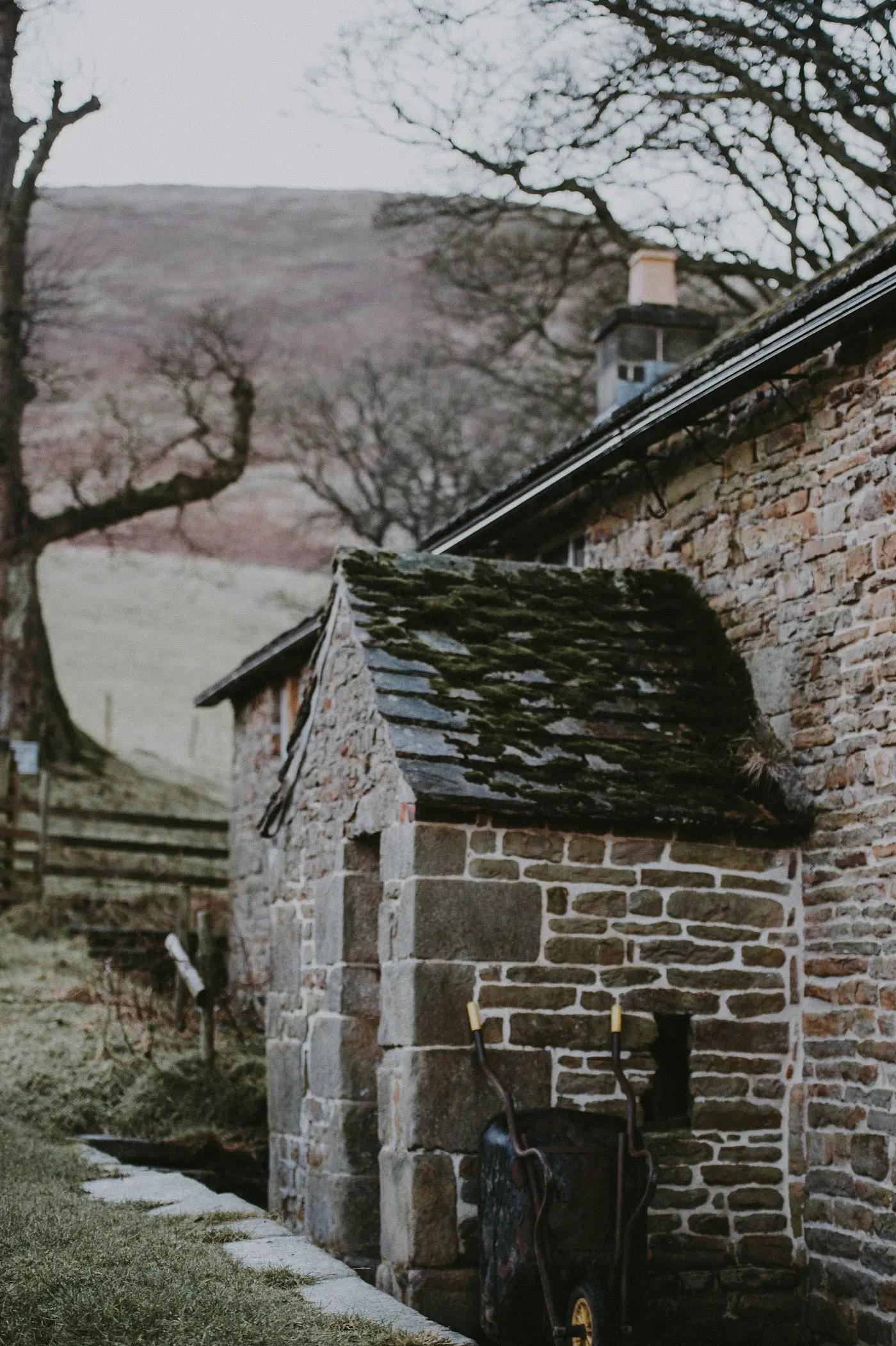
The most common spring gardening mistake in Yorkshire is trusting a calendar rather than the conditions. National guides say "start the lawn in March" or "plant out after mid-May" and those timings are roughly right for somewhere around Birmingham or the Thames Valley. In Yorkshire, the picture is more varied. Sheffield's Don Valley and the urban heat island of Leeds can be mowing and planting weeks ahead of a garden at 300 metres in Wharfedale, which might not see its last frost until late May. This checklist is built around Yorkshire conditions specifically, with the timing caveats you actually need.
The Soil Temperature Rule
Two soil temperature thresholds matter for spring gardening decisions, and they cut through all the date-based confusion:
- 7 degrees Celsius: grass starts actively growing; first mow is appropriate
- 10 degrees Celsius: most vegetable seeds germinate reliably; warm-season activity begins in earnest
How to check: a cheap soil thermometer costs under £10 and reads the temperature at a 10cm depth where roots and seeds actually live. Check mid-morning, when the soil has had time to warm from overnight. If you do not have a thermometer, use the Met Office's soil temperature maps or BBC Weather's soil temperature data, both of which are freely available online and show readings by region.
The alternative is observation. If your forsythia is in full flower, you are at or past the 7-degree threshold for first mowing and early rose pruning. If daffodils are past their best and tulips are finishing, you are approaching 10 degrees. These phenological cues - events in the garden that respond to temperature rather than date - are more reliable guides than a calendar for Yorkshire's variable spring.
Yorkshire Spring Timing by Region
| Area | First mow (typical) | Rose pruning | Tender plants out |
|---|---|---|---|
| Sheffield, Rotherham, Doncaster | Mid-March | Mid-March | Late April/early May |
| Leeds, Bradford, Wakefield | Late March | Late March | Early to mid-May |
| York, Selby, Beverley | Late March/early April | Late March/early April | Mid-May |
| Harrogate, Ripon, Thirsk | Early April | Early April | Mid-May |
| Yorkshire Dales (below 200m) | Early to mid-April | Early to mid-April | Late May |
| Yorkshire Dales (above 200m) | Mid to late April | Mid-April | Late May/early June |
These are averages based on typical Yorkshire spring conditions. In a warm year, all dates shift earlier by two to three weeks. In a cold, late spring (more common in the north of the county), they shift later. The 2023 spring was exceptionally late in North Yorkshire - Dales gardens that expected to mow in early April were still frost-touched at the end of April. Check local forecasts rather than relying on fixed calendar dates.
March: Getting Started
First mow
When the soil is above 7 degrees and the grass has started growing, do the first cut at the highest mower setting. Do not drop straight to your summer cutting height - cut at 5-6cm first, then lower by 1cm increments over the following two or three cuts as growth picks up. Scalping a lawn that has been through a Yorkshire winter is a reliable way to create bare patches, and the repair work takes weeks. Check the blade is sharp before the first cut - a blunt blade tears the grass tips rather than cutting cleanly, turning them brown and inviting disease.
Do not mow when the lawn is frozen or waterlogged. Yorkshire lawns spend a significant portion of winter and early spring in a saturated state. Mowing a wet lawn compacts the soil, tears the sward, and leaves wheel marks that persist for weeks. Wait for a drier day or morning rather than mowing because it is the scheduled day. Our lawn mowing service handles the timing judgment on your behalf across Yorkshire.
Spring lawn feed
Wait until the lawn is growing actively before applying any spring feed - this means visible growth at the tips and clippings from the first cut. A spring feed should be high in nitrogen. Apply when rain is forecast or water in well to prevent scorching. Do not apply spring feed to a frozen or dormant lawn. Our lawn treatment service covers spring feed and pre-emergent weed control applications.
Border wake-up
Pull back any mulch that has migrated onto crowns of emerging perennials - hostas, hemerocallis, and other moisture-sensitive crowns can rot if buried under wet compost. Leave the mulch in place on the open soil between plants where it belongs. Remove any debris that has accumulated around the base of plants over winter. Cut back the dead stems and grasses that were left for wildlife through winter - do it now, before new growth makes it fiddly.
April: The Busy Month
Rose pruning
Hybrid teas and floribundas: cut hard, to outward-facing buds, to roughly knee height or a little above. Remove any dead, diseased, or crossing stems entirely. Cut at a 45-degree angle, slanting away from the bud, with a sharp clean blade. A blunt secateur crushes the stem rather than cutting it cleanly and leaves a bruised end that is highly susceptible to disease entry. Sharpen or replace the blade before pruning season. See the rose pruning guide for the full technique for different rose types.
Climbers and ramblers: do not touch climbers in spring. Climbing roses should be pruned in autumn after flowering; the long lateral shoots carry the following year's flowers. Ramblers that flower once (on the previous year's growth) should be pruned immediately after flowering in July - do not touch them in spring. Pruning a rambler in spring removes this year's flower buds.
Hedge work: the nesting season caveat
Nesting season for most garden birds runs from late February through to August, with peak activity in April, May, and June. It is a criminal offence under the Wildlife and Countryside Act 1981 to disturb an active bird's nest. Before carrying out any hedge trimming in April, carry out a quick visual check for active nests. If you find one, leave the hedge until the nest is clearly abandoned. This is not a theoretical concern - blackbirds, robins, thrushes, and house sparrows all nest regularly in garden hedges across Yorkshire. Our hedge trimming service teams check for nesting activity before starting work. Any formal trimming that requires cutting back significantly should ideally be done in late summer (after nesting) or autumn.
Lawn edging
April is the time to re-cut the lawn edges where grass has crept over paths and beds over winter. A half-moon edging iron (not a spade) cuts a clean vertical edge that defines the lawn against beds and paths. Do it when the soil has dried slightly from winter saturation - cutting edges in waterlogged conditions smears and compresses the cut face. Lawn edging as part of a spring tidy is one of the highest visual impact jobs for the time it takes.
Patios and drives: pre-season pressure wash
Yorkshire winters leave their mark on hard surfaces. Green algae, moss, and grime build up on patio slabs, decking, and driveways through the wet months, and surfaces that were non-slip in October become genuinely hazardous by March. A pressure wash in April before the garden social season begins removes the season's accumulation and restores the surface. Our pressure washing service covers patios, driveways, and decking across Yorkshire. Book in March if possible - April slots fill quickly as everyone wants the same thing after a Yorkshire winter.
Raised beds and vegetable garden preparation
April is the time to prepare raised beds and vegetable plots for the season. Top up beds with 5-10cm of compost if not done in autumn. Check pH if growing brassicas (they prefer 6.5-7.0 to suppress club root). Get slug management in place - nematodes watered in when soil is above 5 degrees and consistently moist, copper tape around bed edges - before plants go in rather than after the first overnight destruction. Cool-season crops (salad leaves, peas, broad beans, spinach) can go in April in most of Yorkshire. Tender crops (courgettes, tomatoes, climbing beans) wait until after the last frost. See the raised beds guide for Yorkshire-specific timing and what to grow.
May: The Last Push Before Summer
Pre-emergent weed control
May is the moment to apply pre-emergent weed control to borders and gravel paths before summer annual weeds get established. Annual weeds (groundsel, hairy bittercress, goosegrass, annual meadow-grass) germinate as soil temperatures rise and can overwhelm a border within weeks in May and June in Yorkshire's moist conditions. A pre-emergent application on clear ground, combined with a mulch layer on the borders, significantly reduces the summer weeding burden. A thick mulch (7cm of compost or bark chip) applied now prevents most annual weed germination by blocking the light they need. Our weed control service covers both border applications and lawn weed treatment across the county.
Tender plants: the last frost window
The impulse to plant out tender crops and bedding in early May is understandable after a long Yorkshire winter, but a late frost in the second or third week of May - not uncommon in North Yorkshire - can wipe out everything in a single night. The standard advice is to harden off tender plants for two weeks before planting out (moving them outside during the day and in at night), then plant out in the last week of May in most of Yorkshire, or early June in the Dales above 200m.
Keep fleece to hand for the first two weeks after planting out. A single fleece cover on a cold May night takes two minutes to apply and protects plants you have spent weeks raising from seed. The investment in a roll of lightweight horticultural fleece pays for itself many times over in a Yorkshire spring.
Why gardeners fill up in April and May
The combination of a Yorkshire winter that keeps everyone indoors through February and March, the social pressure of wanting the garden ready for bank holiday weekends, and a relatively short productive growing season means that April and May see the highest demand for garden services of any two-month period in the year. A first-cut and tidy visit in late March takes 2 hours. The same garden left until May can take 4-6 hours when growth has got ahead of it. If you want a gardener in April, book in February. If you need a one-off spring clear, the same timing applies.
Yorkshire Clay: Why the Checklist Starts Later Here
Yorkshire's predominantly clay soil is slower to warm and slower to drain than the lighter soils of the south of England. In practical terms this means that even when air temperatures have been mild for a few weeks, the soil can still be saturated and cold at root depth. Working clay soil before it has dried and warmed - digging it, compacting it by walking on it, planting into it - damages its structure in ways that take months to recover. The compacted, smeared surface that results from digging or walking on wet clay sets hard as the soil dries, and roots struggle to penetrate it.
The Yorkshire spring checklist therefore starts slightly later in terms of active ground work than a national guide would suggest, even when air temperatures might seem mild. Waiting for the soil to drain and warm before working borders and planting is not impatience failure - it is the right call for the conditions.
What to Book Early
Several spring services have consistent booking pressure in Yorkshire and are worth arranging in late winter:
- First-cut overgrowth clearance: Lawns that have not been cut since October and have had a full Yorkshire winter of rain and growth need more than a standard mow. An overgrowth cut, scalping back long grass in stages, is needed first. These visits are in high demand in March and April.
- Patio and driveway pressure washing: April and May bookings fill quickly. Book in February or March for an April slot.
- Garden clearance after winter: Annual clear of debris, cut-back of perennials, clearing of algae from hard surfaces. One of the most requested one-off services of the year.
- Lawn treatment (feed and weed): Spring lawn treatment - feed, weed, and moss control - needs to be done while the lawn is actively growing but before weeds get established. The window is April to early May in most of Yorkshire.
Our garden maintenance service covers regular spring visits and one-off clear-ups across Yorkshire, and our garden clearance service handles larger one-day jobs.
Frequently Asked Questions
When should I do the first mow of spring in Yorkshire?
When soil temperature is consistently above 7 degrees Celsius and grass is actively growing. Mid-March in South Yorkshire, late March to early April in Leeds, York, and Harrogate areas, mid-April in the Dales. First cut at highest mower setting only - no scalping.
When should I prune roses in Yorkshire?
After the last hard frost risk: mid-March in South Yorks, late March to early April in the Vale of York and Harrogate, mid-April in the Dales. Use the forsythia flowering as your local indicator - prune roses when forsythia is in full flower. Never prune in January in Yorkshire; February frosts will catch new growth.
Should I apply a spring lawn feed in March in Yorkshire?
Only once the grass is actively growing. In South Yorkshire this can be March; in North Yorkshire, April is more typical. Apply when rain is forecast. Use a high-nitrogen spring formulation, not an autumn feed. Do not apply to frozen or dormant grass.
When should I book a gardener for spring work in Yorkshire?
February or early March for April and May work. Gardeners fill up rapidly from March. If you need a first-cut overgrowth clear or a spring tidy, book in February. Leaving it until April typically means waiting until May or June.
Why does Yorkshire's spring start later than national guides suggest?
Yorkshire is further north, at higher elevation, and exposed to cold northern and eastern air masses that most national guides do not account for. Spring in the Dales can be four to six weeks behind the south of England. Use your local first frost date and soil temperature as your anchor, not a national calendar.
Book your spring garden visit in Yorkshire
First cuts, spring clearances, patio washing, lawn treatment. Book early to get your preferred date in April or May.
Get a quote