Yorkshire Lawn & Garden

Garden design · Bingley

Bingley garden design and landscaping.

Garden design across Bingley, Cottingley, Crossflatts, Eldwick, Harden, Micklethwaite. Terraced hillside gardens on steep Aire Valley slopes, millstone grit boundaries, and acid peat soil on the higher ground toward Eldwick and Harden Moor. Local designers who quote directly, free initial estimates, design from £500.

  • Free initial estimates
  • Local designers who quote directly
  • Design from £500
  • No call centres
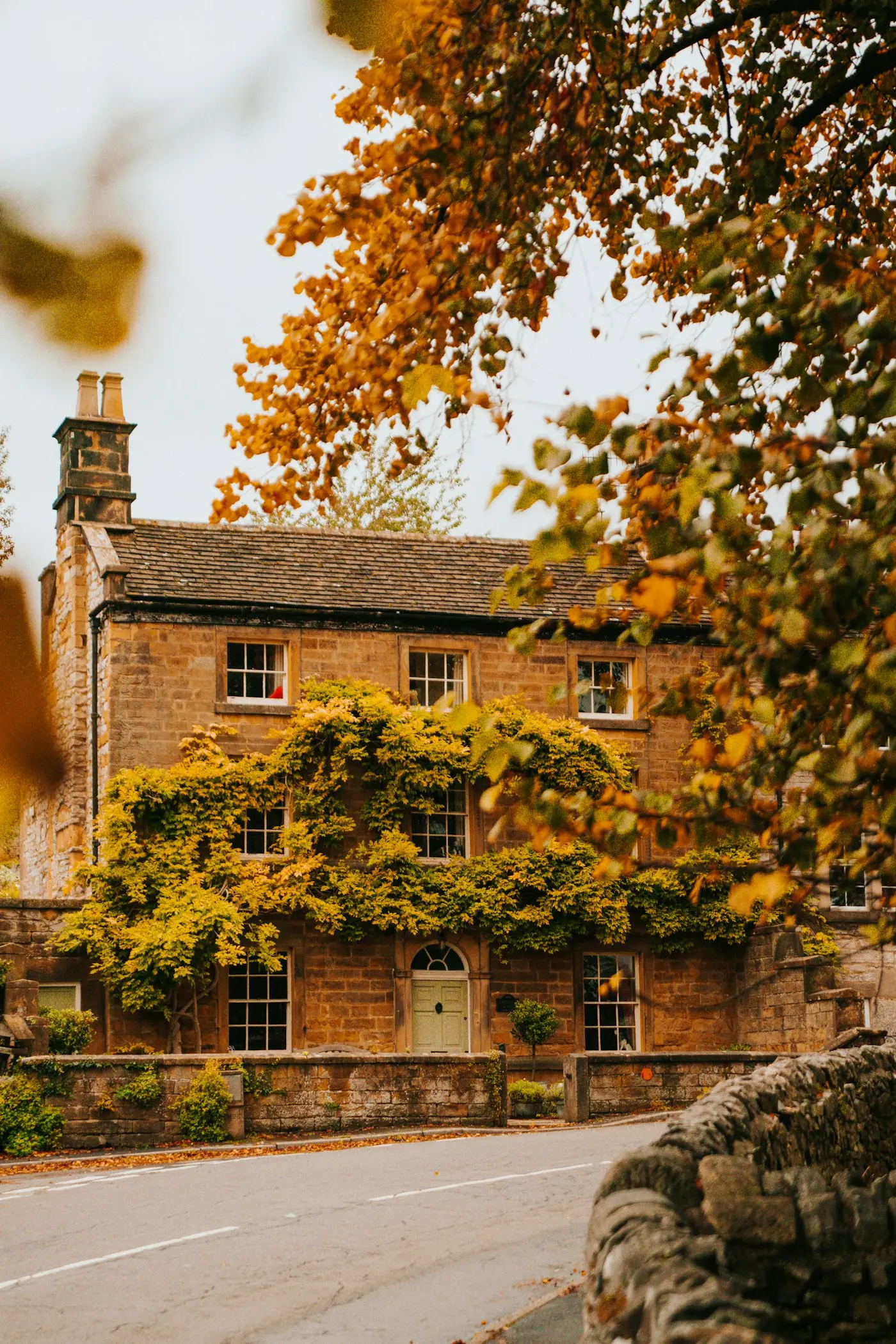
Stone farmhouse beside an autumn tree

What garden design looks like in Bingley

Bingley gardens are shaped by the Aire Valley topography and the millstone grit that defines the town's architecture and its soil character. Terraced properties on steep slopes, stone boundary walls that need consistent moss and pointing attention, and acid peat soil on the higher ground toward Eldwick and Harden Moor. The valley floor around Crossflatts and the lower Bingley streets has reasonable loam that grows well once properly managed, but climb toward Eldwick and Harden and the soil shifts to thin, acidic peat over millstone grit where only rhododendrons and heathers genuinely thrive.

Most garden design enquiries in BD16 fall into two categories: terraced hillside properties where access and slope management define the brief, and moor-edge gardens where elevation, wind exposure, and acidic soil limit the planting palette. The terraced format on the hillside streets means what looks like a modest garden can require significantly more time and cost per square metre than a flat suburban plot — steps, retaining walls, and sections only reachable on foot add complexity that needs factoring into the design and the build budget.

The acid peat on the moor edge above Harden and Eldwick is genuinely limiting for certain plants. If your garden sits on this ground and your roses and clematis are struggling, the soil chemistry is almost certainly part of the reason. Getting the planting choices right from the outset — rhododendrons, azaleas, heathers, hardy structural shrubs — saves the cost and frustration of replacing unsuitable species that fail within a season or two. Check the Bingley lawn care page for context on what the soil needs and how it behaves through a typical West Yorkshire season.

Cost ranges for Bingley garden design

Design fees are separate from build and planting costs. The ranges below reflect what designers across Yorkshire typically charge. Most quote a fixed fee after seeing the site.

Service Typical range
Initial consultation Free to £75–150
Planting plan only £300–800
Planting plan + implementation £600–1,500
Full design and project management £800–3,000+
Border replant (up to 10 sqm) £150–400
Full garden makeover (50–100 sqm) £5,000–15,000+

Hard landscaping (patios, retaining walls, fencing, slope stabilisation) is quoted separately. Terraced slope work typically runs higher than flat-ground projects because of access and complexity. A mid-size retaining wall or slope-stabilisation project typically runs £3,000–£10,000. Plants are either trade-priced through the designer or you source them directly.

Get a design estimate

Free initial estimate from a Bingley-area designer. We connect you with local professionals who quote directly.

Start your Bingley garden estimate

The full local guide

Common project types in Bingley gardens

Terraced hillside gardens

The hillside streets through Bingley have terraced properties on steep slopes with stone retaining walls and awkward access. The design brief is usually managing the slope with tiered sections, improving drainage so water doesn't pool at the base, and choosing planting that holds the soil. Railway sleepers, millstone-grit retaining walls, or gabion structures are common solutions. Budget £5,000–£12,000 for comprehensive slope work on a typical terraced plot if you want proper structural solutions rather than surface treatment.

Moor-edge acidic-soil gardens

The higher ground toward Eldwick and Harden Moor has thin, acidic peat over millstone grit. Rhododendrons, azaleas, heathers, pieris, and hardy structural shrubs are what genuinely thrive here. Lime-loving plants and tender bedding consistently struggle. A designer who understands this zone proposes planting that works with the acid soil and the exposure rather than transplanting a suburban border scheme that won't survive the first exposed winter.

Valley-floor loam gardens

Crossflatts and the lower Bingley streets on the valley floor have more forgiving loam that supports a wider planting palette. These gardens can accommodate herbaceous borders, roses, clematis, and standard ornamental planting once drainage is addressed. Spring lawn care — aerating, overseeding, and a proper moss treatment on the acidic soil — is a reliable annual investment on these plots.

Stone-wall courtyard gardens

The town-centre terraces have compact back yards with millstone grit boundary walls. Moss on flags, self-seeding plants in wall joints, and pointing that needs checking are recurring considerations on any older Bingley property. The design brief is usually practical, low-maintenance solutions — paved surfaces with planting gaps, raised beds, shade-tolerant planting (ferns, ivies, hardy geraniums). A courtyard that tries to pack in a full lawn and borders on 20 square metres produces a cramped, high-maintenance space.

Canal-side humid-microclimate planting

Properties adjacent to the Leeds-Liverpool Canal and the Five Rise Locks have a sheltered, humid microclimate that suits moisture-loving planting. Ferns, hostas, astilbes, and moisture-tolerant shrubs perform excellently here — a design built around what the canal-side setting genuinely offers requires less intervention to maintain than schemes fighting the natural humidity with sun-demanding borders.
What plants tend to suit Bingley gardens

Planting depends on elevation and soil. Valley-floor gardens around Crossflatts and the lower Bingley streets on reasonable loam can support herbaceous borders, roses, clematis, and standard ornamental planting once drainage is addressed. The acid soil across much of BD16 benefits from liming on lawns to reduce moss problems — scarifying and liming each spring makes a real difference to how the lawn holds through summer.

Moor-edge and Harden Moor properties on thin, acidic peat over millstone grit need planting suited to the soil chemistry and exposure. Rhododendrons, azaleas, heathers, pieris, bilberry, and hardy structural shrubs are what genuinely succeed at this elevation. Tender bedding and lime-loving plants consistently fail — the brief needs to reflect the ericaceous conditions rather than try to override them.

Canal-side properties benefit from moisture-loving planting that thrives in the humid microclimate — ferns, hostas, astilbes, ligularia, moisture-tolerant grasses. A design built around these conditions produces lower-maintenance borders that need less intervention to look good through summer.

Process for working with a Bingley designer
  1. Initial brief: You outline what you want from the garden — better planting suited to the soil, slope management, a layout that works with the terraced format. Most designers visit for free or a nominal consultation fee.
  2. Site visit and survey: The designer assesses the site, measures, checks soil and drainage, notes slope and access constraints, and discusses budget and phasing.
  3. Proposal and concept: You receive a design proposal with a planting plan suited to your specific soil and elevation, layout drawings that address slope or access, materials suggestions, and a cost estimate for the build and planting.
  4. Phasing and approval: Larger projects are often phased across seasons or budget years. Slope work and hard landscaping are typically done first, planting follows. You approve the plan and agree timing.
  5. Installation and establishment: The designer manages the build or oversees contractors. Planting is installed at the right season. You get guidance on establishment care — watering, feeding, first-year maintenance.
Designers in Bingley postcode

We connect homeowners across Bingley BD16 with local garden designers who quote directly for your project. There's no middleman fee added on the customer side — you get a direct estimate from the designer, and you decide whether to proceed. The initial estimate is free with most designers. They visit, assess the site, and provide a costed proposal. If you want to explore what a redesign or slope-management project would look like on your terraced or moor-edge plot, the first conversation costs nothing and gives you a realistic picture of scope, cost and timing. See the garden makeover cost guide for broader context on what full redesigns typically involve.

Frequently asked questions

What soil does my Bingley garden have?

Valley-floor gardens around Crossflatts and the lower Bingley streets have reasonable loam that grows well once properly managed. Climb toward Eldwick and Harden Moor and the soil shifts to thin, acidic peat over millstone grit. The acid soil across much of BD16 compounds moss problems on lawns — scarifying and liming each spring helps. A designer should assess your specific plot and elevation before proposing planting — the soil character changes markedly from the valley floor to the moor edge.

How do you design for a terraced hillside garden in Bingley?

Slope management is the first consideration — retaining walls, terracing, or planting that holds the soil. Millstone-grit retaining walls, railway sleepers, or gabion structures are common solutions. The design needs to account for drainage so water doesn't pool at the base of the slope. Access is often awkward on terraced plots — steps, narrow paths, and sections only reachable on foot add time and cost to both the build and ongoing maintenance. A designer experienced with hillside gardens will propose a tiered solution that gives you usable flat sections.

Can you grow roses and clematis on Bingley's acidic soil?

On the valley floor around Crossflatts, yes with some liming and soil improvement. On the moor edge toward Eldwick and Harden, it's harder — the thin, acidic peat doesn't suit lime-loving plants. Rhododendrons, azaleas, heathers, and hardy structural shrubs are what genuinely thrive on that ground. A designer should assess your soil before proposing planting. Trying to grow unsuitable species on acid peat produces gardens that struggle and need constant intervention.

What does a designer charge separately from the build cost?

The designer's fee covers the design, drawings, planting plan, and project management. The build cost covers materials, labour, plants, and installation. Most designers quote both separately so you can see what you're paying for design work versus physical implementation. Some bundle it as a single project fee; others prefer to separate it so you can phase the work if budget requires.

How much does slope work cost on a Bingley garden?

Retaining walls, terracing, and slope stabilisation typically run £3,000–£10,000 depending on the scale and materials. Millstone-grit walls are higher cost but last decades. Railway sleepers are mid-range. Gabion structures are lower cost but less formal. A designer will assess your slope and propose options at different price points. Slope work is often the largest single cost on a terraced Bingley garden, but it's the investment that makes the rest of the garden usable.

What's involved in maintaining millstone grit walls and flagged paths?

Moss on flags, self-seeding plants in wall joints, and pointing that needs checking are recurring jobs on any older Bingley property. These are not defects; they are what stone does in a Yorkshire climate. Regular cleaning and occasional repointing keep the problem managed rather than accumulating. A designer proposing stone features should factor this ongoing maintenance into the plan.

When is the best time to start a garden redesign in Bingley?

Planting is best in spring (March–May) or autumn (September–November) when the ground is workable and plants establish well. Hard landscaping and slope work can be done year-round in dry weather. Most designers take bookings in January and February for spring installation, or in June and July for autumn planting. If you want the work done in a specific season, start the conversation 8–12 weeks before that window.

Areas around Bingley we also cover

Garden design coverage across West Yorkshire and surrounding towns:

Surrounding villages including Cottingley, Crossflatts, Eldwick, Harden, Micklethwaite, Gilstead.

For general garden maintenance, lawn care, and year-round gardening services in Bingley, visit our local gardeners in Bingley page.