Yorkshire Lawn & Garden

Garden design · Keighley

Keighley garden design and landscaping.

Garden design across Keighley, Riddlesden, Oakworth, Haworth. Worth Valley compact terraces and Pennine-hillside exposed plots. Planting suited to clay valley floors and thin acidic peat at elevation. Rhododendron-zone gardens and moss-heavy lawns addressed properly. Local designers who quote directly, free initial estimates, design from £500.

  • Free initial estimates
  • Local designers who quote directly
  • Design from £500
  • No call centres
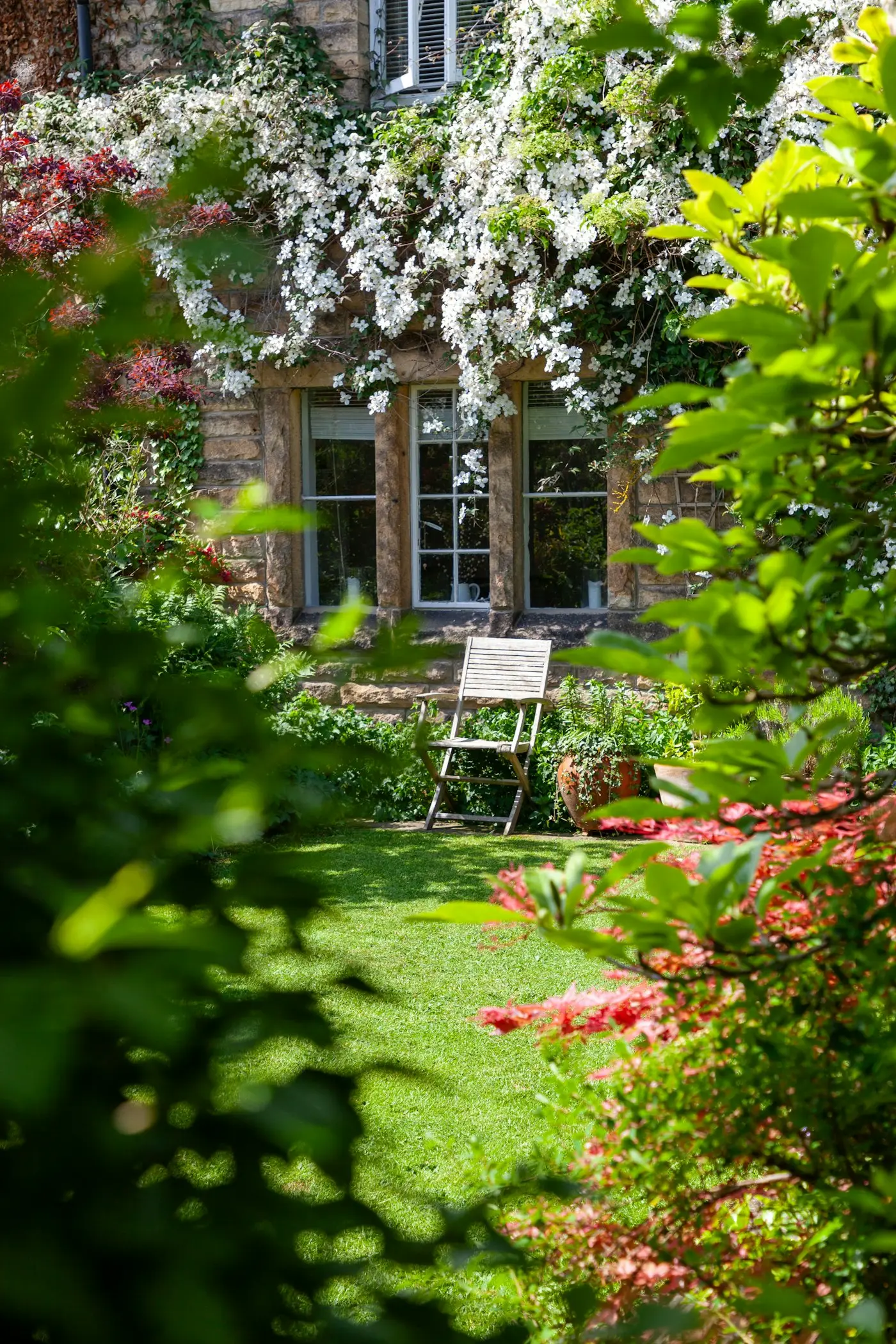
Stone house with bench and planted borders

What garden design looks like in Keighley

Keighley sits in the Worth Valley with a span of elevation that genuinely shapes what you can grow. Valley-floor terraces around the town centre at 100m have compact, shaded back yards on reasonably good loam near the River Worth. Climb toward Oakworth, Stanbury and Oxenhope and you're at 280–300m on thin acidic Millstone Grit with prevailing south-westerlies, a three-to-four-week shorter growing season, and Haworth Moor defining the landscape. Those are two different gardening worlds within a few miles of each other, and any garden designer working in BD21–BD22 needs to recognise which zone they're addressing before proposing a scheme.

Most valley-floor enquiries start with clearance and reset work on gardens that have been left for several seasons — overgrown back yards where the brief is getting back to a usable baseline. The hillside Oakworth and Haworth properties generate more ongoing design work: full landscape makeovers on renovation projects where incoming buyers want the garden to match the investment in the house, and wind-shelter planting on exposed plots where the structural decisions made in year one define how everything behind them performs.

The Worth Valley clay drains slowly and generates persistent moss problems on shaded north-facing lawns. A designer proposing a lawn design on that ground should be factoring proper drainage and annual scarifying into the plan, not selling you turf that will struggle within two seasons. Check the Keighley lawn care page for context on what the valley-floor clay needs and how it behaves through a typical West Yorkshire season.

Cost ranges for Keighley garden design

Design fees are separate from build and planting costs. The ranges below reflect what designers across Yorkshire typically charge. Most quote a fixed fee after seeing the site.

Service Typical range
Initial consultation Free to £75–150
Planting plan only £300–800
Planting plan + implementation £600–1,500
Full design and project management £800–3,000+
Kitchen garden / raised-bed setup £400–900
Full garden makeover (50–100 sqm) £5,000–15,000+

Hard landscaping (patios, walls, fencing, slope stabilisation) is quoted separately. A mid-size patio or retaining wall typically runs £2,000–£12,000. Slope work on terraced hillside gardens adds complexity and cost. Plants are either trade-priced through the designer or you source them directly — most designers are flexible depending on your budget and involvement preference.

Get a design estimate

Free initial estimate from a Keighley-area designer. We connect you with local professionals who quote directly.

Start your Keighley garden estimate

The full local guide

Common project types in Keighley gardens

Valley terrace courtyard solutions

The stone-built Victorian mill terraces around the town centre have compact, shaded back yards often bounded by stone walls. Limited light, damp ground near the River Worth, and space constraints shape the brief. Practical paved surfaces with planting gaps, raised beds, shade-tolerant planting (ferns, ivies, hardy geraniums, hostas), and designs that acknowledge the constraints rather than trying to pack in suburban borders that won't suit the space. Budget £2,000–£5,000 for a comprehensive courtyard redesign on a typical terrace plot.

Pennine-fringe exposed hillside gardens

Oakworth, Stanbury and Oxenhope hillside properties at 250m+ face wind, short growing seasons, frost risk into late April, and thin acidic peat over Millstone Grit. Rhododendrons, azaleas, heathers, bilberry, and hardy structural shrubs are what genuinely thrive here. Tender bedding and lime-loving plants consistently fail. A designer who understands Pennine-fringe conditions proposes planting that works with the elevation and exposure, not suburban schemes transplanted from catalogue images that won't survive the first exposed winter.

Haworth renovation gardens

Haworth village generates strong demand for full garden redesigns on properties where incoming buyers have invested significantly in the house and want the outdoor space to reflect that. Slope stabilisation, tiered outdoor space on Worth Valley gradients, wind-shelter hedging, and planting that integrates with the moorland setting. These are £8,000–£20,000+ projects where the budget exists to do the job comprehensively — proper structural work, quality materials, and considered planting that suits the elevation and the Brontë-landscape context.

Valley-floor moss management and drainage

Shaded, damp valley-floor plots with persistent moss problems need designs that address the underlying drainage rather than just surface treatment. French drains, raised beds to lift planting out of waterlogged ground, and lawn plans that include annual scarifying and aerating. A designer who ignores the clay-valley drainage constraints produces gardens that struggle with moss and compaction every season — the brief needs to work with the ground conditions, not pretend they don't exist.

Riverside Worth planting

Gardens along the River Worth corridor have damp, shaded ground with a humid microclimate. Moisture-loving planting (astilbes, ligularia, rodgersia, ferns, hostas) suits these conditions better than sun-demanding borders. A design built around what the riverside setting genuinely offers requires less ongoing intervention to maintain than schemes fighting the natural moisture and shade.
What plants tend to suit Keighley gardens

Planting depends on elevation. Valley-floor gardens around the town centre on reasonably good loam near the River Worth suit moisture-tolerant perennials and shade-lovers — hostas, ferns, astilbes, ligularia, hardy geraniums, and shrubs that tolerate damp ground and limited light. The valley floor grows well once drainage is addressed, but the shade from stone terraces and north-facing aspects limits what will thrive.

Climb to Oakworth, Stanbury and Oxenhope and the soil shifts to thin, acidic Millstone Grit with high rainfall and genuine Pennine exposure. Rhododendrons, azaleas, heathers, pieris, bilberry, and hardy structural shrubs are what genuinely succeed at this elevation. Tender bedding, lime-loving plants, and anything that needs shelter consistently struggle — the brief needs to reflect the ericaceous conditions and the wind rather than try to override them with unsuitable species.

Haworth Moor defines the character of the western gardens. Moorland-edge planting that integrates with the landscape — native heathers, hardy grasses, gorse where appropriate, and structural shelter hedging (hawthorn, blackthorn) — suits the setting better than formal ornamental schemes that look imported and require constant intervention to maintain.

Process for working with a Keighley designer
  1. Initial brief: You outline what you want from the garden — more usable space, better planting suited to the elevation, a layout that addresses wind or slope. Most designers visit for free or a nominal consultation fee.
  2. Site visit and survey: The designer assesses the site, measures, checks soil and drainage, notes elevation and exposure, and discusses budget and phasing.
  3. Proposal and concept: You receive a design proposal with a planting plan suited to your specific soil and microclimate, layout drawings, materials suggestions, and a cost estimate for the build and planting.
  4. Phasing and approval: Larger projects are often phased across seasons or budget years. Planting is timed to spring or autumn windows. You approve the plan and agree timing.
  5. Installation and establishment: The designer manages the build or oversees contractors. Planting is installed at the right season. You get guidance on establishment care — watering, feeding, first-year maintenance.
Designers in Keighley postcode

We connect homeowners across Keighley BD21–BD22 with local garden designers who quote directly for your project. There's no middleman fee added on the customer side — you get a direct estimate from the designer, and you decide whether to proceed. The initial estimate is free with most designers. They visit, assess the site, and provide a costed proposal. If you want to explore what a redesign would look like on your valley-floor or hillside plot, the first conversation costs nothing and gives you a realistic picture of scope, cost and timing. See the garden makeover cost guide for broader context on what full redesigns typically involve.

Frequently asked questions

What soil does my Keighley garden have?

Valley-floor gardens around the town centre sit on reasonably good loam near the River Worth — moisture-retentive, prone to moss in shade, but workable ground. Climb toward Oakworth, Stanbury and Oxenhope and the soil shifts to thin, acidic peat over Millstone Grit. Rainfall pushes toward 1000mm per year on the high ground, and the growing season is three to four weeks shorter than the valley below. A designer should assess your specific plot and elevation before proposing planting — the soil character changes markedly across BD21–BD22.

How long does a garden redesign take in Keighley?

A planting-plan-only project can be turned around in 2–4 weeks depending on the designer's workload. A full redesign with hard landscaping, slope work, and comprehensive planting typically takes 6–12 weeks from initial brief to installation, often phased to match spring or autumn planting windows. Larger Haworth renovation projects can run longer if structural work is involved — slope stabilisation and retaining walls add complexity and timeline.

Can you design a garden for the Pennine hillsides above Keighley?

Yes, but the planting palette is limited by elevation, exposure, and acidic soil. Rhododendrons, azaleas, heathers, pieris, and hardy structural shrubs are what genuinely thrive at 250m+ on thin peat over Millstone Grit. Tender bedding and lime-loving plants consistently fail. A designer who understands Pennine-fringe conditions will propose planting suited to the exposure and the short growing season, not suburban schemes that won't survive the first winter.

What does a designer charge separately from the build cost?

The designer's fee covers the design, drawings, planting plan, and project management. The build cost covers materials, labour, plants, and installation. Most designers quote both separately so you can see what you're paying for design work versus physical implementation. Some bundle it as a single project fee; others prefer to separate it so you can phase the work if budget requires.

How do you fix moss problems on a shaded Keighley valley-floor lawn?

Annual spring scarifying to remove the moss physically, hollow-tine aerating to break up compaction, and liming where the soil is acidic all help. The valley-floor clay drains slowly and compounds the moss problem — improving drainage with French drains or raised beds can make a significant difference. A designer should assess the drainage before proposing a lawn plan. Ignoring the clay-valley conditions produces lawns that struggle with moss every season regardless of how often you treat the surface.

What's involved in slope work on a Keighley hillside garden?

Slope stabilisation typically involves retaining walls, terracing, or planting that holds the soil. Millstone-grit retaining walls, railway sleepers, or gabion structures are common solutions. The design needs to account for drainage — water runs downhill and pooling at the base of a slope causes problems. A designer experienced with hillside gardens will propose a tiered solution that manages the slope in stages and gives you usable flat sections rather than trying to work on a continuous gradient.

When is the best time to start a garden redesign in Keighley?

Planting is best in spring (late March–May, later at elevation) or autumn (September–November). The Pennine hillsides have a shorter window — late frosts into April mean spring planting starts later than the valley floor. Hard landscaping can be done year-round in dry weather, though winter groundwork on clay soil is harder. Most designers take bookings in January and February for spring installation, or in June and July for autumn planting. If you want the work done in a specific season, start the conversation 8–12 weeks before that window.

Areas around Keighley we also cover

Garden design coverage across West Yorkshire and surrounding towns:

Surrounding villages including Riddlesden, Oakworth, Haworth, Stanbury, Oxenhope, Cowling, Cross Hills.

For general garden maintenance, lawn care, and year-round gardening services in Keighley, visit our local gardeners in Keighley page.