Garden design · Brough, East Yorkshire
Brough garden design and landscaping.
Brough HU15 sits on the Humber estuary where heavy alluvial clay and salt-laden easterly winds define the gardening challenge. The clay is fertile and the conditions are manageable with the right design approach. Local designers and landscapers quote you directly. Design from £500.
- Free initial estimates
- Local designers who quote directly
- Design from £500
- No call centres
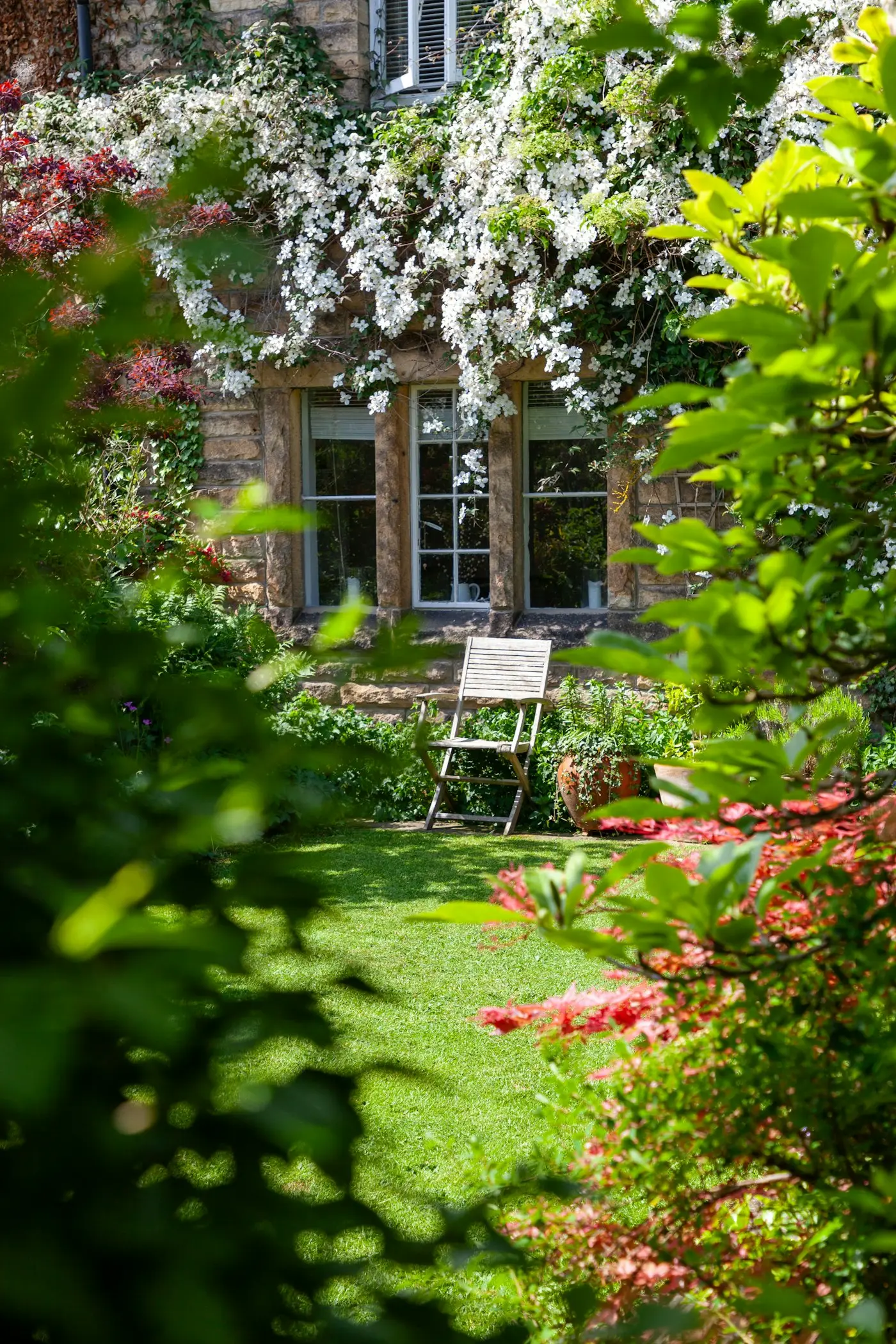
What garden design looks like in Brough
Brough HU15 sits on the south bank of the Humber estuary in East Yorkshire, and the gardening environment here is shaped directly by that position. The soil is heavy alluvial clay, laid down by the Humber over thousands of years. Easterly winds off the estuary carry salt, which affects plant choice for exposed boundary positions. Winters can be wet, keeping the heavy clay saturated for weeks. Understanding all three factors before you plant anything is what separates a Brough garden that performs from one that frustrates year after year.
The good news is that alluvial clay is genuinely fertile soil. It holds nutrients, it holds moisture in summer when lighter soils dry out, and once you have the drainage working correctly and a few years of organic matter incorporated, it produces excellent growing conditions. Many of the best cottage gardens in East Yorkshire are on clay soils. The key is design that works with the clay rather than fighting it, which means raised planting areas where appropriate, careful plant selection for the drainage regime, and structural decisions about hard landscaping that do not make the drainage situation worse.
Brough has a strong industrial and aviation heritage through BAE Systems and the former RAF Brough site, and much of the town's residential development reflects that mid-twentieth century period. Plots are often generously sized, particularly on older roads. This gives designers more to work with than the narrow strips behind newer builds, and it makes Brough a genuinely interesting garden design territory for someone who knows the soil conditions.
For general gardening and maintenance help in the area, see the local gardeners in Brough page. For the full garden design service overview across East Yorkshire, that page gives the wider context.
Costs and process in Brough
A planting plan for a Brough HU15 garden typically runs £350-850. Full design with project management, where the designer coordinates contractors and oversees the whole project, runs £900-3,000+. Where drainage improvement is needed, that work adds to the overall budget but typically transforms the garden enough to justify the investment many times over. Full builds including drainage, hard landscaping, and planting typically run £5,500-18,000+ for a mid-size plot.
Designers quote directly after a site visit. There are no intermediary fees or subscriptions. The Yorkshire garden designer cost guide explains how fees break down by project type across the county.
Get your Brough garden working this season.
Heavy clay and Humber winds are manageable with the right design. Tell us about your plot and a local designer comes back with a real figure. Design from £500.
Start your free estimateThe full local guide
Brough soil and climate: the Humber alluvial clay reality
The Humber estuary has deposited clay soils across a wide area of the East Riding, and Brough sits squarely in this zone. Heavy alluvial clay is typically at least 30-40cm deep before any underlying gravel or substrate. Its pH is usually neutral to slightly alkaline (6.8-7.4), which suits most garden plants perfectly well. The challenge is physical rather than chemical: compaction, waterlogging, and summer cracking are the enemies.
When clay is wet, it becomes sticky, airless, and impenetrable to plant roots. When it dries out in summer it contracts, cracking the surface and sometimes shearing plant roots. The solution is consistent organic matter addition, which opens the clay structure, improves drainage slightly, and creates a more hospitable root environment. Grit incorporation on a large scale used to be recommended but is now understood to make the problem worse rather than better; organic matter is what clay soils need.
For hard landscaping, the clay base requires properly engineered foundations. A terrace or path laid on inadequate foundations in clay will heave and move. This is not a reason to avoid hard landscaping; it is a reason to use a designer and contractor who understand clay foundations and specify the correct depth and composition of sub-base for East Yorkshire conditions.
Salt wind from the Humber estuary is a real factor for exposed boundary positions and front gardens facing east or southeast. Native hawthorn, Rosa rugosa, and Hippophae rhamnoides (sea buckthorn) are coastal-tolerant hedging plants that handle salt spray without deteriorating. Once a robust windbreak hedge is established, the garden behind it is significantly more sheltered, expanding the range of plants that can be grown successfully.
What gets designed in Brough gardens
Drainage-first garden redesigns
The most transformative projects in Brough start with drainage. A garden that sits wet for three to four months of the year is a garden that cannot be planted well, mowed properly, or enjoyed in winter. The design approach puts drainage first: identifying the lowest points, running French drains to a suitable outfall or soakaway, raising planting beds if needed, and choosing hard surface materials and levels that shed water away from the house and toward drainage points. Once the water management is sorted, the creative design work can proceed on a site that actually works.
Clay-optimised planting schemes
Clay-tolerant planting in Brough does not mean limiting yourself to a dull palette. Roses love clay. Hostas, astilbes, ligularias, and daylilies are border plants that actually prefer moisture-retentive conditions to dry, free-draining soil. Ornamental grasses including Miscanthus, Molinia, and Deschampsia are all highly clay-tolerant and provide the movement and texture that grass gives in lighter-soil gardens. A well-designed Brough border can be as colourful and varied as any garden in West Yorkshire, working with the clay rather than requiring constant remediation.
Hard landscaping and outdoor living spaces
Brough has a good mix of family houses with the plot size to accommodate proper outdoor dining and entertaining areas. A well-designed terrace with correct drainage, quality paving, and shelter from the easterly wind is a significant quality-of-life improvement. The key for Brough gardens is that the terrace sits at a level that sheds water positively away from the house and toward the garden, with sub-base construction that accounts for the clay movement beneath. This is not complicated but it does need to be designed correctly from the start.
Low-maintenance structure for busy households
Many Brough residents commute to Hull, Leeds, or further afield, and the brief is often for a garden that looks good and needs minimum intervention through the week. Structural planting with evergreens and ornamental grasses, a manageable lawn area, and hard surfaces that shed water well give this result. The design does the work that maintenance would otherwise need to do: a well-structured garden stays presentable through variable weather with minimal effort.
Cost guide for Brough garden design
| Service | Typical cost | What it includes |
|---|---|---|
| Initial consultation | Free to £75-150 | Site visit, drainage assessment, outline proposal. |
| Planting plan only | £350-850 | Scaled scheme, plant list, spacings. You implement. |
| Full design with project management | £900-3,000+ | Design, contractor coordination, planting oversight. |
| French drain / soakaway installation | £800-2,500 | Drainage run to outfall, includes excavation and backfill. |
| Raised planting beds (clay gardens) | £300-900 per bed | Timber or block frame, imported topsoil, compost blend. |
| Full garden redesign (50-100 sqm) | £5,500-18,000+ | Drainage, clearance, hard landscaping, planting. |
| Paved terrace (supply and fit, per sqm) | £90-160 | Concrete base, mortar-set natural stone or quality porcelain. |
Drainage work is often the best investment in a Brough garden: it unlocks the fertility that is already there. The gardening cost guide covers the main cost variables across East Yorkshire.
Plants that work in Brough conditions
- Clay-tolerant border plants: Roses (particularly floribundas and old English shrub varieties), hostas, astilbes, hemerocallis (daylilies), ligularia, eupatorium, persicaria.
- Salt-tolerant boundary plants: Rosa rugosa, native hawthorn, sea buckthorn (Hippophae), Elaeagnus x ebbingei, native blackthorn.
- Grasses for clay: Miscanthus sinensis (multiple varieties), Molinia caerulea, Deschampsia cespitosa, Panicum virgatum.
- Spring and summer bulbs: Narcissus and alliums both naturalise well in clay. Camassia is a particularly good clay-tolerant bulb for late spring.
- Trees for clay: Native field maple and alder for wet areas; malus (crab apple) for smaller gardens; cercidiphyllum for autumn colour in slightly damp ground.
A designer will assess your drainage regime before finalising any planting recommendations. See garden maintenance for ongoing support once your scheme is established.
Process: what to expect from a Brough garden designer
- Initial brief. Describe your garden, the drainage situation, and what you want from the space. Photos of wet areas, existing hard landscaping, and boundaries help considerably.
- Site visit. The designer assesses drainage, soil condition, existing planting, and the salt-wind exposure on boundary positions. This is the key diagnostic step for Brough gardens.
- Drainage and design proposal. You receive a proposal covering both drainage requirements and the design scheme. On most Brough projects these are integrated: the drainage solution shapes the levels, which shapes the design.
- Phasing. Drainage and hard landscaping typically come first, ideally in autumn. Planting follows in spring once the ground settles and structure is in place.
- Establishment. The designer advises on first-year aftercare. Clay soils need consistent mulching and, in the first summer, less watering than you might expect because the clay retains moisture well once plants are established.
Frequently asked questions about garden design in Brough
What soil does my Brough garden have?
Brough HU15 sits on heavy Humber alluvial clay, typically 30-40cm deep before any underlying substrate. Neutral to slightly alkaline pH (6.8-7.4), high fertility, poor natural drainage. Organic matter addition consistently is the single most effective improvement. Drainage engineering before major planting work is strongly recommended for waterlogged gardens.
How much does garden design cost in Brough?
Planting plans run £350-850. Full design with project management runs £900-3,000+. Drainage work adds to the budget but transforms the garden's performance. Full builds run £5,500-18,000+. Designers quote directly. See our Yorkshire garden designer cost guide.
What plants handle Brough's heavy clay and salt wind?
Roses, hostas, astilbes, daylilies, and persicaria for borders. Rosa rugosa, native hawthorn, sea buckthorn for salt-exposed boundaries. Miscanthus, Molinia, and Deschampsia grasses for clay soils. Alliums and camassia for spring bulbs in clay.
Does Brough need drainage work before garden design?
Many Brough gardens benefit from drainage improvement alongside design. A designer will assess the drainage situation during the site visit and factor it into the proposal. Standing water in winter and spring compaction are clear signs that drainage investment would transform the garden.
Related services
Once your design is in place, regular garden maintenance keeps it performing through the season. For plots that need clearing before design work starts, see garden clearance. For boundary hedging, see hedge trimming in East Yorkshire.
Related: Find a gardener in Brough
Areas near Brough we also cover
We cover garden design across the HU15 area and surrounding East Riding. For Elloughton and Brantingham, designers cover the same postcode area. For the western Hull fringe and Willerby, see garden design in Willerby. For North Cave, see North Cave garden design. The garden design service page lists all East Yorkshire towns covered.