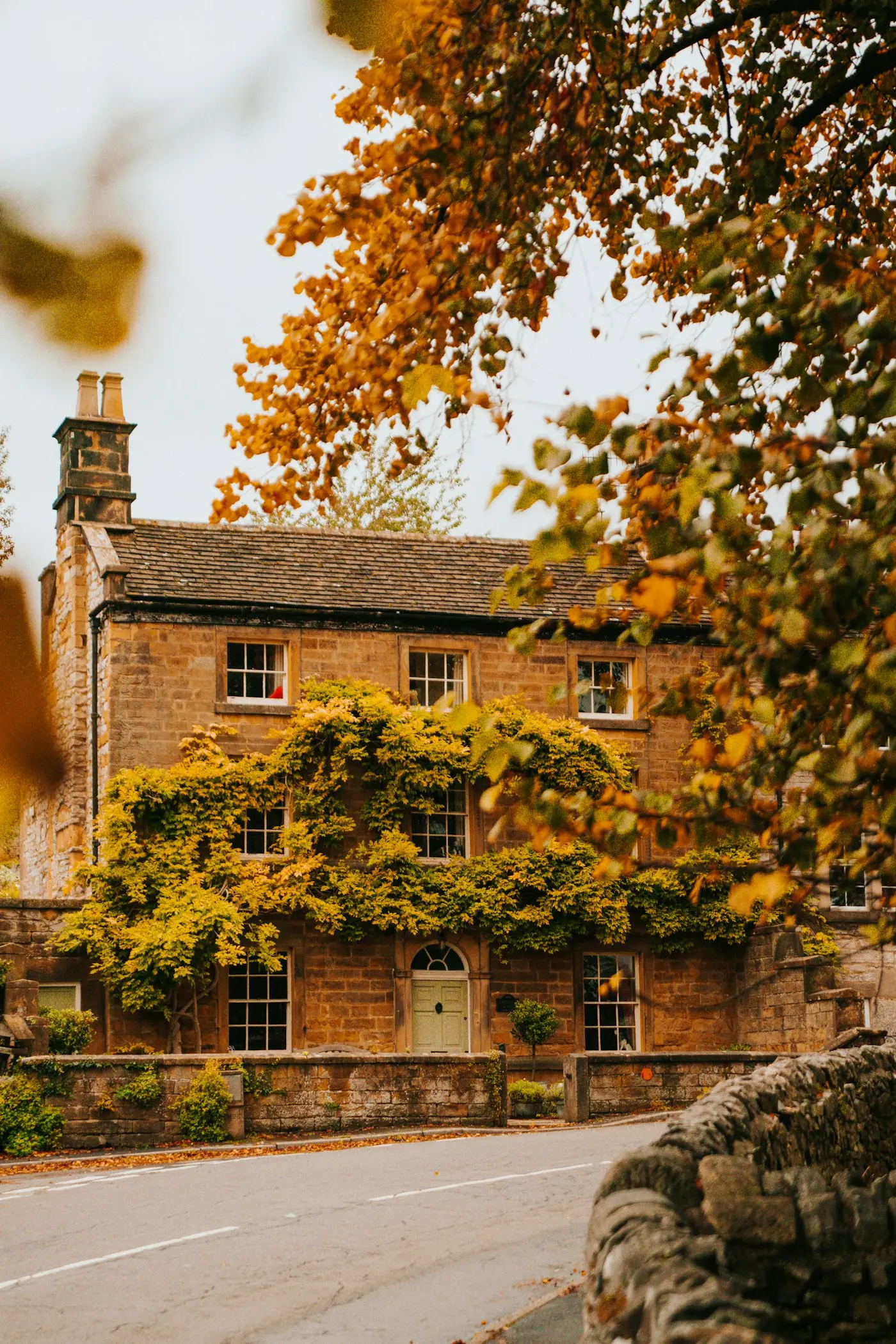
What garden design looks like in Easingwold
Easingwold is a Georgian market town on the YO61 corridor between York and the Howardian Hills, sitting on the Vale of York flat ground where rich loam over clay is the defining soil type. The market square and surrounding streets preserve period brick and stone architecture, with many properties featuring mature rear gardens, established beech and yew hedging, and in some cases walled enclosures that date back to the town's coaching-inn heritage.
The surrounding villages spread east toward Coxwold and the Howardian limestone ridge, and west into the flatter Ouse drainage corridor. Soil conditions vary considerably within a few miles. Most Easingwold gardens sit on moisture-retentive clay that is fertile but prone to winter waterlogging, especially in low-lying plots near the river drainage. Heading east toward the Howardian Hills, the soil transitions to limestone-influenced loam with better drainage and more scope for Mediterranean drought-tolerant planting. A good garden designer will assess which soil type you have and recommend a planting palette and drainage strategy that suits the conditions rather than fighting them.
Period properties in the market square and Church Hill often come with walled rear gardens, mature hedging, and the kind of formal structure that defines a traditional Yorkshire market-town garden. These are valuable assets and almost always worth preserving. New-build estates on the town edges (Stillington Road, Long Street periphery) commission first-garden design on blank-canvas plots, typically looking for low-maintenance structure with raised beds, paved entertaining areas, and planting that suits the clay soil without constant intervention.
Georgian market-town walled gardens
Period Georgian properties in the market square and surrounding streets often have walled rear gardens with mature beech or yew hedging. These gardens suit formal structure: clipped yew, box edging for paths and borders, traditional herbaceous borders, and climbing roses or wisteria on old brick walls. The design needs to respect the period character while creating something practical for a modern household. Established hedging is almost always the most valuable existing asset and worth keeping unless it is genuinely diseased or unsafe.
Clay-soil planting and drainage
The clay soil throughout Easingwold holds moisture well but needs planting that can tolerate wet feet in winter without rotting. Moisture-loving perennials thrive: astilbes, hostas, persicaria, ligularia, rodgersia, Japanese anemones, hardy geraniums, and moisture-tolerant ornamental grasses like Miscanthus and Calamagrostis. Shrub roses do well once established. If you want lavender, rosemary or other Mediterranean herbs that need sharp drainage, they require raised beds with added grit and compost rather than planting directly into the clay.
Many Easingwold gardens benefit from drainage improvement before planting, especially low-lying plots that stay waterlogged through winter. A French drain or soakaway can transform a difficult garden. Your designer will assess whether drainage work is needed during the site visit. Sometimes choosing moisture-tolerant planting is a better solution than fighting the natural water table.
New-build first-garden design
The new-build estates on the town edges commission first-garden design on blank plots with compacted builder's clay. The brief typically includes lawn establishment, raised beds for planting, a paved or gravelled entertaining area, and structural planting that gives the garden definition from day one. Budget for a 50-100 sqm plot with lawn, borders and a patio typically runs £5,000-10,000 all-in. The design needs to account for poor soil condition after builders have compacted it, so soil improvement and drainage are often part of the first phase.
Howardian Hills fringe properties
Properties east of Easingwold heading toward Coxwold and Ampleforth sit on the limestone influence of the Howardian ridge. The soil drains better and the planting palette shifts toward drought-tolerant species: salvias, sedums, ornamental grasses, catmint, hardy geraniums, lavender, rosemary, and cistus. These properties often have established trees and mature structure, so the design focuses on refreshing borders, managing established hedging, and integrating hard landscaping (stone paving, gravel paths, sleeper beds) with the existing character.
Cost ranges for Easingwold garden design
Garden design pricing depends on the scope of work and whether you want design only or full project management. These are the typical ranges for budgeting:
| Service |
Cost range |
| Planting plan only |
£300-800 |
| Planting plan + implementation |
£600-1,500 |
| Full design and project management |
£800-3,000+ |
| Border replant (up to 10 sqm) |
£150-400 |
| Kitchen garden / raised-bed setup |
£400-900 |
| Full garden makeover (50-100 sqm) |
£5,000-15,000+ |
Hard landscaping (patios, stone walls, sleeper beds, drainage work) is quoted separately and typically runs £2,000-£12,000 for a mid-size project depending on materials and scope. Designers quote directly based on your specific brief and site conditions. For more detail on what drives the cost, see what a garden makeover costs.
Start your free Easingwold garden estimate
Tell us what you want and we put your enquiry in front of local designers who quote directly. No call centre fees on your side.
Get a design estimate
The full local guide
What plants tend to suit Easingwold gardens
The clay soil throughout most of Easingwold wants moisture-loving planting that can tolerate wet feet in winter. Perennials that thrive include astilbes (white, pink and red cultivars for shade or part-shade), hostas (wide range of foliage colours and sizes), persicaria (especially Persicaria amplexicaulis for late-season colour), ligularia (bold foliage and orange or yellow spires), Japanese anemones (white or pink flowers in late summer), and hardy geraniums (ground-cover and border varieties). Moisture-tolerant ornamental grasses like Miscanthus, Calamagrostis and Deschampsia add movement and structure through winter.
Shrub roses do well once established, especially David Austin English roses and the Rugosa hybrids that tolerate heavier soil. Hydrangeas (Hydrangea macrophylla and paniculata) thrive on clay and provide reliable summer and autumn colour. For spring bulbs, daffodils and alliums naturalize well in clay lawns and borders.
If you want lavender, rosemary, cistus or other Mediterranean herbs that need sharp drainage, they require raised beds with added grit and compost. These plants will not survive winter in waterlogged clay. A local designer will recommend a planting scheme that accounts for your specific soil type, aspect and drainage rather than applying a generic list.
Heading east toward the Howardian Hills on limestone-influenced soil, the planting palette shifts to include salvias, sedums, catmint, hardy geraniums, and ornamental grasses that prefer drier conditions. The limestone influence means acid-loving plants like rhododendrons and pieris need raised beds with ericaceous compost if you want them.
Process for an Easingwold garden designer
- Initial brief. Tell us what you want from the garden — whether it is a planting refresh, a full redesign, drainage work, or help with a blank-canvas first garden.
- Site visit and assessment. The designer visits, assesses your soil, drainage, aspect, existing planting and any constraints. This is usually a free initial consultation.
- Proposal and design. You receive a scaled design with planting plan, materials specification, and cost estimate. For design-only work, this is the deliverable and you implement it yourself or find your own contractors.
- Phasing and coordination. For full design-and-build projects, the designer coordinates contractors (hard landscaping, fencing, drainage), orders plants, and schedules installation.
- Installation and establishment. Planting is carried out, usually in autumn or early spring when the clay soil is workable. The designer advises on aftercare and establishment watering.
A planting plan can be produced within one to two weeks of the site visit. A full redesign with installation typically takes four to twelve weeks depending on project scale and plant availability. Starting the design in winter means you are ready to plant in early spring when the clay soil is workable. Avoid heavy construction on clay during very wet periods as it compacts the soil and damages the structure.
Designers in Easingwold postcode
We connect homeowners across YO61 with local designers who quote directly. They set their own prices and there are no call centre fees on the customer side. The free initial estimate gives you a sense of what your project involves before you commit to the full design. Whether you want a planting plan only or full project management, we put your enquiry in front of someone who has done similar work in the Easingwold area and understands the clay soil and drainage challenges.
Frequently asked questions
What soil does my Easingwold garden have?
Most Easingwold gardens sit on rich loam over clay, part of the Vale of York flat corridor. This soil is moisture-retentive and fertile but prone to winter waterlogging, especially in low-lying plots near the river Ouse drainage. Heading east toward the Howardian Hills, the soil transitions to limestone-influenced loam with better drainage. Your designer will assess your specific plot during the site visit and recommend drainage improvements if needed.
How much does garden design cost in Easingwold?
A planting plan only service costs £300-800. Planting plan with implementation runs £600-1,500. Full design with project management typically costs £800-3,000+. A full garden makeover on a 50-100 sqm plot runs £5,000-15,000+. Hard landscaping for patios, walls or raised beds is quoted separately. Designers quote directly based on your specific brief and site conditions.
Can you design a Georgian market-town walled garden?
Yes. Period Georgian properties in the market square and surrounding streets often have walled rear gardens with mature beech or yew hedging. These gardens suit formal structure: clipped yew, box edging, traditional herbaceous borders, and climbing roses on old brick walls. The design respects the period character while creating something practical for a modern household. We put your enquiry in front of designers who have experience with period properties.
What plants suit clay soil in Easingwold?
Clay soils hold moisture well but need plants that tolerate wet feet in winter. Moisture-loving perennials thrive: astilbes, hostas, persicaria, ligularia, rodgersia, Japanese anemones, hardy geraniums, and moisture-tolerant ornamental grasses. Shrub roses do well once established. Lavender and Mediterranean herbs need raised beds with improved drainage if you want them. A designer will recommend planting that suits the conditions you have rather than fighting them.
How long does an Easingwold redesign take?
A planting plan can be produced within one to two weeks of the site visit. A full redesign with installation typically takes four to twelve weeks depending on project scale and plant availability. Starting the design in winter means you are ready to plant in early spring when the clay soil is workable. Avoid heavy construction on clay during very wet periods as it compacts the soil and damages the structure.
Do I need drainage work before planting?
Many Easingwold gardens benefit from drainage improvement before planting, especially low-lying plots that stay waterlogged through winter. A French drain or soakaway can transform a difficult garden. Your designer will assess whether drainage is needed during the site visit. Sometimes choosing moisture-tolerant planting is a better solution than fighting the natural water table.
Areas around Easingwold we also cover
We also match homeowners with designers in Thirsk, Helmsley, York, and surrounding Vale of York villages including Coxwold, Ampleforth, Stillington, and Huby.
For general garden maintenance, lawn care, and year-round gardening services in Easingwold, visit our local gardeners in Easingwold page.