Garden design · Emley, West Yorkshire
Emley village sits on the Pennine plateau in HD8, below the distinctive 330m Emley Moor broadcasting mast that marks this part of West Yorkshire's skyline. The gardens here are exposed upland plots on gritstone and Coal Measures ground with a pastoral, working-landscape character. Wind is the defining design consideration in Emley - get the shelter right and the rest of the design works; ignore it and nothing else in the scheme will perform as planned.
Emley's Pennine plateau position at 200-250m elevation means prevailing south-westerly and westerly winds are a constant presence in the garden. The village is not as deeply sheltered as the valley settlements below - Flockton and Kirkburton have more topographic protection; Emley's open plateau position means the wind arrives with genuine force on exposed south-west-facing plots. Any design that doesn't address shelter first produces a garden that's uncomfortable to use and where plants grow lopsided, dry out rapidly at the foliage, and fail to establish properly.
The soil across the Emley area is a mix of Millstone Grit (free-draining, acid) and Coal Measures (heavier, with some clay influence, slightly less acid). The specific character of your plot depends on its position on the plateau and which geological unit underlies the surface. Gritstone-dominated plots are free-draining and acid (pH 5.5-6.5); Coal Measures plots may have heavier, more moisture-retentive ground with pH closer to 6.5-7.0. A designer visiting the site should check which you have before finalising the planting scheme.
The pastoral character of Emley - working farms on the nearby fields, the open plateau landscape, the absence of urban infrastructure immediately around the village - gives the gardens a rural identity that design should respect. Suburban garden treatments (brightly coloured feature walls, dramatic water features, formal box parterres) look incongruous in this setting. Gardens that work with the landscape character using native hedging, traditional stone, and planting that suits the elevation feel rooted and right.
Garden design in Emley typically runs from £1,500 for a small redesign to £8,000-15,000 for a full garden transformation. Exposed plateau plots where shelter establishment is part of the brief add cost through the hedge or shelter belt work required as the first phase. Projects that include significant stone hard landscaping in rural character materials - gritstone flags, stone retaining walls - are at the upper end of the installation cost range.
| Service | Typical range |
|---|---|
| Initial consultation | Free to £75-150 |
| Planting plan only | £300-800 |
| Full design and project management | £800-3,000+ |
| Shelter hedge establishment and planting | £800-3,000 |
| Full garden transformation (50-100 sqm) | £8,000-15,000+ |
See our garden designer cost guide for detailed context on what different project scopes involve across Yorkshire.
Free initial estimate from a designer who understands HD8 plateau exposure and Pennine upland conditions. We connect you with local professionals who quote directly.
The full local guide
The first priority in most Emley garden designs is establishing wind protection that allows everything else to function. A shelter belt or dense hedge on the south-west or west boundary - the primary wind face - needs to be established before the rest of the planting can succeed on exposed plots. Native mixed hedging (hawthorn, blackthorn, field maple, hazel, elder, dog rose) is the most appropriate choice: it filters wind rather than creating turbulence that a solid fence or wall causes, it grows relatively quickly with correct establishment, and it provides wildlife habitat value. The hedge needs four to five years to reach full effectiveness - planning ahead matters more on exposed plots than anywhere.
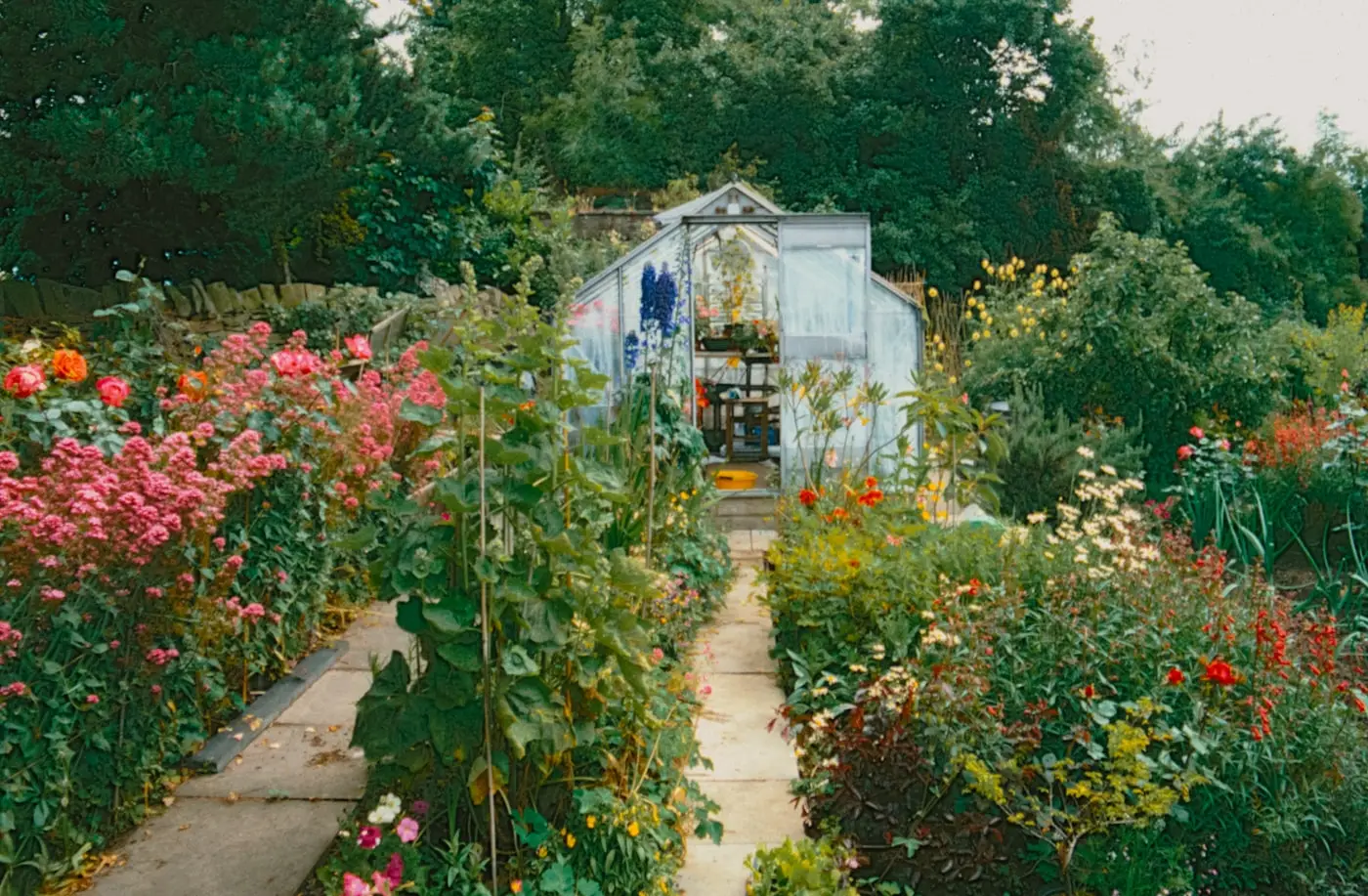
Once the shelter frame is in place, the garden can be designed as a series of rooms within the protected enclosure. A seating terrace against the south or east wall of the house, sheltered from the prevailing wind by the hedge or boundary; a productive area in the most sheltered corner; a more open lawn space where the gradient and aspect allow it. This "design from shelter outward" approach is how upland Pennine gardens work well - the outer shelter comes first, the usable spaces are created within it.
Plant selection for an exposed Emley garden needs to start with what genuinely handles the wind and compressed season, not what looks appealing in a catalogue. Proven tough performers at this elevation: molinia and deschampsia grasses (they move beautifully in wind rather than being damaged by it), hardy geraniums (especially sanguineum and pratense types), persicaria, astilbe (in any slightly moist pocket), native rowan (excellent berries, reliable structure), hawthorn as specimen as well as hedge, and shrub roses of the rugosa type. These are not second-best choices; they're the species that look most appropriate in a Pennine plateau setting and require least intervention once established.
Hard landscaping in Emley gardens should use materials that suit the rural, stone-character setting. Gritstone flags or mill-stone grit sets for paths and terraces; dry-stone walls in local stone for raised beds or low boundary definition; reclaimed stone steps. Avoid large-format concrete or porcelain paving that belongs in a suburban context - these materials look wrong against the stone character of Emley's older properties and the surrounding agricultural landscape.
The free-draining gritstone ground on Emley's plateau sections means drought stress is a risk on steeper or higher plots in dry summers. Newly planted subjects need reliable irrigation through their first summer regardless of the rainfall pattern - upland Pennine sites can have extended dry periods even in a generally wet year. Mulching all newly planted areas with 75-100mm of bark or compost immediately after planting is essential, not optional, at this elevation.
Heavier Coal Measures ground on lower or more sheltered Emley plots needs different treatment. Compaction under foot traffic is a persistent issue on clay-influence ground, and annual aeration for lawn areas is necessary to avoid moss domination. Raised beds for vegetables prevent the waterlogging in wet winters that makes in-ground food production frustrating on clay-tendency plots. The moisture-retentive character of Coal Measures ground is an asset in dry summers but a liability in wet winters - the design needs to address drainage for any flat hard surface or planted bed.
Wind desiccation is a specific problem on exposed Emley plots that is separate from actual rainfall levels. Wind strips moisture from leaf surfaces faster than roots can replace it, causing plants to wilt even in adequately watered conditions. This is why wind shelter establishment comes before planting establishment - the two cannot meaningfully be done at the same time on a genuinely exposed plot. A designer who understands this sequences the work correctly.
Why is wind the main design consideration in Emley?
Emley's plateau position at 200-250m gives no topographic shelter from the prevailing south-westerly and westerly winds. Unlike valley settlements with hillsides to break the wind, Emley gardens on exposed aspects receive the full force of Pennine weather. Wind desiccates foliage, prevents plants from establishing, makes outdoor spaces uncomfortable, and dries soil faster than rainfall replaces moisture. Getting the shelter right creates the conditions for everything else in the garden to succeed.
How quickly does a shelter hedge establish in Emley?
A native mixed hedge planted at correct spacing (450mm apart, two staggered rows for maximum density) starts to provide useful shelter within two to three seasons. Full effectiveness - a dense, established windbreak that creates a sheltered microclimate behind it - takes four to five years. This is a reason to establish the hedge as the first phase of the project rather than the last. A new hedge can be established at relatively low cost and the rest of the garden designed around the growing shelter it provides.
Which plants work well in exposed Emley conditions?
Proven performers at HD8 elevation: molinia and deschampsia grasses, hardy geraniums (cranesbills), persicaria, native rowan, hawthorn, field maple, rugosa shrub roses, and most astilbe in any sheltered moist pocket. Within a sheltered enclosure once the structure planting is established, the range expands considerably. Start with the toughest plants as the structural backbone and add more ornamental subjects into the shelter they create over subsequent seasons.
What soil should I expect in an Emley garden?
It depends on your specific plot. Gritstone-dominated plots are free-draining and acid (pH 5.5-6.5). Coal Measures plots may be heavier with clay influence and pH closer to 6.5-7.0. In practice many Emley plots will have a mixture. A simple soil test before commissioning a design is worthwhile (£5-10 at any garden centre for pH, or £20-30 for a full nutrient and pH lab test). The result shapes the planting scheme significantly.
How much does a garden design cost in Emley?
Garden design in Emley typically runs from £1,500 for a small redesign to £8,000-15,000 for a full garden transformation. Exposed plots where shelter establishment forms part of the brief have an additional phase of hedge or shelter belt work (£800-3,000) that is worth treating as a first-priority investment before the decorative design work begins.
Can I have a productive kitchen garden in Emley?
Yes, but shelter is essential. An exposed kitchen garden in HD8 without wind protection will lose crops to wind rock, desiccation, and delayed ripening. A raised bed kitchen garden in a sheltered corner - ideally against a south-facing wall or within the established shelter hedge's lee - works very well. Brassicas, root vegetables, and legumes are particularly reliable. Soft fruit (raspberries, currants, gooseberries) handles the elevation and exposure better than top fruit without wall protection. Start tender crops under cover in late March and harden off carefully before planting out in late May.
For general garden maintenance in Emley, visit our local gardeners in Emley page. For our full design service overview, see our garden design service.