Yorkshire Lawn & Garden

Garden design · Flockton, Kirklees

Garden Design in Flockton, West Yorkshire

Flockton is a rural Kirklees village in WF4, sitting between Wakefield and Huddersfield on slightly elevated ground. The Coal Measures clay and shale that underlie much of this area produce a particular type of garden: hedgerow-bounded, moisture-retentive soil, with a mix of older stone cottage plots and newer detached homes on the village edges. Understanding the clay character here is the starting point for any design that will actually perform rather than struggle.

  • Free initial estimates
  • Local designers who quote directly
  • Design from £500
  • No call centres
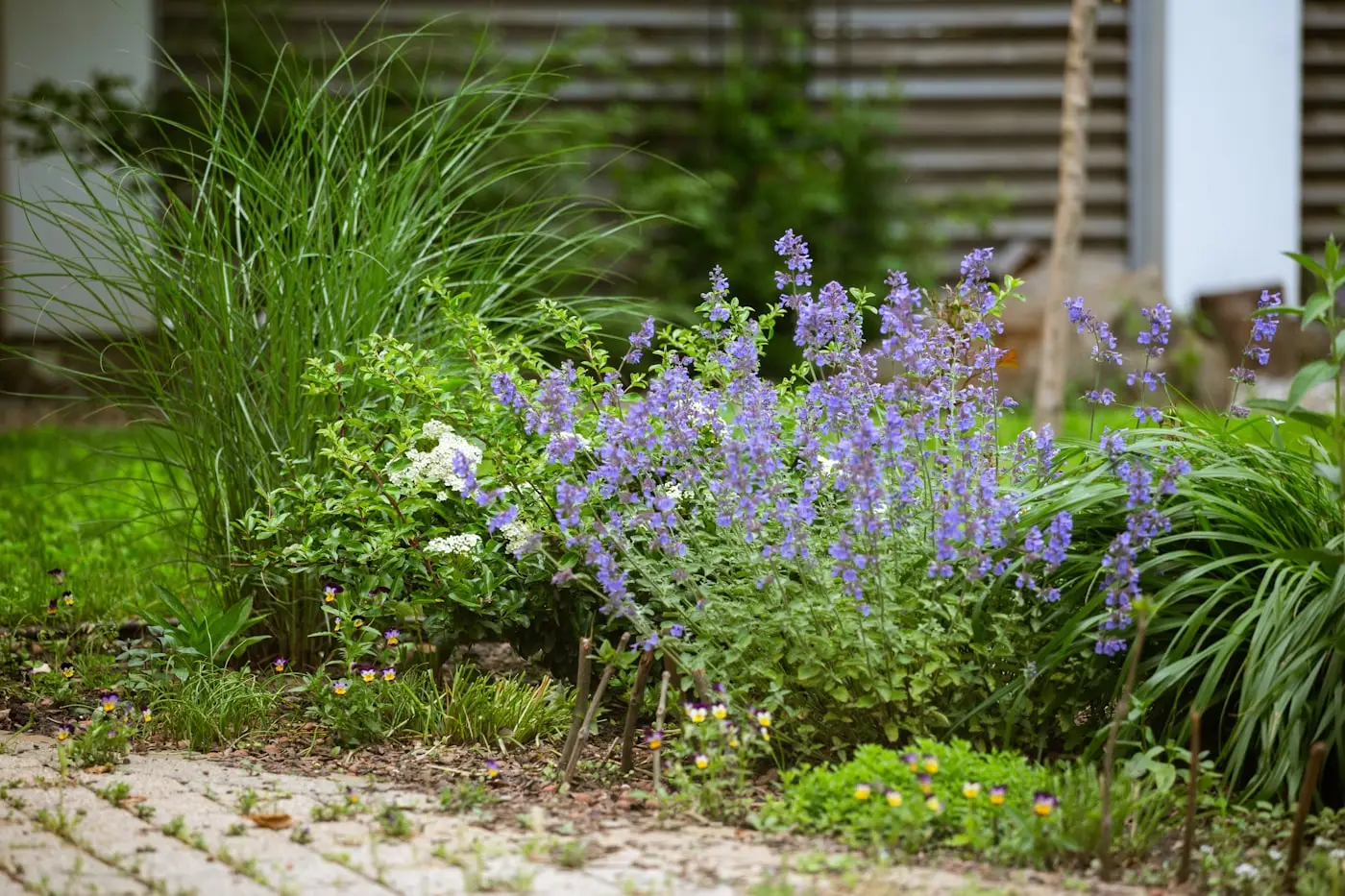
Mixed herbaceous border in full growth

Your Flockton Garden's Starting Point

The Coal Measures geology that runs through the Flockton and Emley area produces heavy clay and shale soil with characteristic behaviour: slow to drain in wet winters, prone to compaction under foot traffic, and potentially sticky and difficult to work in spring before it has dried out. The same soil is moisture-retentive and relatively fertile in summer - it holds water that free-draining gritstone soil gives up. Understanding this dual character is the basis for designing with the soil rather than against it.

The pH across Flockton's Coal Measures ground is typically near-neutral to slightly acid (6.0-7.0), which is actually well-suited to a broad range of garden plants. Unlike the strongly acid gritstone uplands to the west, Flockton's near-neutral pH means both acid-tolerant and lime-loving plants can perform with appropriate soil management. This is useful flexibility for a designer proposing planting schemes.

The village has a mix of property types: older stone cottages and farmhouses with established gardens that often have interesting existing structure planting and mature boundaries; and newer detached homes on the village periphery with garden plots that were started from scratch and may or may not have been properly designed since. The two scenarios require different approaches - the older plots benefit from working with what's there, understanding what's valuable and what needs refreshing; the newer plots benefit from proper design structure that gives the space the bones it needs to look established over time.

Garden Design Costs in Flockton

Garden design in Flockton typically runs from £1,500 for a small redesign to £8,000-15,000 for a full garden transformation. Clay soil preparation adds cost to any installation on this ground - soil improvement, raised bed construction, and drainage work are not optional extras but investments that determine whether the design performs over its lifetime. Good clay preparation done once is more cost-effective than remedial work every three years.

Service Typical range
Initial consultation Free to £75-150
Planting plan only £300-800
Full design and project management £800-3,000+
Clay soil preparation and lawn installation £1,500-5,000
Full garden transformation (50-100 sqm) £8,000-15,000+

See our garden designer cost guide for broader context on Yorkshire garden project costs, and our consultation guide for what to expect when you first meet a designer.

Get a design estimate for your Flockton garden

Free initial estimate from a designer who understands WF4 Clay Measures conditions and rural Kirklees gardens. We connect you with local professionals who quote directly.

Start your Flockton garden estimate

The full local guide

What We Design in Flockton

Clay soil garden design and replanting

The most common garden design brief in Flockton is a garden on Coal Measures clay that has either been left untended or has been managed without addressing the underlying soil conditions. The right approach starts with the soil: aerating compacted areas, adding organic matter to improve the structure and drainage over time, and designing the planting to suit what the ground provides. Moisture-tolerant perennials (astilbes, hostas, persicaria, ligularia, iris sibirica) and shrubs that handle heavy ground (shrub roses, viburnums, dogwoods) form the backbone. A clay garden designed to work with the soil character looks and performs far better than one designed around plants that need free-draining conditions.

Rural cottage garden restoration and redesign

Flockton's older stone properties often have established walled or hedged gardens with mature planting that simply needs proper assessment and thoughtful reshaping. A cottage garden redesign on a WF4 stone property - clearing overcrowded and tired planting, identifying what's worth keeping, replanting with a coherent scheme that suits the architecture and rural character - produces results that complement the property rather than fight its character. The key is working with the existing scale and structure rather than imposing an alien design aesthetic onto a rural stone cottage garden.

Family garden design on newer Flockton plots

Newer detached homes on Flockton's village edges typically have open plots that need designed structure - a layout that creates distinct zones for lawn, planting, seating, and often productive growing. Family garden design for WF4 commuter households typically involves: level lawn for recreational use, defined borders that are planted to provide year-round interest with manageable maintenance, a seating terrace off the house, and often a vegetable or fruit area. The Coal Measures clay needs to be addressed before the lawn is installed - compacted subsoil from construction topped with thin builders' turf produces a lawn that mats with moss within two seasons on clay ground without proper preparation.

Wildlife and hedgerow-connected garden design

Flockton's rural position with hedgerow-bounded fields means gardens here can connect meaningfully to the wider agricultural landscape. A wildlife-friendly garden design using native hedging on external boundaries (hawthorn, blackthorn, field maple, dog rose), native wildflower areas on the less formal sections, and planting that provides food and habitat for invertebrates, birds, and mammals creates a garden that extends the rural character rather than imposing a suburban aesthetic onto a countryside setting. This approach is increasingly popular in rural Kirklees and genuinely improves what the garden looks like as it matures.
Yorkshire Soil Meets Good Design

Flockton's Coal Measures clay needs annual attention to stay in good productive condition. The combination of aerating in autumn (spiking or hollow-tine aerating on lawn areas), organic matter addition in spring (garden compost or well-rotted manure across planted areas), and correct watering practice (deep and infrequent rather than shallow and frequent) maintains the soil structure and prevents the progressive compaction and drainage failure that clay gardens suffer without regular intervention.

Raised beds are one of the most effective tools in a Flockton garden design brief. On a clay plot, raising vegetable beds 200-300mm above the native soil level in frames filled with good quality loam and compost gives food crops the drainage and root run they need to perform well. The same principle applies to beds for moisture-sensitive ornamental plants - lavender, Mediterranean herbs, and other free-draining-soil subjects can be grown in raised bed areas with improved soil even when the surrounding ground is clay.

New lawn installation on Clay Measures ground needs proper preparation to succeed. Strip the existing surface, spike and aerate, work in sharp grit and organic matter at 100-150mm depth, consolidate, and then turf or seed on a properly prepared surface. Turfing directly onto compacted clay without preparation produces a lawn that struggles with poor drainage, moss invasion, and slow recovery from wear within two to three years. The preparation cost is an investment in a lawn that performs for a decade without major remedial work.

Flockton Garden Design FAQs

How do I improve heavy clay soil in my Flockton garden?

The most effective approach combines three practices: annual aerating (hollow-tine aerating for lawns, forking over planted beds), regular organic matter addition (garden compost or well-rotted manure worked in each spring), and correct drainage in any hard surface areas. Clay improves steadily with consistent organic matter addition - within three to five years of regular compost application a heavy clay plot becomes noticeably better structured and easier to work. Grit addition is helpful but needs large quantities to make a significant difference; organic matter is more practical for most garden-scale situations.

What plants do well in Flockton's clay soil?

Moisture-tolerant perennials that handle clay well: astilbes, hostas, iris sibirica, persicaria, ligularia, heleniums, and rudbeckias. Shrubs for clay ground: shrub roses (especially rugosas), viburnums (opulus and lantanoides), dogwoods (cornus), elder, and hazels. For lawn areas, a mix of fescue and rye grass suits heavier ground better than fine fescue-only mixtures that prefer free-draining conditions. Avoid lavender, rosemary, and most Mediterranean plants in un-amended Flockton clay without raised beds.

Can I have a productive vegetable garden on Flockton clay?

Yes, with raised beds as the core approach. Raised beds filled with a good quality loam-and-compost mix give your vegetables the drainage and rooting depth they need regardless of what the native clay is doing underneath. A raised bed kitchen garden on a Flockton WF4 plot - four to six beds of 1.2m x 2.4m - provides a generous productive area with good control over growing conditions. Brassicas, peas, beans, chard, and most root vegetables all perform well in raised beds on this site.

How much does garden design cost in Flockton?

Garden design in Flockton typically runs from £1,500 for a small redesign to £8,000-15,000 for a full garden transformation. Clay soil preparation (improving drainage, organic matter, raised bed construction) adds to installation costs but is an investment that determines whether the design performs well over its lifetime. Request a free site visit and estimate for a realistic cost for your specific project.

How do I get a good lawn on heavy Flockton clay?

Preparation is everything on clay ground. Before laying turf: spike the existing surface, work in sharp grit and organic compost at 100-150mm, consolidate, and then turf onto the prepared surface. Annual scarifying in autumn and hollow-tine aerating once or twice a year maintains the lawn in good condition. A lawn on un-prepared clay compacts quickly under use, develops persistent moss, and needs remedial work within three seasons. The preparation investment at installation prevents this cycle.

Should I use native hedging on my Flockton boundary?

Native mixed hedging (hawthorn, blackthorn, field maple, dog rose, elder, hazel) is the most appropriate boundary treatment for a rural Kirklees village garden. It integrates with the existing hedgerow landscape, provides exceptional wildlife value, grows vigorously on clay soil, and is robust and long-lived. It costs less per metre to establish than formal box or yew hedging and requires less skilled maintenance once established. For a Flockton garden with rural outlook and agricultural hedges in the surrounding landscape, native mixed hedging is the natural choice.

Areas Near Flockton We Also Cover

For general garden maintenance in Flockton, visit our local gardeners in Flockton page. For a full overview of what garden design involves, see our garden design service.