Garden design · Horbury · WF4
Horbury garden design for stone and clay.
Horbury's quarrying history gives its gardens more soil variety than most nearby towns. Some plots drain freely on gritstone ground; others sit on heavy valley clay. Getting the design right starts with knowing which you have. Local designers who quote directly. Design from £500.
- Free initial estimates
- Local designers who quote directly
- Design from £500
- No call centres
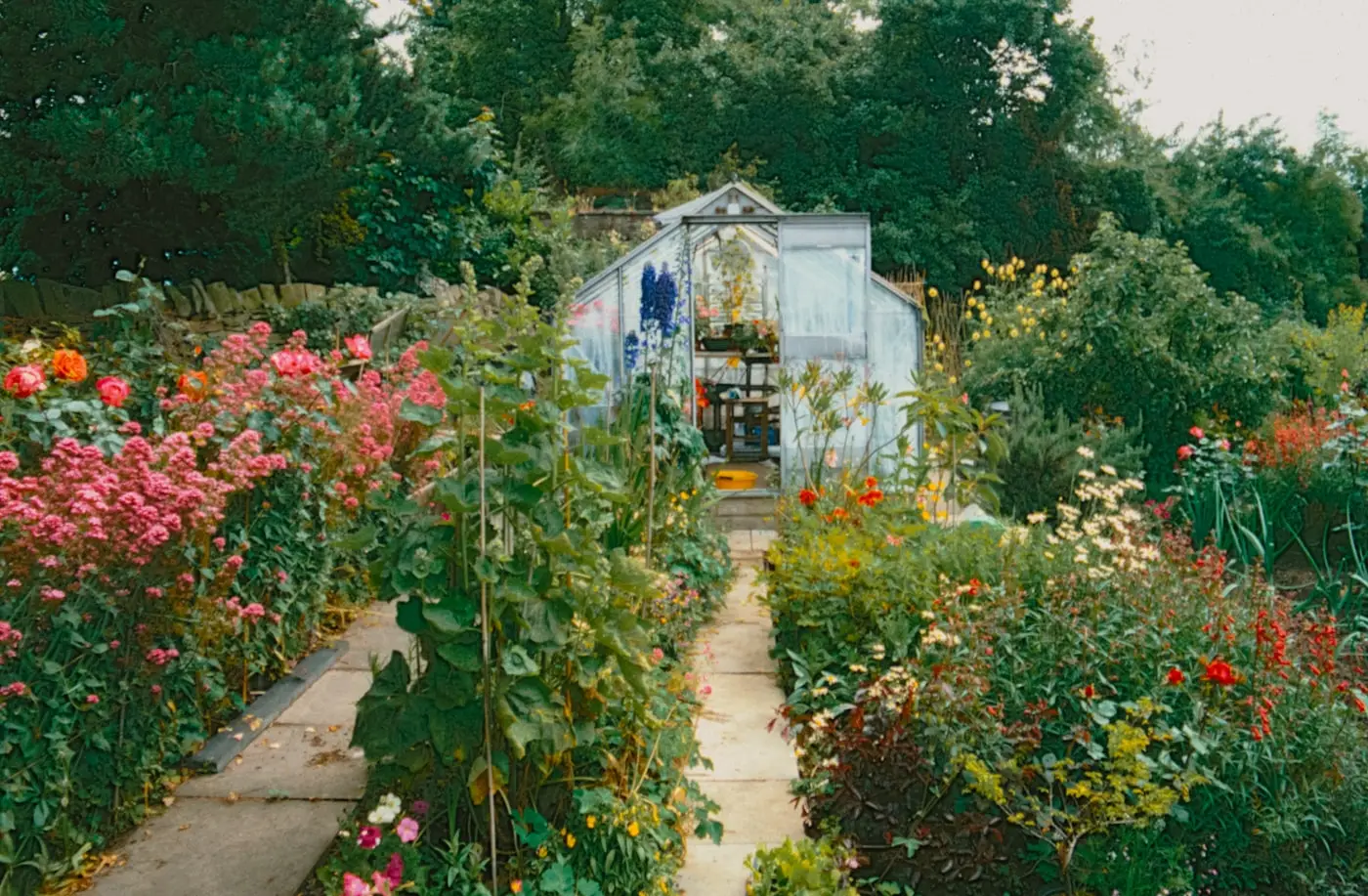
Garden design in Horbury
Horbury stands south of Wakefield on the Calder valley edge, and the town's quarrying past has left its gardens with a more varied soil profile than most of the surrounding coalfield towns. On higher ground and around the older stone properties close to the former quarry sites, you find gritstone-influenced soil that works freely and drains reasonably well. Drop down toward the valley floor or into the newer residential streets on the lower ground and you quickly encounter heavier clay that behaves much more like the Coal Measures material that characterises gardens across the WF4 and WF7 belt.
That variability is the defining characteristic of gardening in Horbury, and it is why a proper site assessment matters more here than in towns with a uniform soil profile. A scheme that works beautifully on free-draining gritstone ground in one part of Horbury may completely fail on clay ground two streets away. A good designer reads the soil before recommending anything.
Horbury's housing stock leans toward quality older stone properties - the kind of buildings that belong here in a way that newer brick construction does not. Those properties deserve gardens that sit authentically alongside them: local stone used generously, planting that suits the exposed Calder valley position, and design that references the character of the town rather than importing a style that belongs fifty miles south. For an overview of the full garden design service across Yorkshire, that page covers what is available. For general maintenance support, the local gardeners in Horbury page is the place to start.
Cost guide for Horbury garden design
These ranges reflect what Horbury homeowners typically spend. Stone walling and quality paving in local material costs more than pressed concrete alternatives but suits the properties better and lasts longer.
| Service | Typical cost | What it includes |
|---|---|---|
| Initial consultation | Free to £75 | Site visit, soil assessment, outline proposal. |
| Planting plan only | £300-750 | Scaled scheme, plant list, spacings. You implement. |
| Full design with project management | £700-2,500 | Design, contractor coordination, planting oversight. |
| Stone walling (per metre) | £100-180 | Gritstone or sandstone, dry-stone or mortared. |
| Patio installation (20-35 sqm) | £2,200-6,000 | Sub-base, edging, natural stone flags supply and lay. |
| Terraced slope garden (full project) | £7,000-18,000+ | Retaining walls, steps, drainage, hard surfaces, planting. |
| Full garden makeover (40-80 sqm) | £6,000-16,000 | Clearance, hard landscaping, planting, establishment. |
Designer fees are separate from build and plant costs. Our garden designer cost guide explains what drives the variation.
Get your Horbury garden sorted this season.
Tell us about your plot and a local WF4 designer comes back with a real figure. No call centres. Design from £500.
Start your free estimateThe full local guide
Horbury's quarry-influenced soil and what it means in practice
The quarrying history that shaped Horbury's landscape also means the soil profile changes depending on where in the town your garden is. On elevated plots near the former quarry areas, gritstone fragments in the topsoil improve drainage and create a more workable growing medium. The pH tends toward neutral rather than the alkaline end you find on limestone geology further north, which opens up a wider range of planting options including acid-leaning plants like pieris and some rhododendrons if the soil profile is deep enough.
On lower valley-edge ground, the gritstone influence disappears and you are dealing with straightforward Coal Measures clay. This behaves identically to what you would find in Wakefield, Ossett, or Featherstone: heavy, slow-draining, expansive when wet and contracted when dry. Surface water management is the first consideration on these plots before any planting or paving work is done.
There is also a third profile in Horbury that catches people out: plots where the topsoil has been stripped or disturbed by previous development and then replaced unevenly. This is common on any site that has been built on, extended, or landscaped in the past twenty to thirty years. In these gardens, you can find pockets of good, freely workable soil alongside buried rubble, compacted sub-base brought to the surface, and areas where the drainage simply does not work because of what is buried underneath. A designer doing a thorough site assessment will identify these issues before they become expensive mistakes.
The good news about Horbury's stone heritage is that local walling stone and paving flags are relatively accessible here. Gritstone and sandstone walling that sits naturally with the town's older properties is available from local suppliers, and a designer who knows the area will have good contacts for sourcing consistent quality stone at reasonable cost. Stone landscaping that matches the character of the house always looks better than imported alternatives, and it adds lasting value to the property.
What gets designed in Horbury gardens
Stone walling and terracing for sloped plots
Horbury has a number of elevated plots where the garden drops away from the house across a slope. A terraced design using local gritstone or sandstone walling creates level areas connected by steps, turning what might otherwise be an unusable gradient into a structured garden with distinct outdoor rooms. Dry-stone walling in the local vernacular suits Horbury's stone properties better than timber sleepers or concrete, and it improves with age rather than deteriorating. A skilled designer will specify wall heights, drainage behind the walls, and step dimensions that make the terraces genuinely usable rather than just decorative.
Redesigns for older stone properties
Horbury's good-quality older properties often have gardens that have not had significant investment in decades. The bones may be good - a mature hedge here, an established tree there - but the borders are overgrown, the patio is cracked concrete that has shifted on the clay, and there is no coherent design behind what is there. A redesign for this type of property starts by identifying what is genuinely worth keeping, proposing a scheme that suits the character of the house, and specifying materials that match the stone rather than clashing with it. Local sandstone flags on a properly prepared sub-base, stone edgings, and planting schemes borrowed from the broader Yorkshire vernacular all sit well here.
Low-maintenance planting for busy households
For Horbury homeowners who commute to Wakefield or further afield, a low-maintenance brief is often the right starting point. This means replacing high-maintenance lawn with permeable paving in areas that get heavy use, choosing structural shrubs that need cutting once a year rather than perennials that need dividing and replanting, and mulching borders heavily to reduce the time spent weeding through the summer. A well-designed low-maintenance garden in Horbury does not look like a car park - structure and year-round interest are both achievable within a minimal-maintenance framework.
Productive garden additions
Raised vegetable beds integrated into a wider garden design are increasingly popular in Horbury, particularly where the native soil is too variable or heavy for kitchen garden crops to establish reliably. A raised bed on gritstone ground with improved, lighter growing medium gives you controllable conditions for vegetables and herbs regardless of what the underlying soil is doing. Two or three raised beds, positioned in the sunniest part of the garden and integrated into the design rather than added as an afterthought, can produce substantial amounts of food from a modest footprint.
Design styles that suit Horbury
The quarrying and stone heritage of Horbury points clearly toward a design vocabulary that uses local stone generously: sandstone or gritstone flags, walling that echoes the town's older buildings, and planting that suits the exposed Calder valley position. This is not a nostalgic style - it is simply the style that fits, and it looks better than anything imported or unrelated to the character of the place.
Within that vernacular framework, there is room for contemporary detailing: clean-lined hard landscaping in quality stone, bold structural planting with grasses and evergreens, and planting schemes that give seasonal interest from early spring through to late autumn without demanding weekly attention. The Calder valley exposure means the garden will be windier and cooler than gardens in the sheltered Vale of York - planting that tolerates exposure and performs reliably in Yorkshire's variable climate is always a better investment than something that needs coddling.
For ideas and inspiration across a wider range of Yorkshire garden types, our Yorkshire garden design ideas guide covers approaches from compact terrace gardens through to larger stone-property plots.
Plants that work in Horbury's mixed soil
Horbury's soil variability means the palette depends on your specific plot. On gritstone-influenced ground:
- Ornamental grasses (Stipa tenuissima, Calamagrostis Karl Foerster) - thrive on free-draining gritstone and provide movement and texture through the season.
- Hardy perennials (geranium Rozanne, salvia Caradonna, catmint Six Hills Giant) - establish well on better-draining ground and flower for months with minimal intervention.
- Structural shrubs (Buddleja, Cornus, Philadelphus) - handle the exposed Calder valley position and need only annual cutting to perform.
On heavier valley-clay ground, the reliable performers are the same moisture-tolerant plants that work across the WF coalfield: Astilbe, Persicaria, hardy geraniums, Crocosmia, Siberian iris, Alchemilla mollis, and Cornus for winter interest. A designer will match the plant list to the soil profile your specific plot actually has.
For seasonal interest through winter, the Calder valley exposure means evergreen structure is especially valuable. Yew, viburnum tinus, and box (where box blight is managed) provide the bones of the garden when herbaceous planting disappears. See the garden maintenance service for ongoing care once your design is in place.
How the design process works
- Initial brief. You describe your garden, your budget and what you want from the space. The quarry-influenced soil variability in Horbury means the more information you can give about your plot - including any drainage issues you have noticed - the better the starting point.
- Site visit and soil assessment. The designer visits and checks both soil type and drainage across the plot. In Horbury this matters more than most places because of the variability - the assessment shapes the entire scheme.
- Proposal and costings. You receive a scaled scheme with plant list, quantities and indicative costs for both design and build.
- Phasing the work. On stone properties, hard landscaping in matching material typically comes first. Planting follows at the right season - autumn for clay-ground plots, spring or autumn for gritstone-ground plots.
- Installation and establishment. The designer sources plants, oversees planting and advises on aftercare through the first season.
Frequently asked questions about garden design in Horbury
What soil does my Horbury garden have?
Horbury's quarrying history means soil varies by location. Higher ground near former quarry sites has gritstone-influenced soil that drains reasonably well. Lower valley-edge ground has heavier Coal Measures clay that holds water. A site assessment is especially important in Horbury before any design work is commissioned.
How much does garden design cost in Horbury?
A planting plan costs £300-750. Full design with project management runs £700-2,500. A complete makeover including hard landscaping and planting typically costs £6,000-16,000. Stone walling in local gritstone or sandstone adds to the budget but suits the properties well. See our garden designer cost guide for Yorkshire-wide breakdowns.
What plants work well in Horbury gardens?
On free-draining gritstone ground: ornamental grasses, hardy perennials, and structural shrubs. On heavier valley clay: Astilbe, Persicaria, hardy geraniums, Crocosmia, Siberian iris, and Cornus. A designer will match the palette to your specific soil profile.
Can hard landscaping in Horbury use local stone?
Yes, and local gritstone or sandstone is the natural choice here given the quarrying heritage. It sits authentically with Horbury's older properties and ages better than pressed concrete or imported porcelain. A designer familiar with the area will have good contacts for locally sourced material at consistent quality.
Related services
Once your design is in place, regular garden maintenance keeps it performing season to season. For overgrown plots that need clearing before design can start, see our garden clearance service. For stone boundary walls needing repair or new hedging, see hedge trimming in West Yorkshire.
Related: Find a gardener in Horbury
Areas near Horbury we also cover
We cover garden design across Horbury and the surrounding WF4 area. For the larger adjacent town, see garden design in Wakefield. For the town to the north-east, see Ossett garden design. For the full list of Yorkshire coverage, the garden design service page lists all areas.