Yorkshire Lawn & Garden

Garden design · Garforth

Garforth garden design and landscaping.

Garden design across Garforth, Kippax, Micklefield, Allerton Bywater, Swillington. Planting plans, full redesigns, borders that work on the well-drained Coal Measures ground east of Leeds, and hard landscaping on plots from older established housing to new-build estates. Local designers who quote directly, free initial estimates, design from £500.

  • Free initial estimates
  • Local designers who quote directly
  • Design from £500
  • No call centres
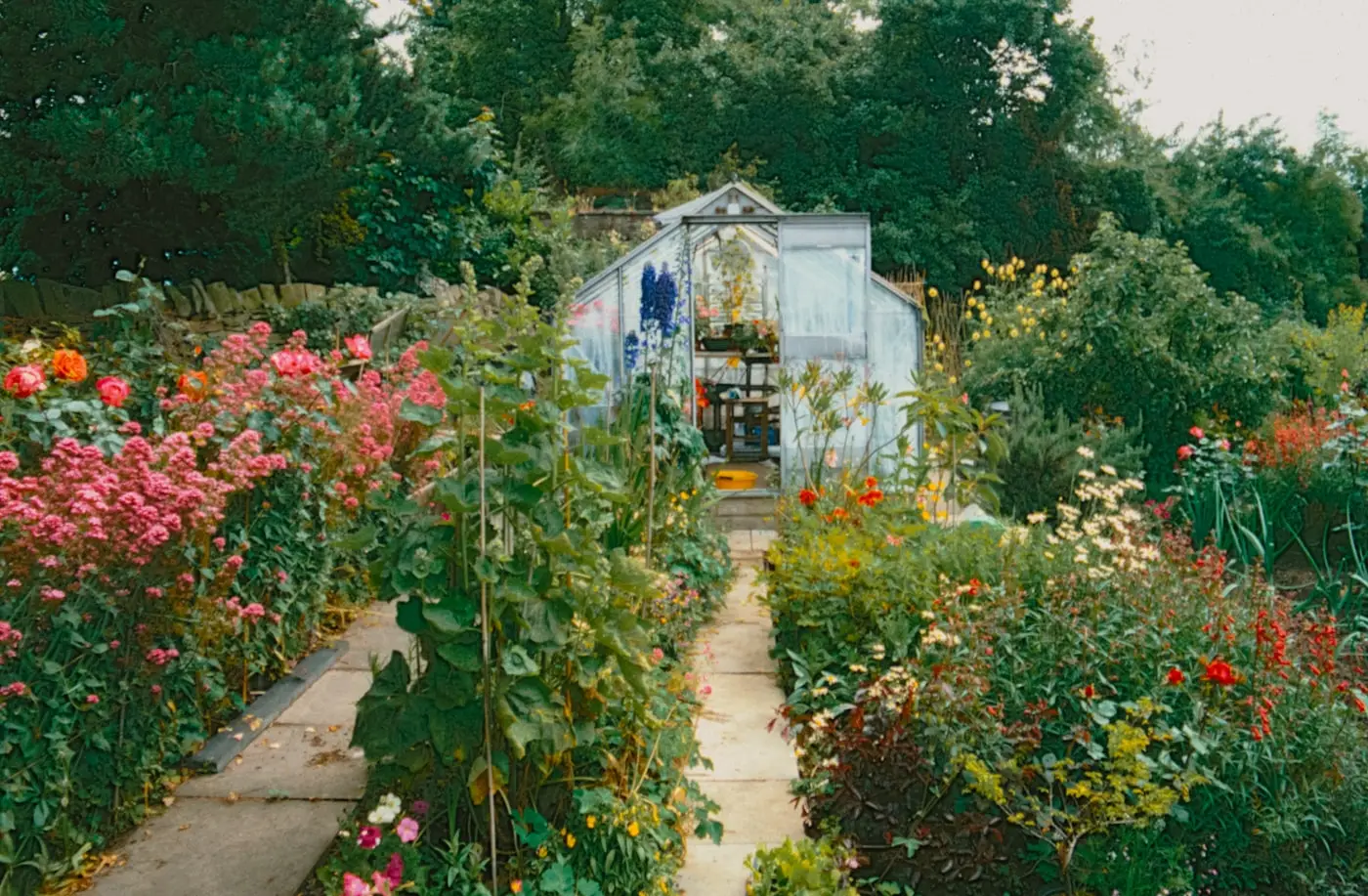
Path winding through a cottage garden in bloom

What garden design looks like in Garforth

Garforth is one of the fastest-growing residential areas in West Yorkshire, with strong A1 and M1 access drawing Leeds commuters who want more space than the city offers. The established housing through the older village core has had decades of garden development — mature boundaries, established lawns, and planting that has had time to settle. These gardens reward consistent maintenance and thoughtful redesign that preserves what works and lifts the quality. The newer estate housing — and there has been significant new building in Garforth over the past two decades — typically starts with builder's turf over compacted subsoil and blank fence panels, and the brief is creating a garden from scratch rather than maintaining what's already there.

Most Garforth garden design enquiries land in two categories: first-garden design on new-build plots where the brief is turf installation, raised beds, structural planting, and hard landscaping to make the space genuinely usable; or comprehensive redesigns on established gardens in the older village core that have been left for a season or two and need proper attention. Both briefs need different approaches. The new-build gardens want soil improvement in the first couple of seasons — aerating, top-dressing, overseeding — to turn builder's turf on compacted subsoil into lawns that perform reliably. The established gardens want refreshing of tired borders, hedge reduction to bring overgrown boundaries back to a manageable scale, and hard landscaping to extend the usable space.

The villages around Garforth — Kippax, Micklefield, Allerton Bywater — have older housing stock with more character and more established planting. Gardens in Kippax in particular have had time to develop proper structure. If you're in one of those properties, the brief is usually maintaining what is already there rather than building from scratch. Check the Garforth lawn and garden page for context on what the soil needs and how established gardens here respond to care.

Cost ranges for Garforth garden design

Design fees are separate from build and planting costs. The ranges below reflect what designers across Yorkshire typically charge. Most quote a fixed fee after seeing the site.

Service Typical range
Initial consultation Free to £75–150
Planting plan only £300–800
Planting plan + implementation £600–1,500
Full design and project management £800–3,000+
Kitchen garden / raised-bed setup £400–900
Full garden makeover (50–100 sqm) £5,000–15,000+

Hard landscaping (patios, walls, fencing) is quoted separately and depends on materials and scale. A mid-size patio or retaining wall typically runs £2,000–£12,000. Plants are either trade-priced through the designer or you source them directly — most designers are flexible on this depending on your budget and involvement preference.

Get a design estimate

Free initial estimate from a Garforth-area designer. We connect you with local professionals who quote directly.

Start your Garforth garden estimate

The full local guide

Common project types in Garforth gardens

New-build first-garden design

New-build estates across Garforth generate the strongest demand for first-garden work — plots that started as builder's turf over compacted subsoil and bare fence panels. The brief is usually comprehensive: turf installation or re-laying, raised beds for kitchen gardening, structural planting to give the space definition, and boundary work to make the fencing look intentional. Budget £5,000–£10,000 for a full first-garden on a standard new-build plot if you want the entire job done properly in one phase.

Established garden refresh (older village core)

The established housing through the older Garforth village core and Kippax has gardens with proper structure that have had decades to settle. These plots benefit most from comprehensive refreshes — replanting tired borders, hedge reduction to bring overgrown boundaries back to a manageable scale, patio extensions or path work, and lawn care programmes that lift the grass quality. A designer addressing one of these gardens should preserve what works and lift the quality rather than starting from scratch.

Lawn establishment and soil improvement (new estates)

New-build gardens that started with builder's turf on compacted subsoil need proper renovation before they perform reliably. Scarifying, aerating, top-dressing and overseeding in the first couple of seasons makes the difference between a lawn that struggles every summer and one that holds its colour through a dry July. A designer proposing a lawn scheme on a new Garforth plot should factor in soil improvement work as part of the brief, not assume the ground is ready for a maintenance schedule from day one.

Raised bed and kitchen garden design

Garforth's commuter demographic increasingly wants kitchen gardens — raised beds, productive planting, and outdoor space that serves the household rather than just looking presentable. Budget £400–900 for a raised-bed kitchen garden setup depending on scale and materials. A designer addressing this brief should propose layouts that make growing vegetables practical year-round rather than ornamental features that get planted once and then neglected.

Boundary and structural planting on new plots

New-build plots with blank fence panels want structural planting to give the space definition and privacy — hedging, climbing plants on trellis, and screening shrubs that establish quickly on the reasonably well-drained Coal Measures ground. Beech, hornbeam, yew, and native hedging (hawthorn, field maple) all establish well on Garforth soil once properly watered through the first two seasons.
What plants tend to suit Garforth gardens

Garforth sits on reasonably well-drained Coal Measures ground where the soil is sandier and easier to work than the heavier clay to the west. Herbaceous borders, ornamental grasses (Stipa, Miscanthus, Pennisetum), drought-tolerant perennials (salvias, sedums, hardy geraniums, lavender), and structural shrubs all establish well on this ground. The soil warms earlier in spring than the heavier clay districts and extends the growing season noticeably.

New-build gardens on the newer estates need soil improvement before planting can succeed properly — aerating, top-dressing with organic matter, and consistent feeding in the first couple of seasons. The subsoil quality on recently developed ground is often poor, and trying to plant borders or install lawns without addressing the compaction produces gardens that struggle within two seasons.

The older established gardens through the village core and Kippax have mature structural planting — beech, hornbeam, yew hedges that have had decades to settle, and borders that respond quickly to replanting when the time comes. A designer working on one of these plots should assess what's already there and work with the established structure rather than starting from scratch.

Process for working with a Garforth designer
  1. Initial brief: You outline what you want from the garden — more usable space, better planting, a layout that works for how you use it. Most designers visit for free or a nominal consultation fee.
  2. Site visit and survey: The designer assesses the site, measures, checks soil and drainage, notes what's already there, and discusses budget and phasing.
  3. Proposal and concept: You receive a design proposal with a planting plan, layout drawings, materials suggestions, and a cost estimate for the build and planting.
  4. Phasing and approval: Larger projects are often phased across seasons or budget years. You approve the plan and agree timing.
  5. Installation and establishment: The designer manages the build or oversees contractors. Planting is installed at the right season. You get guidance on establishment care — watering, feeding, first-year maintenance.
Designers in Garforth postcode

We connect homeowners across Garforth LS25 with local garden designers who quote directly for your project. There's no middleman fee added on the customer side — you get a direct estimate from the designer, and you decide whether to proceed. The initial estimate is free with most designers. They visit, assess the site, and provide a costed proposal. If you want to explore what a redesign or full landscape job would look like on your plot, the first conversation costs nothing and gives you a realistic picture of scope, cost and timing. See the garden makeover cost guide for broader context on what full redesigns typically involve.

Frequently asked questions

What soil does my Garforth garden have?

Garforth sits on reasonably well-drained Coal Measures ground where the soil is sandier and easier to work than the heavier clay to the west. The established housing through the older village core has had decades of garden development and the soil quality is generally good. New-build estates typically start with poor subsoil quality that needs improvement — aerating, top-dressing, consistent feeding — before lawns and borders perform reliably. A designer should assess your specific plot before proposing a scheme.

How long does a garden redesign take in Garforth?

A planting-plan-only project can be turned around in 2–4 weeks depending on the designer's workload. A full redesign with hard landscaping and comprehensive planting typically takes 6–12 weeks from initial brief to installation, often phased across multiple site visits. Larger projects are phased to match budget or seasonal planting windows — spring and autumn are the best times to plant, so many designs are timed to those windows.

Do I need a full design or just a planting plan?

If your layout is fine but the borders need replanting, a planting plan (£300–800) is usually sufficient. If you want to change the layout, add hard landscaping, or redesign the space from scratch, a full design (£800–3,000+) with project management makes sense. Most designers will advise which approach fits your brief after seeing the site.

What does a designer charge separately from the build cost?

The designer's fee covers the design, drawings, planting plan, and project management. The build cost covers materials, labour, plants, and installation. Most designers quote both separately so you can see what you're paying for design work versus physical implementation. Some bundle it as a single project fee; others prefer to separate it so you can phase the work if budget requires.

Can I improve builder's turf on a new Garforth estate garden?

Yes, with proper work in the first couple of seasons. Scarifying, aerating, top-dressing with organic matter, and overseeding with good quality seed makes a significant difference to how the lawn performs. The subsoil on new-build plots is often compacted and poor quality — getting it properly worked in the first year or two produces lawns that hold their colour through summer rather than burning off by July on thin compacted ground.

What's the difference between a garden designer and a landscaper in Garforth?

A garden designer plans the space, produces drawings, selects plants, and manages the aesthetic and horticultural decisions. A landscaper builds it — hard landscaping, groundwork, installation. Many designers work with a trusted landscaper to deliver the physical work. Some landscapers also offer design as part of a full-service package. If you want a comprehensive project managed from concept to completion, look for a designer who either builds or has established relationships with reliable contractors.

When is the best time to start a garden redesign in Garforth?

Planting is best in spring (March–May) or autumn (September–November) when the ground is workable and plants establish well. Hard landscaping can be done year-round in dry weather. Most designers take bookings in January and February for spring installation, or in June and July for autumn planting. If you want the work done in a specific season, start the conversation 8–12 weeks before that window.

Areas around Garforth we also cover

Garden design coverage across West Yorkshire and surrounding towns:

Surrounding villages including Kippax, Micklefield, Allerton Bywater, Swillington.

For general garden maintenance, lawn care, and year-round gardening services in Garforth, visit our local gardeners in Garforth page.