Garden design · Greetland, Calderdale
Greetland sits on the steep sides of the Calder Valley in HX4, between Halifax and the Ryburn Valley. The gardens here are gritstone hillside plots with the character you'd expect from Calderdale: walled boundaries, acid-to-neutral soil, steep gradients, and elevated terraces that catch excellent sun on south and west-facing aspects. It's prime territory for fruit growing once the terrace levels are established, and the valley backdrop makes these gardens genuinely distinctive.
Greetland's gardens are predominantly on the Halifax side of the Calder Valley, climbing steeply from the valley floor. The Millstone Grit bedrock produces acid soil through most of the village - pH 5.5-6.5 depending on the specific plot and whether previous owners have added lime over the years. The gritstone soaks rainfall quickly on well-drained slopes, but the valley bottom has heavier conditions near the River Calder with some historic flood risk in the lowest-lying sections.
Elevated terraces in Greetland, particularly those with south or south-west facing aspects, have excellent growing conditions. Cold air drains down the valley at night, the elevated site avoids the frost pockets that affect valley floor gardens, and a sunny terrace at 100-150m elevation in Greetland can be noticeably warmer and more productive than a valley floor garden in nearby Halifax town centre. This is fruit-growing territory - apple, pear, plum, soft fruit, and wall-trained figs on the most sheltered south-facing walls all perform at this aspect and elevation.
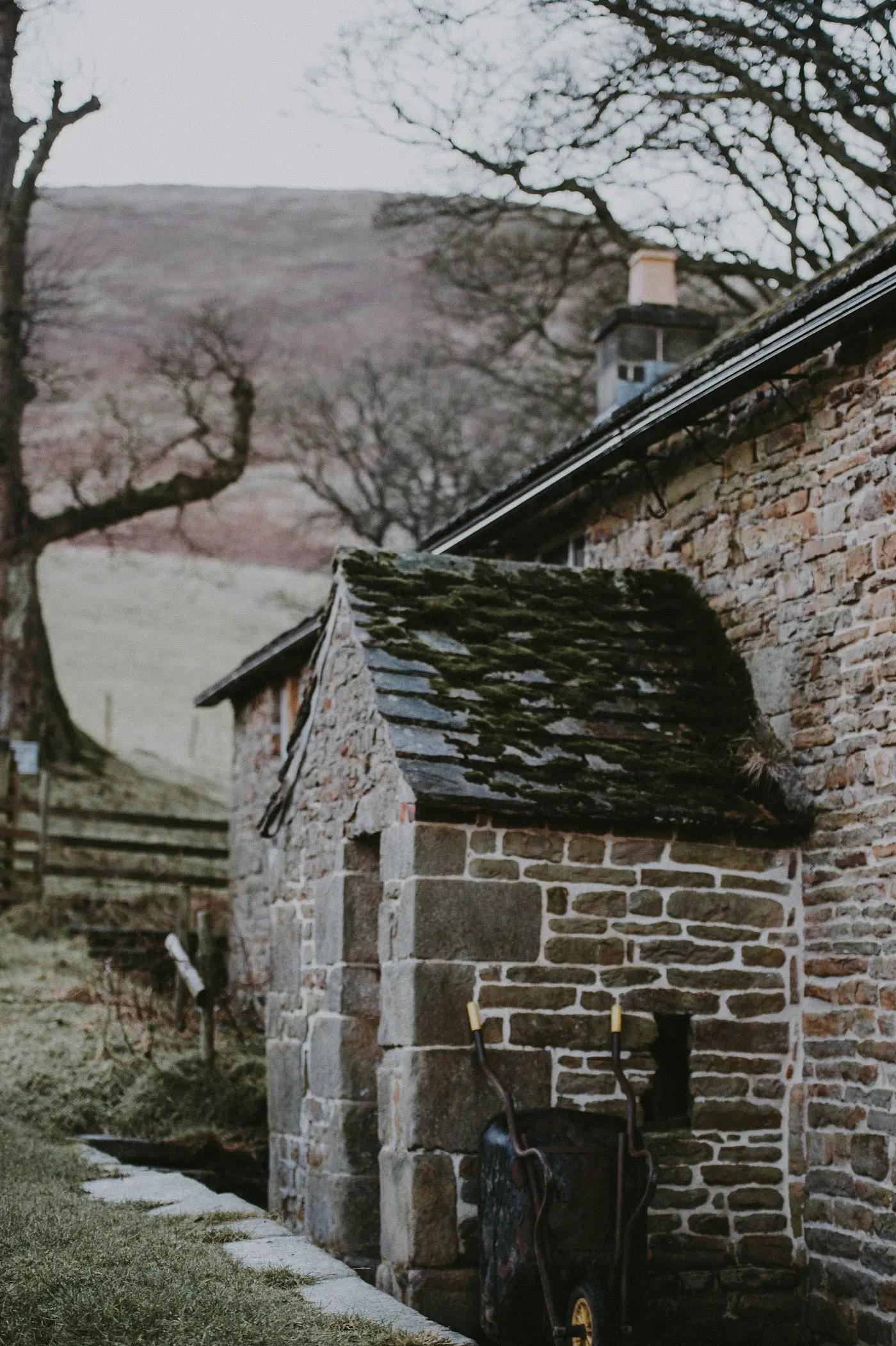
The mill-town character of Greetland means many of the older properties have substantial stone walling as garden boundaries - both dry-stone and mortared gritstone walls that are part of the historic landscape. These walls are typically an asset to design around rather than remove: they provide shelter, define garden rooms, and give the space an established sense of permanence that no quick-fix solution replicates. A designer who works with the existing stone character produces gardens that look as if they've been there for decades.
Garden design in Greetland typically runs from £1,500 for a small redesign to £8,000-15,000 for a full garden transformation. Steep valley-side plots needing stone terrace work and retaining walls are at the higher end. Walled garden restorations vary significantly depending on the size and condition of the existing structure, but the enclosed microclimate these projects create is a genuine long-term investment in the usability of the space.
| Service | Typical range |
|---|---|
| Initial consultation | Free to £75-150 |
| Planting plan only | £300-800 |
| Full design and project management | £800-3,000+ |
| Stone terrace and retaining wall construction | £3,000-12,000 |
| Full valley-side garden transformation | £8,000-18,000+ |
See our garden designer cost guide for detailed breakdown of what different project scopes involve across Yorkshire.
Free initial estimate from a designer who understands Calder Valley conditions and gritstone hillside gardens. We connect you with local professionals who quote directly.
The full local guide
The combination of good drainage, cold air drainage from valley slopes, and strong sun on south-facing aspects makes Greetland's elevated plots well suited to fruit growing. A designed kitchen garden with raised beds, an apple or pear espalier trained against a south wall, a raspberry and currant cage, and space for annual vegetables works beautifully on the terraced levels that many Greetland properties have. The key design elements are good orientation (facing south or south-west for maximum light), raised beds for drainage control, and shelter from the north and north-east on exposed positions.
Like the Colne Valley villages to the south-east, Greetland's steep plots need terracing to be functional. Level areas cut into the valley side using stone retaining walls create usable outdoor rooms at different heights. The gritstone character should be matched in the retaining wall material - Calderdale gritstone is available locally and weathers correctly in this environment. Imported buff sandstone looks wrong in a Greetland garden; native gritstone looks right from day one.
Older Greetland properties often have established walled gardens that have been left to become overgrown or haven't been properly designed since the house was last sold. A walled garden restoration - clearing what's past its best, repairing or repointing stone walls, and replanting with a coherent scheme that uses the enclosed, sheltered character - is one of the most rewarding garden design projects in this area. The enclosed microclimate within a well-maintained walled garden allows plants that wouldn't survive the open hillside to thrive.
Greetland's valley-side position gives elevated gardens views across the Calder Valley toward Elland, Brighouse, and the broader Calderdale landscape. Designing outdoor seating and planting to work with this outlook - keeping the view-side boundary open, positioning the dining or relaxation terrace to face the valley - creates a garden that connects you to the landscape rather than closing it out. The combination of valley views and sheltered terrace conditions makes Greetland hillside gardens genuinely pleasant outdoor spaces for most of the year.
Greetland's acid gritstone soil on the elevated valley sides is excellent for ericaceous planting - rhododendrons, pieris, heathers, and kalmia all establish freely in the native pH range. On plots where previous lime applications have pushed the pH above 6.5, the ericaceous advantage disappears but the broader range of ornamental plants that prefer neutral conditions becomes available. Knowing your actual soil pH before choosing a design direction is always worthwhile.
The valley floor sections of HX4 nearest to the Calder have heavier, wetter conditions with some flood risk history. Gardens in these lower positions need different treatment: drainage improvement before any redesign, moisture-tolerant planting selection, and hard surface design that prioritises water run-off management. The flood risk at the valley bottom isn't a reason to avoid these gardens but it is a reason to design for the conditions rather than treating them like a standard suburban plot.
High-quality topsoil can be imported to improve thin or exhausted growing conditions on the steeper sections. Greetland's elevated plots sometimes have very thin native topsoil after decades of erosion and minimal organic matter input. Adding 200-300mm of good garden loam as the base for planted areas before the planting scheme goes in makes the difference between a scheme that thrives and one that struggles in its first five years.
Is my Greetland garden good for growing fruit?
Elevated south and south-west facing plots in Greetland are excellent for fruit. Cold air drains away from the slope at night reducing frost risk, the sun exposure on a good hillside aspect is strong, and gritstone soil with good organic matter added grows top fruit, soft fruit, and kitchen crops very well. Apple, pear, plum, gooseberry, currant, and raspberry all perform reliably. A designed fruit garden with properly trained trees against a south-facing wall is a genuinely rewarding investment in this location.
What should I do about the stone walls in my Greetland garden?
Retain and restore them wherever possible. Historic gritstone boundary walls provide shelter, character, and permanence that no new boundary treatment replicates at reasonable cost. Repair crumbling sections with matching stone - a dry-stone waller with Calderdale experience can repair most wall faults. Plant wall crevices with appropriate alpines (saxifrages, sempervivums, erigeron karvinskianus). If a wall section is genuinely beyond repair, rebuild in matching local gritstone rather than replacing with fencing or imported stone that looks wrong in the landscape.
Should I worry about flooding in a Greetland garden near the valley floor?
Valley floor gardens in HX4 closest to the Calder have historic flood risk. This doesn't make them un-gardenable but it does shape the design approach: avoid permanent hard planting at floor level in known flood-prone areas, design for water to move through rather than ponding, and use moisture-tolerant planting that can recover from occasional inundation. Elevated terrace gardens above the valley floor in Greetland have no flood risk and typically excellent growing conditions. A designer should identify which situation your plot is in during the site visit.
How do I terrace a steep Greetland garden?
Stone retaining walls in native Calderdale gritstone are the most appropriate and durable solution. Walls built to 600mm-1m height create level areas at successive steps up or down the slope. Connect levels with well-designed stone steps. A designer should see the gradient, assess the underlying rock depth, and propose the number and height of terraces before you commit - the specific landform of your plot determines the right approach more than any general advice can.
How much does a garden design cost in Greetland?
Garden design in Greetland typically runs from £1,500 for a small redesign to £8,000-15,000 for a full garden transformation. Steep valley-side plots with stone terrace work are at the higher end. Walled garden restorations vary depending on the size and condition of the existing stonework. Request a free site visit and estimate from a local designer for a realistic scope and cost picture.
What plants thrive in Greetland's acid gritstone conditions?
Rhododendrons, azaleas, pieris, heathers, and kalmia establish readily in the native acid pH. Hardy ferns (dryopteris, polystichum, matteuccia) suit shadier corners. Rowan, hawthorn, and field maple are excellent structural choices for native-character planting. For ornamental perennials: hardy geraniums, astilbe, and persicaria all perform well. Where aspect is good, shrub roses and herbaceous borders work on the more neutral plots toward the lower village.
For general garden maintenance in Greetland, visit our local gardeners in Greetland page. For our full design overview, see our garden design service.