Yorkshire Lawn & Garden

Garden design · Hampsthwaite

Hampsthwaite garden design and landscaping.

Garden design across Hampsthwaite, Birstwith, Ripley, Killinghall and the Nidderdale fringe of the HG3 postcode. Planting plans, full redesigns, and hard landscaping on limestone-influenced sandy loam - a very different growing environment to the heavy clay of central Yorkshire. Local designers who quote directly, free initial estimates, design from £500.

  • Free initial estimates
  • Local designers who quote directly
  • Design from £500
  • No call centres
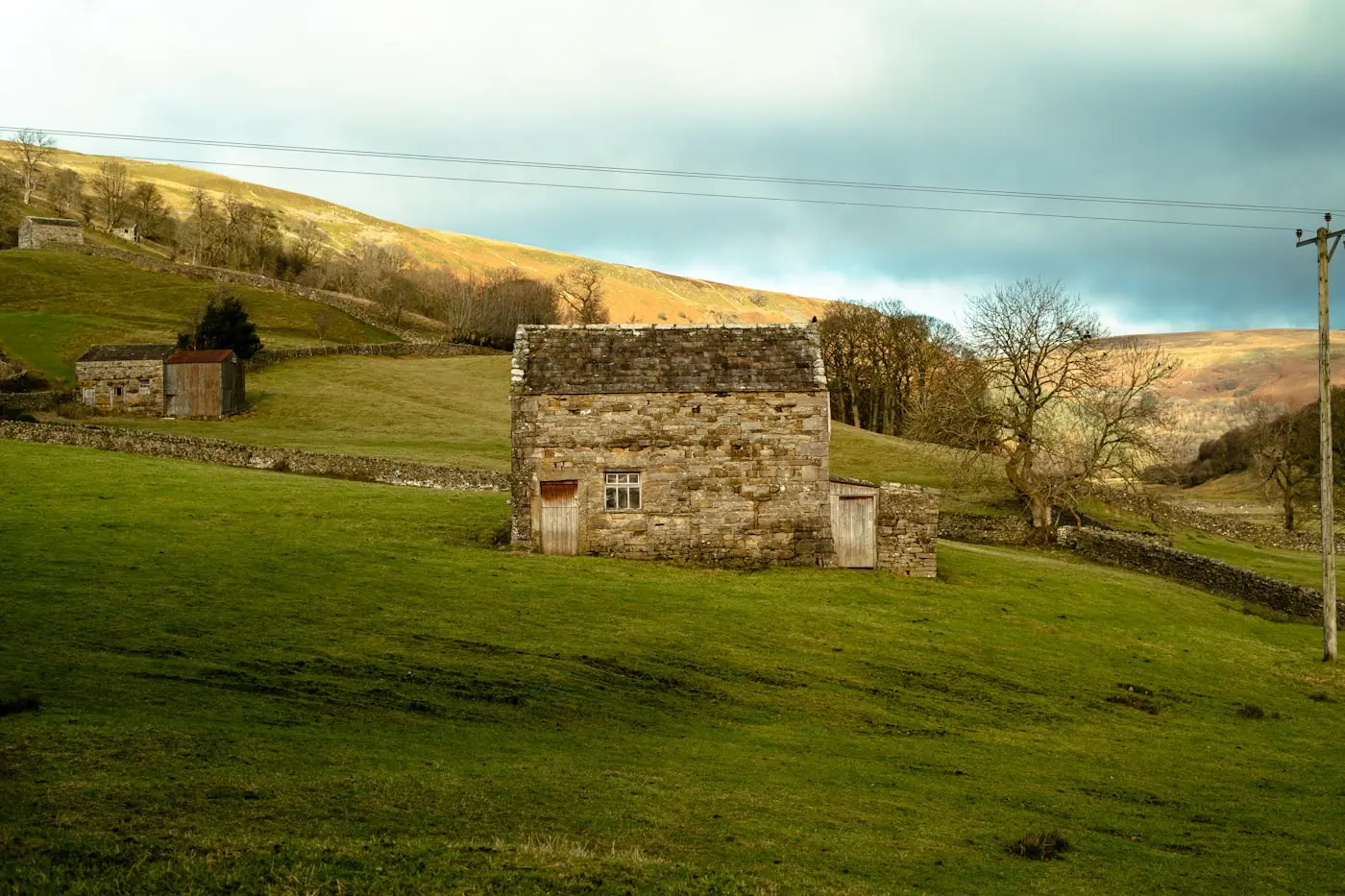
Stone farmhouse on a green Yorkshire hillside

What garden design looks like in Hampsthwaite

Hampsthwaite is a village on the River Nidd at the southern end of Nidderdale, sitting in the HG3 postcode between Harrogate to the south-east and Birstwith and Pateley Bridge to the north. The character of the village is genuinely rural - stone cottages with generous plots, farmhouses with surrounding grounds, and a handful of more modern houses that have taken on the local vernacular. Gardens here are not suburban in character; they connect to the landscape and the scale of the Nidd valley.

The soil is the defining difference from most of the rest of Yorkshire's garden design territory. Hampsthwaite sits on limestone-influenced ground with a sandy loam character - free-draining, relatively low in nutrients, and with a higher pH than the clay-dominated soils of West and South Yorkshire. This is fundamentally different territory for a garden designer: plants that thrive on alkaline, free-draining limestone loam are quite different from those suited to heavy clay. Getting the planting scheme right requires understanding which conditions you are actually working with, not importing a scheme designed for a different soil type.

The Nidderdale microclimate also shapes what works here. The valley can be cold in winter - frost pockets in the lower-lying fields, exposed conditions on the higher ground around the village - and some tender plants that perform well in Harrogate's more sheltered urban gardens will not survive the same treatment in Hampsthwaite's open valley position. A designer who understands this nuance can save a significant amount of money on replacement planting over the first few years. See the Hampsthwaite local gardeners page for year-round garden maintenance context.

Cost ranges for Hampsthwaite garden design

Design fees are separate from build and planting costs. The ranges below reflect what designers across Yorkshire typically charge. Most quote a fixed fee after seeing the site.

Service Typical range
Initial consultation Free to £75-150
Planting plan only £300-800
Planting plan + implementation £600-1,500
Full design and project management £800-3,000+
Border replant (up to 10 sqm) £150-400
Full garden makeover (50-100 sqm) £5,000-15,000+

Larger rural properties in Hampsthwaite may have grounds that exceed the standard residential plot size - pricing scales accordingly. Stone walling (restoration or new construction) is a specialist trade and is quoted separately. Limestone and Yorkshire sandstone materials are locally available and generally competitively priced in HG3. See the garden renovation cost guide for wider context.

Get a design estimate for your Hampsthwaite garden

Free initial estimate from a designer who understands Nidderdale conditions, limestone loam, and the rural character of gardens in HG3.

Start your Hampsthwaite garden estimate

The full local guide

Common project types in Hampsthwaite gardens

Stone cottage garden design

The older stone properties in Hampsthwaite and nearby Birstwith have gardens that suit traditional Yorkshire cottage planting - geraniums, roses, foxgloves, alliums, hardy perennials - but on limestone-influenced loam rather than clay. The drainage is better here, which opens up the plant palette considerably. Lavender, catmint, salvias, and other Mediterranean-influenced plants that struggle on clay can be used effectively on this soil. A cottage garden border redesign for an older Hampsthwaite property typically costs £600-£1,500 for a 15-20 metre border replanted with a full planting scheme.

Rural landscape design

Properties on the village edges or with views across the Nidd valley want designs that connect to the landscape rather than imposing a suburban garden aesthetic on a rural setting. These projects often focus on native and naturalistic planting - hawthorn hedging, field maple, native wildflower areas, grasses - combined with a functional outdoor living space near the house. The design approach for a rural Hampsthwaite garden is quite different from an urban redesign: less rigid structure, more planting that integrates with the surrounding countryside character.

Walled garden and enclosed space design

Some Hampsthwaite properties have stone-walled sections - walled kitchen gardens, enclosed courtyards, or boundary walls that create distinct enclosed spaces. These walled areas create their own microclimate, warmer and more sheltered than the open garden, and suit slightly more tender planting than the open ground would support. A well-designed walled garden can grow wall-trained fruit, tender climbers, and sheltered herbaceous planting that would not survive in the open valley position.

Productive gardens on limestone loam

The free-draining limestone loam in HG3 is actually excellent for most vegetables - far easier to work than heavy clay. Root vegetables (carrots, parsnips, beetroot) perform very well in this soil once it is enriched with organic matter. Brassicas need lime-loving conditions and do well here. The main requirement is consistent irrigation in dry summers, as the free-draining limestone soil dries quickly. A productive garden design incorporating raised beds, fruit trees, soft fruit, and a potting and storage area typically costs £3,000-£7,000 installed.
What plants suit Hampsthwaite gardens

The limestone-influenced sandy loam in HG3 opens up a significantly different plant palette compared to the clay soils of south and west Yorkshire. On the well-drained, alkaline soil: lavender, catmint, salvia, and cistus all perform well. Hardy geraniums, alliums, and ornamental grasses (Stipa, Pennisetum, Festuca) thrive in free-draining ground. Roses are excellent on this soil - their preference for well-drained, moderately fertile alkaline conditions is exactly what limestone loam provides.

For structure and shrubs, viburnum, philadelphus, weigela, and deutzia all suit the soil and the village character. Buddleja performs extremely well on free-draining alkaline ground and requires minimal maintenance once established. For climbing plants on stone walls: clematis, roses, and wisteria all do well. Acid-loving plants - rhododendrons, camellias, pieris - will not perform on limestone loam and should be avoided unless planted in containers with ericaceous compost.

The valley position and potential frost pockets at Hampsthwaite mean avoiding tender exotics. Hardy, resilient planting that can survive cold winters without protection is the right approach. The growing season in Nidderdale is slightly shorter than in Harrogate itself, which narrows the window for tender summer bedding.

Process for working with a Hampsthwaite designer
  1. Initial brief: You outline what the garden needs - connecting to the landscape, a practical outdoor living space, productive growing, or a combination. Most designers visit for free or a nominal consultation fee.
  2. Site visit and survey: The designer assesses the plot, checks soil pH and drainage, notes aspect and frost exposure, and discusses the design approach and budget.
  3. Proposal and concept: You receive a design proposal with planting plan, layout drawings, and a cost estimate covering design and build separately.
  4. Phasing and approval: Rural and larger projects are typically phased. You approve the plan and confirm timing for each phase.
  5. Installation and establishment: The designer manages contractors and oversees planting. You receive establishment guidance appropriate to Nidderdale's growing conditions.
Frequently asked questions

What soil does my Hampsthwaite garden have?

Hampsthwaite sits on limestone-influenced sandy loam - free-draining, alkaline, and moderate in fertility. This is a significantly different growing medium from the heavy clay of central and west Yorkshire. It suits a wide range of ornamental plants, particularly those with Mediterranean preferences - lavender, salvia, catmint, roses, alliums, and ornamental grasses. Acid-loving plants (rhododendrons, camellias, pieris) will not perform in this soil without container planting in ericaceous compost.

Do I need to irrigate a garden on limestone loam in Hampsthwaite?

In dry summers, yes. The free-draining sandy loam in HG3 dries quickly and does not retain moisture the way clay soils do. New planting needs consistent watering in its first season to establish. Established plants on free-draining soil can tolerate short dry spells but a prolonged dry summer without irrigation will stress them. A simple drip irrigation system or soaker hose on a timer is a cost-effective solution, particularly for productive gardens and recently planted borders.

Can I grow rhododendrons in my Hampsthwaite garden?

Not in the open ground - the alkaline limestone loam is the opposite of what rhododendrons need. They require acidic conditions and will yellow and decline quickly in alkaline soil. Containers with ericaceous compost are the alternative if you want to grow acid-loving plants. There are plenty of alkaline-tolerant alternatives - philadelphus, weigela, deutzia, roses - that give similar scale and impact without the pH constraints.

What's the frost risk in Hampsthwaite compared to Harrogate?

The Nidd valley position creates frost pocket conditions that Harrogate's more sheltered urban setting avoids. Lower garden areas in the valley can experience late spring frosts that would not affect a comparable Harrogate garden. This matters for tender plants and early vegetable sowings - anything that can't survive a late April frost should be delayed or protected. A designer familiar with Nidderdale conditions will factor this into the planting scheme.

Do I need planning permission for stone walling in Hampsthwaite?

New stone boundary walls and garden walls generally do not require planning permission up to 1 metre adjacent to a highway or 2 metres elsewhere. However, Hampsthwaite is within the Nidderdale Area of Outstanding Natural Beauty, which may impose additional considerations for visible boundary structures or significant landscape changes. Check with Harrogate Borough Council before undertaking any walling that significantly alters the visible character of the property.

When is the best time to start a garden redesign in Hampsthwaite?

The growing season in Nidderdale is slightly shorter than in Harrogate or Leeds. Spring planting should wait until the frost risk has passed - typically late April to May in this valley position. Autumn planting (September-October) is often more reliable as the soil stays warm longer than in higher Pennine positions. Hard landscaping can proceed year-round in reasonable weather. Start the design conversation in January or February for spring work, or in June or July for autumn planting.

Areas around Hampsthwaite we also cover

Garden design coverage across Nidderdale and the Harrogate fringe:

Surrounding villages including Killinghall, Burnt Yates, Brimham, Dacre, and Darley.

For general garden maintenance and clearance in Hampsthwaite, visit our local gardeners in Hampsthwaite page.