Yorkshire Lawn & Garden

Garden design · Birstwith

Birstwith garden design and landscaping.

Garden design across Birstwith, Hampsthwaite, Harrogate, Pateley Bridge and the upper Nidderdale HG3 area. Planting plans and full redesigns that account for limestone soils, a shorter growing season, and the exposed valley conditions that shape what works in Birstwith's gardens. Local designers who quote directly, free initial estimates, design from £500.

  • Free initial estimates
  • Local designers who quote directly
  • Design from £500
  • No call centres
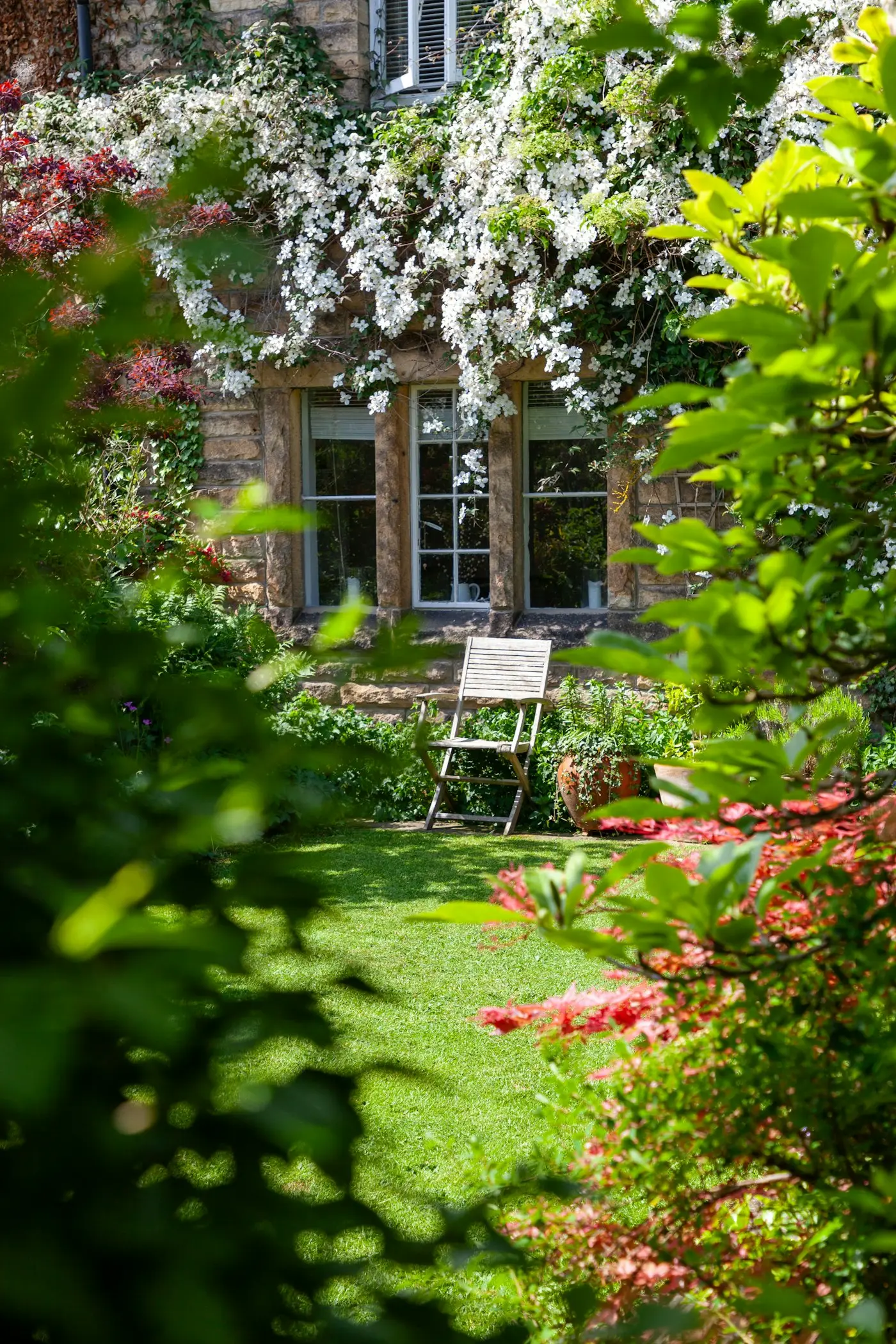
Stone house with bench and planted borders

What garden design looks like in Birstwith

Birstwith is a small village on the River Nidd in the upper Nidderdale valley, HG3 postcode, between Hampsthwaite to the south and Pateley Bridge to the north. It is genuinely rural in character - stone cottages, farmhouses, a few more modern houses - with gardens that in many cases are substantial and mature. The village sits higher than Hampsthwaite and experiences more exposure: the valley narrows as you move north toward Pateley Bridge, and Birstwith catches more wind and more late frost than the more sheltered lower valley.

The growing conditions are shaped by that exposure. The growing season in Birstwith is shorter than in Harrogate, Knaresborough, or even Hampsthwaite - late frosts into May are not uncommon, and the first autumn frosts tend to arrive earlier than in the urban heat of Harrogate's town centre. A garden designer working at Birstwith needs to account for this: tender plants that perform well in Harrogate's sheltered gardens will not reliably survive a Birstwith winter without protection or cutting back.

The soil is limestone-influenced with a sandy loam character, free-draining and alkaline. This suits a good range of hardy perennials and shrubs but excludes acid-loving plants entirely. The free-draining character means summer irrigation is more important here than on clay soils - newly planted borders and productive gardens need consistent watering in dry spells to establish. For year-round garden maintenance in the village, see the Birstwith local gardeners page.

Cost ranges for Birstwith garden design

Design fees are separate from build and planting costs. The ranges below reflect what designers across Yorkshire typically charge. Most quote a fixed fee after seeing the site.

Service Typical range
Initial consultation Free to £75-150
Planting plan only £300-800
Planting plan + implementation £600-1,500
Full design and project management £800-3,000+
Border replant (up to 10 sqm) £150-400
Full garden makeover (50-100 sqm) £5,000-15,000+

Stone walling in Nidderdale is a specialist trade. Dry stone walling restoration or new construction is typically quoted separately at £50-£100 per metre for restoration and £150-£250 per metre for new construction. Local stone is generally available but sourcing good-quality limestone can affect lead times. See the garden renovation cost guide for Yorkshire-wide context on project costs.

Get a design estimate for your Birstwith garden

Free initial estimate from a designer who understands upper Nidderdale conditions, limestone soils, and the exposure constraints that shape Birstwith gardens.

Start your Birstwith garden estimate

The full local guide

Common project types in Birstwith gardens

Hardy cottage and country garden design

The dominant design brief in Birstwith is a hardy cottage or country garden that can survive the Nidderdale exposure without constant intervention. This means selecting plants with genuine robustness - roses that handle wind, geraniums and astrantias that self-seed and fill gaps, hardy grasses that give structure through winter, and shrubs that don't require cosetting. The design also needs to account for the limestone soil: lavender, catmint, alliums, and salvia all thrive; acid-lovers struggle. A full cottage border redesign on a Birstwith property typically costs £700-£2,000 depending on border length and plant density.

Stone wall and terrace garden design

Many Birstwith cottage plots have dry stone walling either as boundary features or as retaining structures for sloping ground. Stone walls in Nidderdale gardens are planting opportunities as well as structural elements: sempervivums, sedums, erinus, and aubrietia all colonise the gaps in dry stone walls and produce colour without intervention. A designer who recognises this can incorporate wall planting as a significant design element. Terraced gardens on sloping Nidderdale ground benefit from well-designed retaining structures that integrate with the stone character of the village rather than imposing suburban timber sleepers.

Exposed position design with wind shelter

Properties in more exposed positions above Birstwith village face consistent wind off the moors. Designing for exposure means prioritising shelter structure first: native hedging (hawthorn, blackthorn, field maple) provides the most effective windbreak at scale, creating a sheltered microclimate within which a broader planting palette becomes viable. Without adequate shelter, exposed Birstwith gardens lose plants to wind-rock and desiccation that would survive in a sheltered position. The design approach here is shelter first, planting detail second.

Productive garden on free-draining limestone

Birstwith's free-draining limestone loam is workable and productive once irrigation is addressed. The shorter growing season shapes timing - brassicas and root vegetables that go in later establish reliably; tender crops need starting under cover and planted out after the last frost date (which is later than Harrogate). A productive garden design in Birstwith needs a cold frame or polytunnel element to extend the season, a reliable water supply, and a layout that maximises sun exposure. Budget £3,000-£8,000 for a comprehensive productive garden installation.
What plants suit Birstwith gardens

The combination of limestone loam, exposure, and a shorter growing season in Birstwith requires a plant selection that is genuinely hardy and suited to the conditions. Roses perform well on alkaline, free-draining soil - the rugosa group and many shrub roses are particularly tough in exposed positions. Geraniums, alliums, astrantia, and persicaria all establish reliably and provide colour through a long season. Hardy grasses - Pennisetum, Stipa, and Molinia - give structure and movement through autumn and winter.

For structural shrubs, buddleja is excellent on limestone and tolerates exposure well. Philadelphus and weigela both handle Nidderdale conditions without special treatment. For native hedging, hawthorn is the standard choice for exposed northern positions - it withstands wind, provides shelter quickly, and supports wildlife. Field maple and blackthorn are useful additions for variety and structural diversity.

Avoid plants that need shelter or warmth to perform: tender salvias, most cistus, agapanthus without winter protection, and any exotics with frost-tender growth tips. These work in Harrogate's sheltered town gardens but are inconsistently reliable in Birstwith's valley exposure. A designer should check the plant's hardiness rating against the conditions before including it in a scheme.

For lawns, the limestone loam does not produce the clay drainage problems of south and west Yorkshire, but the grass does need appropriate mowing and feeding. The shorter growing season means later starts and earlier stops than Harrogate lawns. Lawn care here is less about drainage management and more about maintaining the surface through a shorter but often wetter growing season.

Process for working with a Birstwith designer
  1. Initial brief: You outline what the garden needs - shelter and structure, cottage planting, productive growing, or a comprehensive redesign. Most designers visit for free or a nominal consultation fee.
  2. Site visit and survey: The designer assesses the plot, checks soil and drainage, tests exposure conditions, notes what's currently established and worth retaining, and discusses budget and realistic scope for Nidderdale conditions.
  3. Proposal and concept: You receive a design proposal with planting plan, layout drawings, and a cost estimate covering design and build separately.
  4. Phasing and approval: Exposed-position projects often prioritise shelter structure first. You approve the overall plan and confirm phasing that makes sense for the specific conditions.
  5. Installation and establishment: Planting is timed to the Nidderdale growing season - avoiding late frost windows. You receive establishment guidance specific to the site's exposure and soil conditions.
Frequently asked questions

What soil does my Birstwith garden have?

Birstwith sits on limestone-influenced sandy loam - free-draining, alkaline, and moderate in fertility. This suits roses, hardy perennials, and shrubs that prefer alkaline conditions. Acid-loving plants (rhododendrons, camellias, pieris, heathers) will not establish in the open ground. The free-draining character means newly planted borders need consistent watering through their first growing season.

How does Birstwith's growing season compare to Harrogate?

Birstwith's growing season is noticeably shorter than Harrogate's town centre. Late frosts can arrive into early May, and autumn frosts typically come earlier. This means tender plants need protection or should be avoided, and vegetable growing benefits from a cold frame or polytunnel to get a reliable season. A designer familiar with upper Nidderdale conditions will factor the frost dates into the planting plan.

How do I design for an exposed Birstwith garden?

Shelter first. Native hedging - hawthorn, field maple, blackthorn - provides the most effective windbreak for exposed Nidderdale positions. Once a shelter belt is established, the microclimate within the garden is significantly more hospitable, and a broader plant palette becomes viable. Designing the planting before the shelter is in place typically leads to replacements and disappointment in the first two or three years.

Are dry stone walls a design feature or a maintenance burden?

Both, depending on their condition. Well-maintained dry stone walls are significant design assets - they give structure, texture, and planting opportunities (sempervivums, sedums, erinus in the gaps). Poorly maintained walls with sections collapsed or crumbling are a practical problem that needs addressing before the garden can be properly designed around them. A designer should assess wall condition as part of the site survey.

Can I irrigate a Birstwith garden from the garden mains?

Yes, but in a rural property at Birstwith it's worth checking water pressure - some older properties in the upper Nidd valley have lower mains pressure than urban Harrogate. A water butt collection system supplements mains supply and is particularly useful for productive gardens. A designer can advise on a practical irrigation approach for your specific plot and water supply situation.

When is the best time to plant in Birstwith?

Given the later last frost date in upper Nidderdale, spring planting should wait until mid-May for anything with frost-tender growth. Autumn planting (September-October) is actually often better - the soil stays warm enough for root establishment before winter, and the plants are less stressed than in a late-spring planting. Hard landscaping can proceed at any time in reasonable weather. Start the design conversation 8-12 weeks before your target planting window.

Areas around Birstwith we also cover

Garden design coverage across Nidderdale and the Harrogate fringe:

Surrounding villages including Burnt Yates, Darley, Dacre, Summerbridge, and Glasshouses.

For general garden maintenance and clearance in Birstwith, visit our local gardeners in Birstwith page.