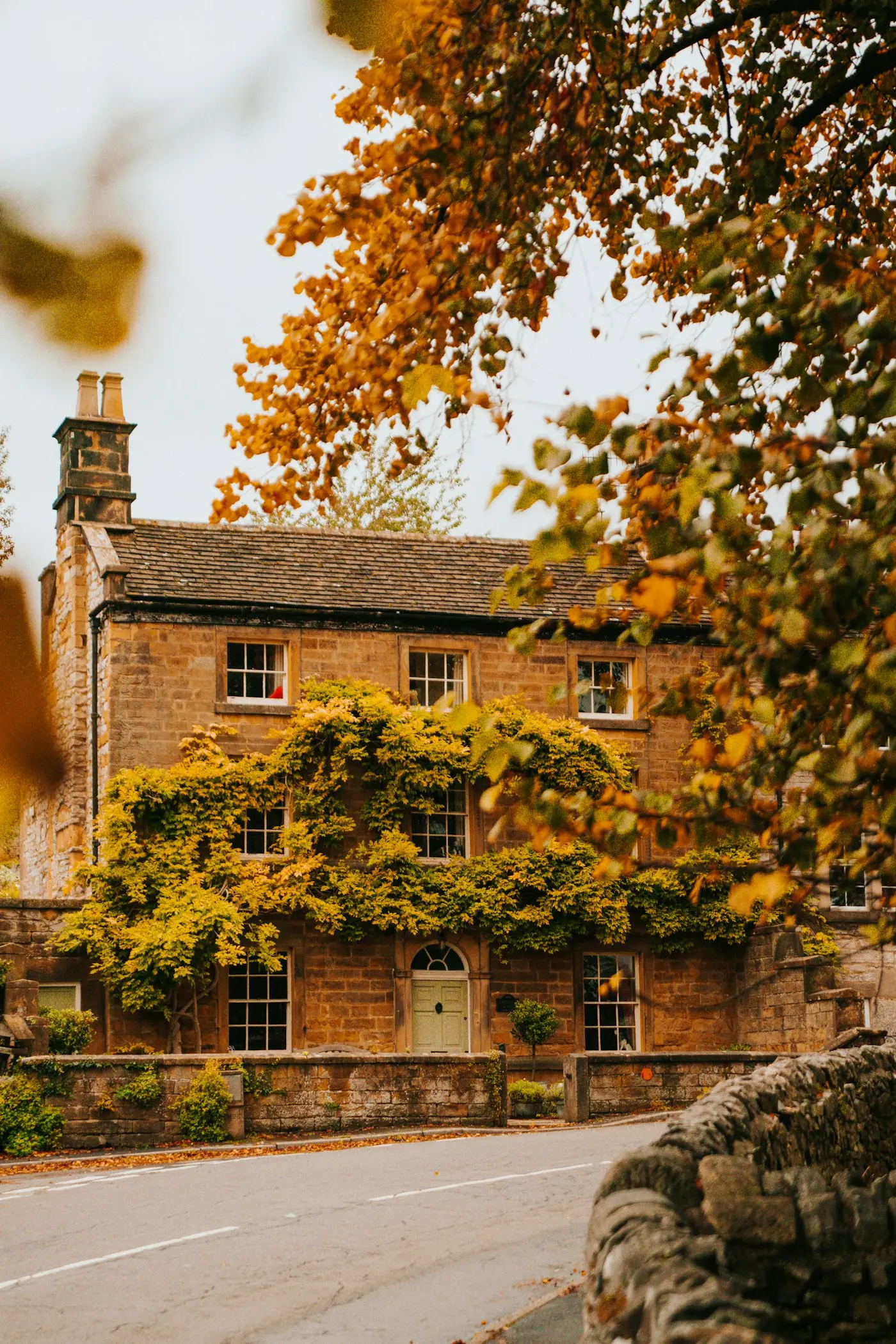
What garden design looks like in Loftus
Loftus sits in the TS13 postcode on the eastern edge of the North York Moors, where the moorland drops toward the East Cleveland coast between Saltburn and Whitby. The town grew rapidly through alum and ironstone mining from the seventeenth century onward, and the residential fabric reflects that history: terraced housing on hillside slopes, compact plots with varying aspects, and gardens that often need real thought before any planting begins.
The soil here is predominantly boulder clay deposited during the last glaciation. That clay is heavy, holds moisture well through autumn and winter, and can become genuinely waterlogged on poorly drained plots. On the coastal fringe closer to Skinningrove and the cliff edges, blown coastal sand mixes with the clay, producing a lighter, faster-draining soil that loses nutrients quickly. Your plot could fall anywhere on that spectrum depending on exactly where you are in the TS13 area, and the right design approach differs considerably between the two.
The coastal exposure adds another layer of complexity. East-facing slopes above Skinningrove and properties on the higher ground toward Boulby catch North Sea wind with little to stop it. Salt-laden air limits the palette of plants that will establish and thrive without shelter. A garden designer who knows the East Cleveland coast will factor that exposure in before choosing any planting.
Boulder clay soils and drainage
If your garden sits on the typical boulder clay found through most of Loftus, the main challenges are winter waterlogging and compaction. Clay soils compact easily when worked wet, and many Loftus plots on former terrace housing land have heavily compacted subsoil that restricts root development. Before any planting design is finalised, a good designer will assess whether the subsoil needs breaking up, whether a French drain or soakaway is worth installing, and whether raised beds or imported topsoil makes more sense than trying to work with what is there.
Clay soils do have strengths: they retain moisture well in summer, they hold nutrients better than sandy soils, and they support robust growth of roses, shrubs, and hardy perennials once the drainage is sorted. If your plot is on clay and you have good drainage, the design options open up considerably.
Coastal sand and exposed plots
On the coastal fringe, the lighter sandy soil is easier to work but needs more organic matter to retain moisture and fertility. Plants on exposed east-facing plots need to cope with salt wind, and a windbreak of resilient coastal shrubs on the seaward boundary makes everything else possible. Griselinia, escallonia, sea buckthorn, and rugosa roses are the usual first line of defence. Once you have shelter, the range of planting that works behind it increases dramatically.
Mining heritage plots and compact gardens
Many of the older properties in Loftus and the surrounding villages sit on compact terraced plots with difficult aspects. North-facing rear gardens on hillside terraces can be genuinely challenging for conventional planting. A designer who knows these plots will think about light management, raised structures to catch whatever sun is available, and low-maintenance planting that works on a compact scale without looking like a parking area. The goal is to make the space feel intentional rather than simply functional.
Cost ranges for Loftus garden design
| Service | Cost range |
|---|
| Initial design consultation | £150-400 |
| Planting plan only | £300-800 |
| Planting plan + implementation | £600-1,500 |
| Full design and project management | £800-3,000+ |
| Border replant (up to 10 sqm) | £150-400 |
| Full garden makeover (50-100 sqm) | £5,000-15,000+ |
Hard landscaping costs are additional. Paving, raised beds, boundary fencing, and drainage works are quoted separately. For compact terraced plots the drainage and hard landscaping element is often the most significant cost. Designers quote directly based on your site and brief. For more context on what drives the overall cost, see our garden design service page.
Start your free Loftus garden estimate
Tell us what you want from your garden and we put your enquiry in front of a local designer who quotes directly. No fees on your side.
Get a design estimate
The full local guide
Plants that work well in Loftus gardens
On clay soils, robust shrubs and hardy perennials perform better than tender species that resent sitting in wet ground. Roses, particularly shrub roses and rugosas, are well suited. Hardy geraniums, astilbes, hostas, and hemerocallis all cope with clay. For structure, forsythia, mock orange, weigela, and native hawthorn give reliable seasonal interest without demanding perfect drainage.
On sandier coastal plots, the key is choosing plants that tolerate both fast drainage and salt wind. Sea thrift (armeria), erigeron, ornamental grasses, lavender, and rugosa roses are the backbone of a coastal East Cleveland garden. Sea buckthorn is excellent for windbreak planting on exposed boundaries. Behind a good windbreak, the palette expands to include a wider range of Mediterranean-origin herbs, salvias, and drought-tolerant perennials.
For compact north-facing plots, ferns, hostas, astilbes, and hardy evergreen shrubs like viburnum tinus and sarcococca provide year-round interest without needing full sun. Climbing plants on walls and fences make use of vertical space that compact plots rarely exploit well. Hydrangeas perform well in partially shaded coastal gardens and give late-summer colour that few other shrubs match in difficult aspects.
Common design projects in Loftus
Drainage improvement combined with replanting is the most frequent request on the clay-dominant plots. Getting the ground right first matters more than the plant choice. A French drain or raised-bed system changes what is possible on a waterlogged plot more than any amount of careful planting selection.
Windbreak and shelter design for coastal-fringe properties is the second main category. Without shelter, the exposed plots above Skinningrove and toward Boulby are limited to the hardiest coastal species. A designed windbreak planting scheme on the seaward boundary creates a microclimate that allows genuine garden making behind it.
Compact terraced garden redesigns are common across the older housing stock. The focus is usually on making a restricted space feel intentional: a clear focal point, a seating area that makes use of the best aspect, simple structural planting that does not require high maintenance, and boundary treatment that gives privacy without dominating the space.
How to work with a Loftus garden designer
- Initial brief. Describe what you want: a planting refresh, a drainage fix, a full redesign, or help with a specific problem. The more specific you are at this stage, the more accurate the initial estimate.
- Site visit. The designer visits, assesses your soil type, drainage, aspect, existing planting, and any physical constraints. For compact plots this is usually a single session that covers everything.
- Proposal. You receive a design proposal with a planting plan, any hard landscaping specification, and a cost breakdown. For design-only work this is the deliverable.
- Implementation. If you want the designer to manage the build, they coordinate contractors, order plants, and schedule installation. Most planting is done in autumn or early spring.
- Aftercare advice. The designer advises on first-year establishment, especially important on clay soils where new planting is most vulnerable during the first wet winter.
Frequently asked questions
What soil type do Loftus gardens have?
Loftus sits on boulder clay left by glacial action, with blown coastal sand mixing in on the eastern fringe closest to the sea. The clay retains moisture well and can become waterlogged in winter. On sandier plots nearer Skinningrove and the coast, drainage is free but nutrients leach quickly. A designer will assess your specific plot and recommend a planting scheme and any drainage work needed before the design stage begins.
How much does garden design cost in Loftus?
An initial design consultation runs £150-400. A planting plan costs £300-800. Full design with project management is typically £800-3,000 depending on plot size and complexity. A complete garden makeover on a 50-100 sqm plot runs £5,000-15,000. Designers quote directly based on your site and brief.
Are Loftus gardens affected by coastal winds?
Yes, particularly on the exposed east-facing slopes above Skinningrove and toward Boulby. Salt-laden wind from the North Sea limits what will grow without shelter. Hardy coastal plants (sea thrift, erigeron, rugosa roses, escallonia, griselinia, tamarisk) cope well. Solid boundary fencing or dense hedge planting to windward makes a significant difference to what you can grow behind it. A local designer will assess your exposure and design accordingly.
What plants work well in Loftus gardens?
On clay soils: roses, hardy geraniums, astilbes, hostas, hemerocallis, and shrubs like forsythia and mock orange. On sandier coastal plots: sea buckthorn, rugosa roses, erigeron, sea thrift, lavender, and ornamental grasses all cope with the exposure and fast drainage. Shelter planting using griselinia, escallonia, or native hawthorn windbreaks allows more tender species behind.
Can you redesign a garden on a former mining estate plot in Loftus?
Yes. Many Loftus plots on former mining-era terraces are compact, north or east facing, and have compacted clay that benefits from deep cultivation before any planting. A designer will assess the slope, aspect, and soil condition, then plan accordingly. Raised beds, improved drainage, and low-maintenance structural planting are common solutions for these plots.
Areas around Loftus we also cover
We match homeowners with designers across the TS13 postcode and surrounding East Cleveland area including Skinningrove, Carlin How, Brotton, Staithes, Hinderwell, and Easington. For general garden maintenance, lawn care, and year-round gardening services in Loftus, visit our local gardeners in Loftus page.