Loftus is not a town that gets much attention in Yorkshire gardening circles, but it should. Perched on the East Cleveland Hills above the ironstone and alum mining valleys that shaped this corner of North Yorkshire, the town has a landscape and geology that makes gardening genuinely interesting and genuinely challenging in equal measure. The former alum workings at Boulby and the ironstone heritage at Skinningrove a mile or so down the coast are reminders that this is mineral-rich ground, and the soils here reflect that history in ways that have a direct bearing on what you can grow, what problems you will face, and what a good gardener needs to know before they put a spade in the ground at your property.
Soil and geology in TS13 - gritstone ridge and valley loam
The geology of the Loftus area is dominated by the Cleveland Hills gritstone and shale sequence, and this creates a markedly different soil profile depending on where exactly your property sits. On the ridge-top and upper slopes - the exposed western and northern aspects of the town - the soil is thin, acidic, and free-draining, sitting directly over the gritstone bedrock. This is classic moorland-edge soil: low in nutrients, low pH, and subject to drying out in summer and leaching heavily in the wet winters that East Cleveland delivers reliably. Heather, bilberry, and mat grass are the natural vegetation on this soil type, and growing conventional garden plants in it requires systematic management of pH and fertility.
In the valley bottoms and the more sheltered east-facing slopes toward the coast, the picture changes significantly. Here the soils are heavier loam - deeper, moister, and more nutrient-retentive - with a better structure for conventional gardening. If your property is in the lower parts of Loftus town or in the Skinningrove valley, your soil is likely in this better category. The difference in growing conditions between a ridge-top garden and a valley garden in TS13 can be as significant as the difference between two completely different parts of Yorkshire.
A gardener who understands this distinction - and who will tell you whether your soil needs lime to raise the pH on the acidic ridge soils, or whether your valley plot is at risk of compaction on the heavier loam - is worth considerably more than one who arrives with a standard set of tools and a one-size-fits-all approach. Ask specifically about experience with East Cleveland soils before you commit to anyone for regular work. The clay soil gardening guide covers the heavier valley soils, and the drainage guide is relevant for both soil types in this part of the county.
Wind exposure - the defining challenge of Loftus gardens
East Cleveland gets weather. The North Sea is close, the Cleveland Hills channel and funnel air movement, and Loftus sits directly in the path of the easterly and north-easterly airflows that drive some of the harshest growing conditions in Yorkshire. If you have not yet tried growing tall or tender plants in an exposed TS13 garden, you will discover quickly that wind is often the limiting factor, not soil or rainfall or temperature.
The practical consequences for your garden are significant. Structural plants that work well in more sheltered parts of Yorkshire - large ornamental grasses, tall perennials, standard roses - will either need very robust staking or will not thrive at all on exposed TS13 plots. Hedging that might reach two metres in three seasons in the Vale of York will take six or seven seasons in an exposed Loftus garden. Even established shrubs can rock and loosen in their rootballs in severe easterly gales, and any planting on the windward side of a property needs checking each spring for damage.
What this means for maintenance is that spring assessments of wind damage - checking stakes, firming loosened plants, assessing the impact of winter gales on hedge shape - are a real part of the annual garden calendar in TS13. A gardener who covers this area regularly will know this and will include it in their spring visit without needing prompting. The garden maintenance service page covers what a spring-start assessment should include.
Alum and ironstone heritage - what it means for your soil
The alum shale workings that operated along this coast from the seventeenth century to the nineteenth century, and the ironstone mines that followed them, left a legacy in the local soil chemistry that is worth being aware of. In properties close to former working areas, soil pH can be unusually variable and trace element levels can be atypical. If your lawn or borders show unexplained yellowing, die-back patches, or unusually poor establishment of new plants despite reasonable maintenance, it is worth getting a basic soil test done before adding more fertiliser. In this part of East Cleveland, the problem is sometimes the soil chemistry rather than the care regime.
What gets booked in Loftus gardens
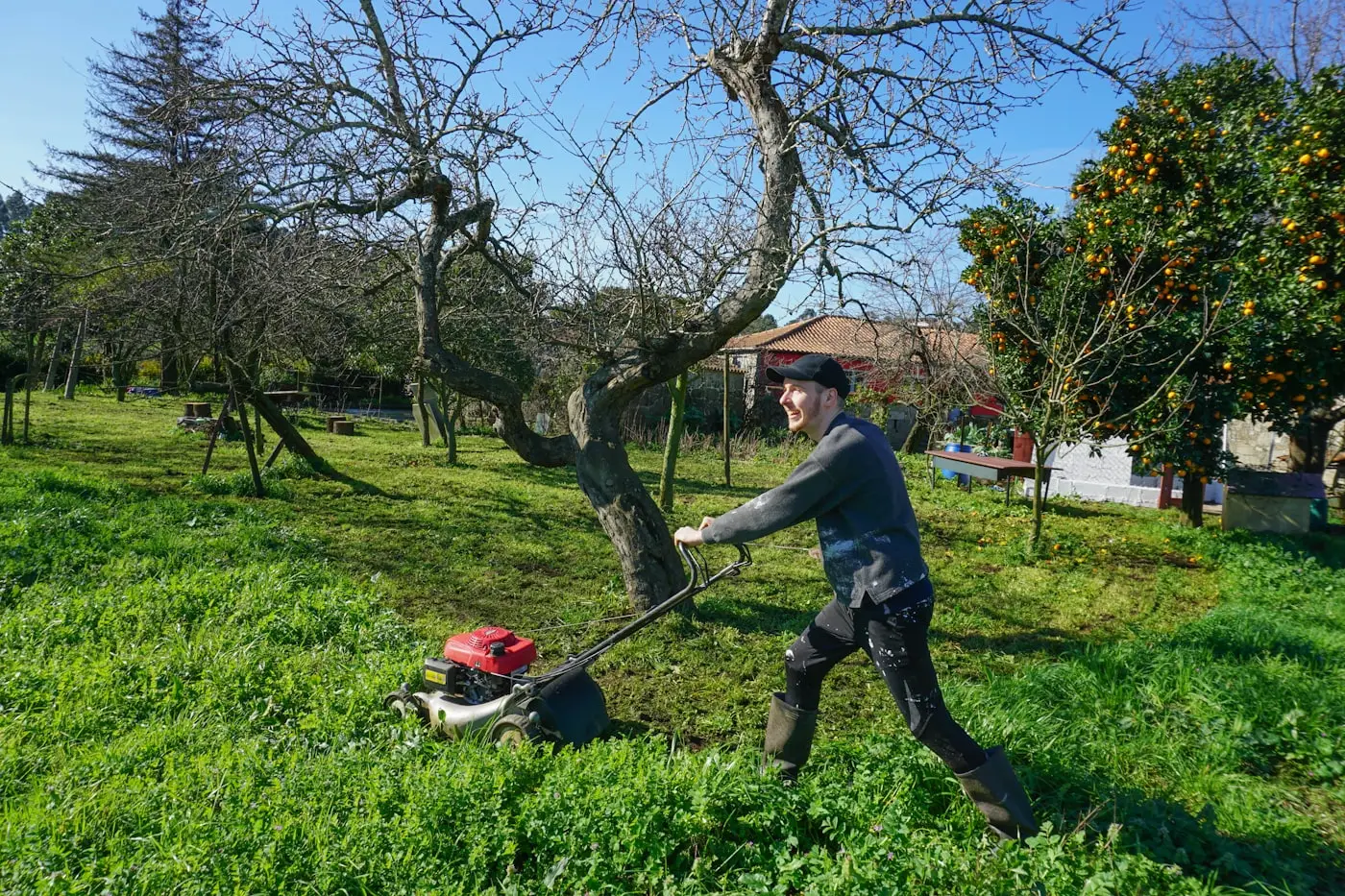
The most consistently booked work in TS13 reflects the practical nature of the gardens and the challenging conditions. Regular lawn maintenance is the foundation - the valley-bottom loam grows grass well, and even the thinner ridge soils produce a serviceable lawn if managed correctly. Keeping the grass at the right height through the growing season is important on the thinner soils in particular: cutting too short on acidic gritstone-based soil stresses the grass more than it would on deeper loam, and recovery from scalping takes longer.
Hedge and boundary management is a substantial part of the Loftus workload. The wind exposure means most properties need solid boundary shelter, and whoever installs that shelter - hawthorn, blackthorn, beech, or in many cases more pragmatic mixed native hedges - needs regular management to keep it effective. An overgrown or poorly cut windbreak hedge loses its sheltering function and becomes more vulnerable to wind damage itself. The hedge trimming service covers what professional work on a shelterbelts and boundary hedge involves, and the cost guide gives realistic TS13 pricing.
Garden clearances come up regularly in Loftus. The town's former industrial character means a significant proportion of its housing stock is Victorian and Edwardian - older properties where established growth has accumulated, gardens have been left unmanaged, and clearance requires real physical work before any maintenance regime can begin. The clearance service covers what a professional job includes, and the cost guide gives realistic figures for TS13.
Weed control is popular across TS13 for paths, drives, and boundary areas. The combination of the acidic soils that many weed species love and the physical difficulty of manual weeding on steep or exposed plots makes chemical or preventive treatment a practical choice for many Loftus households. A well-timed spring application to driveways and paths makes a significant difference for the whole season.
What it costs to hire a gardener in Loftus
Loftus sits at the higher end of the East Cleveland rate range. The additional travel time from larger centres, the specialist knowledge required for TS13's distinct soil conditions and exposure, and the physical demands of some of the more challenging garden situations here all contribute to rates that are above what you would pay in more accessible North Yorkshire towns. The UK cost guide gives the national frame; the table below is specific to Loftus in 2026.
| Job type | Typical cost range, Loftus TS13 2026 |
|---|---|
| Hourly rate (regular maintenance) | £28-£42/hr |
| Fortnightly maintenance visit (standard garden) | £42-£70 per visit |
| Day rate (7-8 hrs) | £165-£230 |
| One-off lawn cut | £34-£60 |
| Hedge trimming (native shelter hedges) | £60-£180 per visit |
| Garden clearance | £180-£650+ depending on scale |
| Weed control (paths and drives) | £40-£100 per treatment |
| Spring tidy (one-off) | £100-£300 |
| Soil pH testing and lime treatment | £40-£120 depending on area |
For broader context on what gardeners charge across the region, the gardener hourly rate guide puts TS13 rates in their regional frame. Note that gardeners who travel from Guisborough or Middlesbrough to reach Loftus will sometimes factor travel time into day rates for larger projects - it is worth confirming this when you get an initial quote.
Seasonal calendar for Loftus gardens
East Cleveland's growing season starts later than the Vale of York and ends later than the Dales due to the coastal influence moderating autumn temperatures. The North Sea keeps summers cooler than inland but winters less severe - a trade-off that shapes the whole garden year:
- March-April: Assess winter wind damage - check stakes, firm loosened plants, examine shelter hedges for gaps. First mowing on valley loam soils once temperatures allow. Ridge soils are slow to warm; patience required.
- May: Growth accelerates. Fortnightly maintenance underway. Planting once frost risk has passed - sometimes not until late May on exposed TS13 plots. Check soil pH if new planting planned on ridge-top gardens.
- June-August: Peak season. Native hedge cutting from late May or June. Weed control second application in July if paths and drives have re-seeded. Coastal moderation keeps temperature peaks lower than inland.
- September-October: Autumn tidy. Leaf clearance. Overseeding bare patches before cold sets in. Plant lifting and dividing while soil retains warmth.
- November-January: Winter management limited by conditions. Structural hedge work and tree surgery possible in frost-free spells. Planning spring planting - allow extra lead time for soil amendment on ridge plots.
How to find a gardener in Loftus
Word of mouth in the Loftus community is the most reliable starting point. The town is close-knit in the way that former mining communities often are, and a gardener who is known and trusted by several households on the same street is a much safer bet than an unknown name from a national directory. The Loftus and East Cleveland community Facebook groups are a good step if word of mouth does not immediately produce a name.
Be realistic about the search. Gardeners with the specific knowledge of TS13 soils and exposure conditions are a smaller group than those covering more accessible North Yorkshire towns, and the most competent ones tend to be consistently busy. A introduction service that pre-vets gardeners for local knowledge and can confirm coverage of your specific postcode is often the most reliable route for an area like Loftus.
Before committing, confirm public liability insurance documentation, ask about experience specifically with acidic or mineral-affected soils if your property is on the Cleveland Hills ridge, and for any clearance work confirm waste removal and disposal arrangements in detail. For the broader North Yorkshire context, the North Yorkshire gardeners guide covers the range of areas served.
Frequently Asked Questions
What garden jobs are typical for Loftus properties?
Lawn maintenance on the valley loam soils, hedge and boundary management for wind shelter, clearances of older Victorian and Edwardian properties, and weed control on paths and drives are the most common work. The soil and exposure conditions in TS13 require local knowledge - the difference between ridge-top acidic gritstone soils and valley-bottom loam gardens is significant. The garden maintenance service page covers what an ongoing contract includes.
What do gardeners charge in Loftus?
Expect £28-£42 per hour for regular maintenance, with fortnightly visits running £42-£70 per visit. Day rates are £175-£300. Loftus sits at the higher end of the East Cleveland range due to travel distance and the specialist demands of TS13 conditions. The UK gardener cost guide gives the full national comparison.
Is it easy to find a local gardener in Loftus?
More limited than in more central North Yorkshire towns. Word of mouth in the community and a reliable local introduction service are the most effective routes. When you find a gardener who covers TS13 well, maintaining a regular relationship is worthwhile.
When should I book a gardener in Loftus?
For regular maintenance from April, contact in February or early March. The East Cleveland season starts slightly later than lower-lying Yorkshire. Spring clearances: book March for April-May delivery. Given limited local supply, booking early is particularly important in TS13.
Related reading
- Gardeners across North Yorkshire
- How much does a gardener cost in the UK? (2026)
- Yorkshire lawn care guide
- Clay soil gardening in Yorkshire
- Garden drainage in Yorkshire
- Garden clearance cost guide
- Hedge trimming cost guide
Gardeners in nearby areas
We cover Loftus and the surrounding TS13 East Cleveland area:
Get a quote for your Loftus garden.
60-second assessment. If a local TS13 gardener takes your enquiry, they call you with a price for your specific garden and job.
Start the assessment