A self-employed gardener in the UK typically charges £25-35 per hour in 2026, with rates ranging from £25-50/hr depending on location, experience, and job type. Yorkshire and the North sit at £25-35 per hour; London and the South East average £38-55 per hour. Specialist gardeners with qualifications or those working at height command more than a standard maintenance sole trader.
A self-employed gardener typically charges £25-50 per hour in the UK, depending on location, experience, and task complexity. In Yorkshire and the North, rates are £25-35/hr. In Yorkshire and the North, expect £25-30/hr for routine maintenance; specialist gardeners or those with qualifications charge up to £35-45/hr. Employed gardeners earn £14-22/hr (£24,000-£36,000/yr). Gardener setting your rate? £25-30/hr is the competitive starting point in Yorkshire; £28-35/hr in the Midlands and South. See the rate-setting framework below.
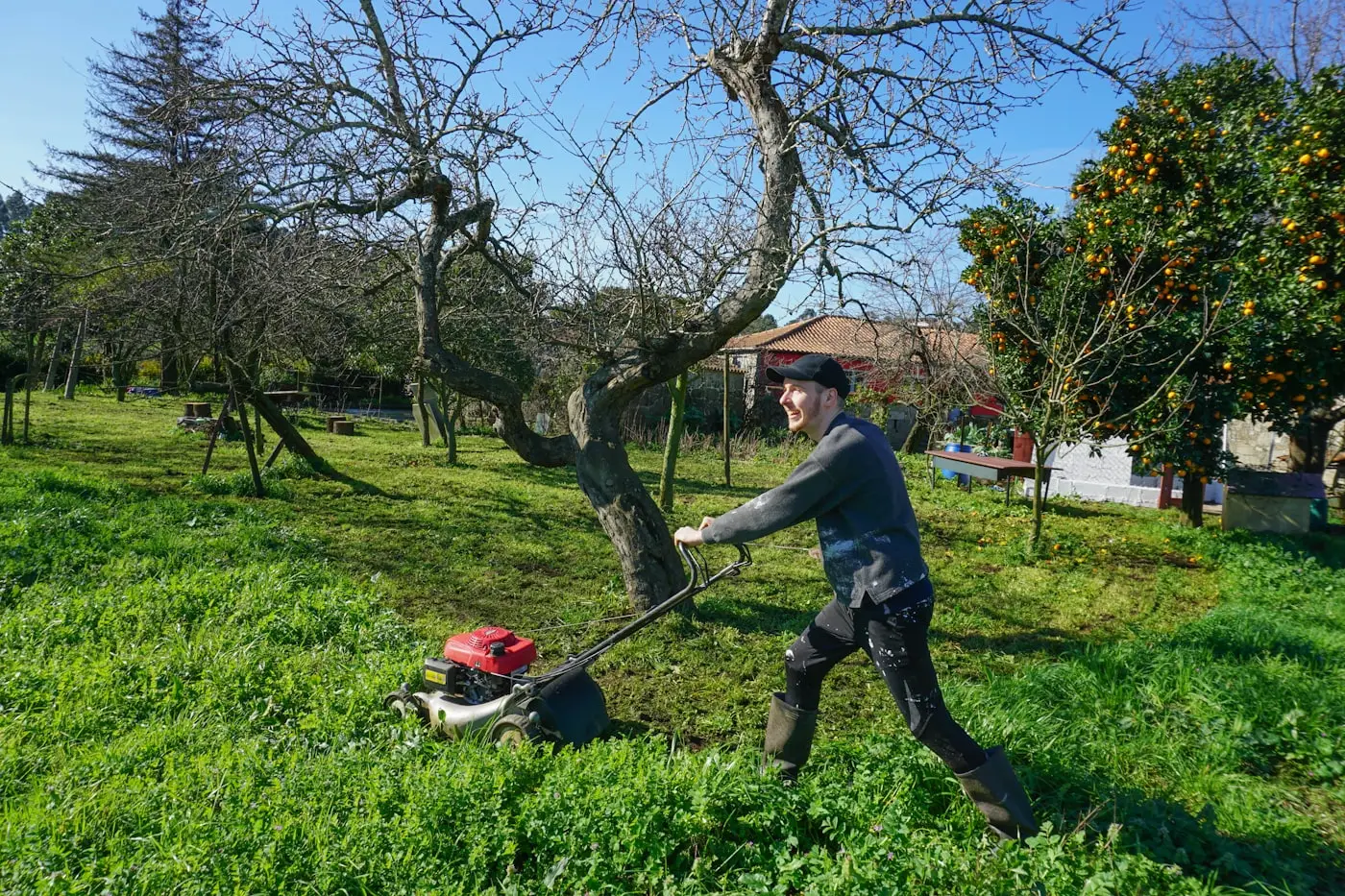
Self-Employed Gardener Hourly Rate UK
Self-employed gardeners in the UK charge £25-50/hr in 2026, typically around 30% less than a landscaping company for the same work. In Yorkshire, most sole-trader gardeners work in the £25-35/hr range - comparable to the lower end of what a landscaping company charges but without the call-out minimums that larger firms often apply.
The reason self-employed gardeners cost less is structural. A sole trader has no employer National Insurance on staff wages, no fleet leasing costs, and no management layer to fund. Those savings pass directly to you as the customer. A gardening company carrying two operatives and a branded van needs to bill at £35-55/hr just to cover overheads; a self-employed gardener with a van and their own tools can do the same garden maintenance at £28-35/hr and still earn a reasonable living.
In practical terms, a self-employed gardener is a sole trader running their own small business. They may take on work directly, through platforms like Bark or Checkatrade, or via local referrals. They set their own rates, carry their own insurance, and manage their own schedule. For day-rate jobs or regular maintenance visits where you want one familiar person who knows your garden, a self-employed sole trader is almost always better value than booking through a gardening company.
When self-employed is the right choice: regular maintenance visits, smaller jobs where a company minimum charge would be disproportionate, and cost-sensitive situations where the 30% saving versus a company matters. When a company may be a better fit: large clearance or landscaping jobs requiring two or more operatives, or situations where you need guaranteed cover if someone is ill. For most Yorkshire homeowners booking a regular gardener, a self-employed sole trader is the right starting point.

Self-Employed Gardener Rates by Job Type
| Job type | Self-employed rate (2026) | Notes |
|---|---|---|
| Regular lawn mowing (1 person) | £25-35/hr | Most sole traders apply a 2-hour minimum |
| Garden clearance | £25-35/hr + skip | Waste removal charged separately; skip £80-£200 |
| Hedge trimming | £25-35/hr | At-height work carries a premium of £35-50/hr |
| Specialist/RHS-qualified | £35-50/hr | Planting design, disease treatment, formal topiary |
| Job type | Typical range (2026) | Notes |
|---|---|---|
| Lawn mowing (standard) | £25-£35/hr | Minimum 1-2 hr charge usually applies |
| Hedge trimming (ground level) | £28-£40/hr | Often priced per job rather than hourly |
| Hedge trimming (at height) | £35-£50/hr | Ladder or platform work carries a premium |
| Weeding and border care | £25-£35/hr | Rate rises for long-neglected borders |
| Garden clearance | £28-£40/hr | Waste removal charged separately |
| Lawn renovation / scarification | £30-£45/hr | Specialist equipment cost typically included |
| Regular fortnightly maintenance | £25-£35/hr | 10-20% below one-off rates in most cases |
| Garden design consultation | £40-£65/hr | Qualified horticulturist rates |
| Full day rate (any work) | £175-£300/day | Yorkshire; national range £175-£350/day |
| Gardener type | Yorkshire rate | London rate | UK average |
|---|---|---|---|
| Self-employed sole trader | £25-£35/hr | £35-£50/hr | £28-£42/hr |
| Garden company / team | £35-£55/hr | £50-£70/hr | £40-£65/hr |
| App / platform gardener | £25-£35/hr | £40-£60/hr | £30-£50/hr |
How much do gardeners charge per hour? Most gardeners in the UK charge £25-50 per hour in 2026. In Yorkshire, self-employed gardeners typically charge £25-35/hr; larger gardening companies charge £35-55/hr. The national average for an experienced, insured sole trader doing routine maintenance is around £30-35/hr. For a town-by-town Yorkshire breakdown, see the Yorkshire gardener cost guide.
| Gardener type | Yorkshire | London | UK national |
|---|---|---|---|
| Self-employed sole trader | £25-35/hr | £38-55/hr | £28-42/hr |
| Gardening company | £35-55/hr | £50-70/hr | £40-65/hr |
| Full day rate | £175-300/day | £250-380/day | £175-350/day |
Written by the Yorkshire Lawn and Garden team · Last reviewed October 2026
Our price figures draw on Yorkshire aggregator data (Bark, Checkatrade, Hamuch), operator websites across the North, and direct conversations with gardeners and homeowners across Yorkshire.
What Is the Hourly Rate for a Gardener in the UK?
The typical hourly rate for a gardener in the UK is £25-50 per hour, depending on experience, region, and the type of work. Most self-employed gardeners doing standard residential maintenance charge £25-35/hr. Yorkshire and the North sit at £25-35/hr. The Midlands average £26-40/hr. The South East outside London runs £32-48/hr. London averages £38-55/hr. Specialist gardeners, including qualified horticulturists, arborists, and topiary specialists, charge £45-75/hr nationally. For standard work covering mowing, weeding, and hedge trimming, expect to pay £25-35/hr in Yorkshire or £30-45/hr nationally.
What is the average gardener hourly rate in the UK in 2026?
The average gardener hourly rate in the UK is £25-50/hr, with most self-employed gardeners in Yorkshire charging £25-35/hr and London rates reaching £40-50/hr. The national average for an experienced, insured sole trader doing standard residential maintenance sits at £30-35/hr.
That figure covers the everyday jobs most homeowners need: lawn mowing, weeding, border care, light pruning, and general tidying. It does not cover specialist tasks, which carry their own rate premium, and it does not cover London, where rates are materially higher than elsewhere in England.
The table below shows how the rate splits by gardener type. The "experienced sole trader" row is where the vast majority of residential quotes land.
| Gardener type | Yorkshire hourly rate | UK national hourly rate |
|---|---|---|
| Handyperson / general gardener | £25-£28/hr | £25-£35/hr |
| Experienced sole trader | £25-£35/hr | £28-£42/hr |
| Qualified horticulturist | £35-£48/hr | £38-£55/hr |
| Landscape gardener | £30-£45/hr | £35-£55/hr |
| Specialist (topiary, tree surgery) | £45-£65/hr | £50-£80/hr |
The spread is wide because "gardener" covers a huge range of operators. A general handyperson who mows lawns and pulls weeds is a fundamentally different proposition from a qualified horticulturist managing a complex planting scheme or carrying out pest and disease treatment. For most households, the experienced sole trader row is the correct benchmark.
Rates have risen around 5-8% since 2024, driven by fuel costs, the increase in the National Living Wage, and continued strong demand for reliable local garden services. Most established gardeners hold their rates steady for existing regular clients and adjust at the start of a new season.
How much do gardeners charge per hour in Yorkshire?
In Yorkshire in 2026, most gardeners charge £25-£35/hr for standard residential maintenance. That is the realistic range for a reliable, insured sole trader doing mowing, weeding, hedges, and borders.
Solo traders with lower overheads - no van, no employed labourers, minimal kit - often sit at £25-£28/hr. Established professionals with strong review profiles, full public liability insurance, and a busy round sit at £30-£35/hr. Specialist work commands more, and there is meaningful sub-regional variation within Yorkshire itself.
- Leeds and Bradford: £28-£35/hr. Urban demand, competition from multiple gardening businesses, slightly higher wage expectations. City-centre gardens often attract a modest premium for parking and access time.
- Sheffield and Rotherham: £27-£34/hr. Strong supply of sole traders keeps prices competitive.
- Harrogate and Knaresborough: £28-£36/hr. Higher-income demographic, larger gardens, gardeners can command a modest premium. See the Harrogate gardener page for local rates.
- York and surrounding villages: £27-£35/hr. Solid urban and rural demand mix.
- Rural North Yorkshire (Dales, Moors): £25-£32/hr plus a travel surcharge of £10-£25 for remote locations.
- East Yorkshire (Hull, Beverley, Driffield): £25-£32/hr. Lower end of the Yorkshire range.
- South Yorkshire (Barnsley, Doncaster): £25-£32/hr. Competitive pricing, good value for standard work.
If you are in Leeds and receiving quotes consistently above £40/hr for standard maintenance, ask for a justification. That sits above the Yorkshire ceiling for routine work and normally indicates specialist labour or a premium operator who prices to a different market.
How much do self-employed gardeners charge per hour in the UK?
Self-employed gardeners typically charge £25-35/hr in Yorkshire (£35-50/hr in London) - 30% cheaper than landscaping companies for comparable work. A self-employed sole trader has lower overheads than a company: no employer NI on staff wages, no fleet costs, no management layer. That saving generally passes directly to the customer. The trade-off is that a sole trader works alone, so for large jobs requiring two people a company team may be faster despite the higher rate.
The table below shows hourly rates by job type for self-employed gardeners in Yorkshire (2026). These are the realistic ranges for a competent, insured sole trader.
| Job type | Self-employed Yorkshire rate | UK national rate |
|---|---|---|
| Basic lawn and border maintenance | £25-£35/hr | £28-£42/hr |
| Hedge trimming (ground level) | £28-£40/hr | £30-£45/hr |
| Overgrown clearance | £28-£40/hr | £30-£50/hr |
| Lawn renovation / scarification | £30-£45/hr | £35-£55/hr |
| Garden design consultation | £40-£65/hr | £40-£80/hr |
| Landscaping company (2-person team) | £35-£55/hr (team) | £40-£70/hr (team) |
What is the self-employed gardener hourly rate in the UK?
A self-employed gardener typically charges £25-£50/hr in the UK in 2026, with most routine maintenance at £25-£35/hr. Yorkshire rates run £25-£35/hr; London and the South East sit at £35-£50/hr.
The self-employed gardener hourly rate in the UK in 2026 is £25-50/hr for standard residential maintenance. In Yorkshire, the going rate for a reliable, insured sole trader is £25-35/hr. In London and the South East, self-employed gardeners typically charge £35-50/hr.
Self-employed gardeners work alone or as micro-operators without an employed team. That structure keeps their costs lower than garden companies - no employer National Insurance on staff wages, no fleet leasing, no management overhead. In practice, that saving passes directly to you as the customer: expect to pay around 30% less than you would for a comparable company.
The floor matters too. A self-employed gardener quoting below £25/hr in 2026 almost certainly does not carry public liability insurance. The economics of a legitimate sole-trader operation - fuel, tool depreciation, van insurance, PL cover, accountancy, NI contributions - require at least £25-28/hr to break even. If a quote looks unusually low, ask to see their insurance certificate before booking.
What is the recommended hourly rate for gardeners in 2026?
Industry guidance suggests a base rate of £25-35/hr for qualified self-employed gardeners in 2026. This is designed to cover the real costs of a legitimate sole-trader operation: public liability insurance, tool replacement, van running costs, National Insurance contributions, and a working margin. A gardener quoting significantly below this for ongoing work is almost certainly uninsured or using informal disposal for green waste.
For context: the industry-standard floor of £25/hr is not "cheap" - it reflects genuine trade costs. A local self-employed gardener at £25/hr can be excellent value, provided they carry public liability insurance and have good references. Below £25/hr, those safeguards are unlikely to be in place.
What does a gardener's hourly rate include?
A lot of homeowners assume the hourly rate is pure labour time. In practice, it covers more than that - and understanding what is and is not included in the rate helps you compare quotes accurately.
A standard hourly rate from a sole-trader gardener typically includes: their labour time on site, use of their own hand tools, a basic mower and hedge trimmer, and any minor consumables like string line or blade sharpening. It does not automatically include waste removal, specialist machinery hire, or materials like compost or plants.
- Included in the rate: labour, standard hand tools, a petrol or battery mower, a hedge trimmer, minor consumables.
- Usually charged separately: green waste removal (typically £30-£80 depending on volume), specialist kit hire (scarifier, hollow-tine aerator), soil improvers, plants and bulbs, skip hire for heavy clearances.
- Ask explicitly about: VAT (most sole traders are not registered, but larger companies may be), minimum call-out charges (typically 2-3 hours), and whether travel time is included for locations outside their usual round.
The cleanest way to check any quote is to divide the total price by a realistic time estimate for the job. If the implied hourly rate sits within the benchmarks in this guide, the quote is almost certainly fair. If it is significantly above or below, you have the information to ask the right question before agreeing.
For regular garden maintenance visits, the effective hourly rate is usually lower than for one-off jobs. The gardener is more efficient on a familiar plot, and the booking requires less administration. Regular clients typically pay 10-20% less per hour once a relationship is established - the gardener trades a small margin for schedule certainty. Both sides benefit.
When should I pay a day rate vs hourly rate?
A day rate makes sense for large projects or whole-garden days; an hourly rate is better for small, clearly-defined tasks under two hours. Hourly billing works well for small, defined tasks where scope is clear. For anything larger, a day rate almost always serves both parties better.
The problem with hourly billing on big jobs is that scope shifts. A clearance that looks like three hours can easily become five once you are into it. With an hourly rate, the homeowner carries that risk. A day rate gives you a ceiling: the gardener works until the job is done or the day is up, and you know the cost before they arrive.
The table below shows where the line sits in practice:
| Scenario | Better approach | Typical cost (Yorkshire 2026) | Typical cost (UK national) |
|---|---|---|---|
| Small tidy-up, 1-2 hrs | Hourly rate | £25-£70 | £28-£90 |
| Single hedge trim, defined scope | Fixed price or hourly | £35-£90 | £40-£120 |
| Full garden blitz, 4+ hrs | Day rate | £175-£300/day | £175-£350/day |
| Garden clearance (light) | Fixed price or day rate | £180-£350 | £200-£450 |
| Garden clearance (heavy, brambles) | Day rate or two-day quote | £300-£500+ | £350-£700+ |
| Boundary hedge reduction (whole property) | Day rate | £180-£250/day | £200-£280/day |
| Regular fortnightly maintenance | Per-visit fixed rate | £35-£80/visit | £40-£100/visit |
For a full breakdown of day rate pricing and when it applies, see our gardener day rate UK guide.
What Do Gardeners Charge Per Day?
A gardener charges £175-300 per day in Yorkshire in 2026 for a full working day of around 7 hours. Nationally, day rates run £175-350. London and the South East average £250-380 per day. Self-employed gardeners calculate their day rate from the same implied hourly rate as their standard charge: a sole trader at £25-35/hr earns £175-245 gross for a 7-hour day before expenses.
A day rate suits any job that fills most of a working day: garden clearances, boundary hedge reductions, or a seasonal overhaul covering mowing, weeding, hedge trimming, and borders in a single visit. The main advantage is cost certainty - you agree the price before the gardener arrives and the total does not move regardless of how the work develops. Waste removal and materials are charged separately whether you are on a day rate or an hourly rate.
For smaller defined jobs under two hours, an hourly rate or fixed per-job price is more straightforward. For larger open-ended work, the day rate protects both sides: you get a cost ceiling, and the gardener has a guaranteed day's income. In Yorkshire, most self-employed sole traders will quote a day rate for any job expected to take more than half a day - typically £175-300 depending on the work involved.
How many hours does a typical gardening visit take?
Understanding time on site matters as much as the hourly rate itself, because most quotes are fixed-price versions of an hourly calculation. Knowing typical durations lets you sense-check any quote in seconds.
Visit lengths vary enormously by garden size and task, but these are the realistic ranges for Yorkshire residential gardens in 2026:
- Small garden lawn cut and edge (under 30 sqm): 30-60 minutes. Implied cost at £30/hr: £15-£30. Most gardeners apply a minimum charge of 1-2 hours, so expect £25-£50 as the floor for a visit.
- Medium garden lawn cut (30-80 sqm) with edges and tidy: 60-90 minutes. Implied cost: £30-£50.
- Large garden lawn cut (80-150 sqm) with edges, borders, and blow: 2-3 hours. Implied cost: £60-£90.
- Standard front and back hedge trim (two hedges, 3-4m long, under 2m high): 90 minutes to 2.5 hours including tidy-up. Implied cost: £40-£90.
- Weeding (medium border): 1-2 hours. Highly variable depending on how long since the last session.
- Full maintenance visit (mow, edges, weed, blow, tidy): 2-4 hours depending on garden size. Implied cost: £60-£140.
For hedge trimming specifically, the time equation changes if the hedges are tall, dense, or require a ladder. Working at height is slower per linear metre and carries an insurance risk premium. Budget 30-50% more time than for the same length of ground-level hedge. For a full breakdown of what hedge work costs per job rather than per hour, see our hedge trimming cost guide, or our Yorkshire hedge trimming costs guide for per-job pricing by species and height across Yorkshire.
Gardener Rates: What Affects the Price?
Six factors account for almost all of the variation you will see in quotes. Understanding them helps you evaluate whether a rate premium is justified or whether you are being overcharged.
Location is the biggest single driver. Yorkshire runs £25-£35/hr; London runs £38-£55/hr. The same job costs materially more in Surrey than in South Yorkshire - not because the skill is different but because local wages, cost of living, and what the market will bear differ enormously. The table in the next section shows the full regional picture.
Experience and qualifications. A gardener with an RHS Level 2 or Level 3 qualification, a City and Guilds certificate, or a PA1/PA6 pesticide licence has invested significantly in their training. For specialist work - planting design, disease treatment, or formal topiary - those qualifications directly affect quality. For general maintenance, they support a modest rate premium but should not double the price.
Job type. Tasks that require specialist equipment, working at height, or a higher risk of getting something wrong are charged at a higher rate per hour. Topiary, hedge reduction at height, lawn renovation, and scarification all command more per hour than routine mowing or weeding. That is legitimate: the gardener bears more risk, more skill, and more equipment cost on those jobs.
Regularity. One-off visitors almost always pay more per hour than regular clients. A gardener who visits your garden fortnightly knows the plot, has efficient systems for it, and carries no risk of an unknown first-visit assessment. That efficiency passes partly to you as a lower effective rate. If you are considering a one-off quote versus a maintenance contract, factor this in.
Equipment requirements. A gardener arriving with a ride-on mower, a powered hedge cutter, a professional scarifier, or a trailer for waste removal has significant capital sitting behind their rate. Equipment depreciation, fuel, maintenance, and storage costs are all real. A higher-than-average rate from a well-equipped operator is often better value than a lower rate from one with minimal kit who will take twice as long.
Insurance and overheads. Public liability insurance, tool cover, van insurance, and accountancy costs add £3-£6/hr to a sole trader's floor. A gardener pricing below £25/hr in 2026 almost certainly lacks one or more of these. The extra cost buys you protection if something goes wrong - a broken window, a damaged fence panel, a dispute about an incorrect cut. It is not a premium; it is a baseline you should require before booking.
How do UK gardener hourly rates compare by region?
Region is the most predictable factor in pricing. The table below uses defensible 2026 ranges based on market conditions in each region. These apply to an experienced, insured sole trader doing standard residential maintenance.
| Region | Typical hourly rate (2026) | Notes |
|---|---|---|
| Yorkshire and Humber | £25-£35/hr | Below national average. Strong competition, high volume of sole traders. |
| North West (Manchester, Liverpool) | £25-£38/hr | Similar to Yorkshire. City centres and affluent suburbs trend higher. |
| North East (Newcastle, Durham) | £25-£32/hr | Among the lowest in England. Rural areas at the lower end. |
| East Midlands | £26-£38/hr | Leicester and Nottingham push toward £38. Rural Lincolnshire lower. |
| West Midlands (Birmingham) | £28-£40/hr | City premium. Suburban areas closer to £28-£34. |
| East of England | £28-£42/hr | Norfolk and Suffolk lower; Cambridge and commuter belt higher. |
| South West | £28-£42/hr | Coastal and rural areas variable. Bristol toward £40-£45. |
| South East (commuter belt) | £32-£48/hr | Surrey, Kent, Hertfordshire at the higher end. |
| Greater London | £38-£55/hr | High demand, parking charges, travel time. Central London often £50+. |
| Scotland | £25-£35/hr | Edinburgh and Glasgow toward the upper end. Rural Highlands lower, with travel premiums. |
| Wales | £25-£34/hr | Cardiff and Newport higher. Rural mid-Wales at the lower end. |
London rates are typically 50-70% above Yorkshire for identical work. The gap is not a reflection of skill difference - it reflects parking, travel costs, higher living costs for the gardener, and a market that has historically accepted higher pricing. If a gardener based in a commuter belt area is quoting you Yorkshire rates, they are either new to the market or discounting heavily to build a round. Both are worth noting.
Is the hourly rate negotiable for regular gardening?
Yes - and most professional gardeners expect the conversation for regular work. A one-off visitor is an administrative burden: quote, travel, set up, pack down, invoice. A regular fortnightly client is the opposite: predictable revenue, an efficient known garden, no repeat sales effort. The gardener's incentive to offer a better per-hour rate for regular work is genuine.
In practice, the discount for regular clients in Yorkshire runs 10-20% per hour versus one-off rates. On a garden that takes 2 hours to maintain fortnightly, that can be the difference between £70 and £60 per visit - modest per visit, but £260 per year over the season.
How to approach the conversation: once you have received a one-off quote you are happy with, ask what the rate would be for fortnightly or monthly visits. Most gardeners will offer a reduced per-visit price in exchange for a commitment to a regular schedule through the season (typically April to October). You do not need a formal contract - a verbal agreement on frequency and a standing booking is usually enough for sole traders.
For a broader view of everything garden work costs in 2026, see our UK gardener cost guide.
Quick rate check
Divide any fixed-price quote by a realistic time estimate for the job. If the implied hourly rate sits within the benchmarks for your region - £25-£35/hr in Yorkshire - the quote is almost certainly fair. Below £25/hr: ask whether they carry public liability insurance. Above £45/hr for routine maintenance: ask what specialist qualification or equipment justifies it.
Get a quote for your garden.
60-second assessment. If a local gardener takes your enquiry, they call you with a price for your specific garden and job.
Start the assessment
Typical Gardener Rates per Hour
Typical gardener rates per hour in the UK range from £25/hr for a general handyperson to £75/hr for a topiary specialist or qualified arborist. For standard residential maintenance - mowing, weeding, hedge trimming, border care - the typical rate sits at £25-35/hr in Yorkshire and the North, rising to £38-55/hr in London.
- Handyperson or entry-level gardener: £25-28/hr nationally; £25-27/hr in Yorkshire
- Experienced self-employed sole trader (standard maintenance): £25-35/hr in Yorkshire; £28-42/hr nationally
- Work at height or specialist equipment (scarification, lawn renovation): £35-45/hr in Yorkshire; £38-55/hr nationally
- Qualified horticulturist or landscape gardener: £35-55/hr in Yorkshire; £40-70/hr nationally
- Garden company or multi-person team: £35-55/hr in Yorkshire; £40-70/hr nationally
For most homeowners in Yorkshire, the expected rate for a competent, insured sole trader doing regular maintenance is £25-35/hr. Typical gardener rates have risen around 5-8% since 2024, driven by fuel costs, tool replacement costs, and National Living Wage increases.
Setting Your Rate as a Self-Employed Gardener
If you are starting out as a self-employed gardener or reviewing your rates for 2026, the framework below gives you a practical starting point. Getting the rate right matters: price too low and you cannot cover costs; price too high without justification and you lose work to local competitors.
Step 1: Calculate your floor rate
Your floor rate is the minimum you must charge to cover operating costs. For a sole trader in Yorkshire in 2026, the key components are:
- Public liability insurance: £200-400/yr (roughly £0.50-1.00/hr over a 400-hour working season)
- Van insurance, fuel and wear: £4,000-8,000/yr (roughly £10-20/hr)
- Tool replacement and maintenance: £500-2,000/yr (roughly £1.25-5.00/hr)
- Accountancy and admin: £300-600/yr (roughly £0.75-1.50/hr)
- National Insurance (Class 4, 9% on profits above £12,570): varies by earnings level
Add these costs to the equivalent of minimum wage (£11.44/hr in 2026) and you reach a floor of around £22-25/hr. That is why £25/hr is the industry hard minimum: below it, the economics of a legitimate insured sole-trader operation do not work.
Step 2: Adjust for region and experience
The market rate in your area sets the ceiling. In Yorkshire, an experienced sole trader with strong reviews and full insurance charges £28-35/hr. In the Midlands, £28-40/hr. In the South East, £32-48/hr. New entrants typically start at the lower end of the regional range and increase after their first full season once they have a track record and a full round of regular clients. Do not undercut the regional floor to win work - it sets a ceiling you will struggle to raise later.
Step 3: Price specialist work at a premium
Any work at height, specialist equipment operation, or qualification-backed service (lawn renovation, hedge reduction at height, disease treatment) should be priced at £35-45/hr in Yorkshire and £38-55/hr nationally. The premium covers genuine additional risk, skill, and equipment cost. Undercharging for specialist work trains clients to expect the wrong rate for everything else you do.
Step 4: Build in a regular-client discount
Offering regular clients a 10-15% lower per-visit rate in exchange for a committed schedule is standard practice and good business. You gain predictable income and route efficiency; they gain a better effective rate. Quote your standard rate first, then offer the regular-client rate as an incentive for a seasonal commitment. Never lead with the discounted rate - it becomes the baseline they expect even without the commitment.
Step 5: Review rates at the start of each season
Rates have risen 5-8% per year since 2024 due to fuel, tool replacement costs, and the National Living Wage increase. Review your rates each April. Existing regular clients should receive notice of any increase at the season changeover; new enquiries should receive your current rate from day one. A well-run sole-trader operation should be able to absorb one fuel price rise per year without a mid-season rate change - which is disruptive for clients and rarely recovers goodwill.
Frequently asked questions: gardener hourly rate UK
How much do gardeners charge per hour in the UK?
Gardeners charge £25-50 per hour in the UK in 2026 for standard residential maintenance. Most self-employed gardeners doing routine work charge £25-35/hr. Yorkshire and the North sit at £25-35/hr; London and the South East average £38-55/hr. The national midpoint for an experienced, insured sole trader is around £30-35/hr. Below £25/hr is a red flag that public liability insurance is unlikely to be in place.
How much should a self-employed gardener charge per hour in 2026?
Self-employed gardeners should charge £25-50 per hour in 2026 depending on region. In Yorkshire and the North, £25-35 per hour is the appropriate range for an experienced, insured sole trader. The Midlands average £26-40 per hour; London and the South East run £38-55 per hour. To set your rate, calculate your floor by adding insurance, fuel, tools, and National Insurance to a living wage equivalent, then adjust up for local market conditions and specialist skills.
What is the self-employed gardener day rate UK?
The self-employed gardener day rate in the UK in 2026 is £175-350 for a 7-hour day. In Yorkshire and the North, day rates run £175-300. London and the South East average £250-380 per day. A day rate is calculated on the same implied hourly rate as the gardener's standard charge, but gives the customer cost certainty for larger jobs: clearances, full hedge rounds, or seasonal overhauls that would otherwise run to open-ended hourly billing. Waste removal and materials are charged separately.
How do self-employed gardeners set their rates?
Self-employed gardeners set their rates by calculating a floor from real operating costs, then matching to their local market. The cost floor includes public liability insurance (around £200-400 per year), fuel and van running costs (£4,000-8,000 per year), tool replacement and depreciation, and National Insurance contributions. At those costs, £25 per hour is the minimum viable rate in Yorkshire in 2026. Gardeners below the VAT threshold of £90,000 annual turnover quote without VAT, making their all-in rate directly comparable to larger VAT-registered firms who must add 20% on top.
How much do gardeners charge per hour?
Most gardeners in the UK charge £25-35/hr for standard residential maintenance in 2026. In Yorkshire, a reliable, insured sole trader charges £25-35/hr for routine work such as mowing, weeding, and hedge trimming. London and the South East run £38-55/hr. Specialist work such as hedge reduction at height, lawn renovation, or formal topiary commands £35-50/hr nationally. Below £25/hr is a red flag that public liability insurance may not be in place. The national midpoint for an experienced, insured sole trader doing routine work is around £30-35/hr.
How much does a gardener from the Gardeners Guild charge?
A Gardeners Guild member charges within the Guild's recommended range of £25-35/hr for standard residential work in 2026. The Guild position is that £25/hr is the practical minimum for a legitimately-run sole-trader operation - covering public liability insurance, fuel, tools, and National Insurance contributions. In Yorkshire, Guild-recommended gardeners typically charge £25-35/hr, in line with the local market. In London and the South East, Guild members charge £38-55/hr. Membership indicates a commitment to professional standards, but always verify public liability insurance directly with the gardener before booking.
What's a fair hourly rate for a gardener in Yorkshire?
A fair hourly rate for a gardener in Yorkshire in 2026 is £25-35/hr for standard residential maintenance. At £25-28/hr you are getting a competent entry-level or newer sole trader; at £30-35/hr you are getting an established professional with strong reviews and full public liability insurance. Specialist work such as hedge reduction at height or lawn renovation fairly commands £35-45/hr in Yorkshire. Below £25/hr is a red flag for an uninsured operator; above £40/hr for routine maintenance in Yorkshire warrants a question about what specialist skill or equipment is included.
What do gardeners charge per hour for specialist work like hedge trimming?
Gardeners charge £28-40/hr for ground-level hedge trimming in Yorkshire in 2026, rising to £35-50/hr for hedges requiring ladder or platform work. Lawn renovation and scarification runs £30-45/hr in Yorkshire. Garden clearance runs £28-40/hr, with waste disposal charged separately. Qualified horticulture, formal topiary, and disease treatment from an RHS-qualified specialist commands £35-50/hr nationally. Standard maintenance - mowing, weeding, and border care - sits at £25-35/hr. The specialist premium reflects genuine additional skill, equipment costs, and risk, not arbitrary pricing.
How does a gardener's hourly rate compare to a landscaper's rate?
A gardener doing maintenance work charges £25-35/hr in Yorkshire in 2026, while a landscape gardener doing design and construction work charges £30-45/hr in Yorkshire and £35-55/hr nationally. The difference reflects the nature of the work: landscapers plan, design, and build - skills that command a rate premium over routine maintenance. For standard upkeep - mowing, weeding, hedges, and borders - a general gardener at £25-35/hr is the right hire. For planting design, hard landscaping, or a full garden transformation, budget for the landscaper's higher rate. The two roles overlap on renovation and clearance projects.
What is the typical self-employed gardener hourly rate UK 2026?
The typical self-employed gardener hourly rate in the UK in 2026 is £25-50/hr. In Yorkshire, rates sit at £25-35/hr for standard maintenance. London and the South East average £38-55/hr. Most experienced sole traders doing routine residential work charge £25-35/hr nationally. Below £25/hr is a red flag that public liability insurance is unlikely to be in place.
How much do gardeners charge per hour in 2026?
Most gardeners in the UK charge £25-35/hr for regular maintenance in 2026; specialists charge up to £50/hr. In Yorkshire, standard maintenance runs £25-35/hr for a sole trader. Specialist work such as hedge reduction at height, lawn renovation, or formal topiary commands £35-50/hr nationally. Rates have risen 5-8% since 2024 due to fuel costs and National Living Wage increases.
Is £30/hr too much to pay a gardener?
No. £30/hr is at the lower end of the typical market rate for an experienced, insured self-employed gardener in Yorkshire and much of northern England in 2026. The standard range is £25-35/hr for a qualified sole trader, putting £30/hr squarely in the middle. It is fair value for standard maintenance including mowing, weeding, and hedge care from a gardener with good references and public liability insurance.
What hourly rate should I expect to pay for hedge trimming?
Expect to pay £30-45/hr for hedge trimming in Yorkshire in 2026. Ground-level hedges run £28-35/hr. Hedges requiring a ladder or elevated work platform command £35-45/hr because of the additional time, risk, and equipment. Most gardeners quote hedge trimming as a fixed price per job rather than strictly hourly; waste disposal is typically charged separately at £30-80 depending on volume.
How much does a gardener charge for an hour in Yorkshire?
A gardener in Yorkshire typically charges £25-35/hr in 2026, with most standard maintenance averaging around £30/hr. Solo sole traders with lower overheads sit at £25-28/hr. Established professionals with strong reviews and full public liability insurance sit at £30-35/hr. Specialist work such as hedge reduction at height or lawn renovation commands £35-45/hr.
What is the average gardener hourly rate UK 2026?
The average gardener hourly rate UK 2026 is £25-50/hr, with most experienced sole traders charging £30-£35/hr for standard residential maintenance. Yorkshire sits at the lower end at £25-£35/hr. London and the South East average £38-£55/hr. Rates have risen around 5-8% since 2024, driven by fuel costs and the National Living Wage increase.
What is the average hourly rate for a gardener in the UK in 2026?
The average hourly rate gardener UK 2026 is £30-£35/hr for standard work by an experienced, insured sole trader. The full range sits between £25 and £55 depending on location, experience, and task type. Yorkshire and the North typically run £25-£35/hr. London and the South East sit at £38-£55/hr.
When is a day rate better than hourly?
A day rate of £175-£300 in Yorkshire (£175-£350 nationally) beats hourly billing for any job that takes most of a working day: full clearances, boundary hedge reductions, or seasonal overhauls. Day rates give you cost certainty regardless of how the job develops. Hourly billing suits small, defined tasks under two hours where scope is clear.
What is a fair hourly rate for a self-employed gardener?
A fair self-employed gardener rate in 2026 is £25-£35/hr in Yorkshire and the North, rising to £28-£45/hr nationally. At these levels a sole trader can cover minimum wage equivalent, National Insurance, public liability insurance, fuel, tool replacement, and a working margin. Below £25/hr in most of England, the economics do not work for a legitimate insured operation.
Do gardeners charge by the hour or by the job?
Most professional gardeners quote fixed prices for defined jobs rather than billing hourly. Hourly billing applies for open-ended tasks, ongoing weeding contracts, or small add-ons during a maintenance visit. For regular maintenance, a per-visit rate is standard. Understanding the implied hourly rate behind any fixed quote lets you check whether it is fair.
What is the minimum charge for a gardener?
Most self-employed gardeners apply a minimum charge equivalent to 2-3 hours of work regardless of how long the job takes. In Yorkshire in 2026, that works out to roughly £50-£90 as a minimum call-out. This covers travel time, set-up, and the cost of breaking their usual round for a single small job.
Does a gardener's hourly rate include waste removal?
Usually not. Green waste removal is typically charged separately at £30-£80 depending on volume, or the gardener will expect you to have a garden waste bin they can fill. Always ask about waste disposal when accepting a quote. A gardener whose rate includes waste removal has absorbed a real commercial cost - tipping at a licenced facility, fuel for the trip, van capacity - and their slightly higher rate may be better value than a lower rate plus a separate disposal charge.
What is the gardener day rate in the UK?
A typical gardener day rate in the UK in 2026 is £175-350 for a 7-hour day. In Yorkshire, day rates run £175-300. In London, day rates reach £250-380. The day rate covers labour and standard tools; waste removal and materials are charged separately. A day rate is almost always better value than hourly billing for large or open-ended jobs - it gives you a cost ceiling regardless of how the work develops.
How much does a gardener charge per day?
A gardener charges £175-300 per day in Yorkshire in 2026, or £175-350 nationally, for a 7-hour working day. Day rates give cost certainty for larger jobs such as clearances, full hedge rounds, and seasonal overhauls. Waste removal and materials are charged separately. The day rate reflects the same implied hourly rate as the gardener's standard charge: for most established sole traders in Yorkshire, that is £25-35/hr.
What is the minimum fair rate for a self-employed gardener?
Industry guidance suggests a minimum of £25/hr for self-employed gardeners in 2026. This covers public liability insurance, tool replacement, van running costs, and National Insurance contributions. Below £25/hr, those safeguards are unlikely to be in place.
What is the average hourly rate for a self-employed gardener in the UK?
A self-employed gardener in the UK charges £25-35/hr on average in 2026. Those with specialist training or in high-demand areas can charge £35-50/hr.
Is £30 an hour good for a gardener?
£30 an hour is a fair rate for a self-employed gardener doing general maintenance. Specialists (arborists, landscape designers) typically charge more.
What is the self-employed gardener hourly rate UK?
The self-employed gardener hourly rate UK in 2026 is typically £25-50/hr. Most experienced sole traders charge £25-35/hr for standard residential maintenance. Yorkshire rates sit at £25-35/hr; London rates reach £38-55/hr. Self-employed gardeners are usually 30% cheaper than landscaping companies because they carry no employer NI, no fleet costs, and no management overhead.
What do self-employed gardeners earn per day?
Self-employed gardeners in the UK typically earn £175-350 per day in 2026, depending on their hourly rate, the type of work, and region. In Yorkshire, a sole trader charging £25-35/hr and working an 8-hour day earns £200-280 gross before expenses. After fuel, insurance, tool depreciation and NI contributions, net earnings typically work out to £100-180 per working day.
What should I charge as a self-employed gardener?
As a self-employed gardener in the UK in 2026, you should charge £25-35/hr in Yorkshire and northern England, or £30-45/hr in the South and Midlands. Industry guidance suggests £25-35/hr as the appropriate range for a qualified sole trader. Your rate must cover public liability insurance (around £200-400/yr), fuel and van running costs, tool replacement and depreciation, National Insurance contributions, and a working margin. Below £25/hr, the economics of a legitimate insured operation do not work.
How do self-employed gardeners price their work?
Self-employed gardeners in the UK typically price work in one of three ways: an hourly rate (£25-50/hr) for open-ended or ongoing tasks, a fixed price for defined jobs such as a single hedge trim or lawn cut, or a day rate (£175-350/day) for large projects or full-day maintenance visits. Most established gardeners quote fixed prices for defined work and reserve hourly billing for genuinely open-ended jobs.
Do self-employed gardeners charge VAT?
Most self-employed gardeners do not charge VAT because they fall below the VAT registration threshold. In 2026, the VAT threshold is £90,000 in annual turnover. A sole trader earning £25-35/hr and working a 4-day week generates roughly £35,000-50,000 per year, well below the threshold. Larger gardening companies and landscaping firms are more likely to be VAT-registered and will add 20% on top of their quoted rates. Always ask whether quotes include VAT before accepting any price.
What is the hourly rate for a gardener UK 2026?
The hourly rate for a gardener in the UK in 2026 is £25-50/hr, with most experienced self-employed gardeners charging £25-35/hr for standard residential maintenance. Yorkshire rates sit at £25-35/hr; London rates average £38-55/hr. Garden companies and multi-person teams charge £40-70/hr for the combined team. Specialist work such as arboriculture, formal topiary, or qualified horticulture reaches £45-75/hr nationally.
What is the self-employed gardener hourly rate in the UK in 2026?
Self-employed gardeners typically charge £25-35/hr in the UK in 2026. In Yorkshire, the going rate for a reliable, insured sole trader is £25-30/hr. In London and the South East, self-employed gardeners charge £35-50/hr. Self-employed sole traders are typically 30% cheaper than landscaping companies for comparable work because of lower overheads: no employer National Insurance on staff wages, no fleet costs, no management layer.
How much does a self-employed gardener charge per hour 2026?
A self-employed gardener charges £25-50 per hour in 2026 for standard residential work in the UK. Yorkshire rates run £25-35/hr. London and the South East run £38-55/hr. Below £25/hr is a red flag that public liability insurance is unlikely to be in place.
What should a self-employed gardener charge per hour?
A self-employed gardener should charge £25-35/hr in Yorkshire and northern England, or £30-45/hr in the South and Midlands in 2026. Industry guidance suggests £25-35/hr as the appropriate range for a qualified sole trader. The rate must cover public liability insurance, fuel, tool depreciation, and National Insurance contributions. Below £25/hr, the economics of a legitimate insured operation do not work.
Is £25 an hour good for a self-employed gardener?
Yes, £25 an hour is a good rate for a self-employed gardener in Yorkshire and much of northern England in 2026. It sits at the lower end of the typical industry range of £25-35/hr for a qualified sole trader. At this rate a gardener can cover public liability insurance, fuel, tool replacement, and National Insurance contributions and still earn a reasonable living. Always verify they carry public liability insurance before booking.
What is the hourly rate for a gardener in the UK?
The hourly rate for a gardener in the UK is £25-50 per hour in 2026, depending on experience, location, and job type. Most experienced self-employed gardeners charge £25-35/hr for standard residential maintenance. Yorkshire rates sit at £25-35/hr; London and the South East average £38-55/hr. Specialist work such as arboriculture or formal topiary reaches £45-75/hr nationally.
How much should I pay a gardener per hour UK?
You should expect to pay £25-£35/hr in Yorkshire and the North, and £28-£45/hr in the Midlands and South for a competent, insured sole-trader gardener in 2026. Below £25/hr is a red flag - at that level the gardener almost certainly lacks public liability insurance or is using informal waste disposal. Above £50/hr for routine maintenance usually means a national franchise premium or a specialist trade. Always check that any gardener carries public liability insurance before booking.
What is the average hourly rate for a gardener in the UK?
The average hourly rate for a gardener in the UK is £25-50/hr in 2026. Most experienced self-employed gardeners charge £25-35/hr for standard residential maintenance. Yorkshire rates sit at £25-35/hr, below the national midpoint. London and the South East average £38-55/hr. Specialist gardeners such as qualified horticulturists or arborists charge £45-75/hr nationally.
What is the average gardener hourly rate in the UK?
The average gardener hourly rate in the UK in 2026 is £25-50/hr depending on experience and location. In Yorkshire, typical rates are £25-35/hr for standard maintenance. The national midpoint for an experienced, insured sole trader is around £30-35/hr. London and the South East average £38-55/hr. Rates have risen around 5-8% since 2024.
What is the hourly rate for a gardener?
The hourly rate for a gardener in the UK is £25-50 per hour in 2026, depending on experience, location, and job type. Most self-employed gardeners doing standard residential work charge £25-35/hr. Yorkshire sits at the lower end of the national range at £25-35/hr. Specialist work such as topiary, hedge reduction at height, or lawn renovation commands £35-55/hr nationally.
How much is a gardener per hour?
A gardener charges £25-50 per hour in the UK in 2026, depending on the type of work and region. In Yorkshire, the typical rate for a reliable, insured sole trader is £25-35/hr for general maintenance. London rates average £38-55/hr. Most gardeners apply a minimum charge equivalent to 2-3 hours, so expect a minimum call-out cost of around £50-90 in Yorkshire.
What should I pay a gardener per hour?
In Yorkshire and the North, expect to pay £25-35/hr for a competent, insured self-employed gardener in 2026. Nationally, £25-50/hr covers most standard residential maintenance. Below £25/hr is a red flag for uninsured operators. Above £50/hr for routine maintenance warrants a question about what specialist skill or equipment justifies the premium. Always check that any gardener carries public liability insurance before booking.
Gardener Charge Rates: Yorkshire and UK 2026
Gardeners typically charge £25-35 per hour in Yorkshire (2026), and £25-55/hr across the UK. A self-employed sole trader doing standard maintenance sits at £25-35/hr. A gardening company with overheads, equipment and insurance sits at £35-55/hr. London rates typically run 50-70% above Yorkshire; rural parts of North Yorkshire at the lower end, Leeds and Harrogate toward the upper end of the Yorkshire band.
UK Gardener Rate Benchmarks by Region
The average gardener rate in the UK is £28-42 per hour in 2026. Self-employed sole traders charge £25-35/hr for standard residential work; gardening companies charge £35-55/hr. London and the South East run 50-70% above Yorkshire and the North; Wales and Northern Ireland sit at the national lower end. Specialist gardeners (arborists, horticulturists, landscape designers) command £45-80/hr.
What are typical gardener rates UK?
Typical gardener rates in the UK in 2026 run £25-35/hr for a self-employed sole trader doing standard maintenance. The full national range is £25-55/hr, covering entry-level handypersons at the lower end and specialist gardeners such as qualified horticulturists at the upper end. Yorkshire sits at £25-35/hr; London at £38-55/hr. Rates have risen around 5-8% since 2024.
What are average gardener rates in Yorkshire?
Average gardener rates in Yorkshire in 2026 run £25-35/hr for a self-employed sole trader doing standard residential maintenance. Solo traders at the lower end sit at £25-28/hr. Established professionals with strong reviews and full public liability insurance sit at £30-35/hr. Specialist work such as hedge reduction at height or lawn renovation commands £35-45/hr. Yorkshire rates sit below the national midpoint of £28-42/hr for comparable work - one of the more competitive regions in England for residential garden care.
What is the going rate for a gardener per hour?
The going rate for a gardener per hour in the UK in 2026 is £25-35/hr for a self-employed sole trader doing standard residential maintenance. Yorkshire and the North sit at £25-35/hr; the Midlands run £26-40/hr; the South East runs £32-48/hr; London averages £38-55/hr. Below £25/hr is a red flag; above £50/hr for routine maintenance is unusual without a specialist justification.
How much should I pay a gardener per hour?
You should pay £25-35/hr in Yorkshire and the North, or £28-45/hr nationally, for a competent, insured self-employed gardener in 2026. Below £25/hr is a red flag - the economics of a legitimate insured sole-trader operation do not work at that level. Above £50/hr for routine maintenance warrants a question about what specialist skill justifies the premium. Always verify public liability insurance before booking.
Is £25/hr reasonable for a gardener?
Yes, £25/hr is reasonable and fair for a self-employed gardener in Yorkshire and northern England in 2026. It sits at the lower end of the typical range of £25-35/hr for a qualified sole trader. At £25/hr a gardener can cover public liability insurance, fuel, tool depreciation, and National Insurance contributions and still earn a reasonable living. Always verify the gardener carries public liability insurance before booking.
What is the hourly rate for a gardener UK?
The hourly rate for a gardener in the UK is £25-50/hr in 2026. Most self-employed gardeners doing standard residential maintenance charge £25-35/hr. Yorkshire sits at £25-35/hr; London averages £38-55/hr. Specialist gardeners including arborists and qualified horticulturists charge £45-75/hr nationally.
What is the difference between a self-employed and employed gardener?
A self-employed gardener is a sole trader who runs their own business, sets their own rates, and is responsible for their own tax, National Insurance, and insurance. An employed gardener works for a garden company on a salary with PAYE deductions. When you hire a self-employed gardener directly, you pay their hourly or day rate with no employer obligations on your side. Self-employed sole traders are typically 30% cheaper for comparable work because of lower overheads.
Is a self-employed gardener cheaper than a gardening company?
Yes, typically 30% cheaper for comparable work. A self-employed sole trader has no employer National Insurance on staff wages, no fleet costs, no management overhead, and no shareholder margin. That saving generally passes to the customer. The trade-off is capacity: a sole trader works alone, so for large jobs requiring two or more people, a company team may be faster even at a higher rate.
Do I need to pay employer National Insurance if I hire a self-employed gardener?
No. When you hire a self-employed gardener for domestic garden work, you have no employer National Insurance obligations. The gardener is responsible for their own tax and National Insurance as a sole trader. This applies to standard residential gardening arrangements. Always ask to see the gardener's public liability insurance certificate before booking.
What are the risks of hiring an uninsured gardener?
The main risk is that you carry the liability yourself. If an uninsured gardener damages your property, breaks a fence panel, or injures themselves on your premises, you may have no recourse and limited protection. Most household contents insurance policies do not cover accidental damage caused by uninsured third-party contractors. Always ask to see a gardener's public liability insurance certificate before they start work.
How much does a gardener charge in London?
Gardeners in London charge £38-55/hr in 2026 for standard residential maintenance. Central London and affluent boroughs can reach £55-70/hr for a sole trader. Parking charges, congestion zone fees, and higher living costs all contribute to London rates being 30-50% above the national average.
Why are Yorkshire gardening rates lower than London?
Yorkshire gardening rates run 20-30% below the national average, with London rates running 50-70% above Yorkshire. The gap reflects the local cost base a gardener needs to cover: fuel, insurance, tools, and a living wage are all lower in Yorkshire than in London. Standard residential maintenance in Yorkshire costs £25-35/hr; the same work in London runs £38-55/hr. The difference reflects local living costs and market conditions, not any difference in quality or workmanship.
How much does a gardener charge in Scotland?
Gardeners in Scotland charge £25-35/hr in 2026 for standard residential work. Edinburgh and Glasgow sit at £28-38/hr. Rural areas, particularly the Highlands, sit at the lower end with travel premiums added for remote locations. Scottish rates are broadly comparable to northern England but slightly below the UK national midpoint.
How much do gardeners charge in the North West?
Gardeners in the North West charge £25-38/hr in 2026 for standard residential maintenance. Manchester and Liverpool sit at the higher end at £28-38/hr. Smaller towns and rural areas in Lancashire and Cheshire sit at £25-32/hr. North West rates are broadly similar to Yorkshire but with city centres pushing slightly higher.
What is the hourly rate for a specialist gardener?
A specialist gardener in the UK charges £35-75/hr in 2026 depending on the specialism. Qualified horticulturists charge £38-55/hr nationally. Landscape gardeners and garden designers charge £40-80/hr. Arborists and tree surgeons charge £45-80/hr. Topiary specialists and formal garden experts charge £45-75/hr. These premiums reflect real training investment, specialist equipment, and increased liability.
What is the hourly rate for a landscape gardener?
A landscape gardener in the UK charges £30-55/hr in 2026 for design and construction work. In Yorkshire, landscape gardeners typically charge £30-45/hr. London rates reach £45-55/hr. Landscape work is often priced by project rather than hourly, but the implied rate sits above standard maintenance rates because of the skill, planning, and physical labour involved.
What is the hourly rate for a qualified horticulturist?
A qualified horticulturist in the UK charges £35-55/hr in 2026. In Yorkshire, qualified horticulturists typically charge £35-48/hr. An RHS Level 2 or Level 3 qualification, City and Guilds certification, or a PA1/PA6 pesticide licence supports this premium. For specialist planting design, plant health diagnosis, or formal topiary management, a qualified horticulturist is worth the rate premium over a general gardener.
Do gardener rates change in winter?
Yes. Gardener demand drops significantly between November and February in the UK, and many sole traders reduce their rates or offer package deals to maintain bookings through quieter months. Winter gardening tasks - leaf clearance, pruning, bark mulching, hard landscaping - are less frequent than summer maintenance. Some gardeners increase rates in peak spring and summer months when demand outstrips supply.
Are gardeners cheaper in autumn and winter?
Often, yes. Gardening demand peaks from April to September. In autumn and winter, many sole traders have availability gaps and may negotiate lower rates to maintain a full working week. Leaf clearance and winter pruning are often priced more competitively than summer maintenance. If you want to lock in a lower rate for the following season, winter is often the best time to book and agree terms.
What is the peak season for gardeners in the UK?
The peak season for gardeners in the UK is April to September, with the busiest months typically being May, June, and July. During this period, established gardeners fill their rounds quickly and there is less room to negotiate on price. Planning maintenance requirements before April or after September gives you more availability and sometimes better pricing.
What makes a gardener charge more per hour?
The main factors that push a gardener's hourly rate higher are: location (London and the South East command a 50-70% premium over Yorkshire), specialist qualifications (RHS, City and Guilds, pesticide licence), job type (working at height, specialist equipment, or high-risk tasks), distance from their usual round (travel surcharges), and being VAT-registered (adds 20% if applicable). A well-equipped gardener with strong reviews in a high-demand area will always sit toward the top of the range.
What makes a gardener charge less per hour?
Factors that keep rates lower include: northern or rural location, operating as a sole trader with minimal overheads, offering regular maintenance contracts (which typically reduce per-visit rates by 10-20%), doing general rather than specialist work, and targeting a high volume of smaller residential jobs. New sole traders entering the market also tend to price below established operators to build their round.
Does garden size affect the gardener hourly rate?
Garden size affects total job cost more than the hourly rate itself. A larger garden takes more hours, so the total cost is higher, but the per-hour rate typically stays the same. Exceptions include very large gardens where a gardener uses ride-on equipment (changing their kit cost) or very small gardens where the minimum call-out charge dominates and makes the effective hourly rate higher.
Does experience affect a gardener's hourly rate?
Yes. An entry-level handyperson might charge £25-28/hr for basic lawn mowing and weeding. An experienced sole trader with several years of regular clients charges £25-35/hr. A qualified horticulturist or specialist commands £35-55/hr. Experience also supports faster, better-quality work - a gardener who knows your plot will often achieve more per hour than a new one getting familiar with it.
Is it worth paying more for an insured gardener?
Yes. Public liability insurance protects you if the gardener damages your property or injures a third party during work. If an uninsured gardener breaks a window, damages a fence, or injures a neighbour, you may have no recourse. The premium for an insured gardener is small - typically £2-5/hr absorbed into the rate. Always ask to see the insurance certificate before work starts.
What is the hourly rate for lawn mowing in the UK?
For lawn mowing alone, gardeners in Yorkshire charge around £25-30/hr in 2026, or a flat fee of £15-45 depending on lawn size. Most gardeners apply a minimum charge of 1-2 hours, so a small lawn cut may cost £25-45 even if the mowing itself takes 20 minutes. For regular fortnightly mowing on a contract, the effective hourly rate is often 10-20% below the one-off rate.
What is the hourly rate for hedge trimming in the UK?
For hedge trimming, gardeners in Yorkshire charge £28-40/hr in 2026. Ground-level hedges run £28-35/hr. Hedges requiring a ladder or elevated work platform command £35-45/hr because of the additional time, equipment, and risk. Most gardeners quote hedge trimming as a fixed price per job rather than strictly hourly.
How much does a one-off gardening visit cost?
For a one-off gardening visit in Yorkshire in 2026, expect to pay £50-200 depending on the work required. Most gardeners apply a minimum charge of 2-3 hours, roughly £50-90. A half-day tidy for a medium garden costs £80-130. A full-day clearance or maintenance session costs £150-200. One-off rates are generally 10-20% higher than regular maintenance rates because of extra administration and no guaranteed repeat work.
What is the cheapest way to hire a gardener?
The cheapest way to hire a gardener in the UK is to find a local self-employed sole trader directly - through word of mouth, local Facebook groups, or a referral from a neighbour. Booking directly avoids the 15-25% commission that apps and platforms add. Agreeing a regular maintenance contract further reduces the effective per-hour rate by 10-20% versus one-off visits. Always check public liability insurance regardless of how you find the gardener. In Yorkshire, you can find a local gardener near you working your postcode - one gardener, one price, no platform markup.
Is it cheaper to hire a gardener through an app or directly?
Hiring directly from a local sole trader is usually 10-20% cheaper than booking through an app or platform, because the platform takes a commission of typically 15-25% that the gardener recovers in their price. Apps handle booking, reviews, and payment administration, and have their own dispute resolution - but for regular maintenance, building a direct relationship with a local gardener almost always works out cheaper and more reliable.
What is the Gardeners Guild hourly rate 2026?
The Gardeners Guild recommends £25-35/hr as the appropriate range for qualified self-employed gardeners in the UK in 2026. This aligns with the broader industry consensus that below £25/hr, the economics of a legitimate insured sole-trader operation do not work. Yorkshire gardeners typically charge £25-35/hr, sitting within Guild guidance. The Guild position is that a minimum of £25/hr is needed to cover public liability insurance, tool costs, fuel, and National Insurance contributions and still earn a reasonable living.
What is the self-employed gardener hourly rate UK 2026?
The self-employed gardener hourly rate UK 2026 is £25-50/hr nationally, with Yorkshire and the North sitting at £25-35/hr for standard residential maintenance. Most experienced sole traders charge £25-35/hr for routine work: mowing, weeding, hedge trimming, and border care. London and the South East average £38-55/hr. Rates have risen around 5-8% since 2024 due to fuel costs and National Living Wage increases. The national midpoint for an experienced, insured sole trader doing standard work is around £30-35/hr.
How much should a self-employed gardener charge per hour?
A self-employed gardener should charge £25-35/hr in Yorkshire and northern England, or £30-45/hr in the South and Midlands in 2026. The rate must cover public liability insurance (around £200-400/yr), fuel and van running costs, tool replacement and depreciation, National Insurance contributions, and a working margin. At £25/hr in Yorkshire, a sole trader can cover costs and earn a reasonable living. Below £25/hr, a legitimate insured operation is not viable. Review rates at the start of each season to account for fuel and material cost changes.
What is the going rate for a gardener UK 2026?
The going rate for a gardener in the UK in 2026 is £25-35/hr for a self-employed sole trader doing standard residential maintenance. In Yorkshire, the going rate is £25-35/hr; nationally, it runs £28-42/hr for an experienced, insured gardener. London averages £38-55/hr. For larger jobs filling most of a day, the going rate translates to a day rate of £175-300 in Yorkshire (£175-350 UK-wide). Rates have risen around 5-8% since 2024 due to fuel costs and National Living Wage increases.
What do most gardeners charge per hour?
Most gardeners in the UK charge £25-35/hr for standard residential maintenance in 2026. Self-employed sole traders, the most common type of gardener for residential work, sit at £25-35/hr in Yorkshire and £28-42/hr nationally. Garden companies and multi-person teams charge £40-70/hr for the combined team. Below £25/hr, a legitimate insured operation is unlikely; above £50/hr for routine maintenance, ask what specialist skill or equipment is included.
Is £25/hr a fair price for a gardener?
Yes, £25/hr is a fair price for a self-employed gardener in Yorkshire and northern England in 2026. It sits at the lower end of the industry range of £25-35/hr for a qualified sole trader. At £25/hr, a gardener can cover public liability insurance, fuel, tool replacement, and National Insurance contributions and still earn a reasonable living. The main factors that affect whether £25/hr is right for your job are experience level, job type, and location: specialist or height work commands more, while standard mowing and weeding sits comfortably in this range.
What is a typical self-employed gardener rate in the UK?
A typical self-employed gardener rate in the UK in 2026 is £25-35/hr for standard residential maintenance. In Yorkshire and the North, the going rate is £25-30/hr for routine mowing, weeding, and hedge work. London and the South East sit at £35-50/hr. Specialist or RHS-qualified gardeners charge £35-50/hr nationally. Self-employed sole traders are typically 30% cheaper than gardening companies because of lower overheads.
Are self-employed gardeners more expensive than gardening companies?
No. Self-employed gardeners are typically 30% cheaper than gardening companies for comparable work. A sole trader has no employer National Insurance on staff wages, no fleet leasing costs, and no management overhead. That saving passes directly to the customer. The trade-off is capacity: a sole trader works alone, so large jobs requiring two or more people may be completed faster through a company team even at a higher rate.
What is the minimum wage for a self-employed gardener?
There is no legal minimum wage for self-employed gardeners in the UK because they set their own rates. Industry guidance places the practical floor at £25/hr in 2026 for a legitimate sole-trader operation. Below that, a gardener cannot realistically cover public liability insurance, fuel, tool depreciation, and National Insurance contributions and still earn a living. Rates below £25/hr are a red flag that insurance is likely absent.
What is the average self-employed gardener hourly rate in the UK?
The average self-employed gardener hourly rate in the UK in 2026 is £25-35/hr for standard residential maintenance. Yorkshire and the North sit at £25-35/hr. The Midlands average £26-40/hr. London and the South East average £38-55/hr. The national midpoint for an experienced, insured sole trader doing routine work - mowing, weeding, hedge trimming, border care - is around £30-35/hr. Self-employed gardeners are typically 30% cheaper than gardening companies for comparable work because of lower overheads: no employer NI, no fleet costs, no management layer.
What is the average hourly rate gardener UK 2026?
The average hourly rate for a gardener in the UK in 2026 is £30-£35/hr for standard maintenance by an experienced sole trader. The full national range sits between £25 and £55 per hour depending on location, experience, job type, and whether the gardener is VAT-registered. Yorkshire runs £25-£35/hr. London sits at £38-£55/hr. Specialist work such as scarification, qualified horticulture, or hedge reduction at height reaches £45-£55/hr nationally.
What do gardeners charge per hour in the UK?
Most gardeners in the UK charge £25-50 per hour in 2026 for standard residential work. Sole traders without VAT registration sit at £25-£35/hr. Larger garden companies or VAT-registered operators sit at £35-£55/hr. Job type also moves the rate: lawn mowing runs £25-£30/hr, hedge trimming at ground level £28-£35/hr, and specialist work like scarification or hedge reduction at height £35-£50/hr.
Should I pay a gardener hourly or get a day rate?
For small, defined tasks under two hours, hourly billing is straightforward. For work that spans most of a day - clearances, full hedge rounds, seasonal blitzes - a day rate of £175-£300 in Yorkshire (£175-£350 nationally) is almost always better value and gives you cost certainty. For regular maintenance, a fixed per-visit rate is most common. The risk of hourly billing for large jobs is scope creep without a cost ceiling.
Do gardeners charge per hour or per job?
Most professional gardeners in the UK quote fixed prices for defined jobs rather than billing hourly. A lawn cut, hedge trim, or specific clearance will typically come as a single price. Hourly billing still applies for ongoing weeding contracts, add-on tasks during a regular visit, or genuinely open-ended jobs. For regular maintenance rounds, a monthly or per-visit rate is most common. Knowing the implied hourly rate behind any fixed quote lets you check whether the price is fair.
What is the gardener hourly rate in Yorkshire?
£25-35 per hour is the typical gardener hourly rate in Yorkshire in 2026 for standard residential maintenance. Solo sole traders with lower overheads sit at £25-28/hr. Established professionals with strong review profiles and full public liability insurance sit at £30-35/hr. Specialist work such as hedge reduction at height, lawn renovation, or qualified horticulture commands £35-45/hr. Harrogate and Leeds trend toward the upper end; rural North Yorkshire and East Yorkshire toward the lower end.
Is a £25/hr gardener too cheap?
No - a local self-employed gardener at £25 per hour can be excellent value, provided they carry public liability insurance and have good references. Industry guidance suggests £25-35 per hour as the appropriate range for a qualified sole trader in 2026. Below £25 per hour is a red flag, as the economics of a legitimate insured operation do not work at that level.
Is £25/hr a fair rate for a gardener?
Yes, £25/hr is a fair rate for a self-employed gardener in Yorkshire and much of northern England in 2026. It sits at the lower end of the typical industry range of £25-35/hr for a qualified sole trader. At this rate, a gardener can cover public liability insurance, fuel, tool depreciation, and National Insurance contributions and still earn a reasonable living. Always verify they carry public liability insurance before booking.
How does a self-employed gardener's rate compare to a gardening company?
Self-employed sole traders are typically around 30% cheaper per hour than gardening companies for comparable work. A sole trader has no employer National Insurance on staff wages, no fleet leasing, no management overhead, and no shareholder margin - savings that pass directly to the customer. In Yorkshire in 2026, self-employed gardeners charge £25-35/hr; comparable company rates run £35-55/hr for a single operative. The trade-off is capacity: a sole trader works alone, so for large jobs needing two or more people, a company team may complete the work faster even at the higher rate. For regular maintenance, a sole trader hired directly is almost always better value.
Do self-employed gardeners charge VAT on their hourly rate?
Most self-employed gardeners do not add VAT to their hourly rate because they earn below the VAT registration threshold, which is £90,000 in annual turnover in 2026. A sole trader charging £25-35/hr and working a 4-day week typically earns £35,000-50,000 per year - well below the threshold. Larger gardening companies and landscaping firms are more likely to be VAT-registered and will add 20% on top of their quoted rates. This is a significant pricing difference: a company quoting £40/hr plus VAT costs £48/hr all-in, while a self-employed gardener at £35/hr is the complete price. Always ask whether a quote includes VAT before accepting.
What is the self-employed gardener hourly rate in Yorkshire in 2026?
Self-employed gardeners in Yorkshire charge £25-35/hr in 2026 for standard residential maintenance. Solo sole traders with minimal overheads sit at £25-28/hr. Established self-employed professionals with strong reviews, full public liability insurance, and a busy round of regular clients sit at £30-35/hr. Specialist self-employed gardeners - those with RHS qualifications, hedge reduction at height experience, or lawn renovation kit - charge £35-45/hr. Harrogate and Leeds trend toward the upper end; rural North Yorkshire and East Yorkshire toward the lower end. Self-employed gardeners in Yorkshire are typically 30% cheaper than gardening companies for identical work.
How much do UK gardeners charge per hour in 2026?
UK gardeners charge £25-50 per hour in 2026. In Yorkshire and the North, the typical rate is £25-35/hr for standard maintenance such as mowing, weeding, and hedge trimming. The national midpoint for an experienced, insured sole trader doing routine residential work is £28-35/hr. London and the South East average £38-55/hr. Yorkshire rates run 20-30% below the national average, with London running 50-70% above Yorkshire, reflecting lower living costs and a competitive local market rather than any difference in quality or workmanship. Below £25/hr anywhere in the UK is a red flag that public liability insurance is unlikely to be in place.
What is the national average gardener hourly rate in the UK in 2026?
The national average gardener hourly rate in the UK in 2026 is £28-35/hr for an experienced, insured sole trader doing standard maintenance. The full range runs £25-50/hr depending on region, experience, and job type. Yorkshire and the North sit below average at £25-35/hr. The Midlands average £26-40/hr. The South East runs £32-48/hr. Greater London averages £38-55/hr. The national midpoint is pulled upward by London; outside the capital, most residential gardeners charge £25-35/hr for routine work such as mowing, weeding, and border care.
How much is a gardener per hour near me?
Gardener hourly rates vary significantly by location across the UK. In Yorkshire, rates run £25-35/hr for standard maintenance - one of the most competitive regions in England. In the Midlands, expect £26-40/hr. In the South East, £32-48/hr. In Greater London, £38-55/hr. Rural areas within any region sit at the lower end of their regional range; urban centres and affluent suburbs sit at the upper end. To find the going rate for your specific postcode, use our free quote service, which puts your enquiry in front of an insured local gardener and gives a price based on your actual location and garden size before you commit.
Is it cheaper to hire a self-employed gardener?
Yes. A self-employed sole trader is typically 30% cheaper than a gardening company or national franchise for the same work. In Yorkshire, self-employed gardeners charge £25-35/hr; agency or franchise rates for an equivalent job run £40-60/hr. The saving comes from lower overheads: no employer National Insurance on staff wages, no fleet leasing costs, no management layer. That difference passes directly to you as the customer. The only trade-off is capacity - a sole trader works alone, so large jobs needing two people may take longer than a company crew. For standard residential maintenance, a self-employed gardener hired directly is almost always better value.
What does a self-employed gardener charge per hour?
Self-employed gardeners typically charge £25-35/hr in Yorkshire, in line with the national range of £25-50/hr for routine maintenance. Being self-employed means no VAT on rates below the £90,000 annual turnover threshold, so their quoted rate is the all-in price - no 20% added on top. That makes self-employed gardeners competitive with larger firms who are often VAT-registered. Below £25/hr is a red flag that public liability insurance is unlikely to be in place.
What's the going rate for a gardener?
The going rate for a gardener in Yorkshire is £25-35/hr for general maintenance in 2026. Specialist work such as design, tree work, or hard landscaping commands £35-50/hr nationally. Nationally, the going rate for an experienced, insured sole trader is £28-42/hr. London and the South East average £38-55/hr. Rates have risen around 5-8% since 2024 due to fuel and equipment cost increases.
How much has the gardener hourly rate risen since 2024?
Gardener hourly rates have risen around 5-8% since 2024, driven by fuel costs, tool and equipment price increases, and the rise in the National Living Wage. In Yorkshire, rates have moved from roughly £22-30/hr in 2023 to £25-35/hr in 2026. Most established gardeners hold rates steady for existing regular clients and adjust at the start of each season. The fastest-rising segment has been specialist work such as hedge reduction at height and lawn renovation, which has tracked above the general rate increase.
What is the hourly rate for a self-employed gardener in the UK?
The hourly rate for a self-employed gardener in the UK in 2026 is £25-50 per hour. Most sole traders doing standard residential maintenance charge £25-35/hr. In Yorkshire and the North, self-employed gardeners typically charge £25-35/hr for routine work such as mowing, weeding, and hedge trimming. London and the South East average £38-55/hr. Self-employed gardeners are typically 30% cheaper than gardening companies for comparable work because of lower overheads: no employer National Insurance, no fleet costs, no management layer. Below £25/hr is a red flag that public liability insurance is unlikely to be in place.
How much do gardeners charge per hour vs day rate?
In Yorkshire in 2026, gardeners charge £25-35/hr hourly or £175-300 for a full day rate. Nationally, hourly rates run £25-50/hr while day rates run £175-350. For jobs under two hours, hourly billing is straightforward. For work filling most of a day - clearances, full hedge rounds, or seasonal overhauls - a day rate gives cost certainty and is almost always better value. The implied hourly cost inside a day rate is typically 10-20% lower than the standalone hourly rate because the gardener has a guaranteed full day of earnings. Most established sole traders offer both; ask which pricing model applies before agreeing a price.
What is the going rate for a gardener per hour in Yorkshire?
The going rate for a gardener per hour in Yorkshire in 2026 is £25-35/hr for a self-employed sole trader doing standard residential maintenance. Solo traders with lower overheads sit at £25-28/hr. Established professionals with strong reviews and full public liability insurance sit at £30-35/hr. Specialist work such as hedge reduction at height or lawn renovation commands £35-45/hr. Harrogate and Leeds trend toward the upper end of the range; rural North Yorkshire and East Yorkshire toward the lower end. Yorkshire rates sit 20-30% below the national average of £28-42/hr for comparable work.
What is a self-employed gardener's hourly rate?
Self-employed gardeners in the UK typically charge £25-45/hr. In Yorkshire, most sole-trader gardeners work in the £25-35/hr range - comparable to the lower end of what a landscaping company charges but without the call-out minimums.
Do self-employed gardeners charge more or less than companies?
Self-employed gardeners typically charge around 30% less than gardening companies for equivalent work. They have lower overheads (no fleet, no admin staff, no premises costs), which they can pass on as lower hourly rates. The trade-off is less backup cover if they are ill.
How much should I pay a self-employed gardener?
For routine garden maintenance in Yorkshire, £25-35/hr is a fair rate for a self-employed gardener. For specialist work (hedge reduction, tree work, landscaping), expect £30-50/hr. Always ask for a fixed-price quote rather than open-ended hourly for large jobs.
What do self-employed gardeners charge?
Self-employed gardeners charge £25-35/hr in Yorkshire and the North in 2026, and £38-55/hr in London and the South East. The national midpoint for a self-employed sole trader doing standard maintenance is around £30-35/hr. Self-employed gardeners are typically 30% cheaper than gardening companies because of lower overheads: no employer NI on staff wages, no fleet costs, no management layer. Below £25/hr is a red flag that public liability insurance may not be in place.
What do gardeners charge per hour in Yorkshire?
Gardeners in Yorkshire charge £25-35 per hour in 2026 for standard residential maintenance. Self-employed sole traders with lower overheads typically sit at £25-28/hr; established professionals with strong reviews, full public liability insurance, and a busy client round sit at £30-35/hr. Specialist work such as hedge reduction at height or lawn renovation commands £35-45/hr. Harrogate and Leeds trend toward the upper end of the range; rural North Yorkshire and East Yorkshire toward the lower end. Yorkshire rates sit roughly 20-30% below the national average for comparable work, making it one of the more competitive regions in England for residential garden care.
How much is a gardener per hour in Yorkshire?
A gardener in Yorkshire costs £25-35 per hour in 2026 for general residential maintenance. Solo self-employed traders sit at £25-28/hr; established sole traders with full public liability insurance and strong reviews sit at £30-35/hr; specialist gardeners carrying out hedge reduction at height, lawn renovation, or qualified horticulture charge £35-45/hr. For most standard jobs - mowing, weeding, hedges, and borders - the realistic expectation in Yorkshire is £25-35/hr from a competent, insured self-employed gardener. Company and franchise rates run £35-55/hr for a single operative.
What is a fair rate for a self-employed gardener in Yorkshire?
A fair rate for a self-employed gardener in Yorkshire in 2026 is £25-35 per hour for standard residential maintenance. At £25-28/hr you are paying for a competent solo trader; at £30-35/hr you are paying for an established professional with strong reviews and full public liability insurance. The economics of a legitimate sole-trader operation - covering public liability insurance, fuel, tool depreciation, and National Insurance - require at least £25/hr to be viable. Below £25/hr is a red flag that insurance is unlikely to be in place. Above £40/hr for routine maintenance in Yorkshire warrants a question about what specialist skill or equipment justifies the premium.
What do gardeners charge per hour?
Gardeners typically charge £25-35/hr in Yorkshire in 2026 for standard residential maintenance, including mowing, weeding, hedge trimming, and border care. Across the UK the range is £25-50/hr depending on region and job type. London and the South East average £38-55/hr. Self-employed sole traders sit at the lower end; gardening companies and VAT-registered firms charge £35-55/hr. Below £25/hr is a red flag that public liability insurance may not be in place.
How much is a gardener per hour in the UK?
A gardener in the UK costs £25-50 per hour in 2026. Yorkshire rates run £25-35/hr for a self-employed sole trader doing standard maintenance, making it one of the more competitive regions in England. The national midpoint for an experienced, insured sole trader is around £30-35/hr. London and the South East average £38-55/hr, typically 50-70% above Yorkshire. Gardening companies charge £35-55/hr in Yorkshire and £50-70/hr in London.
How much does it cost to hire a gardener per hour?
Hiring a gardener per hour in Yorkshire costs £25-35/hr in 2026 for a self-employed sole trader doing standard work: mowing, weeding, and hedge trimming. A gardening company charges £35-55/hr in Yorkshire for comparable work. Nationally, expect £28-42/hr for a sole trader and £40-65/hr for a company team. Most gardeners apply a minimum charge of 2-3 hours, so a typical visit in Yorkshire costs at least £50-90 even for a small job.
What is the hourly rate for a self-employed gardener vs a gardening company?
A self-employed gardener in Yorkshire charges £25-35/hr in 2026 for standard maintenance; a gardening company charges £35-55/hr for comparable work - around 30% more. The gap is structural: a sole trader has no employer National Insurance on staff wages, no fleet leasing costs, and no management layer. Those savings pass directly to you as the customer. For most standard residential work - mowing, weeding, hedge trimming, and border care - a self-employed gardener hired directly is the better-value option. Company rates are worth the premium only for large jobs requiring two or more people working simultaneously.
How much does a gardener charge per hour for regular maintenance?
For regular maintenance visits in Yorkshire in 2026, self-employed gardeners typically charge £25-35/hr - often 10-20% below their one-off rate once a fortnightly or monthly schedule is established. A gardener who visits your garden regularly is more efficient on a familiar plot and has lower booking overhead, savings that pass partly to you. In Yorkshire, a regular fortnightly maintenance contract typically implies £25-32/hr, vs £28-35/hr for a one-off visit. Agreeing a seasonal schedule from April to October is the most reliable way to lock in the lower rate.
Related guides
- How Much Does a Gardener Cost in the UK? 2026
- Gardener Day Rate UK 2026
- Gardener Cost Yorkshire 2026
- Garden Maintenance Prices Yorkshire 2026
- How to Find a Good Gardener in Yorkshire
- Garden Maintenance Contracts in Yorkshire
- Lawn Mowing Service
- Hedge Trimming Service