What garden design looks like in Penistone
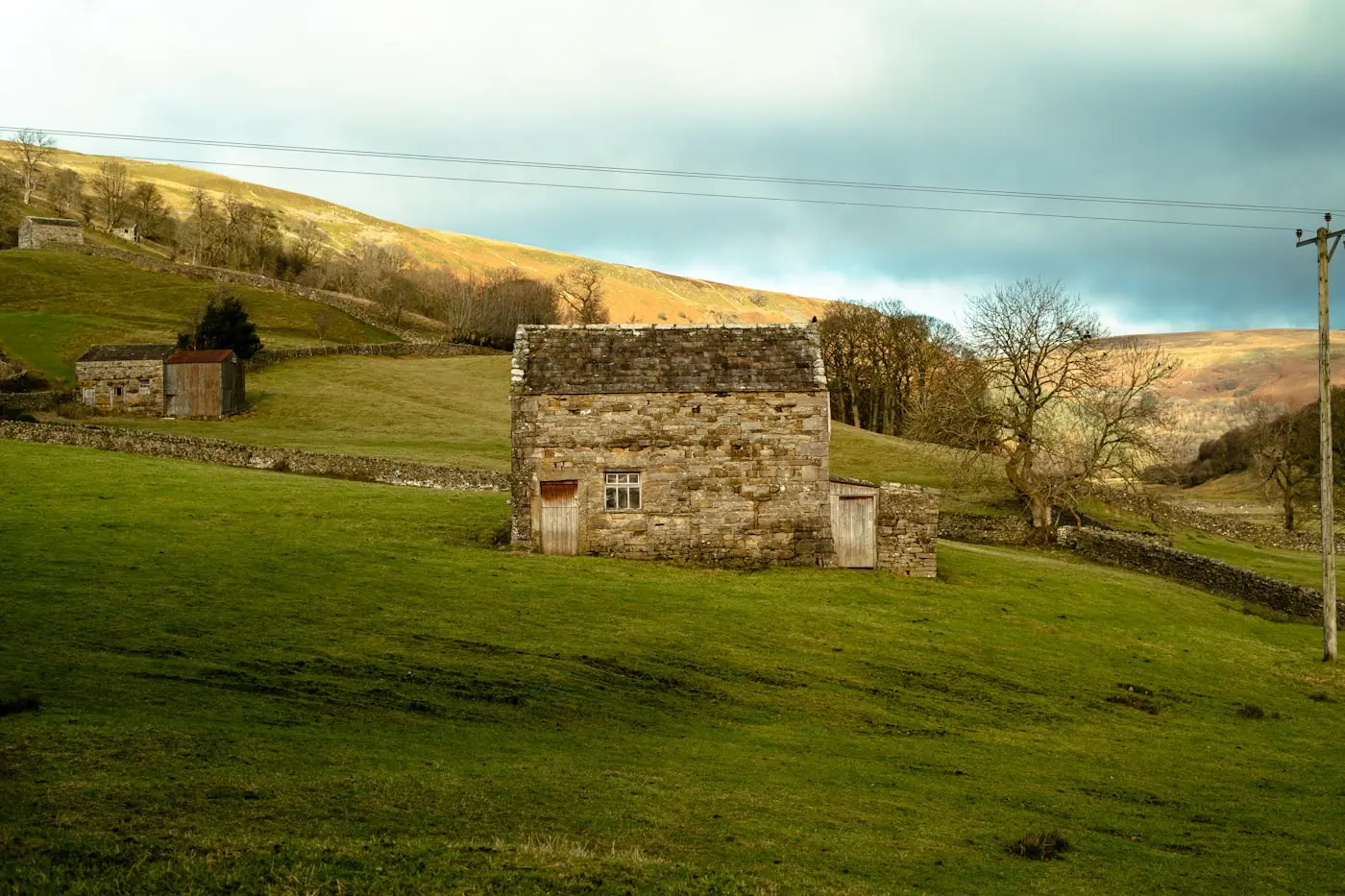
Penistone is a South Pennines market town in the S36 postcode, sitting at around 280 metres above sea level on the western edge of South Yorkshire. It sits higher than almost anywhere else in the county, which shapes every aspect of gardening here. The wind comes mainly from the southwest and west, picking up speed across the open moorland before hitting exposed garden plots. The growing season is compressed. The soil is acidic Millstone Grit. Any garden design for Penistone that does not start with these conditions is going to disappoint.
The town itself has a traditional market town character - stone buildings, a strong local identity, and a community that has not been absorbed into the Sheffield-Barnsley sprawl. Properties range from older stone-built town houses with modest plots to more substantial houses on the edges with larger gardens. Both need design approaches that acknowledge the elevation and the weather rather than trying to replicate what might work in a sheltered suburban Sheffield garden.
The Millstone Grit geology produces acidic soils that are moderately free-draining on the surface, with gritstone bedrock not far below on the upper slopes. The high rainfall from the west keeps moisture levels up, so the soil does not dry out in the way that limestone areas do. The combination of acidic, moist conditions at elevation points strongly toward a specific plant palette that performs well here and away from many of the conventional garden centre offerings that require better conditions.
Wind exposure: the first design priority
At 280m on the South Pennine edge, wind is the defining design challenge for many Penistone gardens. The prevailing westerlies arrive with little to stop them across the open moorland to the west. On exposed plots, the wind physically damages plants, causes desiccation, prevents establishment of young plants, and makes the outdoor space genuinely uncomfortable to use in much of the year.
The most effective response is a windbreak hedge on the windward boundary. Solid fencing creates turbulence on the lee side that can be worse than the wind itself. A permeable hedge of native hawthorn, blackthorn, or holly filters the wind progressively and reduces speed without the turbulence effect. Once established to two or three metres, a good windbreak hedge transforms the microclimate of the garden behind it and allows a much wider range of planting and comfortable outdoor use.
Short growing season and plant choice
Frost is possible into May in exposed Penistone positions and can return in September. The reliable frost-free window can be six to eight weeks shorter than in the Sheffield valley. That rules out tender bedding plants and half-hardy perennials as the main planting strategy. The design focus shifts to genuinely hardy perennials and shrubs that perform within the compressed season and provide structure through the rest of the year: ornamental grasses that look good from spring to winter, shrubs with winter structure, and hardy flowering plants that peak reliably in the short Yorkshire summer rather than needing a long warm autumn to finish well.
Acidic Millstone Grit soils
The acid soil at Penistone is an asset if you choose accordingly. Heathers naturalise on exposed upper-garden positions without any input. Rhododendrons and azaleas thrive in open borders where they would need soil amendment in limestone areas. Bilberries and blueberries grow well. Hardy ferns suit the moist, acidic conditions in sheltered positions. The key avoidance is lime-preferring plants: lavender, rosemary, and Mediterranean herbs that need alkaline conditions will struggle without raised beds and lime addition.
Cost ranges for Penistone garden design
| Service | Cost range |
|---|
| Initial design consultation | £150-400 |
| Planting plan only | £300-800 |
| Full design and project management | £800-3,000+ |
| Windbreak hedge planting | £500-2,000 |
| Full garden makeover (50-100 sqm) | £5,000-15,000+ |
Windbreak hedge installation is often the highest-priority single investment on an exposed Penistone plot. The cost is modest relative to the impact it has on what the rest of the garden can achieve. Designers quote directly based on your site and brief.
Start your free Penistone garden estimate
Tell us about your garden and we put your enquiry in front of a local designer who understands South Pennine conditions and quotes directly.
Get a design estimate
The full local guide
Plants that work in Penistone gardens
Native and near-native plants adapted to Pennine conditions are the most reliable choice. Hawthorn, blackthorn, rowan, and field maple are the structural backbone of a Penistone garden and will establish in conditions that most ornamental shrubs find too exposed. Heathers on upper slopes, bilberries on thin acidic soil, and hardy ferns in sheltered corners all naturalise without encouragement.
Hardy perennials that perform in the compressed season: hemerocallis, astilbes, hardy geraniums, and ornamental grasses give colour and movement through the Yorkshire summer. Roses in sheltered positions - particularly shrub roses and rugosas - cope well and give good summer performance. Hydrangeas do well in the moist acidic conditions and extend the season into autumn.
Ornamental grasses deserve particular attention in Penistone gardens: they provide movement and interest from spring through the whole winter, they cope with both the wind and the acidic conditions, and they look genuinely at home in the Pennine setting in a way that exotic flowering plants often do not.
Frequently asked questions
What soil do Penistone gardens have?
Penistone sits on Millstone Grit, which produces acidic, moderately free-draining soils at the surface with gritstone bedrock not far below on upper slopes. The pH is typically between 5 and 6.5. The elevation of around 280m means soils warm slowly in spring. Acid-loving plants perform well naturally; lime-preferring plants need soil amendment or raised beds.
How much does garden design cost in Penistone?
An initial design consultation runs £150-400. A planting plan costs £300-800. Full design with project management is typically £800-3,000. A full garden makeover on a 50-100 sqm plot runs £5,000-15,000. Windbreak hedge installation on exposed plots is often an early priority investment of £500-2,000. Designers quote directly based on your site and brief.
How do you deal with wind exposure in a Penistone garden?
The prevailing westerlies at 280m elevation are the most significant challenge in many Penistone gardens. The most effective solution is a windbreak hedge on the windward boundary: native hawthorn, blackthorn, or holly established to two or three metres height creates a microclimate that allows a much wider range of planting behind it. Solid fencing is less effective because it creates turbulence; a planted hedge filters the wind progressively.
What plants are reliable in Penistone gardens?
Native and near-native plants that evolved at Pennine elevation are the most reliable: hawthorn, blackthorn, rowan, field maple, and hazel for structure. Heathers, bilberries, and acid-tolerant grasses naturalise on exposed positions. Hardy perennials including hemerocallis, astilbes, geraniums, and ornamental grasses perform well through the season.
Is the growing season much shorter in Penistone than in Sheffield?
Yes, noticeably so. Penistone sits around 280m above sea level, compared to Sheffield city centre at around 70m. Frost is possible well into May in exposed positions and can return in late September. The reliable frost-free window can be 6-8 weeks shorter than Sheffield. A designer who knows the Penistone conditions will plan species selection, timing, and frost protection strategies accordingly.
Areas around Penistone we also cover
We match homeowners with designers across S36 and surrounding South Yorkshire including Thurlstone, Silkstone, Stocksbridge, Dodworth, and Barnsley. For general garden maintenance, lawn care, and year-round gardening in Penistone, visit our local gardeners in Penistone page.