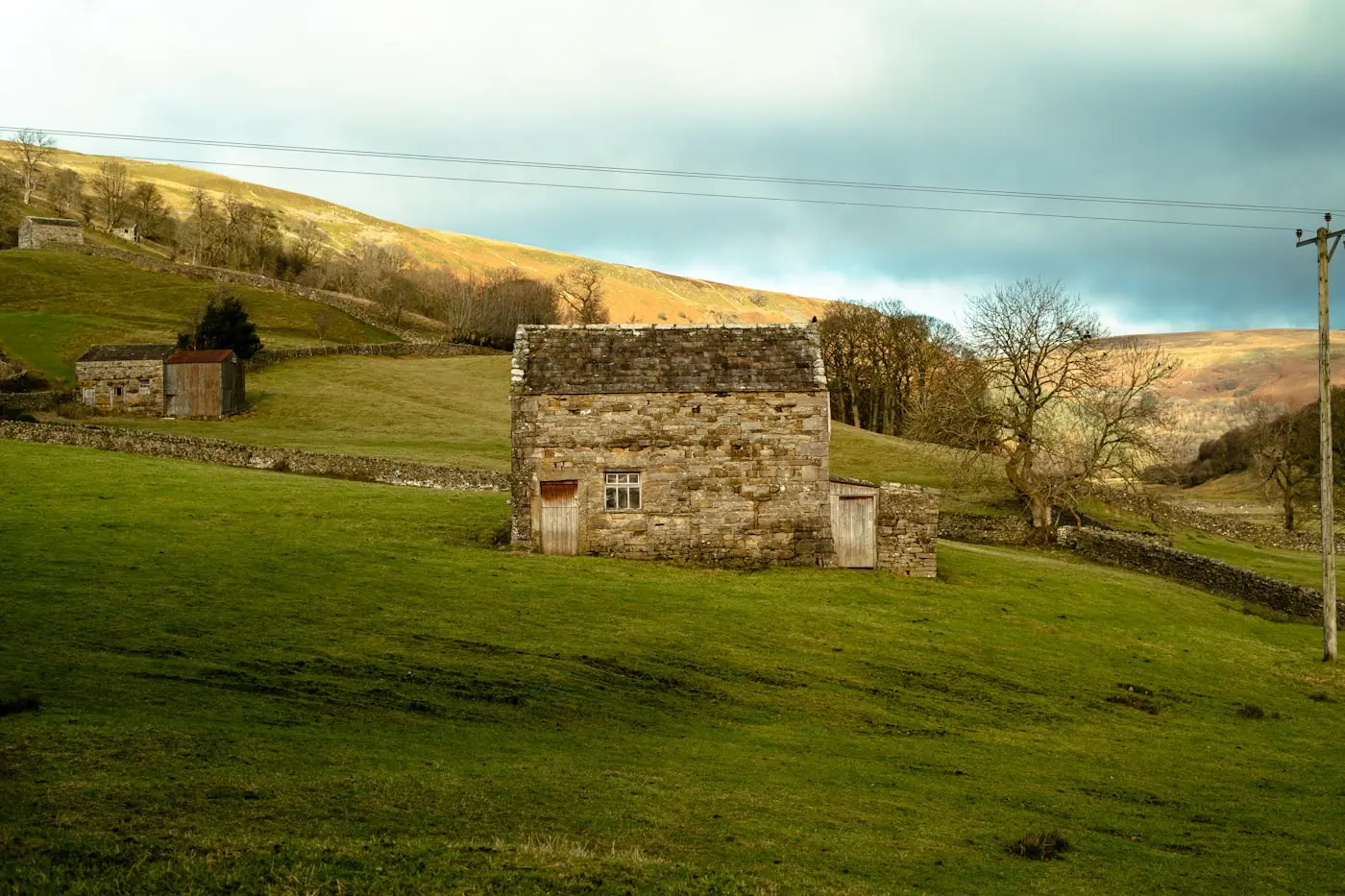
Penistone is a market town at the northern edge of the wider Barnsley and South Yorkshire area, but its character is firmly Pennine rather than industrial lowland. At around 230 metres above sea level, with the Don headwaters rising in the moorland above and the Holme Valley fringe visible to the north, Penistone occupies a distinct position in South Yorkshire's geography: high, exposed, wet, and sitting on the same Millstone Grit geology that defines gardening across the Pennine fringe from the Holmfirth and Holme Valley to the north-west down through the S36 area. The result is a gardening environment that rewards experience and specific local knowledge: thin acidic soil, a growing season that starts late and closes early, high rainfall, and gardens shaped by the practical demands of elevation and exposure.
The quick answer
Penistone gardeners charge £25-£35/hr for general maintenance in 2026. A fortnightly visit to a typical S36 garden runs £35-£65. The Millstone Grit soil is thin and acidic - pH 5.0-5.5 on the upper slopes - and suits heathers, rhododendrons and native plants better than standard cultivars. The growing season is approximately May to September. Book clearance and maintenance work in February or March to secure slots before the compressed season starts.
What Penistone Gardens Are Actually Like
Penistone's housing stock reflects its history as a market town serving the surrounding farming and upland communities. The older stone-built properties in the town centre and the surrounding villages - Oxspring, Thurlstone, Cubley, Millhouse Green - have the kind of gardens that come with century-old buildings: established plantings, stone boundary walls rather than fences, and often a productive area that previous generations maintained for food growing alongside ornamental sections. These gardens reward careful maintenance rather than wholesale redesign: the established structure is often an asset.
The post-war and newer build development extending from the town centre has more conventional plot sizes and garden characters. These properties are often on the same difficult soil but with younger planting and sometimes topsoil that was stripped and inadequately replaced during construction. New-build plots in the S36 area can take several seasons of consistent compost incorporation and careful plant selection before the gardens begin to reach their potential.
Rural properties in the surrounding villages and the upper Don Valley tend to have more generous plots, sometimes including paddocks, orchards, and extensive kitchen gardens. These require a different kind of gardening commitment - more time, more seasonal structure, and a gardener willing to cover the range from ornamental maintenance to vegetable garden management and fruit tree care. The best results on a rural S36 property come from a multi-year relationship with a gardener who knows the specific plot and its conditions.
Penistone postcode coverage
S36 covers Penistone town and the surrounding area including Oxspring, Thurlstone, Stocksbridge, Deepcar, Cubley, Millhouse Green, Hoylandswaine, and Denby Dale. The network also covers the upper Don Valley villages and properties on the Holme Valley fringe. Confirm your specific address when enquiring.
Soil and Climate: What the Pennine Edge Means for Your Garden
The geology beneath Penistone is Carboniferous Millstone Grit - the same formation that underlies the Pennine fringe from the West Yorkshire border south through Barnsley's upland hinterland. This produces a thin, stony, acidic, and free-draining soil that has very specific implications for what grows well and what does not.
Acid gritstone soil: what thrives and what struggles
On the positive side, Penistone's acid soil supports a range of plants that need no amendment to do well here. Heathers, rhododendrons, azaleas, pieris, ferns, and native acid-tolerant plants grow well in the natural gritstone soil. Hardy geraniums, foxgloves, and many native wildflowers are similarly at home. If your aim is a low-maintenance border that suits the conditions, acid-tolerant planting is your most practical starting point and will establish with minimal intervention once it gets going.
Lawns on thin acid gritstone soil are more demanding. The typical Penistone hillside lawn has a persistent moss problem, thin grass coverage on the more exposed aspects, and a tendency toward waterlogging on any section where drainage is impeded by gritstone close to the surface. Annual scarification to remove thatch buildup, overseeding with a shade-tolerant and acid-tolerant grass mix, and occasional pH-adjusted fertiliser application are the interventions that make the most consistent difference. A gardener who simply mows and edges without addressing the underlying soil conditions will see the lawn drift backward year on year regardless of how often it is cut.
Elevation and growing season
Penistone's elevation means one of the shorter reliable growing seasons in South Yorkshire. Late frosts are possible into mid-May on the higher ground and the exposed north-facing slopes above the town. The first autumn frosts typically arrive in October. The practical growing window is roughly late May to late September - about four to five months of productive gardening compared to six or seven months in the sheltered lower-lying parts of the county. This compression means the timing of key gardening tasks is important: starting too early risks frost damage, and leaving autumn work too late means attempting it in deteriorating conditions.
High rainfall is a feature of Penistone's Pennine position. The town receives significantly more precipitation than the Vale of York to the east, and the combination of high rainfall and thin gritstone soil means the ground can become waterlogged in wet periods even though the soil nominally drains quickly. Surface drainage is rarely perfect across an entire garden, and low spots can hold water for days after prolonged rain. A gardener who understands these drainage dynamics and can advise on whether specific problem areas need targeted intervention is more useful than one who treats every garden the same way regardless of its microclimate.
What Gets Booked Most Often in Penistone
The pattern of work in the S36 area reflects the local garden character and the demands of Pennine conditions:
Garden clearance and annual maintenance programmes
One-off clearance work is consistently in demand in Penistone. Gardens on thin acid soil with high rainfall and a relatively short season can go from manageable to genuinely overgrown in a single wet season if left without attention. Garden clearance on Pennine gritstone plots - dealing with brambles, buddleia, and the native scrub that establishes quickly on disturbed acid ground - needs to be priced from a site visit. Always insist on a fixed quote after the gardener has visited, not a phone estimate. Once a garden is back in order, a regular maintenance programme through the growing season is the most cost-effective way to keep it that way.
Lawn renovation on thin hillside plots
Penistone lawns on gritstone hillside plots face the compound challenge of thin soil, high moss pressure, and occasional exposure to strong wind. Annual autumn scarification and overseeding, using a shade and drought-tolerant seed mix appropriate for the acidic conditions, makes a significant and visible difference over two or three seasons of consistent treatment. A single treatment on a neglected hillside lawn shows improvement; a sustained three-year programme genuinely transforms a patchy moss-dominated sward into something worth maintaining. Ask any gardener you are considering for their specific approach to lawn renovation on thin acid soils before committing.
Hedge trimming on stone-built boundary hedges
Many of Penistone's older properties have established hawthorn hedges or mixed native hedgerows as their boundary treatment - a legacy of the town's agricultural heritage and the practical advantages of native hedging on exposed Pennine ground. These hedges need annual management. Hawthorn hedges that have been left for several years require significant reduction work rather than a simple trim, and hawthorn trimming during the nesting season (late April to August) is restricted under the Wildlife and Countryside Act. The right time for any significant hawthorn work is February to late March, or September after the nesting season ends. A gardener unfamiliar with this restriction is not approaching the job correctly.
Border planting for exposed conditions
Many Penistone gardeners struggle with borders that were planted with standard cultivars that perform well in more sheltered conditions but fail at Pennine elevation. Replacing under-performing tender or wind-sensitive plants with genuinely hardy alternatives that suit the acidic gritstone soil is a worthwhile one-off investment. Ask your gardener specifically about their experience with planting schemes for exposed upland conditions.
What a Penistone Gardener Costs in 2026
Penistone sits at the lower end of the South Yorkshire pricing band, broadly comparable to the wider Barnsley area and below the Sheffield suburban premium. For a full national comparison see the how much does a gardener cost UK guide. For day rate context see the gardener day rate guide.
| Rate type | Penistone (S36), 2026 | Notes |
|---|---|---|
| Hourly rate (maintenance) | £25-£35/hr | Contract rates at the lower end; one-off or specialist work higher |
| Day rate (7-8 hrs) | £130-£190 | Full working day; clearance, renovation or larger maintenance |
| Fortnightly visit (standard garden) | £35-£65 per visit | Contract rate; flat accessible plots at lower end |
| One-off lawn cut | £25-£55 | Larger or steeper plots at higher end; neglected first cuts higher still |
| Lawn renovation (scarification, overseeding) | £80-£180 | Acid-soil programme; September treatment for best establishment |
| Hedge trimming (established hawthorn) | £50-£140 per visit | Priced after site assessment; species, size and access all factor in |
| Garden clearance (standard plot) | £180-£420 | Fixed quote from site visit; overgrown gritstone plots add to cost |
| Garden clearance (larger rural plot) | £400-£800 | Rural properties with substantial overgrowth; site visit essential |
The main pricing variables in Penistone beyond the standard Yorkshire rate band are access and plot character. Rural properties with larger grounds and more complex maintenance needs naturally command more time per visit than standard domestic plots. Properties on steeper slopes where a wheeled mower cannot be used and all work must be done by hand take longer per square metre than flat accessible gardens. Always describe your plot's access and gradient when requesting an estimate.
What to Look for in a Penistone Gardener
The standard Yorkshire checklist applies everywhere: public liability insurance, a Waste Carrier's Licence for any green waste removal, and a willingness to visit before quoting any significant job. For Penistone's specific conditions, a few additional questions are worth asking:
- Public liability insurance: Essential. Ask for the certificate with the policy number and insurer name. Minimum £2m cover for domestic garden work.
- Waste Carrier's Licence: Required for any green waste or garden debris leaving your property. Ask for the licence number before any clearance or waste removal work.
- Experience with acidic gritstone soil: Ask directly. A gardener who understands that S36 soil is typically pH 5.0-5.5 and can explain the implications for planting and lawn management is demonstrating genuine local knowledge. One who suggests plants that need neutral to alkaline conditions for your open ground is not assessing your specific conditions.
- Knowledge of Pennine climate conditions: Ask whether they have worked gardens at Penistone's elevation and what that means for the growing season and plant selection. Experience with exposed upland gardens is genuinely different from experience in the more sheltered lower-lying parts of South Yorkshire.
- Site visit before quoting: Non-negotiable for clearance, renovation, or planting work. A phone estimate for a Pennine gritstone garden is not a reliable basis for a fixed price.
- Hawthorn timing awareness: If your property has established hawthorn hedges, ask the gardener about the Wildlife and Countryside Act nesting season restrictions. Anyone offering to trim hawthorn in May or June without raising this issue is not approaching the job correctly.
Questions to Ask Before Hiring
- Can I see your public liability insurance certificate? Policy number, insurer name, cover level before any work starts.
- Do you hold a Waste Carrier's Licence? Ask for the number if any material will leave the property.
- Have you worked gardens in the S36 area or at similar Pennine elevation? Experience with thin acidic gritstone soil is genuinely relevant. Ask for examples of comparable local work.
- What is your approach to moss on a thin acid hillside lawn? You want a specific answer about scarification, overseeding, and pH management - not a generic promise to apply treatment.
- Can you come and see the garden before giving a price? For clearance, renovation, or any job with access complexity. Insist on this.
- What is specifically included in the maintenance contract? Hedge trimming, waste disposal, seasonal resets - clarify what is in the fortnightly rate and what is charged separately.
Seasonal Advice for Penistone Gardens
Spring (May-June)
Do not rush the season. On exposed Pennine ground, the last frost date is mid-May in a typical year and later in a cold spring. The first mow of the year should wait until the grass is genuinely growing, not just because the calendar suggests it is time. For lawn renovation work - scarification, overseeding, pH treatment - May is the right month: the soil is warming and the season ahead is long enough for newly seeded patches to establish. Any hedge reduction work needed before the nesting season must be completed by late March at the latest; if it was not done, wait until September.
Summer (June-September)
The core growing season in Penistone is compressed. June, July and August are the productive months; September is useful but variable. Fortnightly maintenance visits through this period cover mowing, border weeding, and general tidying. In a wet Penistone summer - which is most summers - growth is fast and fortnightly may barely keep pace. Monthly visits are rarely sufficient through July and August on an actively growing garden.
Autumn (October-November)
September is the most important month for lawn renovation: aeration and overseeding done while the soil retains warmth gives the best establishment window before winter. The main hedge trim of the year falls in September - after the bird nesting season and before the hedge goes into dormancy. Border cutback in October, leaving some seedheads standing for winter insect habitat if appropriate, closes the season well. Leaf clearance from October is important if mature trees are nearby; leaves left on a thin Pennine lawn through a wet winter will cause significant damage.
Winter (December-April)
Penistone's growing season effectively stops by November. Winter is the right time to book for the coming season - the best local gardeners in the S36 area fill their spring slots over the winter months. If you want regular maintenance from May, contact a gardener in February. Structural garden work - raised bed construction, path laying, wall repairs - can proceed through mild winter spells when the ground is not frozen.
Frequently Asked Questions
How much does a gardener in Penistone cost?
£25-£35/hr for general garden maintenance in 2026. Day rates run £175-£300. A fortnightly visit to a standard S36 garden runs £35-£65. See the UK gardener costs guide for national context and the day rate guide for full-day pricing.
What is the soil like in Penistone?
Thin, acidic Millstone Grit soil - pH 5.0-5.5 typical on the upper slopes. Free-draining but prone to surface waterlogging in wet spells. Acid-tolerant plants (heathers, rhododendrons, ferns, native wildflowers) thrive without amendment. Standard lawn grasses struggle with persistent moss on the thinner, more exposed plots. Annual scarification and overseeding with an acid-tolerant seed mix is the consistent answer for most Penistone lawns.
How short is the growing season in Penistone?
Approximately late May to late September at Penistone's elevation - about four to five months of reliable growing. Last frost is typically mid-May on higher ground; first autumn frost usually October. Plan planting and maintenance programmes around this window rather than the longer seasons that apply in lower-lying parts of South Yorkshire.
What garden services are most in demand in Penistone?
Garden clearance of plots that have drifted during the wet season, lawn renovation on thin acidic hillside turf, and hedge trimming on established hawthorn boundaries are the most consistently requested services. Regular maintenance contracts through the growing season keep gardens from drifting into the clearance cycle.
Do gardeners in Penistone cover the surrounding villages?
Yes. S36 gardeners typically cover Penistone town and the surrounding villages including Oxspring, Thurlstone, Cubley, Millhouse Green, Hoylandswaine, and Stocksbridge. Confirm your address when enquiring. Rural properties may have a minimum job time applied. See the Yorkshire towns hub for full coverage detail.
When is the best time to book a garden clearance in Penistone?
Late March and April for a spring clearance that leaves the garden ready for the growing season. September and October for an autumn clearance that closes the garden down properly. Book in February to secure your slot - the compressed S36 season means the best local gardeners fill their spring availability quickly.
How do I find a reliable gardener in Penistone?
Word of mouth from a neighbour who has used the same person for at least a full season is the strongest route in a small market town. If you do not have that connection, use a local introduction service that connects you to one vetted gardener covering S36 rather than a national platform. Ask for public liability insurance, a Waste Carrier's Licence, and experience with Pennine gritstone soil conditions before committing to anything. Use the estimate form on this site to put your enquiry in front of a local gardener covering your S36 postcode.
Related reading
- How much does a gardener cost in the UK? (2026 prices)
- Gardener day rate UK 2026
- Garden maintenance across Yorkshire
- Garden clearance across Yorkshire
- Hedge trimming across Yorkshire
- Gardeners in Barnsley
- Gardeners in Holmfirth
- Yorkshire towns hub
Gardeners in nearby areas
We cover Penistone and the wider South Yorkshire Pennine fringe:
How do I find a reliable gardener in Penistone S36?
Word of mouth from a neighbour who has used someone for more than one season is the strongest starting point in a town of Penistone's size. If you do not have that connection, use a local introduction service that sends your enquiry to one vetted gardener covering S36, rather than a national platform that distributes your details to multiple contractors at once. Ask for proof of public liability insurance, a Waste Carrier's Licence for any waste removal, and examples of recent work on comparable Penistone or S36 area properties before discussing rates.
What is the cost of a garden clearance in Penistone?
A standard garden clearance on a typical Penistone semi-detached plot runs £180-£420, depending on the extent of growth and the volume of waste. Larger rural properties or plots neglected for several seasons can run to £500-£800 for a thorough clearance. A Waste Carrier's Licence is required for any green waste that leaves the property - confirm this with the gardener before booking. Get a fixed quote from a site visit rather than a phone estimate for any clearance involving significant overgrowth.
Get a quote for your Penistone garden.
60-second assessment. If a local gardener takes your enquiry, they call you with a price for your specific garden and job.
Start the assessment