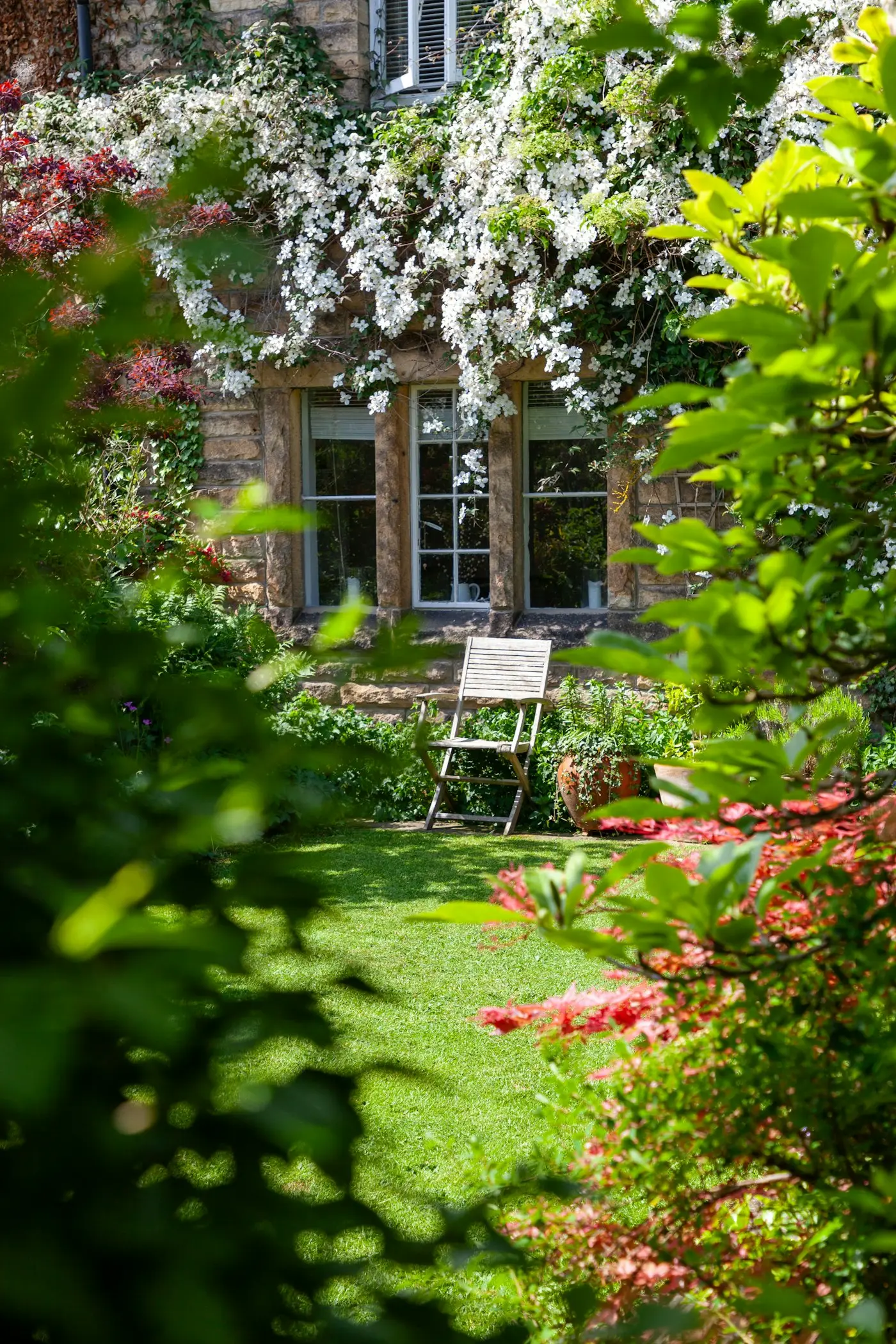
What garden design looks like in Upton
Upton sits in the WF9 postcode straddling the West Yorkshire and South Yorkshire border, part of the broader belt of ex-mining villages between Wakefield and Doncaster. The village character is compact and residential: terraced and semi-detached housing from the mining era alongside newer private estates, with mostly modest-sized plots that are often underused or overgrown when new owners take them on. The gardening challenge here is not the plot size but the soil underneath it.
Coal Measures clay is the defining geological condition for Upton gardens. This is the heavy, dense clay that sits across the former South Yorkshire coalfield, formed from the sedimentary layers that once sat above the coal seams. It is a challenging soil: waterlogging is common through winter and into spring, surface cracking happens in dry summers, and working it is genuinely hard physical labour when it is either too wet or too dry. Many gardens in Upton sit on subsoil that has been disturbed by decades of ground subsidence and then partially backfilled with variable material, which adds another layer of unpredictability.
The good news is that Coal Measures clay is naturally fertile. It holds nutrients well, retains moisture through dry spells once the summer-cracking period is managed, and supports a wide range of robust plants once the waterlogging problem is addressed. A garden designer who knows WF9 clay will approach the design around soil improvement, drainage management, and planting choices that tolerate or even benefit from the clay character, rather than trying to transform it into something it is not.
The compact plot sizes that characterise much of Upton mean that design choices have to be efficient. Every square metre counts. A well-designed small garden with good vertical structure, multi-season planting, and a practical hard-landscaping element will outperform a larger neglected space every time. Small gardens also respond well to clear zoning: a seating area, a planting zone, a lawn if wanted, and defined edges that give the space visual order even when the plants are dormant in winter.
Clay management: drainage and raised beds
The most common design intervention in Upton gardens is addressing the clay waterlogging problem directly. There are two main approaches and most designs use a combination of both. The first is soil improvement: incorporating generous quantities of organic matter (well-rotted compost, bark mulch, green waste) works clay over time by breaking up the structure, improving drainage, and encouraging the earthworm populations that aerate naturally. This is a slow process but it is cumulative, and gardens that have had organic matter added annually for five or more years perform markedly better than those that have not.
The second approach is raised beds. By constructing growing zones filled with imported loam and compost mix above the clay layer, you bypass the waterlogging problem entirely for everything planted in those beds. Raised beds warm up faster in spring, drain freely, and can be filled with whatever growing medium suits the planting. They are particularly effective for vegetables, cut flowers, herbs, and feature shrubs where you want reliable drainage. Railway sleeper raised beds are a popular choice in WF9 gardens: robust, long-lasting, and reasonably priced compared to brick or stone construction.
For lawns, the approach is different. Raised beds are not practical for grass areas. Clay lawns need annual aeration (hollow-tining is best, solid-tining helps), a top-dressing of sharp sand and compost after aeration to improve drainage into the root zone, and clay-tolerant seed mixes that can handle winter waterlogging better than fine-turf fescues. A designer will recommend whether to improve the existing lawn or replace it, based on how compacted the subsoil is and whether any drainage work is worth doing under the lawn.
Planting for Coal Measures clay
The right planting choices make clay gardens far easier to manage. Plants that tolerate or prefer moist, heavy soils include a wide and attractive range: shrub roses perform well in clay, which is why old mining-village gardens are often full of them. Hardy geraniums, astilbes, hostas, rudbeckias, persicarias, and most ornamental grasses do well in clay once it has had some organic matter incorporated. Dogwoods (Cornus) and viburnums are excellent structural shrubs for clay gardens: tough, attractive through winter with coloured stems or berries, and completely unfazed by wet conditions.
Climbers for fences and walls work well in clay gardens because the soil moisture they retain suits climbing plants that can be slow to establish in dry sandy soils. Climbing roses, wisteria, and clematis all do well in WF9 gardens once established. The fence lines that divide compact plots are a valuable growing surface that gets underused in many gardens; a designer will typically work the vertical space with climbers and wall shrubs to add height and interest to what would otherwise be a flat plot.
Avoid Mediterranean drought-lovers: lavender, rosemary, cistus, and most silver-leaved plants need sharp drainage and will struggle in heavy clay even if the summer-cracking suggests the soil is dry. They die in the wet winters before they ever get the dry summers they need. A designer who knows WF9 will steer you away from planting choices that look good in the garden centre but are wrong for the soil you have.
Hard landscaping in compact Upton plots
Compact plots benefit from clear hard-landscaping structure. A defined patio area with level paving gives you usable outdoor space even if the lawn is soggy in spring. Concrete or porcelain paving drains well and is easy to maintain; natural stone is more expensive but more in keeping with the period housing stock. Sleeper-edged paths and borders give defined edges that make the garden feel intentional rather than improvised. A simple pergola or arch over the patio adds vertical structure and somewhere to grow climbing plants without taking up ground space.
Fencing is almost universal in WF9 gardens. Standard close-board panels are the most common, but they weather quickly and can look tired within five years. A design that incorporates fence-line planting (climbers, wall shrubs, grasses) will improve the appearance of any fence while it is new and disguise it as it ages. Hawthorn and blackthorn used in combination with climbing plants on fence panels creates a more naturalistic boundary that also provides some wildlife habitat value.
Cost ranges for Upton garden design
Garden design pricing depends on the scope of work and whether you want design only or full project management. These are the typical ranges for budgeting:
| Service |
Cost range |
| Planting plan only |
£300-800 |
| Planting plan + implementation |
£600-1,500 |
| Full design and project management |
£800-3,000+ |
| Border replant (up to 10 sqm) |
£150-400 |
| Raised bed construction (2-3 beds) |
£400-1,200 |
| Full garden makeover (50-100 sqm) |
£5,000-15,000+ |
Hard landscaping, drainage work, and raised bed construction are quoted separately. Clay subsoil preparation adds cost if the soil needs significant improvement before planting: this typically runs £500-2,000 for a mid-size project depending on the extent of drainage work required. Designers quote directly based on your specific brief and site conditions. For more detail on what drives the cost, see what a garden makeover costs.
Start your free Upton garden estimate
Tell us what you want and we put your enquiry in front of local designers who quote directly. No call centre fees on your side.
Get a design estimate
The full local guide
What plants tend to suit Upton gardens
Coal Measures clay supports a generous range of garden plants once it has had organic matter worked in. The key is choosing species that tolerate temporary waterlogging in winter and root-zone dryness in a dry summer, because that is the two-season cycle the soil creates. Plants that straddle this range do well; those that need consistently free-draining conditions do not.
Shrub roses are the signature choice for WF9 clay and there is a reason the old mining-village gardens are full of them. They root deep enough to access subsoil moisture through dry spells, they tolerate wet winters, and they give a long season of flower from June through to November on modern repeat-flowering varieties. A mixed border anchored by shrub roses with hardy geraniums, persicaria, and grasses at the front gives year-round structure without demanding constant attention.
For foliage interest and structure, hostas, astilbes, and heucheras all perform well in clay gardens with some shade. Rudbeckias and heleniums flower prolifically in late summer on clay, often better than they do on lighter soils. Ornamental grasses including miscanthus and molinia are excellent in clay: they stand well into winter, move in wind, and provide texture through the months when nothing else is active. Both tolerate the wet-then-dry cycle better than most perennials.
For trees and large shrubs: crab apples, rowans, and amelanchier are all well-suited to clay soils and give multi-season interest. Dogwoods in their coloured-stemmed forms provide winter colour that is particularly valuable in ex-mining village gardens where the surrounding street landscape is often grey. Hawthorn as a hedge plant is native to clay soils across the region and almost entirely maintenance-free once established. A designer will build a plant list around what already grows well in the immediate area, because that is the best indication of what will succeed on your plot.
Common garden design projects in Upton
The most common starting point is overgrown or neglected gardens on properties that have changed hands. Ex-rental gardens and long-empty plots often have a layer of self-seeded trees, brambles, and bindweed over a compacted clay base. The clearance and soil preparation work is often the largest cost and the most important investment: everything else depends on getting the subsoil into workable condition. A good designer will assess what is worth keeping (mature trees, established hedging, any useful existing structure) and what needs to come out before the design can go in.
Raised bed kitchen gardens are a growth area in WF9. The compact plots in Upton suit a well-planned kitchen garden with three or four raised sleeper beds, a small greenhouse or cold frame, and soft-fruit canes at the back of the plot. A designer can lay out a productive kitchen-garden space that fits within the plot size without taking over the whole garden. This kind of project typically costs £800-2,500 for the design and construction depending on the number of beds and whether a greenhouse is included.
Patio and seating area redesigns are common on plots where the original concrete or flagstone area has settled unevenly on the clay subsoil. Clay heaves in frost and shrinks in drought, and poorly-laid slabs will shift significantly over ten to twenty years. Relaying the patio on a proper sub-base with compacted MOT type 1 and sharp sand, or switching to resin-bound gravel which is more forgiving of ground movement, is a common project. A designer will look at the sub-base condition as part of the site assessment and recommend the most appropriate solution for your soil.
Process for an Upton garden designer
- Initial brief. Tell us what you want from the garden: whether it is a planting refresh, a raised bed kitchen garden, a patio replacement, or help with persistent clay waterlogging.
- Site visit and assessment. The designer visits, assesses your soil, drainage, existing planting, and any structural issues. This is usually a free initial consultation.
- Proposal and design. You receive a scaled design with planting plan, materials specification, and cost estimate. For design-only work, this is the deliverable and you implement it yourself or find your own contractors.
- Phasing and coordination. For full design-and-build projects, the designer coordinates hard-landscaping contractors, raised bed construction, and plant sourcing, and schedules installation in the right seasonal window.
- Installation and establishment. Planting is carried out, usually in autumn or early spring. The designer advises on aftercare including organic matter mulching, which is the single most important ongoing task for improving WF9 clay gardens over time.
A planting plan can be produced within one to two weeks of the site visit. A full redesign with installation typically takes four to ten weeks depending on project scale and how much soil preparation work is required. Autumn is a good time to start the design process for clay gardens: the soil can be cultivated and improved over winter, and planting goes in at the right time the following spring.
Designers in Upton and WF9
We connect homeowners across WF9 with local designers who quote directly. They set their own prices and there are no call centre fees on the customer side. The free initial estimate gives you a sense of what your project involves before you commit to the full design. Whether you want a planting plan only, a kitchen-garden layout, or full project management of a larger makeover, we put your enquiry in front of someone who has done similar work in the area and understands the Coal Measures clay conditions that affect every Upton garden.
Frequently asked questions
What soil does Upton have?
Upton gardens sit on Coal Measures clay, a dense, heavy soil inherited from the sedimentary geology beneath the former South Yorkshire coalfield. The clay holds water in winter and bakes hard in summer. It is naturally fertile but demands management. Sand-based drainage improvements, organic matter, and raised beds are the standard design tools. A local designer who knows WF9 clay will recommend a planting scheme that works with the soil rather than against it.
How much does garden design cost in Upton?
A planting plan only costs £300-800. Planting plan with implementation runs £600-1,500. Full design with project management typically costs £800-3,000+. A full garden makeover on a 50-100 sqm plot runs £5,000-15,000+. Raised bed construction and drainage work for clay soils is quoted separately. Designers quote directly based on your specific brief and site conditions.
Can raised beds solve the clay waterlogging problem in Upton?
Raised beds are one of the most effective responses to Coal Measures clay. By creating growing zones filled with improved topsoil or a loam and compost mix above the clay layer, you bypass the waterlogging problem entirely for the plants in those beds. They warm up faster in spring, drain freely, and work well for vegetables, cut flowers, and shrubby planting. For lawns and larger planted areas, aeration and organic matter incorporation are the right tools.
What plants cope well with Upton clay?
Shrub roses, hardy geraniums, astilbes, hostas, rudbeckias, persicarias, and most ornamental grasses do well in Coal Measures clay. Dogwoods and viburnums tolerate wet clay in winter. Avoid Mediterranean drought-lovers and alpine plants that need sharp drainage. A designer will recommend clay-tolerant planting that gives year-round interest without requiring soil conditions the land does not have.
How long does a garden redesign take in Upton?
A planting plan can be produced within one to two weeks of the site visit. A full redesign with installation typically takes four to ten weeks. Clay soils benefit from autumn cultivation and winter frost to break down clod structure before spring planting. Starting the design process in late summer means soil preparation can happen over winter and planting can go in at the right time in spring.
Areas around Upton we also cover
We also match homeowners with designers in South Elmsall, Normanton, Rothwell, and the wider Wakefield district. For general garden maintenance, lawn care, and year-round gardening services in Upton, visit our local gardeners in Upton page.