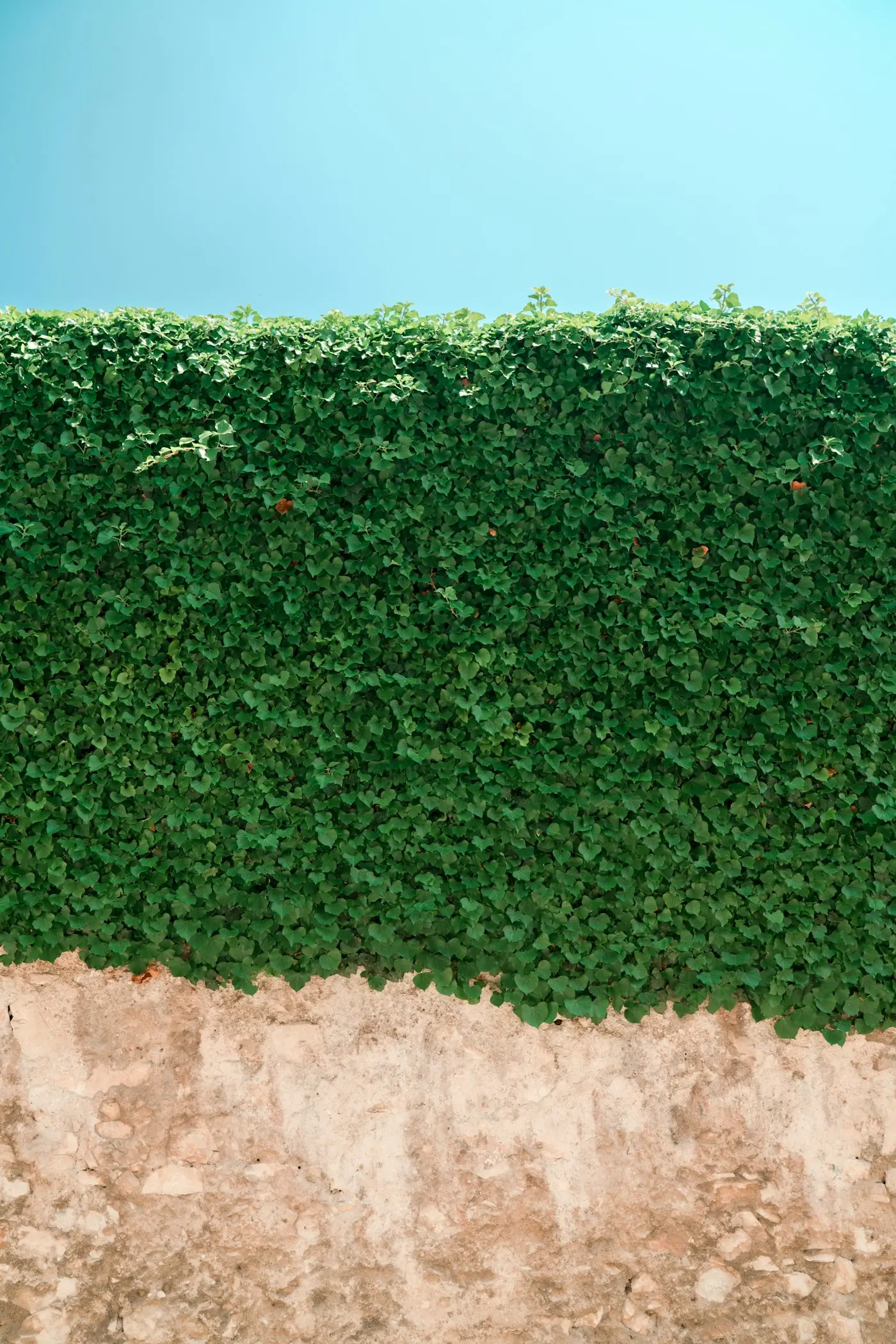
Conifer hedges are one of the most common sources of garden disputes in Yorkshire. They grow fast, provide excellent privacy and wind shelter, and are almost impossible to reduce once they have gone beyond a certain size. Understanding the rules - both horticultural and legal - before your hedge becomes a problem is far easier than dealing with it afterwards.
Types of conifer hedge common in Yorkshire
Four species dominate Yorkshire gardens:
Leylandii (x Cuprocyparis leylandii)
By far the most planted conifer hedge across Yorkshire's post-war estates and suburban gardens. Leylandii can grow up to 90cm per year in good conditions - which makes it excellent for rapid screening but catastrophic if left uncut for more than two or three seasons. The critical thing to know: Leylandii will not regenerate from old brown wood. If you cut back beyond the green growth on any face, you will get permanent brown dead patches that never recover. This is the source of most conifer hedge disasters.
Thuja (Western Red Cedar, Thuja plicata)
A popular alternative to Leylandii - slightly slower-growing, more tolerant of damp conditions (relevant in wetter parts of Yorkshire like Bradford and Calderdale), and with pleasant aromatic foliage. Thuja has better tolerance of hard cutting than Leylandii but should still be treated with the same caution about old wood. One of the more manageable conifers for long-term maintenance.
Lawson Cypress (Chamaecyparis lawsoniana)
Common in older Yorkshire gardens, particularly as individual specimens that have been trained into hedges over time. Slower-growing than Leylandii, more tolerant of shade, and available in many varieties with different foliage colours. Lawson Cypress is susceptible to Phytophthora root rot in waterlogged soils - a relevant consideration for Bradford, Hull, and other areas with drainage challenges.
Yew (Taxus baccata)
Not a conifer in the strict sense but included here because it is often managed as a formal hedge alongside conifers. Yew is unique in that it regenerates freely from old wood - you can cut into dark brown stems and expect regrowth. This makes it far more manageable long-term than Leylandii. It is also slower growing (20-30cm per year vs 60-90cm for Leylandii), evergreen, and creates a dense, beautiful formal hedge. If you are replacing a conifer hedge, yew is worth serious consideration.
When to trim conifer hedges in Yorkshire
The safe trimming window for all conifers in Yorkshire is May to September. More specifically:
| Species | Best trimming time | Notes |
|---|---|---|
| Leylandii | Late May and August (two cuts) | Never cut after September; frost damage to new growth |
| Thuja | May to August | One cut usually sufficient |
| Lawson Cypress | Late May to August | One cut per year maintains shape well |
| Yew | August | One late summer cut; tolerates harder cutting than conifers |
Never cut a conifer hedge in early spring (before May) - Yorkshire can have late frosts into April and even May at higher elevations, and fresh cuts combined with frost produces dieback. Never cut after September for the same reason in reverse.
The golden rule: never cut into old wood
With Leylandii, Lawson Cypress, and most other conifers, there is a point of no return on each branch where green needles give way to bare brown stems. This is the old wood. Cut into it and you will get a permanent dead patch. The green growth regenerates; the old wood does not. This means you must cut little and often, trimming back to just inside the green layer each time. A hedge that has not been cut for several years and has pushed out 50-60cm of growth on each side has a problem: to maintain its new larger footprint, you must continue cutting at that larger footprint forever. To reduce it, you can only work incrementally on the sides - and you cannot meaningfully reduce the top on Leylandii at all without creating dead brown damage.
Yorkshire climate note
Yorkshire's cooler, wetter conditions slow Leylandii growth compared to the South of England, but they remain fast-growing by any hedge standard. A Leylandii that adds 60cm per year will double in width between cuts if left for two summers. Annual trimming is not optional - it is the minimum maintenance commitment for any conifer hedge.
Conifer hedge trimming costs in Yorkshire
| Job type | Typical Yorkshire cost |
|---|---|
| Short hedge (up to 15m), under 2m high | £60-100 |
| Medium hedge (15-30m), 2-3m high | £100-180 |
| Tall hedge (20m+), over 3m high | £180-300+ |
| Both sides (neighbour boundary) | Add 50-80% to single-side price |
| Waste disposal | £30-60 additional; heavy for large conifers |
| Height reduction (where possible) | Specialist quote required; significantly more than standard trim |
Access is a major cost driver for tall conifer hedges. A hedge over 3m needs a platform, cherry picker, or scaffolding for top work - this adds significantly to cost and also limits which contractors can safely take the job. For anything over 3m, ask specifically how the contractor plans to access the top.
DIY vs hiring for conifer hedge trimming
Below 2m: most homeowners can manage with a long-reach electric hedge trimmer and a steady ladder. The main risk is cutting into old wood - go carefully and only trim back to within the green growth.
2-3m: still manageable DIY with the right equipment (a long-reach petrol or electric trimmer, a stable platform). The physical effort is considerable for a long hedge. Safety is the main consideration - overreaching on a ladder with a hedge trimmer is how accidents happen.
Over 3m: this is the point where professional equipment (cherry picker, experienced operator) makes a real practical difference, both for safety and for achieving a consistent result at height. If your hedge is over 3m and you are trimming the top, a professional with the right access equipment is the sensible choice.
Conifer hedge removal: costs and what is involved
Removing a conifer hedge is a significantly larger job than trimming it. The trees need to be felled or cut back in sections, the stumps need to be either ground out or cut as low as possible, and the volume of green waste generated is substantial - large Leylandii produce enormous amounts of material per tree.
| Scenario | Typical Yorkshire cost |
|---|---|
| Short run, 5-6 trees, under 3m high | £200-400 |
| Medium run, 10-12 trees, 3-5m high | £500-900 |
| Long run, 20+ trees, 5m+ high | £1,000-2,000+ |
| Stump grinding (per stump) | £50-80 additional |
| Waste disposal | Varies widely; large hedges = multiple trailer loads |
Leylandii stumps left in place will not re-sprout, which is one advantage. However, they take years to rot down and can make the area difficult to use. Stump grinding is worth considering if you plan to lay turf or plant in the area within the next few years.
High hedge law and council complaints in Yorkshire
If a neighbour's conifer hedge is over 2m tall, evergreen, and is unreasonably affecting your enjoyment of your property (blocking light, causing shade, affecting a view), you may have recourse under Part 8 of the Anti-Social Behaviour Act 2003. This legislation was introduced specifically in response to Leylandii disputes.
The process works as follows:
- You must first demonstrate you have tried to resolve the issue directly with your neighbour
- You then submit a complaint to your local council's planning enforcement team
- The council investigates and, if they find in your favour, issues a remedial notice requiring the hedge to be reduced and maintained at a specified height
- If the hedge owner does not comply, the council can carry out the work and charge the costs back to them
Councils in Yorkshire that operate this service include Leeds City Council, Bradford Council, York Council, and Sheffield City Council among others. The process typically takes several months, and councils charge a fee to process complaints (typically £300-700). This is not a quick fix. For most situations, a direct conversation with a neighbour - with a mediator if needed - is a faster and cheaper path to resolution.
Before you complain to the council
A complaint under Part 8 only applies to evergreen or semi-evergreen hedges of more than two metres. It does not apply to individual trees, mixed hedges that are mostly deciduous, or structures like fences. It also requires evidence that you have attempted to resolve the matter with your neighbour. A letter (not just a conversation) is the most useful evidence if it goes to complaint stage.
Frequently asked questions
When should you trim a conifer hedge in Yorkshire?
The safe trimming window for conifer hedges in Yorkshire is May to September. For Leylandii and most other conifers, one cut in July or two cuts in May and August gives the best result. Never cut after September - frost damage to fresh cuts is a real risk in Yorkshire winters, particularly above 200m elevation.
How much does conifer hedge trimming cost in Yorkshire?
Conifer hedge trimming in Yorkshire typically costs £60-300 for an average run, depending on height, length, and access. A short low Leylandii hedge of 15 metres at 2m height might cost £60-80. A tall hedge of 30+ metres at 3-4m height with no easy access could cost £200-300 or more.
Can you cut a conifer hedge back hard to reduce its height?
It depends on the species. Leylandii will not regenerate from old brown wood at all - cutting back beyond the green growth produces dead brown patches that never recover. Yew is the exception: it regenerates from old wood very reliably. If you need to reduce a Leylandii hedge height significantly, incremental reduction over several years or removal and replacement are the realistic options.
What is the high hedge law and how does it apply in Yorkshire?
Part 8 of the Anti-Social Behaviour Act 2003 allows you to complain to your local council if a neighbour's evergreen hedge over 2 metres tall is unreasonably affecting your enjoyment of your property. Councils can issue a remedial notice requiring the hedge owner to reduce it. The process takes time and councils charge a fee. Direct negotiation with the neighbour is almost always faster and cheaper as a first step.
How much does conifer hedge removal cost in Yorkshire?
Conifer hedge removal in Yorkshire typically costs £200-2,000+ depending on the length, height, and number of trees. A short run of 5-6 Leylandii at 3-4m height costs roughly £200-500. A long mature Leylandii screen of 20+ trees at 6m+ height can cost £800-2,000 or more. Stump grinding adds £50-80 per stump.
How much does leylandii hedge trimming cost per metre in Yorkshire?
Leylandii trimming costs £7-13/m in Yorkshire for hedges up to 2m tall. Taller leylandii between 2m and 3m costs £13-20/m. Above 3m, the rate rises to £20-30/m or more with specialist equipment. Waste disposal adds £30-60 on most leylandii jobs. Hedges uncut for 2+ seasons attract a first-visit premium for the extra growth volume.
When is the best time to trim a conifer hedge in Yorkshire?
Late May and late August for leylandii needing two cuts. Late July or August for species needing one annual cut. Never cut after September - frost risk is real in Yorkshire, particularly above 200m elevation. Never cut before May for the same reason in reverse. Keep within the green growth - cutting into old brown wood produces permanent dead patches on most conifers.
How much does it cost to reduce a conifer hedge height?
A modest height reduction on a 15m leylandii (taking 0.5-1m off the top where green growth allows) costs £250-500. A significant reduction on a tall hedge requiring a cherry picker costs £500-1,500 or more. Leylandii cannot be reduced below its green growth - cutting into bare brown wood is permanent. Only yew tolerates hard height reduction reliably.
Can you cut a conifer hedge in winter in Yorkshire?
No. Frost damage to freshly cut conifer growth is a real risk in Yorkshire winters. The safe cutting window is May through to early September. A light tidy in late September is acceptable in mild years but carries more risk than the summer window. Never cut leylandii or Lawson Cypress when frost is forecast within a week of the cut.
How often should you trim a conifer hedge?
Leylandii needs two cuts per year (May and August) because it grows 60-90cm annually. Thuja and Lawson Cypress need one cut per year. Yew needs one careful late-summer cut. Once per year is the minimum for any conifer - skipping a season allows growth to push beyond the green layer, limiting how far back you can safely cut on the next visit.
Is it worth removing a conifer hedge or keep trimming it in Yorkshire?
If your conifer hedge is above 3m and the annual trimming cost is significant, removal and replanting with hornbeam, beech, or yew often makes long-term financial sense. A leylandii costing £300-500/year to trim will cost more over 10 years than removal and replacement. The annual cost only rises as the hedge gets taller, and leylandii cannot be meaningfully height-reduced once it is tall.
How much does Thuja hedge trimming cost in Yorkshire?
Thuja trimming costs £7-13/m for hedges up to 2m, similar to leylandii at the same height. Thuja is slower-growing than leylandii and usually needs only one cut per year. A 15m Thuja hedge at 2m costs £100-180 in Yorkshire plus £25-45 for waste. Thuja is generally easier to manage long-term than leylandii because of its slower growth and slightly better tolerance of hard cutting.
What is the cheapest conifer to maintain as a hedge in Yorkshire?
Yew is cheapest over the long term because it grows slowly (20-30cm/year) and needs one cut per year. It can be cut back to old wood reliably, unlike most conifers. Thuja is a reasonable second choice: faster to establish than yew, much slower than leylandii, and easier to manage long-term. Leylandii is the most expensive to maintain because its rapid growth demands frequent cutting at increasing cost as height grows.
How long does conifer hedge trimming take in Yorkshire?
A 15m leylandii at 2m tall takes one gardener 2-4 hours including basic waste collection. A 20m run at 2-3m takes most of a working day. Waste disposal adds 30-90 minutes depending on volume. Above 3m, setup and repositioning of access equipment adds significantly to total time. Hedges uncut for 2+ seasons take 30-60% longer than a well-maintained annual cut.
How much does Lawson Cypress hedge trimming cost in Yorkshire?
Lawson Cypress hedge trimming costs £6-12 per linear metre in Yorkshire for hedges at standard domestic height (up to 2m). Lawson Cypress grows more slowly than leylandii and typically needs only one cut per year. A 15m Lawson Cypress hedge at 1.5-2m tall costs £90-180 in Yorkshire, plus £25-45 for waste disposal. Lawson Cypress is susceptible to Phytophthora root rot in waterlogged soils, which is relevant in Bradford, Hull, and other areas with clay and drainage challenges.
Get a quote for your conifer hedge.
Trimming or removal - 60-second assessment and a local Yorkshire hedge specialist can take your enquiry and call you with a price.
Start the assessmentRelated reading
- Hedge trimming service page
- Leylandii removal in Yorkshire
- Hedge trimming near me in Yorkshire
- Hedge cutting cost in Yorkshire
- High hedge complaint process in Yorkshire