Leylandii Removal Cost in Yorkshire: From £150 per Tree (2026)
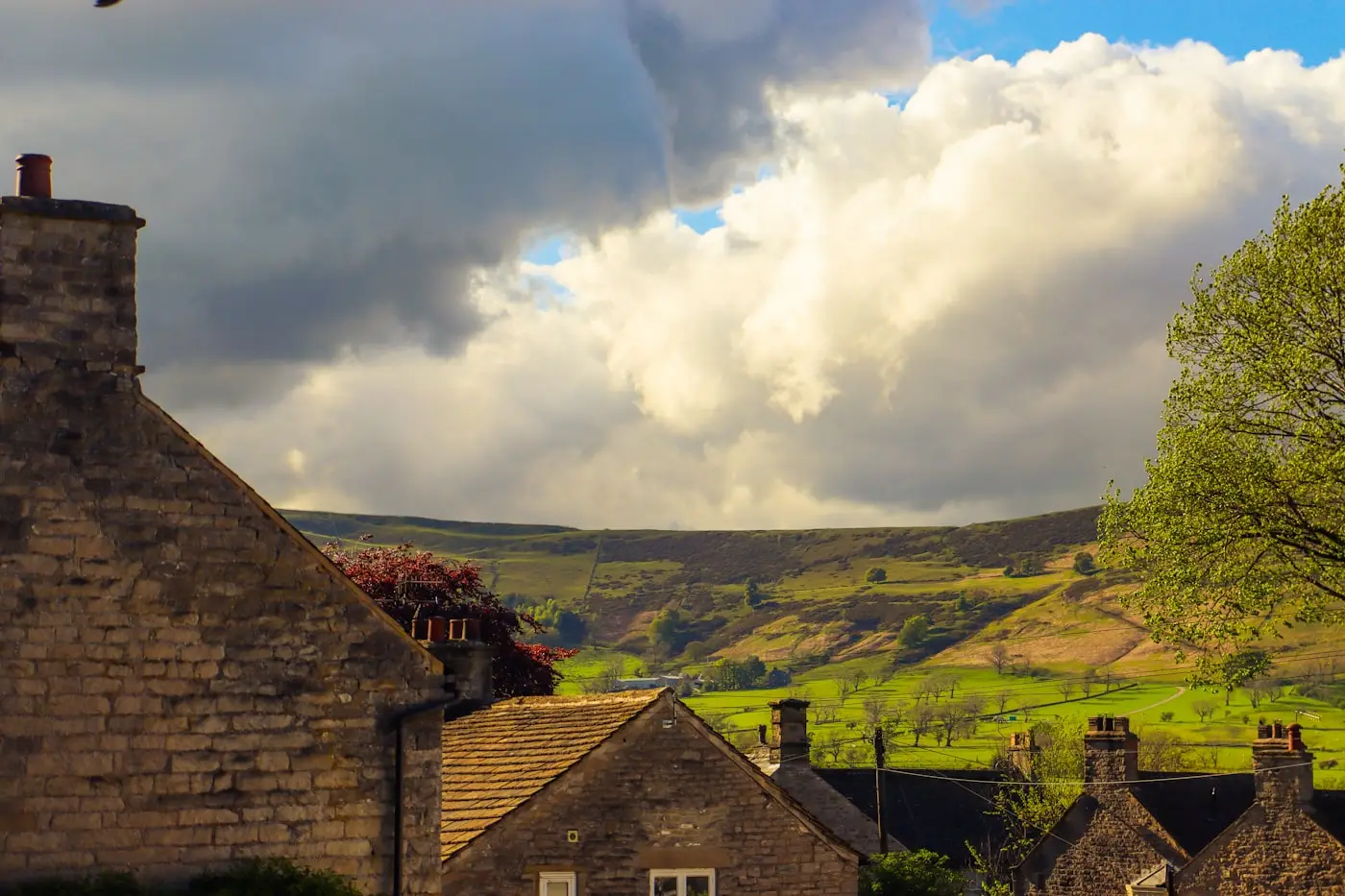
Leylandii has a particular hold on Yorkshire gardens. Walk any suburban street in Harrogate, Leeds, Wakefield, or Hull and you will see them: the tall, dark-green hedges that were planted for fast privacy in the 1980s and 1990s and are now, in many cases, 8 to 15 metres tall and creating serious problems for the people who planted them and their neighbours.
If you are looking at having leylandii removed from your Yorkshire garden, this guide covers the real costs, the legal situation, and what happens once they are gone.
Quick cost answer: Leylandii removal in Yorkshire costs £150-£2,000+ depending on tree height. Small trees under 5m: £150-£300. Typical 5-8m leylandii: £300-£600. Large trees over 8m: £600-£2,000+. Ongoing cutting runs £80-£400+ per tree per year depending on height.
Why Leylandii Becomes a Problem
Leylandii (x Cupressocyparis leylandii) was marketed as the perfect solution for homeowners who wanted a fast-growing evergreen screen. The problem is that "fast-growing" does not stop once you reach the height you want. Leylandii grows at 60-90cm per year when established. A hedge planted at 1.5 metres in 1990 could be approaching 25 metres today if it has never been seriously cut back.
The other critical issue is that leylandii will not regenerate from old wood. Most hedging plants, if cut hard, will push new growth from the stems and recover. Leylandii will not. Once a leylandii is too tall to trim the green outer layer without cutting into dead brown interior wood, you are stuck. The only options are to live with an increasingly large hedge or remove it entirely.
Height causes several specific problems:
- Light loss for the garden and house on both sides of the boundary
- Root competition with neighbouring plants and lawns over a wide area
- Physical risk if trees are close to structures and become unstable
- Neighbour disputes, which in Yorkshire as elsewhere can escalate into legal complaints under the high hedge legislation
Yorkshire's relatively mild, wet climate suits leylandii well. The Vale of York and lower-lying parts of West Yorkshire provide the shelter and moisture that push growth towards the top end of the typical range. Trees in exposed North Yorkshire moorland sites grow more slowly, but even there a neglected leylandii hedge will become difficult to manage within 10-15 years.
The Legal Position
Planning permission for leylandii removal
In most situations, you do not need planning permission to remove leylandii trees from your own garden. Leylandii is not a native species and does not benefit from any automatic protection. However, there are two exceptions that you must check before starting any work.
Tree Preservation Orders (TPOs). Any tree can be subject to a TPO, including leylandii. A TPO prohibits you from cutting, pruning, or removing a tree without consent from your local planning authority. Removing a TPO tree without consent is a criminal offence carrying a fine of up to £20,000. Check whether any of your trees have a TPO via your local council's planning portal before booking any tree surgery. The check is free and takes a few minutes. See our detailed guide to Tree Preservation Orders in Yorkshire for the full process.
Conservation Areas. If your property is in a Conservation Area, all trees with a trunk diameter over 75mm at 1.5 metres height require six weeks' prior written notice to the local planning authority before any work is carried out. You do not need permission as such, but you must give notice and allow the council time to make a TPO if they choose to. Many older parts of York, Harrogate, Skipton, and other Yorkshire towns fall within Conservation Areas.
The high hedge law
If you are on the receiving end of a neighbour's leylandii rather than the owner of the trees, you have a legal route available. Under Part 8 of the Anti-social Behaviour Act 2003, if a high hedge (two metres or more of evergreen or semi-evergreen growth) is adversely affecting your reasonable enjoyment of your home or garden, you can make a formal complaint to your local council.
The council will assess the complaint and, if upheld, can issue a remedial notice requiring the hedge owner to reduce the height and maintain it at a specified level. The complaint fee varies by council but typically runs £300-700. In Yorkshire, councils including Leeds City Council, Sheffield City Council, Bradford Council, and North Yorkshire Council all deal with high hedge complaints under this legislation.
Note: the legislation applies to hedges, not individual trees. A row of leylandii forming a continuous screen is a hedge under the Act. A single leylandii tree is not.
If your complaint is upheld, the council issues a remedial notice specifying the height the hedge must be reduced to and the date by which the work must be done. Failure to comply is a criminal offence. In Yorkshire, councils including Leeds City Council, Sheffield City Council, Bradford Council, and North Yorkshire Council all issue hedge notices under this legislation. The process typically takes 3-6 months from complaint to notice, so it is not a quick fix - but it does provide a legal route where direct negotiation has failed.
Before making a formal complaint, most councils in Yorkshire recommend attempting to resolve the dispute through mediation. The council's Environmental Health or Planning team can advise on whether your hedge meets the threshold for a formal complaint before you pay the fee.
Leylandii Removal Costs in Yorkshire
Prices depend on the height and number of trees, site access, and whether you want stump grinding as part of the job. These are realistic 2026 ranges for Yorkshire.
| Tree height | Cost per tree (felling and removal) |
|---|---|
| Under 5m | £150-£300 |
| 5-8m | £300-£600 |
| 8-12m | £600-£1,000 |
| Over 12m | £1,000-£2,000+ |
| Stump grinding (add-on per stump) | £50-£150 |
For a typical semi-detached garden in Leeds or Sheffield with a row of 8-12 mature leylandii along the rear boundary, the total cost to fell and remove all trees including stump grinding will commonly run £2,500-6,000. That is a significant spend, but the alternative is a continuing problem that will only get more expensive as the trees get larger.
Access makes a significant difference to price. Trees that a climber can fell and chip on-site with a chipper parked on the drive are much cheaper to deal with than trees where every section has to be hand-carried through the house. If your rear garden has no vehicular access and the trees are large, expect to pay at the top end of these ranges or beyond.
What the price should include
A properly quoted leylandii removal job should include felling, cutting into manageable sections, chipping smaller material on-site, and removing all arisings. Stump grinding is usually priced separately but should be offered. Get the quote in writing and confirm what is included before work starts. See our full guide to tree surgery costs in Yorkshire for a broader breakdown across different jobs.
Leylandii Cutting and Maintenance Costs
If your leylandii is still a manageable height and you want to maintain rather than remove it, annual cutting is the ongoing cost to budget for. Prices depend on the number of trees and their current height.
| Tree height | Annual cutting cost per tree |
|---|---|
| Under 3m | £80-£150 |
| 3-5m | £100-£200 |
| 5-8m | £100-£200 |
| Over 8m | £200-£400+ |
The cost per tree falls when you have a long row, as the tree surgeon can work efficiently along the line without repositioning equipment. A row of 20 trees at 5 metres might be quoted as a single job at £1,500-£2,500 rather than at the per-tree rate. Always get a quote for the full row rather than multiplying individual tree figures.
The key constraint with leylandii maintenance is that you can only trim the green outer layer. Once the hedge has grown to a height where reducing it means cutting into dead interior wood, it cannot be brought down - it can only be maintained at its current size or removed. If your leylandii is already at the top of a safe ladder reach, plan for maintenance costs to increase each year as you need taller equipment or a professional for every cut.
Finding a Reliable Tree Surgeon in Yorkshire
Leylandii removal is tree surgery. The trees are large, the chainsaw work is significant, and the risks from falling sections near structures, fences, or people are real. This is not a job for a general handyman or an unqualified labourer with a chainsaw.
Look for:
- NPTC (Lantra) chainsaw certificates, specifically CS30 (felling trees up to 380mm) and CS31 (aerial tree work) for any climber working above ground
- Public liability insurance of at least £5 million
- Professional membership of the Arboricultural Association or BALI (British Association of Landscape Industries)
- A written quotation that itemises work and disposal
Ask specifically whether they have removed leylandii before. Large leylandii have a particular felling challenge: the resinous wood and dense crown require experience. A surgeon who mainly does smaller ornamental trees may be less confident with a row of 10-metre conifers.
Our tree surgery service connects you with qualified, insured tree surgeons across Yorkshire who regularly handle leylandii removal.
What Happens After the Trees Come Down
The ground
Under an established leylandii hedge, the ground is typically dry, depleted, and full of roots. The canopy intercepts most rainfall (leylandii is notoriously rain-shadowing), and the roots take up water and nutrients across a wide area. Once the trees come down, you will have stumps (unless ground, which is recommended), a mass of surface and deep roots, and soil that needs time and improvement before it will support other plants reliably.
Stump grinding turns the stump and upper roots into a mulch, which can be left in place. Over 2-3 years it breaks down and improves soil structure. Stump grinding is almost always worth the extra cost if you plan to plant anything in or near the footprint of the removed trees.
For the first 1-2 years after removal, expect the ground to be difficult. The soil structure will be poor, the pH may have been affected by resin, and there will be ongoing root decomposition. Improving the area with organic matter (good garden compost or well-rotted manure) and being patient with establishment gives new plants the best chance.
The light
One of the unexpected challenges after leylandii removal is managing what the light now hits. Parts of the garden that have been in heavy shade for years may now receive 6-8 hours of sun per day. Shade-adapted plants nearby may struggle. The lawn may develop moss-free, dry bare patches before it adjusts. This is normal and will resolve over one to two growing seasons as the garden adapts.
What to Plant Instead
The reason most people planted leylandii originally was for a fast, tall, evergreen screen. Alternatives that give good screening without the same aggressive growth rate include:
Yew (Taxus baccata). The gold standard for a formal hedge. Grows at about 20-30cm per year, so will take longer to reach height than leylandii, but responds beautifully to clipping, will regenerate from hard pruning (unlike leylandii), and can be maintained at any height indefinitely. For a screen of 1.5-2.5 metres, yew is often the best long-term answer in Yorkshire gardens.
Hornbeam (Carpinus betulus). Holds its dead leaves through winter (marcescence), giving year-round screening without being strictly evergreen. Grows at 30-40cm per year, clips well, and tolerates Yorkshire clay far better than many alternatives. Cheaper to buy as bare-root stock in autumn than pot-grown plants in spring.
Beech (Fagus sylvatica). Similar winter retention to hornbeam. Prefers slightly better-drained soil than hornbeam, so on heavy clay sites hornbeam is often the safer choice. Purple beech works well if you want a contrast to the standard green.
Portuguese laurel (Prunus lusitanica). Evergreen, clips well, grows at about 30-40cm per year and stays in scale more reliably than cherry laurel. Works well in Yorkshire's climate and is more resistant to disease than its common cousin.
Holly (Ilex aquifolium). Native, evergreen, very hardy in Yorkshire winters, and provides berries for birds. Slower than the alternatives above but extremely long-lived and low-maintenance once established.
If you want to replace the leylandii with a mixed native hedge rather than a formal clipped screen, a combination of hawthorn (Crataegus monogyna), blackthorn (Prunus spinosa), field maple (Acer campestre), dog rose (Rosa canina), and hazel (Corylus avellana) will establish well in most Yorkshire soils and supports significantly more wildlife than leylandii. Bare-root native hedging plants are widely available in autumn at low cost - a 10-metre hedge can be planted for £50-80 in materials.
Our tree surgery page includes advice on replanting after removal, and our wider blog covers how TPOs affect your options if you are in any doubt about the legal status of trees in your garden.
Frequently Asked Questions
How much does it cost to remove leylandii?
Leylandii removal in Yorkshire costs £150-£300 per tree for trees under 5 metres, £300-£600 for trees of 5-8 metres, £600-£1,000 for 8-12 metre trees, and £1,000-£2,000+ for anything over 12 metres. Stump grinding adds £50-£150 per stump. A full row of mature leylandii along a rear boundary commonly costs £2,500-£6,000 or more in total, depending on access and the number of trees.
Do I need planning permission to remove leylandii in Yorkshire?
In most cases you do not need planning permission. However, you must check whether any tree has a Tree Preservation Order (TPO) before doing any work. If your property is in a Conservation Area, you must give six weeks' notice to the council before removing trees over 75mm trunk diameter. TPO and Conservation Area checks are free via your local authority planning portal.
What is the high hedge law in Yorkshire?
Under Part 8 of the Anti-social Behaviour Act 2003, if a neighbour's evergreen hedge over two metres tall is adversely affecting your reasonable enjoyment of your property, you can complain to your local council. The council can issue a remedial notice requiring the height to be reduced and maintained at a specified level. Complaint fees typically run £300-£700 across Yorkshire councils including Leeds, Sheffield, Bradford, and North Yorkshire.
Can leylandii be cut back hard?
Leylandii will not regenerate from old brown wood. You can trim the green outer growth annually, but once the hedge has grown too large and you would need to cut into dead interior wood to reduce the height significantly, the only practical options are to leave it at its current size or remove it entirely. This is the key difference from most other hedging plants.
What should I plant instead of leylandii in Yorkshire?
Good alternatives include yew (slower but excellent for formal hedges), hornbeam (holds leaves in winter, very tolerant of Yorkshire clay), beech, Portuguese laurel, and holly. For a wildlife-friendly informal screen, a mixed native hedge of hawthorn, blackthorn, field maple, and hazel establishes well in Yorkshire conditions and is inexpensive to plant.
How much do leylandii grow per year and why does it matter?
Leylandii grow at roughly 60-90cm per year in good conditions. In sheltered, lower-lying parts of Yorkshire (the Vale of York, Leeds, Harrogate), growth at the top of this range is typical. A hedge planted at 1.5 metres in 2000 could now be approaching 25 metres if never cut. Even with annual trimming, the structure becomes heavier each year and the cost of professional maintenance increases as equipment requirements grow.
Can I cut my neighbour's leylandii?
You can trim branches that overhang your side of the boundary, but only back to the boundary line itself. You have no right to enter your neighbour's garden, and you cannot cut the trees below the boundary height unilaterally. Any branches you cut technically remain your neighbour's property and should be offered back. For light or safety problems caused by a neighbour's hedge, the formal route is a high hedge complaint to your local council under the Anti-social Behaviour Act 2003.
Is leylandii removal covered by home insurance?
Standard home insurance does not cover planned leylandii removal or routine maintenance. However, if a dead or diseased tree falls and causes structural damage to your property, your buildings insurance should cover the resulting damage (minus excess). Some policies cover emergency removal when a fallen tree creates an immediate safety risk. Check your policy wording under trees or garden cover. If a neighbour's leylandii is causing damage, their liability insurance may be relevant - document the problem with photos and contact your own insurer for advice.
How much does leylandii removal cost in Yorkshire?
Leylandii removal in Yorkshire costs £150-200 per tree for small conifers under 3m tall, £200-500 per tree for medium trees of 3-6m, and £400-1,200 or more per tree for large leylandii over 6m tall. Stump grinding adds £80-200 per stump. A two-man team working along a row is typically faster and cheaper per tree than a solo operator - always request a full-row quote rather than multiplying a single-tree figure. Access is the biggest pricing variable: trees that can be felled and chipped onto a driveway cost significantly less than material that has to be hand-carried through the house. A row of 10 mature leylandii along a rear boundary typically costs £3,000-8,000 in total including stump grinding.
Do I need planning permission to remove leylandii trees?
In England, leylandii trees are not automatically protected, so in most cases you do not need planning permission to remove them. The two exceptions to check before booking any work: first, whether any tree has a Tree Preservation Order (TPO) - removing a TPO tree without consent is a criminal offence carrying a fine of up to £20,000. Second, whether your property is in a Conservation Area - if it is, you must give six weeks' written notice to the local planning authority before removing any tree over 75mm trunk diameter. Both checks are free via your local council's planning portal and take only a few minutes. Most suburban leylandii in Yorkshire are not subject to either restriction, but the check is always worth doing before you book.
How do I dispose of leylandii after removal in Yorkshire?
Leylandii produces large volumes of material - timber sections, branches and dense foliage - that requires proper disposal. Most professional tree surgeons chip the smaller material on-site using a petrol chipper, which reduces volume significantly and makes disposal far easier. Larger timber sections can be cut for firewood (though leylandii burns quickly and produces less heat than hardwoods) or taken away by the contractor. Disposal is typically charged separately at £50-200 for a van or trailer load depending on volume - confirm this is included before work starts. Green waste can also be taken to a household waste recycling centre free of charge, though multiple trips are usually needed for a full hedge removal. Stump grinding produces a mulch that can be left in place to break down over 2-3 years, improving soil structure as it does.
What is the best time of year to remove leylandii?
Leylandii can be removed at any time of year, but autumn and winter - October to February - are generally best. Between March and August, the nesting season applies: under the Wildlife and Countryside Act 1981 it is an offence to disturb active nesting birds. Before booking any removal work during these months, a qualified tree surgeon should check for active nests. If nests are found, the work must wait until the birds have left - typically 4-6 weeks. Autumn and winter removal also has practical advantages: demand drops after the summer season, so availability is better and pricing can be more competitive. The trees are also slightly less dense without full summer growth, making the felling and chipping process faster.
Need help with leylandii in your Yorkshire garden?
60-second assessment. If a local tree surgeon takes your enquiry, they call you with a price.
Start the assessment