Tree Preservation Orders in Yorkshire: What Homeowners Need to Know
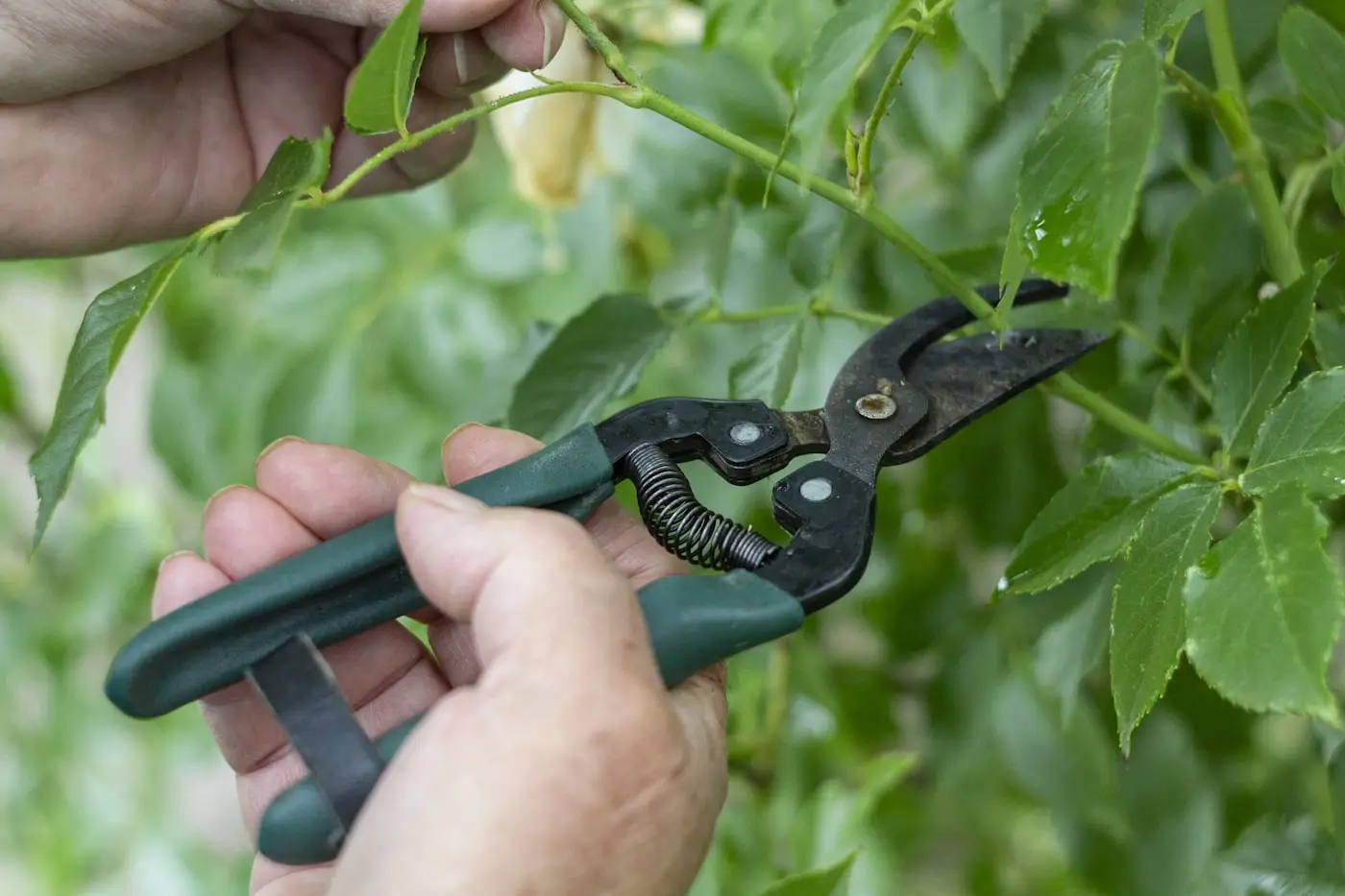
You want to remove a large oak in your back garden. Or reduce that ash tree that's been blocking your kitchen light for three years. Before any saw touches the bark, there is one question that overrides every other consideration: is there a Tree Preservation Order on it?
In Yorkshire, this question matters more than in many other parts of England. The region has some of the most heavily treed residential areas in the country - Victorian suburbs in Leeds, Harrogate, and York are full of mature limes, beeches, and oaks that councils have been quietly protecting for decades. Hundreds of thousands of trees across West Yorkshire, North Yorkshire, South Yorkshire, and East Riding carry legal protection. Many homeowners discover this only after they've already booked a contractor.
This guide covers everything you need to know: what a TPO actually means, how to find out if your tree has one, what work you can and cannot do, the rules that apply if you live in a Conservation Area, how to apply for consent, and what happens if you get it wrong.
What Is a Tree Preservation Order?
A Tree Preservation Order (TPO) is a legal instrument made by a Local Planning Authority (LPA) under the Town and Country Planning Act 1990. It makes it an offence to cut down, uproot, top, lop, willfully damage, or willfully destroy a protected tree without first obtaining written consent from the council.
TPOs are not randomly applied. Councils issue them when a tree makes a significant contribution to the amenity of an area - usually because of its size, its visual prominence, its ecological value, or its historical significance. A council can protect a single tree, a group of trees, or an entire woodland with a single order.
In Yorkshire, the LPAs with authority to make TPOs include:
- Leeds City Council
- Sheffield City Council
- Bradford Metropolitan District Council
- Calderdale Council
- Kirklees Council
- Wakefield Council
- City of York Council
- North Yorkshire County Council (and the district/borough councils that sit beneath it)
- East Riding of Yorkshire Council
- Hull City Council
If your property sits within a National Park - the Yorkshire Dales or the North York Moors - the relevant National Park Authority (YDNPA or NYMNPA) acts as the planning authority and issues its own TPOs. These come with equally strong enforcement powers, and in practice the National Park Authorities are often more proactive about protection than some urban councils.
How to Find Out if Your Tree Has a TPO
This is the single most important practical step, and it is straightforward in most cases.
Check Your Council's Online Planning Portal
Every major Yorkshire council now publishes a GIS map or searchable planning portal that includes TPO layers. The easiest approach:
- Go to your council's planning portal (usually linked from the planning section of the council website)
- Search for your address or postcode
- Enable the TPO overlay or tree protection layer
- Trees with TPOs are typically shown as coloured markers or polygons - check whether your tree falls within a protected area or has a specific order number
Leeds City Council's planning explorer, Sheffield's map-based planning portal, and York's planning portal all have usable TPO layers. North Yorkshire's system is slightly patchier for older orders but is improving.
Contact the Tree Officer Directly
Every local planning authority must have a tree officer (or a planning officer with tree responsibility). If the online portal is unclear - or if you live in an area where older paper-based records haven't been digitised - a quick email or phone call to the planning department will get you an answer. Ask specifically: "Is there a Tree Preservation Order or Conservation Area designation affecting a tree at [your address] - specifically [description of tree]?" Most tree officers will respond informally and quickly.
Freedom of Information Request
If you cannot get a clear answer by other means, an FOI request under the Freedom of Information Act 2000 is your legal fallback. Submit it in writing to the council's FOI team, asking for a list of any TPOs registered against your property address. The council must respond within 20 working days. This route is slower but creates a written record.
Check Your Property Deeds and Conveyancing Searches
If you bought your property recently, your solicitor's local authority search (CON29) should have flagged any TPOs at or near your property at the time of purchase. However, new TPOs can be made at any time, so a search that was clear two years ago does not guarantee your tree is unprotected today.
Do Conservation Area trees have the same protection as TPO trees in Yorkshire?
Even if your tree has no formal TPO, it may still be fully protected - and this catches Yorkshire homeowners out more than almost anything else.
Under Section 211 of the Town and Country Planning Act 1990, all trees in a designated Conservation Area with a trunk diameter of 75mm or more (measured at 1.5m from the ground) are automatically protected. You do not need a formal TPO for this protection to apply. The tree just needs to be big enough and inside the boundary of a Conservation Area.
Yorkshire has an exceptionally large number of Conservation Areas. The stone-built market towns of the Dales (Skipton, Settle, Grassington), the Georgian and Victorian spa towns (Harrogate, Ilkley, Saltaire), the historic city centre of York, the village greens of the Howardian Hills, the mill-town conservation designations in Calderdale and Kirklees - all of these confer automatic tree protection on qualifying trees within their boundaries.
If you live in a Conservation Area, the process before doing any work on a qualifying tree is:
- Submit written notice to your council using the TC1 form (available from your council's website)
- Wait six weeks
- The council may respond by: (a) granting consent, (b) making a formal TPO within the six weeks to add permanent protection, or (c) not responding, in which case you can proceed after the six weeks have elapsed
Doing any work on a protected Conservation Area tree without serving this notice is a criminal offence with the same fine levels as breaching a formal TPO - up to £20,000 in the Magistrates' Court.
What Work Requires TPO Consent?
The Town and Country Planning (Tree Preservation) (England) Regulations 2012 are specific about what counts as protected work. You need written consent for any of the following on a TPO tree:
- Felling - cutting the tree down entirely
- Topping - removing the main leader or the crown of the tree
- Lopping - removing major lateral branches
- Uprooting - removing the tree by its roots
- Willful damage - anything that would significantly affect the tree's health or appearance
- Willful destruction - any action intended to kill or seriously harm the tree
Common work that requires prior consent includes crown reduction, crown lifting (removing lower branches to increase clearance), branch removal even for one branch, pollarding, and any form of root disturbance through construction or excavation near the root zone.
What Does Not Require Consent
There are genuine exemptions worth knowing:
- Dead, dying, or dangerous trees: You can carry out work without prior consent, but you need to be able to demonstrate that the tree was genuinely in one of these states. Keep evidence: photos showing the condition, a written assessment from a qualified arborist (an ISA-certified arborist or one holding the Level 3 Award in Arboriculture). The council will scrutinise this after the fact if they become aware of the work.
- Trees under 75mm diameter at 1.5m height (for Conservation Area trees), or very young trees under some TPOs with size thresholds
- Fruit trees in commercial orchards managed for cropping purposes
- Statutory body work: work carried out by or on behalf of a utility company or statutory authority under their own legal powers
- Immediate risk to life: you can take emergency action to remove an immediate, demonstrable risk, but must notify the council as soon as reasonably practicable
How to Apply for TPO Consent
Applying for consent to carry out work on a TPO tree is free of charge in most cases (unlike planning applications which carry fees). Here is the process:
Step 1: Prepare Your Application
You will need:
- The TPO reference number (from the council's portal or the tree officer)
- A clear description of the work you want to do, including which tree(s), which branches/sections, and the specification of work (e.g. "crown reduce by 20% retaining natural form", not just "cut back a bit")
- Your reasons for the work - practical reasons carry more weight than aesthetic preferences
- Ideally, an arborist's report supporting the application, especially for significant work like felling
Step 2: Submit to Your Local Planning Authority
Most Yorkshire councils now accept online submissions through the Planning Portal (planningportal.co.uk) or their own portals. Paper forms are available directly from the council. Your council's tree officer is usually very willing to give informal pre-application guidance - a quick call before you submit can save significant back-and-forth.
Step 3: Wait for a Decision
The council must determine TPO works applications within 8 weeks of the application being valid. In practice, straightforward applications are often decided faster. The possible outcomes are:
- Consent granted unconditionally - proceed as described
- Consent granted with conditions - typically specifying how the work must be done, what tree surgery specification to follow, or requiring replacement planting
- Consent refused - the tree officer believes the work is not justified; you can appeal this decision to the Planning Inspectorate
When Consent Is Refused: Your Options
If your application is refused, you can appeal to the Planning Inspectorate within 28 days of the refusal. You can also seek to have the TPO revoked (by the council) if you believe it was incorrectly made - this is difficult but possible if you have strong grounds. A professional arboricultural consultant can support both routes.
Penalties for Breaching a TPO
This is not a bureaucratic inconvenience. Yorkshire councils do prosecute, and the penalties are significant.
For a first offence in the Magistrates' Court, the maximum fine is £20,000. There is no custodial sentence for most TPO breaches, but the financial penalty is designed to make it economically unattractive to take a chance.
If the breach involves a tree associated with a listed building (which is common in Yorkshire's many historic villages and towns), the case can be heard in the Crown Court where fines are unlimited.
In addition to the fine, the court can - and often does - order replacement planting. The replacement tree must be "of appropriate size and species", which can mean a costly nursery specimen rather than a whip. The cost of replacement planting is on you, not the council.
It is worth being aware that instructing a contractor to carry out the work does not protect you as the landowner. Both the person who carries out the work and the person who instructed it can be prosecuted. This is why any reputable arborist will refuse to work on a protected tree without sight of the consent notice.
Common Work People Want to Do on TPO Trees in Yorkshire
Crown Reduction
This is by far the most common request - reducing the overall size of the crown by a specified percentage. It requires consent if the tree is protected. A well-written application citing shade to property, proximity to the house, or structural concerns will typically be considered on its merits. An arborist's report supporting the case significantly improves the chances of consent.
Crown Lifting
Removing lower branches to provide clearance over paths, driveways, or neighbouring properties. Usually achievable with consent. Standard crown lifting for clearance (removing branches up to a specified height from ground level) is one of the more commonly approved applications.
Branch Removal for Safety
A single branch that is dead, structurally compromised, or presents a specific hazard can often be removed with consent - or without consent if it meets the dead/dying/dangerous threshold. Evidence is essential: photos, and ideally a written statement from a qualified arborist that the branch poses a genuine risk.
Pollarding
Traditionally cutting back to main branches at a set height. This is a significant intervention and requires consent. Councils are generally reluctant to approve pollarding that hasn't been done previously on that tree (re-pollarding a historic pollard is different from starting a new pollarding regime).
Full Removal
The hardest application to get approved. The standard is high: you need to demonstrate that the tree is dead, dying, dangerously defective, or that the amenity value of removal is genuinely outweighed by other significant factors (serious structural damage to buildings, for example, with supporting structural engineer's report). Simply not liking a tree, or finding it inconvenient, is not grounds for consent.
National Park Trees: Even Stronger Protection
If your property sits within the Yorkshire Dales National Park or the North York Moors National Park, the relevant National Park Authority acts as the planning authority for tree matters. These authorities tend to apply a more protective approach than most district councils. The Conservation Area provisions apply across the entire settlements within the park, and both YDNPA and NYMNPA are active in pursuing breaches. If your property is within either park, treat every substantial tree as protected until proven otherwise.
Getting Professional Tree Work Done Correctly
Once you have consent in place, or have confirmed your tree is not protected and the work is within exemptions, it is worth getting the job done properly. Our tree surgery service connects you with qualified local arborists across Yorkshire who understand TPO requirements, carry the right insurance, and can provide the kind of professional specification that makes a consent application far more likely to succeed.
If you have a protected tree that needs attention, the right sequence is: check the TPO status first, get an arborist's assessment, apply for consent with a proper works specification, and then instruct the contractor only once consent is in your hands. Our tree pruning guide covers the technical side of what good arboricultural work looks like, and our guide to finding a tree surgeon in Yorkshire explains what qualifications to look for and what questions to ask before you hire.
If you are also thinking about adding new trees to your garden, our guide to planting trees in Yorkshire covers species selection, planting timing, and establishment care. And if a protected tree has already come down and left a stump, our stump grinding guide explains your options and costs.
Key Points to Remember
| Situation | What you need to do |
|---|---|
| Tree with a formal TPO, any significant work | Apply for TPO consent before any work starts. Free application, 8-week decision. |
| Tree in a Conservation Area, trunk 75mm+ | Submit TC1 notice to council, wait 6 weeks, then proceed if no TPO is made. |
| Dead, dying, or dangerous TPO tree | Document thoroughly (photos, arborist statement) before work, notify council promptly. |
| Tree in Yorkshire Dales or North York Moors NP | Contact the National Park Authority's tree officer before any work. |
| Not sure if tree is protected | Check council portal or ask the tree officer. Do not assume it is safe to proceed. |
Frequently Asked Questions
Can I cut overhanging branches from a neighbour's TPO tree?
This is a genuinely complex area. As a landowner, you have a common law right to cut branches that overhang your boundary, back to the boundary line. However, if the tree is protected, you must still obtain consent from the council for that pruning work before you carry it out, even though it is on your land. The protection attaches to the tree, not to the ownership boundary. Your neighbour also has the right to have cut material returned to them, since the tree and its wood remain their property.
My neighbour cut down their TPO tree - should I report it?
Breach of a TPO is a matter for your local planning authority. You can report it to the council's planning enforcement team. Councils have discretion on whether to prosecute, but documented evidence (photos with timestamps) submitted promptly is helpful. Many councils take TPO enforcement seriously, particularly where the breach is clear and the amenity loss is significant.
Can a TPO be removed from a tree?
Yes, a council can revoke a TPO, but this requires the council to be satisfied that the tree no longer merits protection - because it is dead, because its condition has deteriorated, or because circumstances have genuinely changed. Councils are understandably reluctant to remove protection and the bar is high. A formal application is required, and the council can choose not to revoke even if the tree officer might agree it is marginal.
Does a TPO affect house sale?
A TPO on a tree in your garden will appear in the local authority search (CON29) during conveyancing. It is not a deal-breaker, but it affects what the buyer can do with the tree and should be disclosed. Estate agents sometimes underplay this; make sure your solicitor is clear. If any unauthorised work has been carried out previously, this creates a more serious issue that needs to be addressed in the conveyancing process.
How do I find out if my tree has a TPO in Yorkshire?
The quickest route is your local council's planning portal - most Yorkshire councils (Leeds, Sheffield, York, Bradford, Calderdale, Kirklees, East Riding, NYCC) now publish searchable TPO maps online. Search for your address and look for any tree protection layer. If the online portal is unclear, submit a Freedom of Information request to the council's planning or tree officer team - they must respond within 20 working days. You can also ask your council's tree officer directly; most will tell you informally.
Can I prune a TPO tree in my garden?
You need written consent from your local planning authority before carrying out any pruning, crown reduction, crown lifting, or branch removal on a TPO tree. Submit a TPO works application (free of charge at most councils) describing the work, the reason, and ideally attaching a report from a qualified arborist. The council will typically decide within 8 weeks. Minor pruning to maintain a hedge shape or remove dead wood under 5cm diameter is generally exempt, but when in doubt, apply first.
What is the fine for cutting down a TPO tree in Yorkshire?
The maximum fine in the Magistrates' Court for destroying or carrying out unauthorised work on a TPO tree is £20,000. Prosecutions are brought by the local planning authority (your council). In addition, the court can order replacement planting. For the most serious cases involving substantial amenity loss, councils do pursue prosecution - several Yorkshire councils have issued fines in the £5,000-20,000 range in recent years.
Need tree work done on your Yorkshire property?
60-second assessment. If a local qualified arborist takes your enquiry, they call you with a price.
Start the assessment