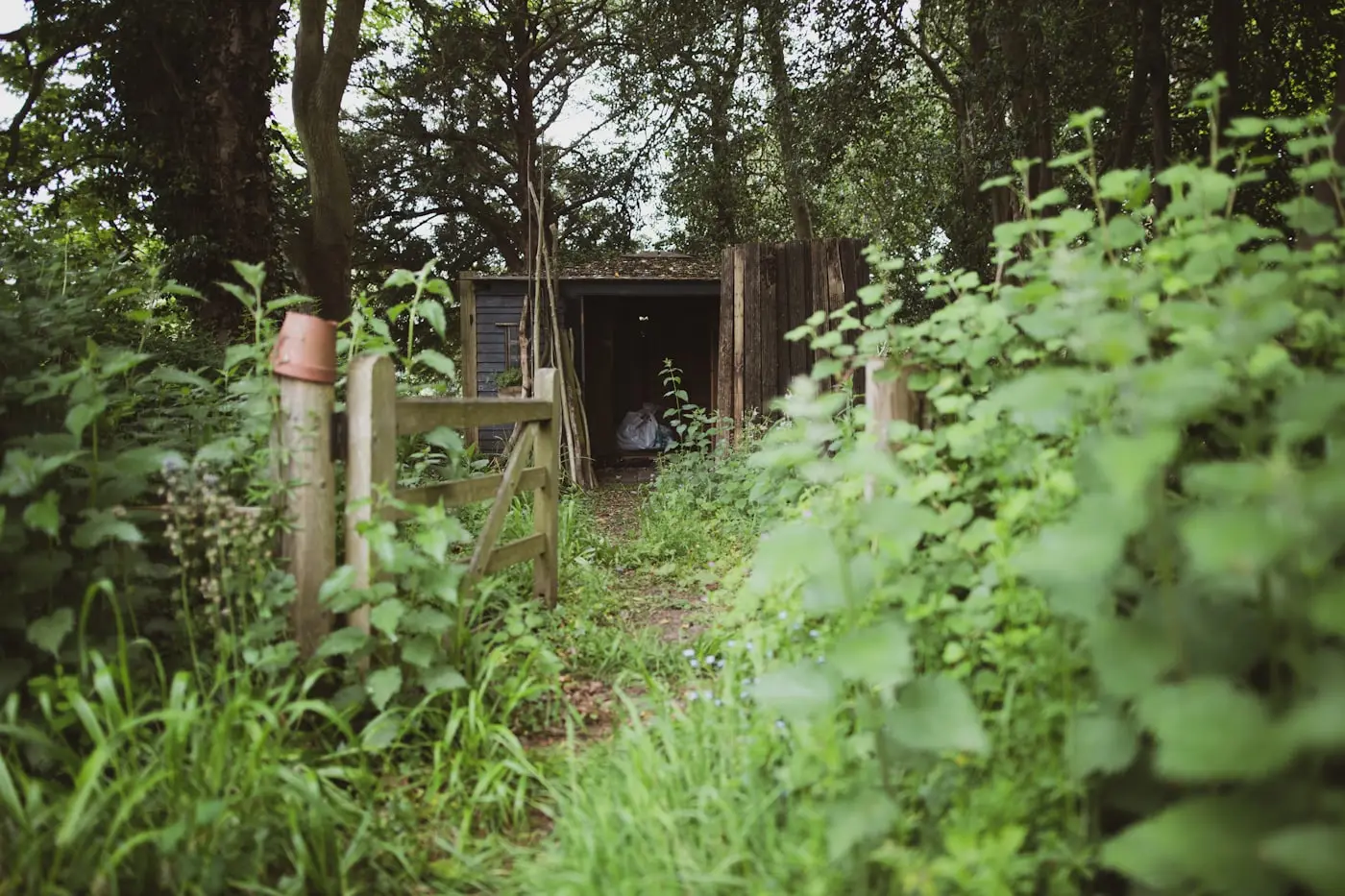
Pre-Sale Garden Clearance: Getting Your Garden Market-Ready
If you are selling your home, a tidy garden can add significant value and speed up the sale. Estate agents consistently report that overgrown front gardens reduce offers and put buyers off before they have even walked through the front door. A professional garden clearance in Yorkshire costs £150-500 depending on size and overgrowth, and can be completed in a day.
The return on investment is unusually strong. A £200-300 pre-sale clearance on a mid-terrace in Leeds or York can add several thousand pounds to perceived value and reduce time on the market. Estate agents report that the garden is the second thing buyers judge from the street after the front door, and an overgrown front garden often triggers a lower opening offer before the viewing has even started.
Yorkshire properties present specific challenges for pre-sale clearance: heavy clay soils in the Vale of York and West Yorkshire slow manual clearance work and can make access difficult after wet weather. Stone-terraced properties common across Bradford, Halifax, and Huddersfield often have small, enclosed rear yards where access for trailers and machinery is limited. This is worth flagging when you get a quote, as it can affect both price and logistics.
How Much Does Pre-Sale Garden Clearance Cost?
Pre-sale garden clearance in Yorkshire costs £150-500 for most properties. A medium-overgrown back garden is typically £200-350. Here is a full breakdown by job size:
| Job type | Typical cost (Yorkshire, 2026) |
|---|---|
| Small garden pre-sale tidy (front garden, half-day) | £80-150 |
| Medium clearance (back garden, half-day) | £150-250 |
| Full clearance (whole day, two people) | £250-500 |
| Large or heavily overgrown garden | £400-800+ |
| Skip hire (if needed, additional) | £150-300 |
Most pre-sale clearances are on the lower end of these ranges because the aim is presentation rather than full restoration. Cutting back shrubs, clearing beds, mowing and edging, and removing visible debris is usually enough to transform how a garden photographs and how buyers perceive it at a viewing. See the full garden clearance cost guide for a detailed breakdown by job type.
What Is Included in a Pre-Sale Garden Clear-Out?
A pre-sale garden clear-out typically includes: cutting back overgrown shrubs and hedges, removing dead plants and debris, lawn mowing, weeding borders, and skip or green-waste disposal. The key difference between a pre-sale clearance and a full garden renovation is scope: the aim is to make the space look managed and presentable for photos and viewings, not to plant it up or redesign it.
A standard pre-sale clearance job includes:
- Cutting back all overgrown shrubs, hedges, and climbers to a presentable height
- Strimming or mowing any grass or weeds to ground level
- Removing dead plants, fallen branches, and accumulated debris
- Clearing and weeding borders so soil is visible and tidy
- Edging lawn borders where applicable
- Loading and removing all green waste (trailer or skip, depending on volume)
It does not usually include: planting, turfing, paving repairs, or repainting fences. Those are optional follow-ons if the budget allows, but they are rarely essential for a sale.
Good hedge trimming in particular makes a significant visual difference on properties where boundary hedges are the most visible element from the street.
How Long Does Pre-Sale Garden Clearance Take?
Most pre-sale garden clearances take 4-8 hours for a standard Yorkshire property. A team of two gardeners can often complete the work in a single day. This is one of the strongest reasons to use a professional team rather than attempting it yourself: what takes a homeowner three weekends of uncomfortable work is a standard working day for a two-person crew with the right equipment.
Factors that extend the job:
- Established bramble or ivy systems with deep root networks
- Very large garden (over 100 sq m of overgrown area)
- Restricted access for machinery or waste removal
- Heavy clay soil after wet weather slowing ground clearance
- Tree surgery elements (these require a separate arborist visit)
Does Garden Clearance Add Value When Selling?
Yes. A well-presented garden can add 5-10% to perceived property value and significantly improve kerb appeal, according to estate agents. The front garden in particular affects first impressions from the street and from listing photographs - the first thing most buyers see before deciding whether to book a viewing.
The specific uplift depends on property type and local market:
- Detached and semi-detached properties with rear gardens that extend into the listing photos see the most direct impact. A cleared and tidied rear garden often features in 3-4 of the listing photos and shapes buyer perception of the whole property.
- Terraced properties with front-only gardens benefit most from front-garden clearance and a quick lawn edge - what photographs well at street level changes the click-through rate on Rightmove listings.
- Properties priced near round-number thresholds (e.g. £295,000 vs £305,000) are particularly sensitive to presentation. A cleared garden on a property that might otherwise justify a below-threshold offer can tip the buyer's calculation.
Pre-Sale Clearance Timeline: What to Do in the Weeks Before Listing
The best results come from working backwards from your target listing date. Here is a practical pre-sale garden checklist by timeframe:
6-8 weeks before listing
- Walk the garden with a critical eye and photograph every area
- Identify any trees that may have Tree Preservation Orders (check with your local council)
- Check for Japanese knotweed (see below) - this needs time to manage if present
- Book any tree surgery that is needed (arborists often have 2-4 week lead times)
- Get clearance quotes - send photos for accurate pricing
3-4 weeks before listing
- Book and complete the main garden clearance
- If lawn is thin or patchy, overseed now (needs 3-4 weeks to show improvement)
- Replace any broken fence panels - these are visible in listing photos and signal neglect
- Power-wash patio or path if applicable
1-2 weeks before listing
- Mow the lawn (first mow after clearance establishes the lines)
- Edge the lawn borders - this has a disproportionate visual impact
- Add a bark mulch layer to any cleared beds to prevent regrowth and look finished
- Add a few seasonal pot plants to the front door - cheap and effective for photos
Day before / day of photos
- Final mow and edge if needed
- Clear away any tools, bins, or clutter visible from the main photo angles
- Water any pots if dry - wilted plants in listing photos are a common own goal
Yorkshire-Specific Considerations for Pre-Sale Clearance
Yorkshire gardens present some specific conditions that affect clearance work, cost, and timing:
Heavy clay soils across West Yorkshire, the Vale of York, and parts of North Yorkshire make manual digging harder and extend clearance time by 20-30% compared to sandier soils. Clay also drains poorly, which means access for vehicles and machinery after wet weather can cause significant lawn damage. If you are clearing before photography, book the job during or after a dry spell where possible.
Stone-terraced properties in Bradford, Halifax, Hebden Bridge, and the Calder Valley typically have small enclosed rear yards or gardens with no vehicle access. All waste must be bagged and carried through the house or over the back wall - this is standard in the area but adds time and should be factored into the quote.
Boundary walls rather than fences are common on older Yorkshire properties. Overgrown ivy on stone walls requires careful clearance - removing deeply embedded ivy root systems from pointing is slower work and can expose damaged mortar underneath. Identify this before booking to make sure it is included in the quote.
Autumn clearance is particularly well-timed in Yorkshire because the main growing season ends earlier than in southern England. A clearance booked for October or November clears the garden before winter and leaves it looking managed through the spring market - the highest-volume selling season in Yorkshire.
What Do I Do With an Overgrown Garden When Buying?
Start with an assessment: identify what is overgrown versus dead, what is worth keeping, and what needs clearing. A professional gardener can assess in 30 minutes and give you a clear action plan. The worst clearance outcome is losing something valuable because it looked overgrown.
Before you book any clearance work, spend an hour walking the garden and photographing everything you are not sure about. You do not need to identify every plant - you just need to note anything that looks substantial, established, or potentially valuable.
Mature trees
Any tree with a trunk diameter over 10cm at chest height is worth getting a professional opinion on before you touch it. Many Yorkshire properties have Tree Preservation Orders (TPOs) on significant trees, particularly in Conservation Areas. Check with your local authority before any tree work on a newly purchased property.
Fruit trees
Apple, pear, plum, and damson trees are common in older Yorkshire gardens, particularly in North Yorkshire and the Vale of York. An unpruned fruit tree that has not been touched for 5-10 years may look chaotic, but the rootstock is established and the tree is recoverable in most cases. A proper renovation prune over two to three winters brings most old fruit trees back into productive condition. Do not remove fruit trees without an assessment - they can take 10-20 years to replace from new stock.
Large shrubs with structure
Rhododendrons, camellias, and large viburnums can be opened up and reduced significantly without being killed. An overgrown Philadelphus that has not been cut for years can be coppiced to ground level and will regenerate. Old lilac can be renovated hard. The plants most commonly worth keeping in overgrown Yorkshire gardens: roses (cut to three or four strong stems from the base in March), buddleja (hard prune every spring regardless), and Viburnum in any form. The plants most likely to be too far gone: privet hedging that has lost its base and is all at the top, old conifer hedges that have been let grow into a wall (leylandii cannot be cut back into old wood and regenerate).
Common finds in Yorkshire overgrown gardens
- Old fruit trees - usually recoverable with renovation pruning; worth keeping
- Large bamboo clumps - can be removed but takes effort; running bamboo needs proper treatment to prevent regrowth
- Rampant ivy on walls - remove if getting into gutters, pointing, or under roof tiles; leave if it is on a wall not adjacent to the structure
- A greenhouse hidden under brambles - worth keeping if glazing and frame are intact; replacement greenhouses start at £500-1,500
- Old vegetable patches - the soil in old vegetable beds is often the best in the garden after years of composting; worth clearing and restoring
- Concrete or stone features under weeds - many overgrown gardens have decent paving or paths hiding under growth; worth uncovering before you assume there is nothing there
Step 2: Book a Clearance and Understand What You Are Paying For
Once you have done the walk-around assessment, you have enough information to get an accurate clearance quote. The more information you give a clearance contractor upfront - photos from multiple angles, access details, anything you specifically want kept - the more likely the quote is to hold on the day.
What a garden clearance job includes
A standard garden clearance quote on a newly purchased overgrown property typically covers: cutting back all overgrown shrubs and trees to a manageable height or to the ground; strimming tall grass and weeds to ground level; raking up and bagging or loading all debris; removing and disposing of waste. It leaves the garden in a cleared state, not a finished state - you will still need to do follow-up work on the lawn and beds, but the jungle is gone and you can see what you are working with.
Yorkshire clearance costs in 2026
| Job size | Typical time | Typical cost (Yorkshire) |
|---|---|---|
| Small garden, light to moderate overgrowth | Half day (2 people) | £200-350 |
| Medium garden, moderate to heavy overgrowth | Full day (2 people) | £400-700 |
| Large garden, heavy overgrowth with established bramble/shrubs | 1.5-2 days (2 people) | £700-1,200 |
| Skip hire (if needed, additional) | n/a | £180-350 |
Burning is rarely practical in urban Yorkshire areas - most councils have restrictions on bonfires in residential areas and it creates smoke complaints. Most contractors bag and remove using a trailer and Waste Carrier's Licence, or use a skip for larger volumes. Ask specifically whether waste disposal is included in the quote and what the arrangements are.
See the full garden clearance cost guide for a detailed breakdown, or the clearance near me guide for how to find a local contractor in Yorkshire.
The best time to book a clearance on a newly bought property
The ideal timing is late winter to early spring, particularly February to March. At this point, most perennials are still dormant, you can see the structural skeleton of the garden before it leafs up, and the cleared garden has the full growing season ahead to recover. This is also when it is easiest to identify what is what - an apple tree is obvious in February; in August it is hidden in a wall of growth.
If you have just moved in during summer or autumn, do not wait - book the clearance for the next available slot. Autumn clearance (October-November) is the second-best window: plants are going dormant, it is easier on the cleared lawn to recover over winter than to miss the whole summer, and most gardeners have more availability in autumn than spring.
Japanese Knotweed: What to Check Before You Book
This deserves its own section because the consequences of getting it wrong are significant. Japanese knotweed (Fallopia japonica) is an invasive species that spreads aggressively, is notifiable under the Wildlife and Countryside Act, and cannot legally be disposed of as ordinary green waste. It also affects property values and mortgage lending - some lenders now require a knotweed survey and management plan as a condition of offer.
In Yorkshire, Japanese knotweed is found throughout the county, most commonly near waterways (the Aire, Calder, Wharfe, and Ouse corridors are all affected), near railway lines, and in urban areas with a history of fly-tipping. It is not as common in domestic gardens as public alarm sometimes suggests, but it does appear, particularly in gardens near the above areas or where fly-tipped material has been dumped.
How to identify it: look for hollow, bamboo-like stems with purple speckles, large heart-shaped leaves with a flat base (not a pointed tip), and creamy-white flower clusters in late summer. In winter it dies back to brown, hollow stalks that persist in place. In spring, red-purple shoots emerge rapidly and grow to 2-3m if left unchecked.
If you see anything that could be Japanese knotweed: do not cut it, do not dig it up, and do not move soil from that area. Photograph it and send to a specialist for identification before booking any clearance. If confirmed, you will need a licensed contractor for knotweed removal.
Step 3: After the Clearance - Assess What You Actually Have
A good clearance reveals the garden. This is genuinely one of the most useful things about booking a professional clearance: you get a clean baseline from which to make decisions, rather than trying to plan around a jungle.
What often emerges after a clearance in a Yorkshire overgrown garden:
- A lawn that is thinner and weedier than ideal but not dead. Yorkshire clay lawns are resilient. Overseeded and fed in autumn, even a lawn that has been left for three to four years recovers to a presentable state within a season. See the guide to repairing patchy Yorkshire lawns for the specifics.
- Established beds that just need cutting back and mulching. Once the overgrown growth is off, you often find that the original planting scheme is still there and just needs tidying. Prune shrubs to shape, pull any perennial weeds while the beds are accessible, apply a 7-10cm bark mulch, and the beds are ready for the season.
- Paving or paths under the growth. Pressure wash the slabs, re-point any loose joints, and the patio or path is restored. This is a common discovery and saves significant money compared to relaying.
- Fencing that is more damaged than it appeared. Overgrown ivy and brambles often mask fence panels that are rotten or leaning. Once cleared, the extent of any fencing work becomes apparent. Budget for this: a standard 6ft panel in Yorkshire costs £25-40 for the panel plus £40-80 per post and fitting, depending on access and ground conditions.
After the Clearance: What to Prioritise
You do not need to fix everything at once. Here is a practical sequence for getting a cleared garden functional as quickly and cost-effectively as possible.
First: get the lawn sorted
The lawn is usually the most visible element and the one that makes the garden feel either neglected or cared for. If the clearance happened in spring, scarify, aerate, and overseed immediately. If you are in autumn, that is the ideal window for a full autumn lawn service - scarification, aeration, overseeding. If the lawn is genuinely beyond recovery (bare compacted soil, less than 30% grass), turfing in September gives the fastest result.
Second: mulch the beds
A 7-10cm layer of composted bark mulch across all cleared beds prevents weeds from re-establishing and looks immediately better than bare cleared soil. It buys you time to decide what plants you actually want and where, without the beds deteriorating back into a weed patch while you think about it. Cost: around £40-65 per cubic metre delivered, plus labour to spread.
Third: get a gardener for ongoing maintenance
A cleared garden left without any maintenance will revert to an overgrown garden within two to three seasons. Once cleared, the most cost-effective next step is a regular maintenance arrangement - fortnightly or monthly depending on the season - that keeps the garden in the managed state the clearance created. Most local Yorkshire gardeners will offer a discounted first visit for a property that has just been cleared, as it is straightforward work from a clean baseline. See garden clearance services and ongoing maintenance services for what this looks like in practice.
Frequently Asked Questions
How much does pre-sale garden clearance cost in Yorkshire?
Pre-sale garden clearance in Yorkshire costs £150-500 for most properties. A medium-overgrown back garden is typically £200-350. A small front garden tidy runs £80-150. A full whole-day clearance with two people is £250-500, and very large or heavily overgrown gardens can run to £400-800 or more. Skip hire adds £150-300 if needed. The cost is almost always recoverable in offer price uplift.
What is included in a pre-sale garden clear-out?
A pre-sale garden clear-out typically includes: cutting back overgrown shrubs and hedges, removing dead plants and debris, lawn mowing and strimming, weeding borders, and skip or green-waste disposal. The aim is to leave the garden looking managed and presentable for viewings and photographs.
How long does pre-sale garden clearance take?
Most pre-sale garden clearances take 4-8 hours for a standard Yorkshire property. A team of two gardeners can often complete the work in a single day. Very large or heavily overgrown gardens may need 1.5 to 2 days.
Does garden clearance add value when selling a house?
Yes. A well-presented garden can add 5-10% to perceived property value and significantly improve kerb appeal. Estate agents consistently report that overgrown front gardens reduce offer values and slow sale times. A professional clearance costing £150-400 typically delivers a far greater return in offer price than its cost.
What do I do with an overgrown garden when buying a house?
Start with an assessment: identify what is overgrown versus dead, what is worth keeping, and what needs clearing. A professional gardener can assess in 30 minutes and give you a clear action plan. Do not remove anything substantial before checking for Tree Preservation Orders or Japanese knotweed.
How much does a full clearance cost on a newly bought Yorkshire property?
A standard back garden clearance on a typical semi-detached or detached Yorkshire property costs £200-500 for a half-day job (light to moderate overgrowth) or £400-700 for a full day with a two-person team. Skip hire, if needed for large volumes of non-green waste, adds £180-350 on top. Very large gardens or severe overgrowth with established bramble systems and self-seeded trees can run to £800-1,500 before waste disposal. Get a quote with photos first - the difference between a £250 job and an £800 job is usually visible in a few good photographs.
Can I keep the big tree in the middle of the garden?
Usually yes, unless it is dead, severely diseased, or dangerously close to the house or boundaries. Most mature trees in Yorkshire gardens are worth keeping: they add privacy, wildlife habitat, and long-term value. Before you decide to remove a tree, get an arborist to assess it. A survey visit from a local arborist costs £50-100 and tells you whether the tree is healthy, what work it needs, and whether any Tree Preservation Orders apply. Do not assume that an overgrown or unkempt tree needs removing - most just need a proper prune.
What if there is Japanese knotweed in the garden?
Stop and get it properly identified before doing anything else. Japanese knotweed cannot legally go in a skip, be composted on site, or be fly-tipped. If you suspect it, photograph the stems, leaves, and any flowers and send to a specialist for confirmation before booking any clearance work. If confirmed, you will need a licensed contractor and a management plan. This can affect mortgage lending on the property - lenders are increasingly asking for knotweed surveys and management plans. See the Yorkshire knotweed removal guide for costs and process.
What is the quickest way to get an overgrown garden looking presentable?
Book a one-day clearance with a two-person team. In a single day, a professional clearance team can cut back all overgrown growth, strim the grass and weeds to ground level, remove debris, and leave the garden in a state that looks managed even before any planting or lawn work begins. The garden will not look finished, but it will look like someone lives there and cares about it. Follow-up work - turfing, bed preparation, fencing - can come once you have lived in the space and decided what you actually want.
How much does pre-sale garden clearance cost?
Pre-sale garden clearance in Yorkshire typically costs £150-£300 for a small tidy garden, £250-£500 for a medium-sized garden with some overgrowth, and £400-£800+ for a large or heavily overgrown plot. The cost depends mainly on garden size, how much vegetation needs removing, and whether waste disposal is included. Most estate agents say a clean garden adds perceived value well beyond the clearance cost, so it is usually worth doing. See the full garden clearance cost guide for a detailed price breakdown by job size.
Is garden clearance worth doing before selling a house?
Yes, in nearly every case. A cleared, tidy garden photographs better, gets more viewings, and removes a negotiation point for buyers. Yorkshire estate agents consistently report that overgrown gardens reduce perceived value by more than the cost of clearance. Even a £200-£400 garden clearance service on a house selling for £180,000+ almost always pays for itself.
What should I clear before putting my house on the market?
Before listing your house, clear any dead or diseased plants, remove self-seeded trees and large overgrowth, cut back boundary hedges to a neat line, and remove debris or dumped items. Lawn mowing, edging, and a weed treatment make a noticeable difference in photos. You do not need a redesign or planting - just a clean, tidy appearance that lets viewers see the space rather than the chaos.
How quickly can pre-sale garden clearance be done?
A small to medium garden clearance in Yorkshire can usually be completed in half a day to a full day. A large or heavily overgrown garden typically takes 1-3 days for a two-person team. Most local gardeners can fit pre-sale clearance work in within 5-10 working days, and some can work at short notice if a sale comes through quickly. It is worth booking as soon as you know you are selling - leaving it to the last minute risks being unable to get a team before photography.
Do I need planning permission for garden clearance before a sale?
No, standard garden clearance does not require planning permission. Removing vegetation, cutting hedges, clearing overgrowth, and tidying up your garden are all permitted development. The exception is if you have trees covered by a Tree Preservation Order (TPO) - these cannot be removed or heavily pruned without council approval. If in doubt, a quick check on your local council's website or a call to the planning department will confirm whether any of your trees are protected.
Get a clearance quote for your Yorkshire garden.
60-second assessment. If a local clearance team takes your enquiry, they call you with a price for your specific job.
Start the assessmentRelated Guides
- Garden Clearance Cost: UK Price Guide for 2026
- Garden Clearance Near Me in Yorkshire: How to Find a Reliable Team
- Japanese Knotweed Removal in Yorkshire: Costs and Process
- Garden Path Laying in Yorkshire - common first project once the garden is cleared
- Turfing Cost in Yorkshire: 2026 Price Guide
- Lawn Repair in Yorkshire: Fixing Patches and Bare Spots
- Garden Clearance Services in Yorkshire
Clearance and maintenance in your area
We cover the whole of Yorkshire. Click through to the local page for your area: