Garden Wall Repair Yorkshire: Stone, Brick and Coping Costs (2026)
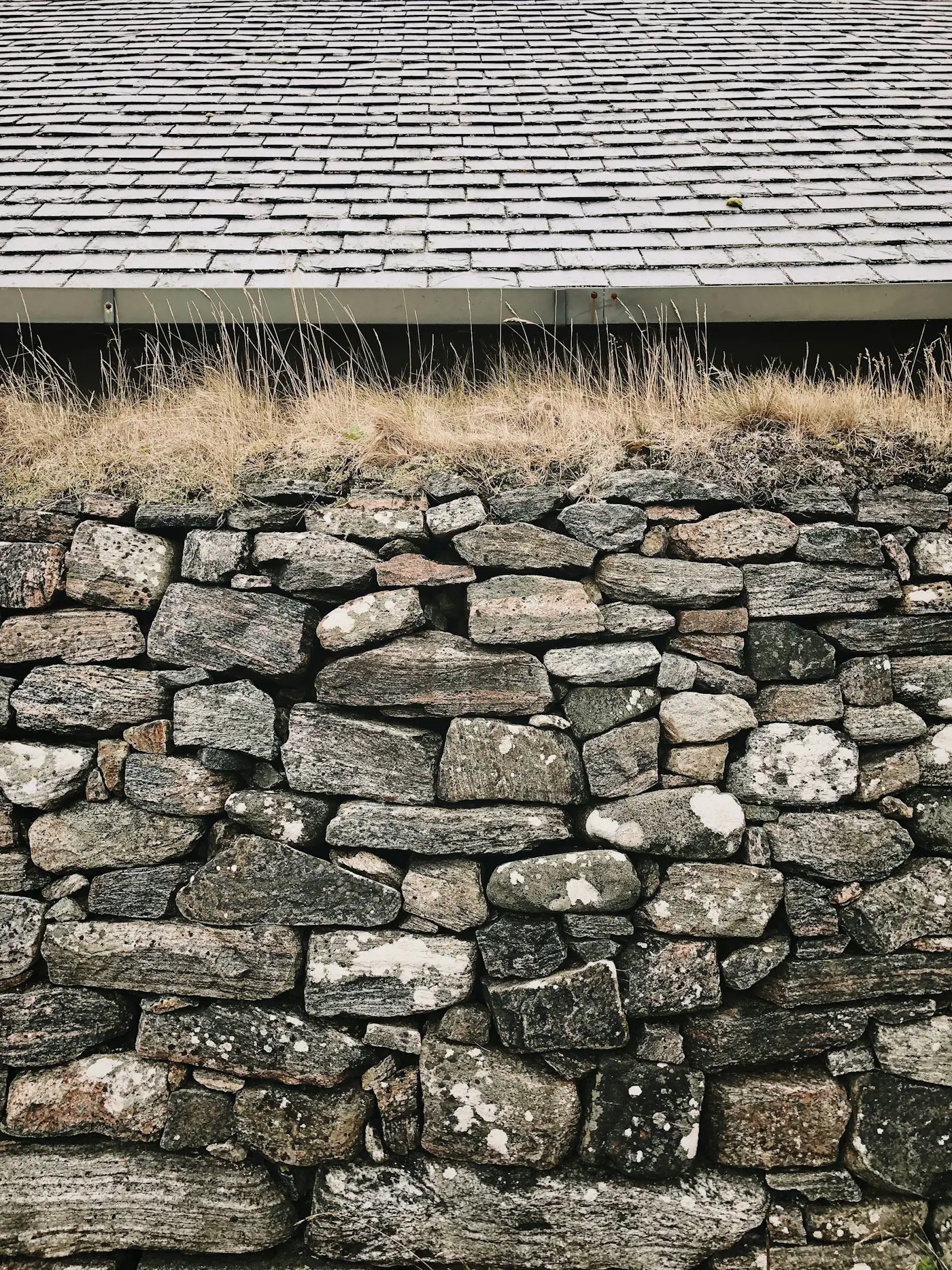
Yorkshire's garden walls are as varied as the county's landscapes. In the Dales, they are drystone limestone walls that have stood for centuries. In the mill towns of West Yorkshire, they are often Victorian brick with cement pointing applied at various points over the last hundred years. In the Vale of York and East Riding, brick boundary walls are common, some dating back to walled kitchen gardens on older properties.
Whatever type of wall you have, repair issues follow a predictable pattern: mortar fails, frost gets in, frost heave pushes masonry apart, and sections either lean, crack, or collapse. This guide covers the main wall types in Yorkshire, what causes them to fail, and realistic costs for professional repair.
Types of Garden Walls in Yorkshire
Limestone drystone walls
The iconic drystone walls of the Yorkshire Dales - visible across the fields above Skipton, Settle, Leyburn, and Hawes - also appear in domestic gardens in and around these areas. They are built without mortar, relying entirely on the careful selection and fitting of stones for stability. Drystone walls absorb movement from frost heave and ground settlement better than mortared walls, which is why the best of them have stood for 200-300 years. When they fail, it is usually from the bottom up: insufficient footing, or tree roots undermining the foundation course.
Millstone grit walls
The characteristic dark stone of the Pennine moorland edges - millstone grit - appears in garden walls across large areas of West Yorkshire (Keighley, Halifax, Hebden Bridge, Holmfirth) and parts of South Yorkshire (around Sheffield and the Derbyshire border). It is a durable sandstone but relatively porous, absorbing moisture readily. Walls built in millstone grit are typically mortared with lime in older construction and have often been repaired or re-pointed at some stage with Portland cement, which creates specific problems (see below).
Brick walls
Brick boundary and garden walls appear throughout urban and suburban Yorkshire. Pre-1900 brick walls use lime mortar and handmade bricks that have varying degrees of porosity. Post-1960 brick walls use harder, more standardised bricks and cement-based mortar. The distinction matters enormously for repair: the wrong mortar applied to an old brick or stone wall causes long-term damage.
Sandstone walls
York and the surrounding Vale have a tradition of magnesian limestone and sandstone construction. Garden walls in parts of York, Selby, Tadcaster, and Wetherby are often in this material, which can be handsome when maintained but very susceptible to spalling (where the face of the stone breaks away) when moisture ingress combines with frost.
What Causes Garden Walls to Fail in Yorkshire
Frost heave and freeze-thaw cycling
Yorkshire's winters involve regular freeze-thaw cycles. Water enters cracks and porous areas in mortar and stone, freezes, expands by approximately 9% in volume, and progressively widens the crack. Over many winters this process lifts coping stones, dislocates courses of brick or stone, and can eventually cause sections to lean or collapse. The problem is most severe in north-facing walls that do not dry out between frost events, and on walls where mortar has already begun to fail.
The higher elevation parts of Yorkshire, including moorland-edge gardens in North and West Yorkshire, experience more frost events per year and harder frosts than lower-lying areas. A wall on a south-facing slope in the Vale of York may weather relatively well; the same wall design on a north-facing site above Holmfirth will degrade significantly faster.
Tree and shrub root pressure
Roots from trees or shrubs growing close to a garden wall exert significant lateral and upward pressure as they increase in diameter. This is particularly problematic for older, lime-mortared walls where the mortar offers less resistance than modern cement. The most commonly implicated species in Yorkshire garden wall damage are elder (often self-seeded in wall bases), sycamore (very common throughout Yorkshire with vigorous roots), and ivy, where roots established in cracks over many years have enlarged to the point of splitting stonework.
Cement over lime: a specific Yorkshire problem
From roughly the 1950s to the 1980s, it was common practice to repoint old stone and brick walls with Portland cement mortar. Cement mortar is much harder than the original lime mortar and harder than many of the stones or bricks it is pointing between. This creates a structural mismatch: when the wall absorbs moisture and undergoes thermal movement, the stone or brick moves but the cement joint does not. The result is the stone spalls (faces break away), the adjacent masonry cracks, and moisture penetration actually worsens because the cement-stone interface is no longer waterproof.
A significant proportion of Yorkshire garden walls where cement repointing was applied 40-60 years ago now show this problem. The repair requires carefully removing the cement (a skilled and time-consuming job on old stonework) and replacing with a lime mortar appropriate to the original construction.
Foundation issues
Garden walls are typically built on shallow foundations, often just a widened base of concrete or stone at around 300-400mm depth. In Yorkshire clay soils, which expand when wet and contract when dry, this shallow foundation can heave or settle differentially, causing cracking and leaning in the wall above. Foundation-related wall problems are harder to address than mortar or surface issues and typically require professional assessment.
Garden Wall Repair Costs in Yorkshire
Repointing
| Wall type | Cost per m² (labour and materials) |
|---|---|
| Standard brick, cement mortar | £20-35/m² |
| Stone wall, lime mortar pointing | £30-50/m² |
| Removal of old cement and reline-pointing with lime | £40-70/m² |
Repointing a typical garden wall section 5 metres long and 1 metre high (5sqm) costs £100-350 depending on the wall type and specification. Full perimeter repointing of a detached property's garden walls can easily run £1,000-3,000 for a substantial stone or brick boundary wall.
Drystone wall repair
| Work type | Typical cost |
|---|---|
| Section repair (patching settled or fallen stones) | £60-90/m run |
| Full rebuild of collapsed section | £90-120/m run |
| Capping stones (top course, add-on) | £20-40/m run |
| Day rate for specialist drystone waller | £200-350/day |
A skilled drystone waller working in Yorkshire typically rebuilds 2-4 metres of collapsed wall per day. For a 10-metre run that has fully collapsed, expect to pay £1,000-1,500 in labour, plus any additional stone if sufficient usable material is not available from the original collapse. See our guide to drystone walls in Yorkshire for more detail on this specific type.
Coping and capping stone replacement
Coping stones (the capstones along the top of a wall) are particularly vulnerable to frost damage and displacement. They are often thinner than the main wall courses and their exposed position means they absorb more moisture. In Yorkshire stone walls, coping stones are typically the same stone as the wall body; in brick walls they may be engineer bricks, tile coping, or stone.
Replacing displaced or damaged coping stones: £25-50 per stone including labour, depending on stone size and accessibility. For a run of 10-15 coping stones that have all shifted, expect £300-600 to reset and secure them correctly.
DIY vs Hiring a Professional
Good DIY candidates:
- Small sections of brick repointing (2-3sqm) where the damage is shallow and the mortar type is not critical
- Resetting individual displaced coping stones where the wall below is sound
- Basic drystone patching on a low garden wall (under 80cm) where stability is clear
Hire a professional for:
- Any wall over 1 metre high that is leaning, cracked, or structurally compromised
- Repointing of old limestone or millstone grit walls where the correct lime mortar specification matters
- Removal of old cement pointing and replacement with lime on historic stonework
- Any wall adjacent to a public footpath or boundary where structural failure would be a safety risk
- Foundation repair or any work requiring significant excavation
For garden fencing as an alternative to a wall where structural repair is very expensive, see our fencing service page. Sometimes a fence alongside a repairable wall section is the most cost-effective overall solution.
Mortar Selection for Yorkshire Walls
Using the wrong mortar is one of the most common and damaging mistakes in garden wall repair. The basic rule:
- Pre-1919 brick or stone walls: lime mortar only. A hot-lime or hydraulic lime mix, typically NHL 3.5 or NHL 5 depending on exposure. Never cement.
- Post-1950 standard brick walls: a 4:1 or 6:1 sharp sand to Portland cement mix is acceptable. For exposed or frost-prone sites, a slightly weaker mix is better.
- Millstone grit or soft sandstone: hydraulic lime in all cases. The stone is too soft for cement mortar.
- Magnesian limestone (York and East Yorkshire): an NHL 2 or NHL 3.5 lime mortar is appropriate. These stones are particularly susceptible to hard mortar damage.
If you are hiring someone to repoint your wall, ask specifically what mortar they intend to use and why. A tradesman who cannot explain their mortar specification for an old stone wall is a risk.
Frequently Asked Questions
How much does repointing a garden wall cost in Yorkshire?
Repointing costs £20-35/m² for standard brick, £30-50/m² for stone walls with lime mortar, and £40-70/m² where old cement needs to be removed before repointing with lime. A 5sqm section costs £100-350 depending on type and specification.
How much does drystone wall repair cost in Yorkshire?
Section repair costs £60-90 per metre run; full rebuild of a collapsed wall costs £90-120 per metre run. A specialist drystone waller day rate runs £200-350. Coping stones add £20-40 per metre run.
Why do garden walls fail in Yorkshire?
The main causes are frost heave (freeze-thaw cycling in Yorkshire winters), tree root pressure from adjacent plants, mortar failure through age or use of the wrong mortar type, and foundation movement in Yorkshire clay soils. Cement repointing applied to old lime-mortared stone walls is a common cause of accelerated deterioration in older Yorkshire properties.
Can I repoint a garden wall myself in Yorkshire?
DIY repointing is practical for small sections of brick wall (2-3sqm) where damage is shallow. For old stone walls, use the correct lime mortar specification, not standard cement. For large areas, structurally compromised walls, or historic stonework, hire a professional mason.
How do I find a drystone waller in Yorkshire?
The Dry Stone Walling Association (DSWA) maintains a register of certified wallers at dswa.org.uk. Yorkshire has a reasonable supply of skilled wallers given its drystone wall tradition. Ask for references and examples of previous work, and confirm familiarity with your specific stone type.
Do I need planning permission to repair a garden wall in Yorkshire?
Repair using the same materials and method generally does not require planning permission. However, if the wall is listed, within a listed building's curtilage, or in a Conservation Area, you may need consent before doing work that changes the material or character of the wall. Check with your local planning authority if in any doubt - particularly relevant in York, Harrogate, Skipton, and other areas with extensive Conservation Areas.
Need a garden wall repaired in Yorkshire?
60-second assessment. If a local tradesman takes your enquiry, they call you with a price.
Start the assessment