Dry Stone Walling in Yorkshire: Costs, Contractors and Local Quotes
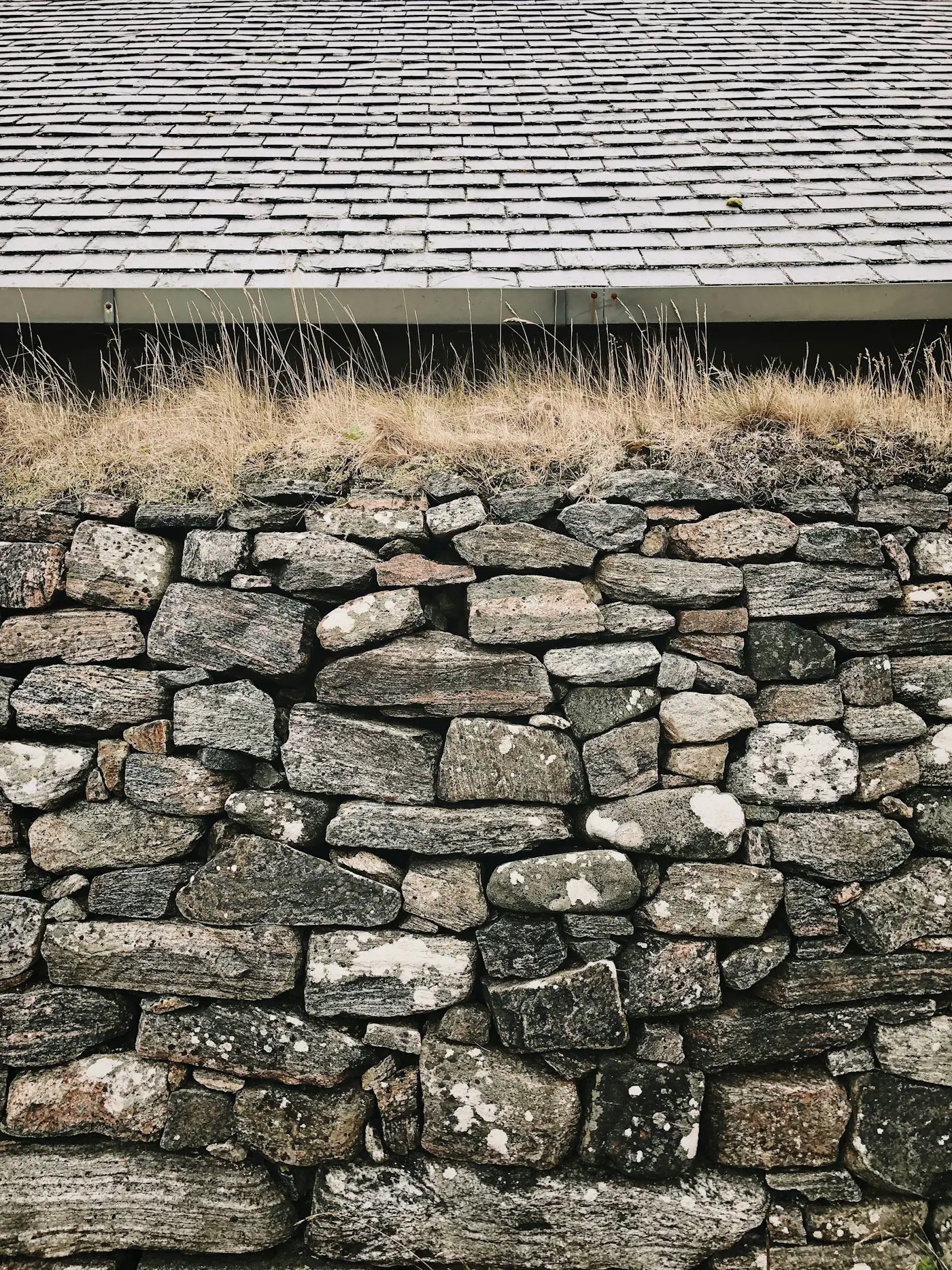
Yorkshire has around 5,000 miles of drystone walls. That figure represents more drystone walling than anywhere else in England - a landscape so thoroughly shaped by stone that the walls have become part of what Yorkshire means. The pale limestone grids of the Dales, the darker gritstone courses running up the Pennine hillsides, the field boundaries of the North York Moors: all built without a drop of mortar, relying entirely on the weight, shape, and interlocking of individual stones.
In the right Yorkshire garden, a drystone wall is not just a boundary or a retaining feature. It is a connection to 800 years of land management, and it looks like it belongs in a way that no concrete block or fence post can match.
This guide covers the history and regional variations of drystone walling in Yorkshire, construction techniques, when to repair versus rebuild, costs, finding a qualified waller, and planning rules.
Why Yorkshire Drystone Walling Is a Distinct Tradition
Drystone walling is practiced across the upland regions of Britain, but Yorkshire's version is not uniform. The county's underlying geology divides it into two fundamentally different walling traditions, and understanding the difference matters when you are specifying or commissioning work.
Dales Limestone Walling
The Yorkshire Dales - Wharfedale, Swaledale, Wensleydale, Ribblesdale - are underlain by Carboniferous limestone. The stone is pale grey to almost white, hard, and breaks into relatively regular blocks with natural bedding planes. Limestone walling in the Dales is characterised by:
- Thinner, more regular courses (limestone cleaves to more consistent depths)
- A characteristic pale colour that gives the Dales their open, airy look
- Tight jointing - gaps between stones are small
- Traditional coping: flat cap stones laid on edge along the top, or "cock and hen" coping (alternating upright and flat stones)
Limestone walls are typically built with a more pronounced batter (taper from base to top) than gritstone walls - roughly 1:6 inward on each face, giving a wall that is noticeably wider at the base than the top.
Pennine Gritstone Walling
West and South Yorkshire, and the moorland areas of the North York Moors, are underlain by millstone grit and Carboniferous sandstone. This stone is coarser, darker (buff to dark brown), and more variable in shape than limestone. Gritstone walling has:
- Thicker, less regular courses (gritstone does not cleave as predictably)
- A darker, heavier visual character - the walls look solid and permanent
- Larger individual stones possible - gritstone is quarried in large blocks
- Flat or slightly proud coping stones, often very large
The two styles are not interchangeable. A limestone-style wall in a gritstone village looks wrong, and a gritstone-style wall in the Dales looks equally incongruous. Skilled Yorkshire wallers know the regional tradition for their area and work accordingly.
Garden Applications for Drystone Walls
Drystone walls have several practical uses in a Yorkshire domestic garden:
Boundary walls
The most common use. A drystone boundary wall marks the garden edge with genuine visual weight and local character. It does not need painting, does not rot, and will outlast any timber fence by decades. In a rural property or a house with stone walls, a drystone garden boundary is the natural choice.
Retaining walls
A drystone retaining wall has a significant advantage over mortared alternatives: natural drainage. Water percolates through the gaps between stones rather than building up behind the wall and causing hydraulic pressure. On Yorkshire clay, where drainage is often poor, this is a genuine practical benefit. A properly built drystone retaining wall with appropriate batter can retain soil effectively to around 1m; above that, the engineering becomes more complex and specialist advice is needed.
For a broader comparison of retaining wall types, see our guide to retaining walls for Yorkshire gardens.
Raised bed edges
Single-course drystone raised bed edges are simple, attractive, and practical. They warm up quickly in spring (stone absorbs and retains heat), drain well, and support alpines and other dry-stone plants in the gaps if you choose to plant them. Low raised bed edges (under 400mm) are well within competent DIY scope.
Feature walls and path edging
Short sections of drystone walling used as path edging or low feature walls within a garden are increasingly popular in both rural and suburban Yorkshire properties. They add texture and authenticity to a garden that other materials struggle to match.
Construction Basics
Understanding how a drystone wall is built helps you assess the quality of a contractor's work and maintain a wall correctly.
Foundation
A drystone wall sits on a shallow foundation - typically a layer of larger flat stones set into the ground at least 100-150mm to prevent undermining. Unlike mortared walls, drystone walls rely on mass and interlocking rather than adhesion, so a deep concrete foundation is not required or appropriate. However, the foundation stones must be stable and the ground compacted before building begins.
Construction layers
A traditional drystone wall is built in three elements:
- Faces: the two outer courses of shaped stones that form the visible wall faces on each side
- Hearting (infill): small stones packed tightly between the two faces to add mass and prevent collapse. Good hearting is as important as the face stones - a wall with gaps in the hearting will collapse inward over time.
- Tie stones (through-stones): large stones that span the full width of the wall, tying the two faces together. These should appear at least every 600mm of height and every 600-900mm along the wall. They are the key structural element - a wall without sufficient through-stones will split and fall outward.
Batter
Both faces of a drystone wall lean inward as the wall rises - typically around 1:6 (one unit inward for every six units of height). This batter is critical for stability: a wall built with plumb vertical faces has much less resistance to lateral pressure and is far more likely to fail. Wallers use a frame (a timber or metal batter frame) to maintain the correct angle as the wall rises.
Coping
The coping stones sit on top of the wall and protect the structure below from rainwater ingress. Traditional Yorkshire coping options include flat cap stones, "cock and hen" (alternating upright and flat), and rounded "round coping" stones. Coping stones should overhang the wall face slightly to shed water clear of the joints. Missing or dislodged coping stones are the most common cause of wall deterioration - water entering the top of the wall destroys the hearting over winter.
Repair vs Rebuild: Making the Decision
The threshold rule used by most experienced Yorkshire wallers: if more than 30% of a wall section has collapsed or is structurally compromised, a full rebuild is better value than piecemeal repair. Patching a wall that has failed at its foundations, or that has lost its batter, produces a weak hybrid that will need further work within a few years.
Signs that repair is sufficient:
- Isolated sections of dislodged or missing coping stones
- Small collapses (under 2m run) where the foundation stones are still intact and level
- Missing through-stones that can be replaced without dismantling surrounding sections
Signs that a rebuild is better value:
- The wall is leaning significantly (more than 50mm out of true over 1m height)
- Multiple collapses along the same run
- Foundation stones are disturbed or the wall has sunk unevenly
- The wall was badly built to begin with (not enough through-stones, wrong batter, poor hearting)
- Over 30% of the facing stones are displaced or missing
When a wall is rebuilt, the same stone should be reused wherever possible - reclaiming material from a collapsed wall saves money and maintains the visual continuity that is one of drystone walling's main appeals.
Cost Guide
| Work type | Cost (per metre run) |
|---|---|
| New garden boundary wall, limestone (labour + stone) | £80-150/m |
| New garden boundary wall, gritstone (local stone sourced) | £70-130/m |
| Repair of collapsed/damaged section | £50-100/m |
| Full rebuild (reusing existing stone) | £60-120/m |
| Waller day rate (Yorkshire) | £180-250/day |
Stone supply (separate from labour):
- Local salvage stone: £30-80/tonne (price varies significantly by area and availability)
- New quarried limestone: £60-120/tonne
- New quarried sandstone/gritstone: £60-150/tonne
A typical 10m garden boundary wall to 1m high uses approximately 15-20 tonnes of stone and will cost £1,000-2,000 for labour and materials combined. A good waller working alone lays approximately 3-5 metres of wall per day on straightforward ground.
Finding a Qualified Waller in Yorkshire
Drystone walling is a skilled craft. A wall built by someone without proper training will look wrong and may fail within a few years. In Yorkshire, with so much historic wall to maintain and so many eyes that know what a good wall looks like, poor craftsmanship is obvious.
The Dry Stone Walling Association of Great Britain (DSWA) operates a certification scheme with levels from beginner to master craftsman. DSWA-certified wallers have demonstrated competence against the BS 1722-7 standard for drystone fencing and walling. The DSWA member directory is searchable by county at dswa.org.uk.
In the Yorkshire Dales specifically, Countryside Stewardship schemes fund farm wall repair - if you are a landowner in the national park with significant farm boundary walls, there may be grant funding available. The YDNP farming and land management team can advise.
When getting quotes for drystone work, ask:
- Are you DSWA-certified, or how long have you been walling professionally?
- Can you show me examples of your work in this area?
- Is the stone quote included, and where will it come from?
- What is the batter specification you will build to?
A waller who cannot answer the last question is not the one you want for a garden wall.
Planning Permission for Drystone Walls
Like other garden walls, drystone walls generally fall within permitted development up to 1m high (2m if not adjacent to a road or public footpath). The specific considerations for drystone walling in Yorkshire:
- Conservation areas: many Dales and Moors villages are conservation areas. Any new wall, or significant rebuilding that changes a wall's character, may need consent. The principle is preserving the historic streetscape - a new wall in the wrong stone or style can be refused. Check with your local planning authority.
- Yorkshire Dales National Park: the park has its own planning policies protecting the character of field boundaries and walls. New garden walls are generally acceptable if in appropriate local stone and style, but check with the YDNP authority first for anything over 600mm or fronting a public path.
- Repair and like-for-like rebuilding: repairing or rebuilding an existing wall in the same stone and style is almost always permitted development without restriction, even in conservation areas. The key is "like-for-like" - rebuilding a gritstone wall in limestone to save money would not qualify.
If your drystone wall project is part of a broader garden redesign involving fencing, planting, or boundary changes, our guide to garden fencing in Yorkshire covers the boundary options and relevant planning rules. For sloping gardens where a drystone wall might also serve as a retaining structure, our guide to sloping gardens in Yorkshire gives a broader context. If the project involves clearing existing overgrown or collapsed material, our garden clearance service handles the preparation. And for the design decisions about how a drystone wall sits within a wider garden layout, our garden design service can help.
Finding a Drystone Waller in Your Part of Yorkshire
Drystone walling skills are concentrated where the local vernacular demands them. Here is what to expect in different corners of the county. If you want a direct quote for garden wall work, our garden walls service connects you with local professionals who know the stone in your area.
South Yorkshire: Askern, Barnsley and the Dearne Valley
The old coal measures around Askern and the Dearne Valley sit on Coal Measures sandstone, and many gardens here have inherited boundary walls that need repair rather than full rebuild. Stone walling in Askern tends to be in this warm buff sandstone rather than the darker gritstone of the higher Pennines. A good local waller can often assess a collapsing panel in an afternoon and quote on the spot. Expect to pay at the lower end of the Yorkshire range (£80-100/m for standard repair) because the stone is locally abundant and wallers are less stretched than in the Dales.
Askern sits on the Coal Measures belt of South Yorkshire, where the local stone is a dark carboniferous sandstone quite different from the pale millstone grit of the Pennines. Drystone walls in the Askern area - and throughout the mining villages of this corridor from Doncaster north - tend to be lower, often boundary-marking rather than livestock-restraining, and built from the same dark Coal Measures material as the colliery buildings. Repair work here often involves sourcing locally-quarried stone from Denby Dale or Barnsley, since importing pale limestone would look wrong against the landscape. Stone walling contractors working the Askern area typically have access to reclaimed Coal Measures material from demolition yards in the South Yorkshire corridor.
East Yorkshire: Goole, Howden and the Ouse Plain
While Goole's flat clay landscape doesn't have traditional dry stone walls, local builders serve the area for garden feature walls and restoration. The local building tradition runs to brick, and the flat Ouse plain terrain doesn't demand field boundaries in the way that upland Yorkshire does. If you want a drystone feature wall in a Goole garden, you are typically importing both stone and skill - budget £130-180/m for sourced limestone and confirm the waller has experience working in the Yorkshire style. Our garden walls service can connect you with wallers who cover the East Riding.
Goole sits in the Vale of York, flat arable land where traditional stone boundary walls are rare - this is brick and post-and-rail country. But where old drystone walls do appear near Goole (typically from Victorian-era enclosure along the Ouse flood plain margins), they are often built from millstone grit transported from the western Pennines or from local Coal Measures sandstone. Sourcing matching stone for repairs is trickier here than in the Dales, and repair work typically needs a specialist who can identify the original material. Most drystone walling enquiries in the Goole area relate to garden boundary walls on rural properties on the western fringe of the East Riding, where older farmsteads retained their original stonework.
South and West Yorkshire: Penistone, Holmfirth and the Pennine Edge
The gritstone belt through Penistone and the upper Don valley is classic drystone country. Walls here are millstone grit, wide-set, and built to survive the exposed upland climate. Dry stone masonry in Penistone draws on generations of local craft - many wallers have trained with the DSWA or through the traditional apprenticeship route. A rebuild of a collapsed garden boundary costs £120-150/m; a new feature wall slightly more. The stone itself is often salvageable from a collapsed section, which can keep costs down if your waller is willing to sort and re-use it.
Penistone stands at 750 feet on the Pennine escarpment where millstone grit dominates and traditional drystone walls run in every direction - this is classic Pennine wall country. The stone here is the dark, coarse-grained gritstone that defines the character of South Yorkshire's upland fringe, and local walls are built in the classic double-course pattern with through-stones and hearting. Dry stone masonry contractors working around Penistone typically also cover the Dunford Bridge and Langsett moorland above, where the walls are often Grade II listed as agricultural heritage features. Repair rates per metre are at the higher end of the Yorkshire range here because good gritstone in the right sizes is increasingly scarce from working quarries.
West Yorkshire: Batley and the Kirklees Mill Belt
Dry stone walling in Batley and the wider Kirklees area draws on the millstone grit that underlies this part of industrial West Yorkshire. Many older terraced properties and mill-era gardens here have original stone boundary walls that need repair rather than full replacement. A good waller can often salvage stone from a collapsed section to keep costs down - expect £90-130/m for standard dry stone walling in Batley. The Spen Valley corridor has a working tradition of stone construction that makes finding experienced wallers more straightforward than in the east of the county.
North Yorkshire: Tadcaster and the Magnesian Limestone Belt
Dry stone walling near Tadcaster means working with magnesian limestone - the same pale cream stone that built York Minster and lines the ridge running from Sherburn-in-Elmet through to the Harrogate fringe. If your garden wall is in this material, matching the stone for any repair is important, and your waller should know how to work it. Most wallers covering the York and Selby corridor will take jobs in the Tadcaster area. Budget £90-130/m for repair work on existing limestone walls; new garden boundary walls in matched magnesian limestone run slightly higher at £100-160/m.
Tadcaster is famous for its limestone, and the local drystone walls reflect it - pale cream magnesian limestone quite different from the dark millstone grit of the western Pennines. This limestone belt runs from Tadcaster through Wetherby and down to Pontefract, and walls built from it have a distinctive pale character compared to the darker Dales or Pennine versions. Tadcaster's walls are often mortared rather than truly dry, given the agricultural history of the Vale of York, but genuine drystone sections exist along the older field boundaries around Stutton, Kirkby Wharfe and Oxton. Dry stone walling work in the Tadcaster area typically sources material from magnesian limestone outcrops near Bramham or from demolition reclaim, since the local quarries produce more material for building blocks than walling stone.
Dry Stone Walling Around Goole and the East Yorkshire Lowlands
Goole (DN14) sits in reclaimed marshland on the Ouse plain, flat former agricultural land where there is no local quarry stone of any kind. Dry stone walling in Goole and the East Yorkshire lowlands has always depended on stone hauled in from elsewhere - historically via the canal network and later by rail from Pennine quarries to the west. The traditional Carboniferous limestone of the Yorkshire Dales was the material that arrived this way, and where genuine dry stone walls appear near Goole, they are typically built from this transported limestone rather than any local material.
Gardens in the Goole area that back onto drainage dykes or agricultural land are well suited to dry stone boundary features - a stone wall drains better than close-board fencing on the clay subsoil and requires far less maintenance over a 20-year horizon. For dry stone walling Goole enquiries, expect stone haulage to add to the base cost compared to locations closer to working quarries. Our garden walls service covers the DN14 area and can connect you with wallers who have East Yorkshire experience and established stone supply routes.
Dry Stone Walling Around Tadcaster and the Wharfe Valley
Tadcaster (LS24) is unusual in that the local stone is right underfoot. The town sits directly on the Magnesian Limestone belt - the same Permian formation responsible for the pale cream buildings of the historic town centre, the famous brewery architecture, and the light-coloured coursing that defines this part of the Wharfe Valley. Dry stone walling in Tadcaster and the surrounding villages benefits from this in a way that most Yorkshire locations do not: local reclaimed stone is available from demolition and salvage sources, and it matches the existing fabric of walls and buildings with no visual compromise.
A Tadcaster dry stone wall in Magnesian Limestone has a distinctive cream-white appearance quite different from the dark millstone grit of the Pennines or the grey Carboniferous limestone of the Dales. Garden retaining walls, raised beds, and boundary walls in this area commonly use local reclaimed material, which keeps costs down compared to sites where stone has to be transported. For dry stone walling Tadcaster work, ask your contractor to confirm the stone source - reclaimed local Magnesian Limestone is preferable to imported material that will look wrong against the existing landscape.
Stone Walling in Askern and the South Yorkshire Coalfield Belt
Askern (DN6) sits at the edge of the Magnesian Limestone ridge - the Permian limestone formation that runs northward from Doncaster through Norton, Campsall, and the villages of this corridor. This is a different geological setting from the Coal Measures sandstone found further west in the South Yorkshire coalfield, and the traditional stone for garden walls and farm boundaries in this eastern strip is the local cream-grey Magnesian Limestone rather than the dark buff Coal Measures material. Stone walling Askern and the surrounding villages historically used this limestone for boundary walls, farmyard enclosures, and garden terracing on the elevated eastern ridge.
For dry stone wall South Yorkshire projects on the Magnesian Limestone belt, the local material has a distinctive pale colouring that weathers to a warm silver-cream - very different in character from the dark millstone grit of the Pennines. Reclaimed limestone from demolition sources in the Doncaster and Askern corridor is sometimes available, keeping material costs lower than for Pennine gritstone sites. DSWA-certified wallers across South Yorkshire cover the Askern DN6 area for garden wall repairs and new builds in this material.
Need drystone walling work in Yorkshire?
60-second assessment. If a local professional takes your enquiry, they call you with a price.
Start the assessmentFrequently Asked Questions
How much does a drystone wall cost in Yorkshire?
New garden boundary wall: £80-150/m run for limestone, £70-130/m for locally sourced gritstone. Repairs: £50-100/m run. Waller day rate: £180-250. Stone supply: local salvage £30-80/tonne, new quarried £60-150/tonne. A typical 10m wall to 1m high costs £1,000-2,000 all-in for labour and materials.
Can I build a drystone garden wall myself?
A short, low wall under 600mm on level ground is achievable for a patient, physically fit DIYer. The basic principles are learnable from DSWA courses. For anything structural - retaining soil, over 600mm, part of a boundary - use a DSWA-certified waller. A badly built drystone wall will collapse and leave a harder starting point than before.
What stone should I use for a drystone wall in Yorkshire?
Always use locally sourced stone that matches the regional geology. Carboniferous limestone in the Dales (pale grey, thin regular courses); millstone grit or sandstone in the Pennines (darker, coarser). Using the wrong stone for the area looks incongruous and will not have the right fracture lines for good coursing. Local salvage yards often have reclaimed stone at competitive prices.
Does a drystone garden wall need planning permission?
Generally no, up to 1m high (2m if not adjacent to a road or public path). Conservation areas and national park land have tighter rules - check with your local planning authority before starting. Repair and like-for-like rebuilding is almost always permitted development without restriction.
Can I get drystone walling done in Askern?
Yes. The Askern area sits on Coal Measures sandstone and has a tradition of boundary walling. Most Yorkshire DSWA-certified wallers will travel across South Yorkshire. Expect to pay £80-100 per metre for repair work on existing walls, more for new builds where stone needs to be sourced.
Is drystone walling available in Goole and East Yorkshire?
While Goole's flat clay landscape doesn't have traditional dry stone walls, local builders serve the area for garden feature walls and restoration. A waller working in East Yorkshire will usually need to source and transport stone - budget £130-180 per metre for a new limestone feature wall.
How much does drystone walling cost near Penistone?
In the Penistone and Holmfirth area, millstone grit is the local stone and DSWA-trained wallers are relatively available. A garden boundary repair costs £120-150 per metre; new build is slightly higher. Local stone from a collapsed wall can sometimes be re-used to keep costs down.
Is dry stone walling available in Askern?
Yes. Askern sits in South Yorkshire's Coal Measures sandstone belt, and boundary walling in this material is part of the local tradition. DSWA-certified wallers across South Yorkshire cover the area. For a standard garden wall repair, budget £80-100 per metre; new builds from sourced stone run higher.
Can I find dry stone walling services in Goole?
While Goole's flat clay landscape doesn't have traditional dry stone walls, local builders serve the area for garden feature walls and restoration. Any waller coming to Goole needs to source and transport stone, which adds cost - budget £130-180 per metre for a new limestone feature wall. Get quotes from 2-3 wallers who have East Yorkshire experience.
Are there dry stone masonry specialists in Penistone?
Yes. Penistone sits on the Pennine millstone grit belt and dry stone walling is the local tradition here. DSWA-trained wallers are relatively available in this part of South Yorkshire. Salvageable stone from a collapsed section can often be re-used to keep costs down - garden boundary repair typically runs £120-150 per metre.
Where can I get dry stone walling done in Batley?
Batley sits in the millstone grit belt of West Yorkshire, and stone boundary walling is part of the local built tradition. Wallers covering Kirklees and the Spen Valley will take on garden wall repairs and new builds in Batley. Standard repair runs £90-130 per metre; reclaimed local gritstone is often available from salvage yards in the area.
Do you cover dry stone walling in Tadcaster?
Yes. Tadcaster sits on the magnesian limestone ridge - the same pale cream stone used in York Minster. For any repair to an existing limestone wall near Tadcaster, matching the stone matters. Most wallers covering York and Selby will work in the Tadcaster area. Budget £90-130 per metre for repair work, slightly more for new builds in matched limestone.
Can I get a dry stone wall repaired in Askern?
Yes. Askern sits in the Coal Measures sandstone belt of South Yorkshire, and boundary walling in this dark carboniferous stone is part of the local tradition. DSWA-certified wallers across South Yorkshire cover the Askern area. For a standard garden wall repair in Coal Measures material, budget £80-100 per metre. New builds where stone needs to be sourced from Denby Dale or Barnsley will run slightly higher. Ask your waller to confirm the stone source so it matches the existing material.
What does dry stone masonry cost in Penistone?
Dry stone masonry in the Penistone area - on the high Pennine millstone grit belt at around 750 feet - typically runs £120-150 per metre for garden boundary repair, and slightly more for new builds. Good gritstone in suitable walling sizes is increasingly scarce from working quarries, which pushes rates here toward the higher end of the Yorkshire range. Wallers sourcing stone from local quarries near Penistone or salvaging from collapsed sections will quote accordingly - always ask whether salvage re-use is factored into the price.
How much does dry stone walling cost in Tadcaster?
Dry stone walling near Tadcaster typically costs £90-130 per metre for repair work on existing magnesian limestone walls, and £100-160 per metre for a new garden boundary wall in matched material. Tadcaster sits on the distinctive pale cream magnesian limestone belt, and matching that stone for any repair matters visually and structurally. Your waller should be sourcing from Bramham-area outcrops or reclaim yards rather than importing a different stone type. Get at least two quotes and ask each contractor where the replacement stone will come from.
Can you find dry stone wallers near Goole and the East Riding?
Yes. While the Vale of York around Goole does not have traditional drystone walls, local wallers serve the area for garden feature walls and restoration work. Any waller working in the Goole area or East Riding will need to source and transport stone from elsewhere in Yorkshire, adding to the cost. Budget £130-180 per metre for a new feature wall. For repairs to existing stonework, ask your waller to identify the original stone type before sourcing replacement material.
What is the cost of dry stone wall repair in the Pennines?
Dry stone wall repair in the Pennines, including the Penistone and Holmfirth area, typically runs £120-150 per metre. This is toward the higher end of the Yorkshire range because good millstone grit in suitable walling sizes is increasingly scarce from working quarries. Salvaging stone from a collapsed section of the same wall keeps costs down where the material is still usable. A DSWA-certified waller in the Penistone area will assess whether existing stone is worth re-using before quoting.
Do dry stone wallers work in Goole?
Yes. Wallers covering the Goole DN14 area and surrounding East Yorkshire villages are available for garden wall projects. Because Goole sits on flat reclaimed marshland with no local quarry stone, all material for dry stone walling Goole projects is sourced from Pennine quarries and transported in - typically Carboniferous limestone or gritstone from the western fringes of Yorkshire. Budget £100-180 per metre depending on wall complexity and the distance stone needs to travel.
How much does dry stone walling cost in Goole?
Dry stone walling in Goole typically costs £80-180 per metre, with the wide range reflecting complexity and stone sourcing. Because the Goole area has no local quarry stone, Pennine limestone or sandstone needs to be transported in - this adds to the cost compared to locations on the limestone belt or gritstone areas. A simple garden boundary repair where existing stone can be re-used will be at the lower end; a new feature wall in sourced limestone sits toward the upper end. Always confirm with your waller where the stone is coming from and get the transport cost itemised separately.
Can I get dry stone walling in Tadcaster?
Yes. Tadcaster (LS24) sits directly on the Magnesian Limestone belt, and dry stone walling Tadcaster projects benefit from local stone availability. Magnesian Limestone from demolition and reclamation sources in the Tadcaster area has a distinctive cream-white colour quite different from the grey Millstone Grit of the Pennines. For a Tadcaster dry stone wall, using local reclaimed limestone keeps costs down and gives the finished wall an authentic character that matches the town's historic buildings. Most wallers covering the York and Selby corridor serve the Tadcaster area.
How much does a dry stone wall cost near Tadcaster?
Dry stone walling near Tadcaster typically costs £90-150 per metre for a garden boundary wall. Because Tadcaster sits on the Magnesian Limestone belt, local reclaimed stone is often available from demolition yards in the area, which can reduce material costs compared to sites where stone needs to be transported in. Repair of an existing limestone wall runs £80-130 per metre. Always ask your waller to source stone that matches the existing material - the pale cream Magnesian Limestone looks very different from Pennine gritstone, and mixing the two in a repair is visually obvious.
Is there a dry stone waller near Askern?
Yes. Wallers covering the Askern DN6 area, Norton, Campsall, and the surrounding villages on the Magnesian Limestone belt are available for garden wall work. Stone walling Askern and the villages on the Permian limestone ridge north of Doncaster traditionally uses the local Magnesian Limestone - cream-grey in colour and different in character from the dark Coal Measures sandstone found further west. DSWA-certified wallers across South Yorkshire cover the Askern area for both repairs and new garden wall builds.
What stone is used for garden walls around Askern and Doncaster?
The traditional stone for garden walls in the Askern, Norton, and Campsall area is Magnesian Limestone from the Permian ridge running northward from Doncaster. This cream-grey limestone is the local material for this corridor, and a dry stone wall South Yorkshire project on the eastern side of the county will typically use it rather than the darker gritstone of the Pennines. The Magnesian Limestone here is the same geological formation that built York Minster and Beverley Minster - it has a distinctive pale colouring and weathers to a warm silver-cream rather than the dark buff of millstone grit.
How much does drystone walling cost in Yorkshire?
Drystone wall repair costs £50-100/m for isolated damage; a full rebuild reusing existing stone runs £60-120/m. New garden boundary walls cost £70-130/m for locally sourced gritstone or £80-150/m for limestone, including labour and stone. A professional waller charges £180-250/day. Stone supply adds £30-80/tonne for salvage material or £60-150/tonne for new quarried stone. A typical 10m garden wall to 1m high costs £1,000-2,000 all-in for labour and materials.
Can I repair a drystone wall myself?
Small-scale repairs - resetting a few dislodged coping stones or re-packing loose hearting on a low wall - are within DIY scope for someone physically fit and patient. The key rule: reset fallen coping stones before winter, as exposed hearting deteriorates rapidly once water enters the top of the wall. For anything structural (a collapsing section, a wall leaning more than 50mm out of true, or a repair involving through-stones), use a DSWA-certified waller. A badly patched structural repair leaves you worse off than starting fresh.
How long do drystone walls last?
A well-built drystone wall can last 200-300 years with minimal intervention. Many Yorkshire farm boundary walls date from the 18th and 19th century enclosure period and remain structurally sound. The main causes of early failure are insufficient through-stones, poor batter, bad hearting, and neglected coping that lets water into the structure. A correctly built garden wall in good quality local stone, with sound coping, typically needs no significant intervention for 30-50 years.
Do I need permission to build a drystone wall?
Generally no, up to 1m high adjacent to a road or public footpath, or up to 2m high elsewhere - permitted development rules cover most garden drystone walls. Exceptions: conservation areas (many Yorkshire villages and Dales settlements), the Yorkshire Dales National Park, and the North York Moors National Park all have stricter rules. Repair and like-for-like rebuilding is almost always permitted development even in protected areas. Always check with your local planning authority before starting a new wall in a protected area.
What stone is used for drystone walls in Yorkshire?
The stone depends on the local geology. In the Yorkshire Dales (Wharfedale, Swaledale, Wensleydale), Carboniferous limestone is traditional: pale grey to white, hard, and relatively regular in shape. In the Pennines (West and South Yorkshire), millstone grit is used: darker, coarser, buff to dark brown. In the magnesian limestone belt running from Tadcaster through Doncaster, a pale cream limestone is the local material. Always use stone that matches the local vernacular - mixing stone types looks wrong and reduces the structural integrity of the wall.
How do I find a drystone waller in Yorkshire?
The Dry Stone Walling Association of Great Britain (DSWA) maintains a searchable member directory at dswa.org.uk, filterable by county. DSWA-certified wallers have passed competency tests against the BS 1722-7 standard. In the Yorkshire Dales, the national park authority and Countryside Stewardship advisers can also recommend wallers familiar with local stone and conservation standards. Alternatively, our garden clearance service can connect you with local professionals for site preparation before a walling project starts. Always ask to see examples of the waller's work nearby before committing to a job.