Garden walls across Yorkshire
Garden Walls in Yorkshire
From drystone wall repairs in the Dales to brick repointing in Bradford and new retaining walls in Harrogate's sloped gardens, Yorkshire's walls need tradespeople who understand the materials. Vetted local wallers and bricklayers, real prices, no call centres.
- Free quotes, no obligation
- Local gardeners
- 240+ Yorkshire towns covered
- No call centres
Types of garden wall in Yorkshire
Yorkshire has more variety in its garden wall stock than most English counties. The region spans urban terraced streets, Victorian semi-detached suburbs, Pennine upland farms, National Park villages and East Yorkshire market towns - each with its own tradition in walling materials and technique. Understanding what you have is the first step to knowing what it needs and who should do the work.
Drystone walls: the iconic Yorkshire tradition
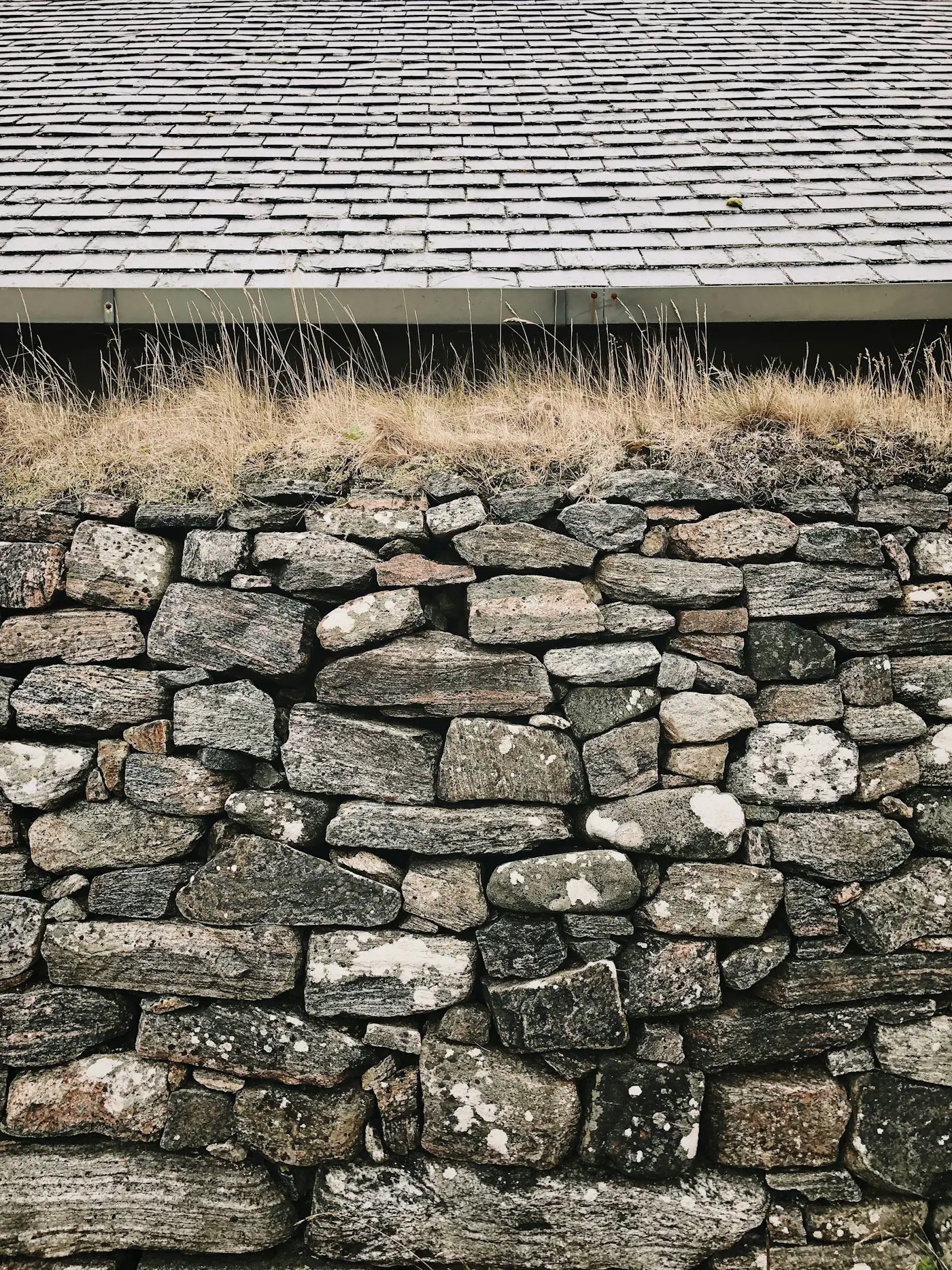
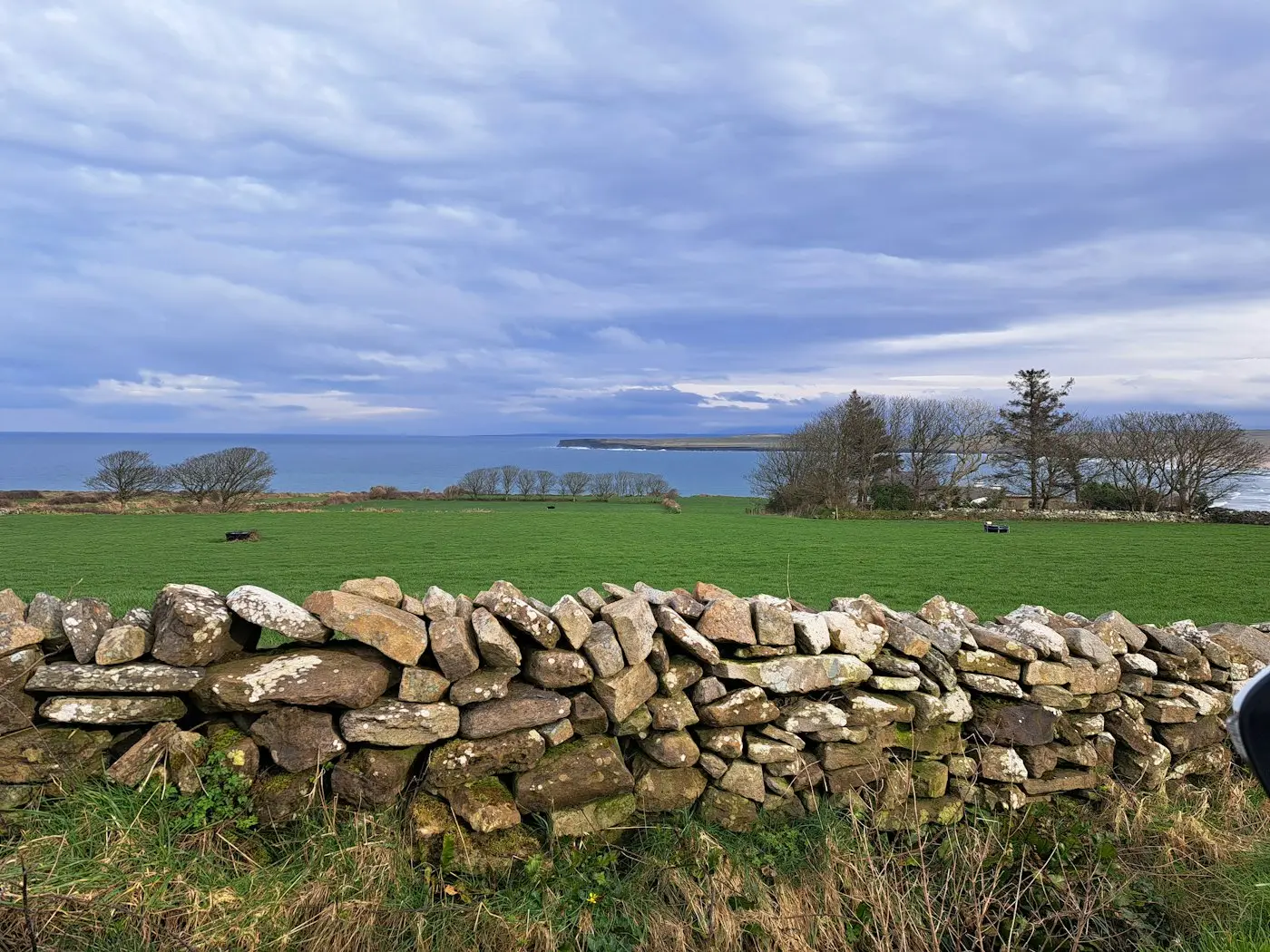
Drystone walls are the defining feature of the Yorkshire Dales, the Pennine uplands and the North York Moors. Hundreds of miles of them are visible from any road through Wharfedale, Swaledale, Nidderdale or the moorland edges above Whitby. They are built entirely without mortar - gravity, careful stone placement, through-stones and weight distribution hold them together. When built correctly they last centuries. When they fail, the fix is to rebuild the collapsed section stone by stone, in the right sequence.
The stone type varies by location. In the Yorkshire Dales, the predominant stone is limestone - pale grey, lighter in colour, with a characteristic sharp-edged bedding plane that makes for relatively regular courses. In the Pennines and the Moors - through Calderdale, Kirklees, the moorland fringes above Halifax, Huddersfield and Keighley - the stone is predominantly millstone grit (also called gritstone), which is darker, coarser-textured and tends to produce a less regular, more rustic wall face. Both are beautiful and both require walling technique specific to the stone type. A waller who works with Dales limestone will tell you it handles differently from Pennine gritstone, and they are right.
The single most important thing to know about drystone walls: they must never be repointed with cement. A drystone wall repointed with cement looks wrong immediately, behaves structurally worse (the drainage that makes drystone walls freeze-resistant is blocked by cement), and the cement-over-stone interface eventually fails with fragments of stone face coming away. If your drystone wall is failing, the correct repair is to rebuild or relay the failing section using traditional dry technique. Use a trained drystone waller - it is a specific craft with its own training structure through the Dry Stone Walling Association of Great Britain (DSWA).
Brick walls
Brick is the dominant wall material in West Yorkshire urban areas - Bradford, Leeds, Halifax, Huddersfield, Wakefield - and across most of South Yorkshire. Most domestic garden brick walls date from the Victorian or Edwardian period, when the back-to-back terrace developments that shaped these cities were built with standardised brick boundary walls. Victorian stock brick is typically a sandy-yellow or red colour depending on the clay source; later twentieth-century facing brick tends to be more uniform in colour and texture.
Older brick walls were built with lime mortar - a softer, more flexible mix that allowed the wall to breathe and absorb minor movement. Many have since been repointed with modern cement, which is a problem: cement is harder than old brick and when the wall moves slightly (which all walls do over time), the stress is taken by the brick face rather than the mortar joint. The result is brick spalling - pieces of the brick face breaking away. Lime mortar repointing restores the correct relationship between brick and mortar and dramatically extends the service life of an old brick wall.
Limestone and gritstone rubble walls
Common in North Yorkshire market towns - Harrogate, Ripon, Knaresborough, Helmsley, Malton - and throughout the Dales and Moors. These walls are built with locally quarried stone laid in irregular courses with lime-putty or hydraulic lime mortar between the stones. They are distinct from drystone walls in that they do use mortar, but the mortar specification is critical: it must be softer than the stone, or the same spalling problem that affects old brick walls occurs. In practice this means a lime mortar with a hydraulic lime binder (NHL 2 or NHL 3.5 are the standard grades for stone wall repointing) rather than modern OPC cement.
Rendered and painted block walls
Common in 1970s and 1980s housing estates across Yorkshire, where concrete block was used to build garden boundaries and then rendered and painted to give a more finished appearance. They are durable but often look tired, particularly where the render has cracked, blown or lost adhesion from the block beneath. Repair options include: patch-rendering individual failed areas, full re-rendering, or cladding with a natural stone or brick slips face for a more attractive result. The block itself is usually structurally sound - it is the render and surface finish that fails first.
York stone coping
York stone coping refers to the use of natural sandstone slabs as the capping course on the top of a wall. The name comes from the buff-coloured Yorkshire sandstone quarried across the county, which has been used in building work and hard landscaping throughout Yorkshire for centuries. Coping stones serve a structural purpose - they shed water away from the wall core and protect the mortar joints in the upper courses from direct weather penetration. Traditional York stone coping is preferred by planning authorities in conservation areas and by most heritage contractors working on older walls. Replacement coping is widely available from stone yards and reclamation merchants across Yorkshire.
Timber sleeper retaining walls
Railway sleepers and hardwood landscape sleepers are a popular contemporary solution for retaining walls in sloped gardens, raised bed construction and level changes in domestic gardens. They are relatively fast to install, do not require mortar, and have a natural appearance that suits informal garden styles. Treated softwood sleepers are a lower-cost option; hardwood oak sleepers are heavier, more durable and have a more refined finish. Sleeper walls should be backfilled with a free-draining aggregate or have drainage provisions built in behind them - without drainage, water pressure builds up and the timbers bow or tilt. Service life for treated softwood sleepers is typically 10-15 years; hardwood oak can last 20-30 years or more in a well-drained installation.
Gabion walls
Gabion walls are wire cages filled with stone, creating a permeable, heavy structure that is increasingly popular for contemporary garden designs and modern retaining wall applications. They drain freely by their nature (no mortar, no render), which makes them an effective retaining solution for sites with high groundwater or poor drainage. The stone fill can be local quarry stone for a natural appearance, or crushed recycled aggregate for a more industrial aesthetic. Gabions require a level base and typically a geotextile membrane behind them to prevent soil washing through the wire mesh. They are particularly well-suited to new garden landscaping projects where a strong, modern aesthetic is desired alongside genuine engineering performance.
Common garden wall services
New wall construction
New brick garden walls require concrete strip footings, a damp-proof course at or near ground level, and a coping or capping at the top. The footings specification depends on wall height and soil type - on the clay soils common across West Yorkshire and the Pennine valleys, deeper footings than standard are advisable to reduce movement risk. New drystone walls are built on a levelled, compacted base without concrete footings, with the wall battered (tilted slightly back) and through-stones tying the two faces together at regular intervals. Gabion and sleeper walls are the fastest new-build options for retaining applications where speed and drainage are priorities.
Repointing
Repointing is the most common garden wall service across Yorkshire. It means raking out the eroded or failed mortar from the joints to a depth of 15-20mm and filling with fresh mortar of the correct specification. The correct specification matters enormously. On old stone or pre-1940s brick: hydraulic lime mortar. On modern facing brick: cement-based mortar in the appropriate colour and texture. The joint profile (flush, recessed, weather-struck, or ribbon) should match the original - changing the profile changes the appearance of the wall and in conservation areas may require consent.
Collapsed section repair and rebuilding
A collapsed section of brick or stone wall typically needs the existing rubble removed, the footing assessed (and repaired or extended if necessary), and the section rebuilt from the base. On drystone walls, the process is to dismantle the collapsed section to the last sound course, then relay the stones correctly from there upward, replacing any broken or missing stones from the surrounding area or a matching quarry source. Drystone wall section rebuilds are priced either per linear metre or as a fixed price for the assessed scope - get both the linear price and the total fixed price to compare.
Retaining wall construction
Retaining walls hold back a mass of soil or fill material and are under continuous lateral pressure from that material. They require more careful engineering than boundary walls. Key considerations: adequate footing depth and width for the soil type and wall height; drainage provisions behind the wall (usually a rubble fill or perforated pipe to prevent water pressure building up); and the correct wall thickness and tie-back for the height. For retaining walls over approximately 1 metre, the structural specification should be reviewed by someone with relevant experience before construction starts. See the retaining wall garden guide for Yorkshire for more detail on design and cost.
Coping and capping installation
Loose, cracked or missing coping stones are worth addressing promptly - without them, water runs into the wall core from the top and accelerates the failure of mortar joints throughout. Relaying a coping is straightforward: rake out the old mortar bed, prepare the top course, lay a fresh mortar bed and refix or replace the coping stones. Match the original material where possible: York stone coping on old stone walls, engineering brick on Victorian brick walls, and modern concrete coping only where the wall itself is already modern and the aesthetic is acceptable. See the hard landscaping Yorkshire guide for more on coping and capping options.
Cost guide for garden wall work in Yorkshire (2026)
These are current Yorkshire figures for 2026. Costs vary with access, wall condition, mortar type, and local material availability. Lime mortar work costs more than standard cement due to longer preparation and curing times. Get a fixed price once the tradesperson has seen the wall.
| Job type | Unit | Typical cost (Yorkshire, 2026) |
|---|---|---|
| Repointing (standard cement mortar) | per m² | £25–£45 |
| Repointing (hydraulic lime mortar) | per m² | £40–£60 |
| New drystone walling | per linear metre | £150–£300 |
| Drystone wall repair (section rebuild) | per linear metre | £80–£200 |
| New brick garden wall (1m high, including footings) | per linear metre | £180–£350 |
| Retaining wall (brick or block, 1m high) | per linear metre | £300–£600+ |
| York stone coping (supply and fit) | per linear metre | £60–£120 |
| Timber sleeper retaining wall | per linear metre | £120–£250 |
Drystone walling is the most labour-intensive of all these options - it is skilled, slow work and it should be. A trained drystone waller rebuilding a metre of collapsed Dales wall to a standard that will last another century is providing a genuinely specialist service that few people can do and fewer do well. The price per metre reflects that. Attempting to save money by using a general labourer or a builder unfamiliar with the technique produces work that looks wrong and fails faster.
For the full cost breakdown see the garden wall repair cost guide for Yorkshire.
The full guide
Drystone walls: what every Yorkshire homeowner needs to know
Drystone walls are a specific craft, not a subset of general building. They are built on entirely different principles from mortared walls, and the most common - and most expensive - mistake people make with them is treating them like mortared walls and trying to fix them with cement.
A drystone wall works because the stones are laid so that each one is supported by two or more beneath it, weight is distributed across the full thickness of the wall (typically 450-600mm at the base, narrowing to 300-400mm at the top), and through-stones - long stones that extend the full width of the wall - tie the two faces together at regular intervals. The absence of mortar is not a weakness; it is what allows the wall to flex with frost-heave, to drain freely, and to settle imperceptibly with ground movement without cracking. Drystone walls in the Yorkshire Dales have been standing for 300 years because this system works.
When cement is added to a drystone wall - typically in an attempt to stabilise a leaning section or fill a gap - several things go wrong. The drainage is blocked, causing water to accumulate in the wall core. The flexibility that allows frost-heave movement without cracking is eliminated, so the wall now cracks through the rigid cement joints instead. The visual character of the wall changes immediately and conspicuously. And the cement itself eventually fails, but by the time it does it has also taken some of the stone face with it. Reversing cement repointing on a drystone wall requires skilled careful work and is expensive - significantly more expensive than maintaining the wall correctly from the start.
For heritage drystone walls on National Park land or within conservation areas, the correct technique is not just a matter of aesthetics - it is often a planning requirement. National Park authorities and conservation officers expect drystone repairs on registered walls to be carried out using traditional technique. A wall that has been cemented may require the cement to be removed before any grant assistance for traditional repair becomes available. See the complete drystone wall guide for Yorkshire for more on the technique, costs and finding the right waller.
Planning permission for garden walls in Yorkshire
Most domestic garden wall work falls within permitted development - you do not need planning permission for most new walls or repairs. But there are important exceptions, and Yorkshire's density of conservation areas and National Parks means those exceptions apply to a substantial number of properties.
- Walls adjacent to a highway (including public footpaths): permitted development up to 1 metre. Above 1 metre, planning permission is required. This catches a lot of front garden walls that people assume are straightforward.
- Other boundary walls: permitted development up to 2 metres. Above 2 metres, planning permission is required.
- Conservation areas: lower limits apply, and Article 4 directions in some conservation areas remove permitted development rights entirely. Many of the most desirable parts of Yorkshire - central York, Harrogate's Victorian residential streets, Beverley old town, Skipton town centre, Richmond, and dozens of North Yorkshire villages - are in conservation areas. If you are unsure whether your property is in one, check your local authority's planning portal.
- Yorkshire Dales and North York Moors National Parks: stricter controls on wall materials, height and design. Traditional materials and techniques are expected. Always check with the relevant National Park authority before starting.
- Listed buildings: any alteration to a listed boundary wall - including repointing or coping replacement - requires listed building consent in addition to any planning permission. Many Harrogate and York residential properties have listed boundary walls as part of the designation.
The practical advice: if your property is in a conservation area, National Park or associated with a listed building, make a quick phone call to your local planning authority before any wall work starts. Most councils have a pre-application enquiry process that can confirm in writing what consent is needed. It takes a few days and saves the cost and disruption of enforcement action later. See the planning permission guide for Yorkshire gardens for more detail on the rules that apply across the county.
Garden walls by area: what to expect in different parts of Yorkshire
In York, the density of listed buildings and conservation area designation means that wall work - particularly repointing and coping replacement - frequently needs pre-application planning advice. The city's Roman, medieval and Georgian building stock includes limestone, brick and render boundary walls of varying ages, many of which are listed either individually or as part of the wider streetscape. A tradesperson with conservation area experience is worth the premium in York.
In Harrogate, the Victorian and Edwardian residential streets have a consistent boundary wall character - typically sandstone or limestone rubble walls with dressed stone coping, or red brick walls with engineering brick copings. Maintaining the character of these walls matters to planning officers, particularly in the Duchy Estate and the conservation areas around the Stray. Lime mortar is almost always the right choice for repointing in these areas.
In Leeds, Sheffield and Bradford, the common domestic garden wall is brick, often Victorian or Edwardian in origin. Many have been repointed with cement at some point, which is already causing problems in the older stock. The most common enquiries in these cities are for repointing, coping repair and occasional collapse section rebuilds. Modern brick walls in post-war estates are generally less complicated to work with - cement mortar is fine, and the walls tend to be well-built on adequate footings.
In the Dales, including towns like Ripon and the villages of Wharfedale and Swaledale, drystone wall maintenance is the predominant service. Drystone walling is not a niche service here - it is the core of what outdoor wall work means in these areas, and the DSWA membership list is the starting point for finding a qualified tradesperson.
Frequently asked questions about garden walls
Does my garden wall need planning permission?
Front walls up to 1m adjacent to a highway, other walls up to 2m: generally permitted development. Conservation areas, National Parks and listed buildings have stricter rules - check first. A five-minute call to your local planning authority can confirm what is needed and prevent enforcement action later. See the planning permission guide for Yorkshire gardens for full detail on the rules.
Can drystone walls be repaired or do they need rebuilding?
Sections can be repaired - the collapsed section is dismantled to the last sound course and rebuilt from there. A DSWA-registered waller can assess whether it is a repair or a full section rebuild, and give a fixed price for the scope. For heritage walls or National Park-registered walls, always use a DSWA member - some grant schemes require it. See the drystone wall guide for more on finding wallers in Yorkshire.
What causes garden walls to lean or collapse?
The most common causes in Yorkshire: failed footings (particularly on clay soils that move with seasonal moisture); frost-heave damage in upland areas; root damage from adjacent trees; and previous cement repointing on old stone walls, which traps moisture and eventually causes cracking. A leaning wall is a safety concern - have it assessed before committing to any repair work.
How long does a brick garden wall last?
100 years or more with good quality construction and periodic repointing. The mortar joints typically need attention every 20-30 years. Yorkshire's wetter climate means walls on the western side of the county experience faster mortar weathering. The right mortar for old brick is lime mortar - cement on old brick causes spalling and shortens wall life.
What is repointing and when does my wall need it?
Raking out and replacing failed mortar joints. Signs it is needed: visible gaps or crumbling mortar, a screwdriver penetrates more than 10mm into the joint, the wall sounds hollow when tapped, or water penetrates after rain. On old stone or pre-1940s brick: hydraulic lime mortar. On modern facing brick: cement-based mortar in the correct colour. Wrong mortar on old walls causes the brick or stone face to spall - expensive and often irreversible. See the garden wall repair cost guide for full pricing.
Can I build a garden wall myself?
Low brick walls under 600mm on a sound footing are manageable DIY. Anything taller, on a slope, or in drystone - use a professional. Retaining walls of any significant height should have the structural specification reviewed by someone experienced before construction starts. The consequences of structural failure are more serious than a poor-looking surface.
What is York stone coping?
Natural Yorkshire sandstone slabs used as the weatherproof capping on a wall. They shed water away from the wall core and protect the mortar joints in the upper courses. Traditional York stone coping is preferred by planning authorities in conservation areas and by heritage contractors. Reclaimed York stone coping is widely available from stone merchants and reclamation yards across Yorkshire.
Do garden walls need footings?
All mortar-built walls need concrete strip footings. Depth depends on wall height and soil type - minimum 450mm in most of Yorkshire, deeper on clay soils and in upland areas with heavy frost. Walls without adequate footings are the most common cause of early failure. Drystone walls traditionally sit on levelled ground without concrete footings, but are built with a batter to compensate.
What is the difference between a boundary wall and a retaining wall?
A boundary wall divides two areas at the same level and supports its own weight plus wind loading. A retaining wall holds back a mass of soil and is under continuous lateral pressure - a much more demanding structural requirement. Retaining walls need drainage behind them, adequate footing specification for the soil type and height, and for anything over 1 metre, it is worth having the design reviewed by someone with relevant experience. See the retaining wall garden guide for more on design, cost and finding the right contractor.
How do I find a reliable waller in Yorkshire?
For drystone work: start at dswa.org.uk for the DSWA directory of trained and assessed wallers. For bricklaying: the Federation of Master Builders is a starting point. In either case, ask for photos of completed work in a similar material and style, and ask for references you can contact. A tradesperson who works regularly in your area will know the local planning context and what materials to source. See the hard landscaping Yorkshire guide for more on vetting contractors.
Should I use cement or lime mortar?
For walls built before approximately 1940 (most stone walls and older brick walls): hydraulic lime mortar. The mortar must be softer than the stone or brick, or the stress of wall movement is taken by the face of the stone rather than the joint. For walls built after 1940 from modern facing brick: cement-based mortar in the correct colour and texture is fine. When in doubt: ask the tradesperson what they plan to use and why. A confident answer is a good sign; an evasive one is not.
Further reading
Need a wall repaired or repointed?
Tell us your postcode and what needs doing. A local tradesperson can take your enquiry and call you with a price.
Request a gardenerGarden wall work across Yorkshire.
Local tradespeople covering towns across Yorkshire. Find your nearest below - click through for local pricing and availability.