Hard Landscaping in Yorkshire - Costs, Materials, Sub-Base Specs and Planning Rules
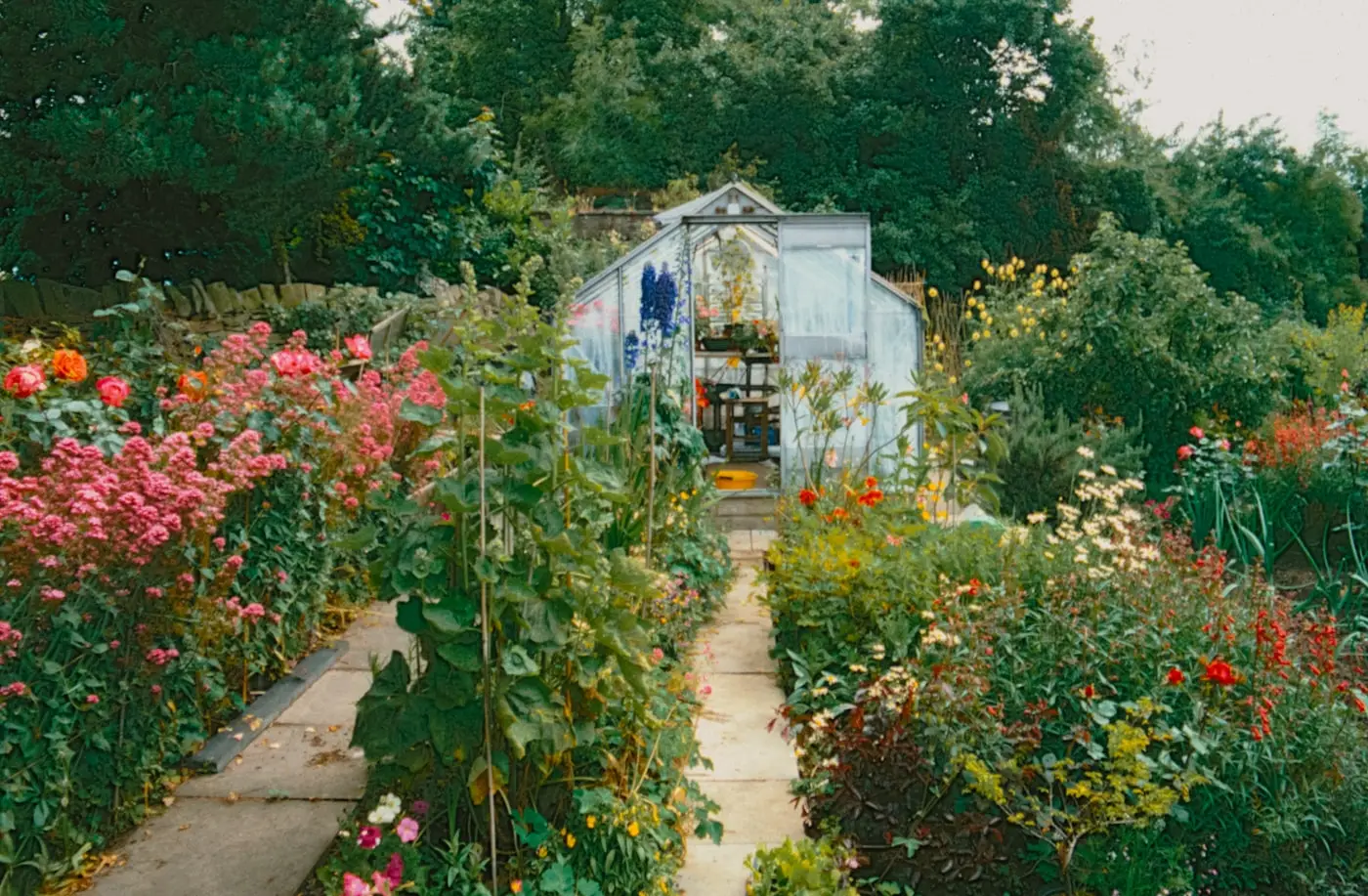
Hard landscaping is the structural skeleton of any garden. Patios, paths, steps, retaining walls, driveways, fencing - these are the fixed elements that determine how a garden is used, how it looks in winter when the planting has died back, and how much maintenance it requires year after year. In Yorkshire, hard landscaping is particularly important: wet winters and clay-heavy soil mean a garden without proper hard surfaces becomes a mudbath from October to April.
Yorkshire also has something going for it that most of England does not: local stone. The county sits on some of the best building stone in Britain - gritstone, sandstone, limestone, and their processed derivatives in setts and flags. Using local stone in a Yorkshire garden does not just look right; it is often genuinely the best performing material for the local climate.
This guide covers all five core hard landscaping types, with costs, Yorkshire-specific material and sub-base guidance, planning overview, and contractor selection advice.
Hard Landscaping vs Soft Landscaping - The Distinction
Hard landscaping covers all non-living elements of a garden: paving, paths, walls, fences, driveways, steps, water features, garden buildings. Soft landscaping covers plants, lawn, trees, and organic materials like mulch and compost.
Most meaningful garden transformations need both. Hard landscaping provides structure, drainage, and usable surface. Soft landscaping provides colour, texture, seasonal change, and biodiversity. The error most homeowners make is planning one without thinking about the other - a beautiful patio without drainage or planting around it, or a heavily planted garden with no path to reach it.
A good hard landscaping contractor will discuss soft landscaping integration as part of the project, not as an afterthought. If yours does not, ask the question directly.
Yorkshire Stone - Why Local Material Matters
Yorkshire sits on Carboniferous sandstone and gritstone in the Pennines, Carboniferous limestone in the Dales, and Jurassic sandstone and limestone on the North York Moors and in the Vale of York. These stones have been used for building, paving, and walling in the county for a thousand years. They are frost-resistant by nature, weathering beautifully and becoming more attractive with age rather than degrading like cheaper imported alternatives.
Using imported stone in a Yorkshire gritstone village looks incongruous. Buff sandstone from India next to coursed gritstone walls reads as imported and cheap, even when it is not. The magnesian limestone belt running from Leeds through Tadcaster to York suits the softer limestones; the Pennine west uses darker grits and sandstones. Getting this right is the difference between a garden that looks like it belongs and one that looks like a catalogue has been opened at random.
Reclaimed Yorkshire stone - old flags and kerbs from road and building clearances - is widely available from Yorkshire builders' merchants and salvage yards. It is often better quality than new stone (older quarries produced denser stone that has already been tested by decades of outdoor use) and prices are comparable to or better than equivalent new imported stone.
The Five Core Types of Hard Landscaping
1. Patio and Paving
A patio is the most transformative hard landscaping investment in most domestic gardens. An adequately sized, properly drained patio extends outdoor living from a few summer days to most of the year - even in Yorkshire, a covered or sheltered patio is usable on cool days in April and October that an unprotected lawn area is not.
Material options for Yorkshire:
- Concrete slabs: the budget choice. Functional, frost-resistant, available everywhere. Not the most attractive, but entirely serviceable. Good for utility areas.
- Sandstone: mid-range. Beautiful when weathered, and Yorkshire sandstone is naturally frost-resistant. Indian sandstone varies wildly in quality - specify calibrated stone with frost resistance certification, not the cheapest packs from a builder's merchant. Riven finish for non-slip.
- Porcelain: the premium modern choice. Very low maintenance (no sealing needed), very frost-resistant, wide colour range. Needs a rigid mortar bed (not sand), which requires more skill to lay. More unforgiving of sub-base movement on clay - if the sub-base is inadequate, porcelain cracks.
- Yorkstone reclaimed flags: the premium traditional choice. Expensive and supply-limited but incomparably good-looking in Yorkshire settings. Highly frost-resistant.
- Block paving: suits driveways well; can work in gardens for a more structured or formal look. See our guide to block paving in Yorkshire for detail.
For detailed patio costs and installation guidance, see our patio laying service page.
2. Paths and Steps
Paths connect the garden together and make it usable in wet weather. A path from the back door to the shed, the patio to the lawn, or the garden gate to the summerhouse is not a luxury - in Yorkshire's wet autumns and winters, it is the difference between a garden that gets used and one that gets looked at through a window.
Path materials track patio materials in cost and character. Gravel paths are the most affordable and permeable option; concrete slab paths are functional and durable; stone or porcelain paths match a premium patio.
Steps on sloping ground are addressed in detail in our guide to garden steps in Yorkshire. Steps and paths should always be designed together - a path that arrives at a step flight with a different material or width looks awkward and is more likely to be a trip hazard.
Path costs: concrete slab 45mm £25-40/m2 all-in; gravel path £15-25/m2; sandstone £40-65/m2; porcelain £55-85/m2.
3. Retaining Walls
Yorkshire's topography generates more demand for retaining walls than most English counties. Any garden on a slope - and that covers most gardens in the Pennine belt, the Dales, the Cleveland Hills, and the valley streets that thread through Bradford, Halifax, Sheffield, and Huddersfield - may need a retaining wall to create level areas or control erosion.
Retaining wall materials include Yorkshire stone (dry-stone or mortared), railway sleepers, brick, gabion baskets, and concrete block. Each suits different budgets, aesthetics, and load requirements. The full guide is at retaining walls for Yorkshire gardens.
Cost summary: concrete block wall £150-250/m run; railway sleepers £100-200/m run; natural Yorkshire stone £200-400/m run.
4. Garden Fencing and Boundaries
Fencing defines the garden, provides privacy, manages wind, and keeps pets and children in. In Yorkshire, wind load is a genuine specification consideration - exposed gardens in the Pennines or on elevated ground need fence posts concreted deeper than the standard 600mm, and fence panels rated for wind loading rather than the lightweight lapped panels that dominate DIY stores.
Close-board fencing (featheredge boards on arris rails with concrete posts) is the workhorse of Yorkshire residential gardens: strong, repairable, relatively affordable, long-lasting when specified and installed properly. Timber post-and-rail is appropriate for rural properties and field boundaries; hit-and-miss panel fencing gives privacy while allowing some wind through (reducing load on posts in exposed sites).
For a full breakdown see our garden fencing service.
Cost summary: close-board fencing £50-80/m including concrete posts; post-and-rail £30-50/m.
5. Driveways and Parking
A driveway is hard landscaping's most expensive element by total cost, but the one with the clearest financial return - a properly surfaced driveway with off-street parking adds measurable value to a Yorkshire property, particularly in areas like Harrogate, York, and Leeds where street parking is pressured.
Block paving, pattern imprinted concrete, resin-bound aggregate, and tarmac are the main driveway options. Each has a different maintenance profile and cost. See our guide to block paving in Yorkshire for the most popular choice.
Note on planning: front garden driveways over 5m2 with a fully impermeable surface require SuDS-compliant drainage under Highways Act requirements. Permeable block paving or a drainage channel leading to a soakaway or drain satisfies this requirement without planning permission. This is not optional - water discharging onto the public highway from a new driveway is an offence.
Sub-Base Specification for Yorkshire Clay
This is the most important technical section in this guide. More hard landscaping in Yorkshire fails because of inadequate sub-base than for any other reason. If a landscaper quotes you a price without specifying sub-base depth, ask the question - and be cautious of any contractor who suggests 75mm of sharp sand under paving on clay ground.
Yorkshire clay is a shrink-swell soil. It contracts in dry summers (opening cracks in the ground) and swells in wet winters (pushing surfaces upward). Without a deep, well-compacted hardcore sub-base to bridge across this movement, surface paving will crack, lift, and settle unevenly within three to five years.
Minimum specifications for hard landscaping on Yorkshire clay:
- Garden patio or path: 150mm compacted Type 1 MOT hardcore minimum. Do not rely on sharp sand alone under any rigid surface on clay.
- Driveway (vehicles): 200mm compacted Type 1 MOT minimum. For regular HGV or heavy vehicle use, 250mm and an engineer's specification.
- Under concrete slabs: hardcore plus a 25-40mm sharp sand bedding layer for individual slabs; semi-dry mortar bed for porcelain and heavy stone.
- Geotextile membrane: worth laying between the subsoil and hardcore on any site with soft or wet clay - prevents fine particles pumping up through the sub-base over time.
Cost Overview Table
| Element | Material | Cost (installed, all-in) |
|---|---|---|
| Patio | Concrete slabs | £30-50/m2 |
| Patio | Sandstone | £50-80/m2 |
| Patio | Porcelain | £70-100/m2 |
| Path | 45mm concrete slab | £25-40/m2 |
| Path | Gravel | £15-25/m2 |
| Retaining wall | 150mm concrete block | £150-250/m run |
| Retaining wall | Natural stone | £200-400/m run |
| Fencing | Close-board | £50-80/m |
| Fencing | Post-and-rail | £30-50/m |
Planning Permission Overview
Most domestic hard landscaping in a rear garden falls within permitted development. The areas where planning permission is required or drainage rules apply:
- Patios (rear garden): no planning permission needed in most cases. No drainage requirement for patios not in front of the house.
- Front garden paving over 5m2: must use a permeable surface (gravel, permeable block paving, grass grid) or include drainage to a soakaway. Impermeable surfaces over 5m2 in front gardens technically require planning permission unless drainage is provided to a suitable outlet.
- Walls adjacent to a highway: over 1m height requires planning permission. Over 2m elsewhere.
- Fencing on a highway boundary: over 1m requires planning permission (over 2m elsewhere).
- Conservation areas and listed buildings: more restricted rules on all hard landscaping elements. Check before starting.
If your garden is undergoing wider renovation work involving demolition of old structures or removal of large amounts of spoil, our garden clearance service can handle the preparation phase. After the hard landscaping is installed, our pressure washing service will keep paved surfaces clean and slip-free through Yorkshire winters.
Choosing a Hard Landscaping Contractor in Yorkshire
Hard landscaping is more physically demanding and technically complex than soft landscaping - getting the sub-base wrong on a patio is a £5,000 mistake. Contractor selection matters.
What to look for:
- BALI membership (British Association of Landscape Industries): BALI members are assessed against a code of practice. Not every good landscaper is a member, but membership is a positive signal.
- Written specification before contract: any quote for hard landscaping should specify the sub-base depth and material, the paving material and source, the jointing method, and any drainage provisions. If the quote says "patio, sandstone, 30m2 - £2,400" without further detail, ask for more before signing.
- Guarantee covering settlement: a reputable contractor will offer a one-to-two-year guarantee against significant settlement. This is only meaningful if the contractor is still trading - check for reviews and established local presence.
- VAT registration: for larger jobs (over £10,000), a VAT-registered contractor is generally a sign of a legitimately operating business.
Planning hard landscaping in Yorkshire?
60-second assessment. If a local professional takes your enquiry, they call you with a price.
Start the assessmentFrequently Asked Questions
How much does hard landscaping cost in Yorkshire?
All-in installed rates: concrete slab patio £30-50/m2, sandstone patio £50-80/m2, porcelain patio £70-100/m2. Concrete slab path £25-40/m2, gravel path £15-25/m2. Retaining wall in concrete block £150-250/m run, natural stone retaining wall £200-400/m run. Close-board fencing £50-80/m, post-and-rail £30-50/m. Yorkshire clay typically requires deeper sub-bases than other regions, pushing costs to the upper end of these ranges.
Do I need planning permission for a patio in Yorkshire?
Rear garden patios generally need no planning permission. Front garden paving over 5m2 with an impermeable surface requires drainage provision (permeable surface or soakaway). Conservation areas and listed building curtilages may require consent for any hard landscaping changes. Walls over 1m adjacent to a highway need planning permission.
What sub-base depth is needed for paving on Yorkshire clay?
Minimum 150mm compacted Type 1 MOT hardcore under garden paving; 200mm under driveways. On soft or mobile clay, a geotextile membrane between subsoil and hardcore prevents fine particles pumping up through the sub-base. Cutting corners on sub-base depth is the most common reason hard landscaping in Yorkshire fails within five years.
How long does hard landscaping last in Yorkshire's climate?
Correctly installed: paving 20-40 years, walls 30-50 years, fencing 15-25 years. Main failure modes are frost damage (use F2-rated materials), sub-base movement on clay (adequate depth essential), and joint erosion (use polymeric jointing compound, not loose sand, in Yorkshire's wet climate). Porcelain and granite are the most frost-resistant paving options; Yorkstone performs excellently and is naturally suited to the climate.