Garden Steps in Yorkshire - The Complete Guide to Types, Costs and Installation
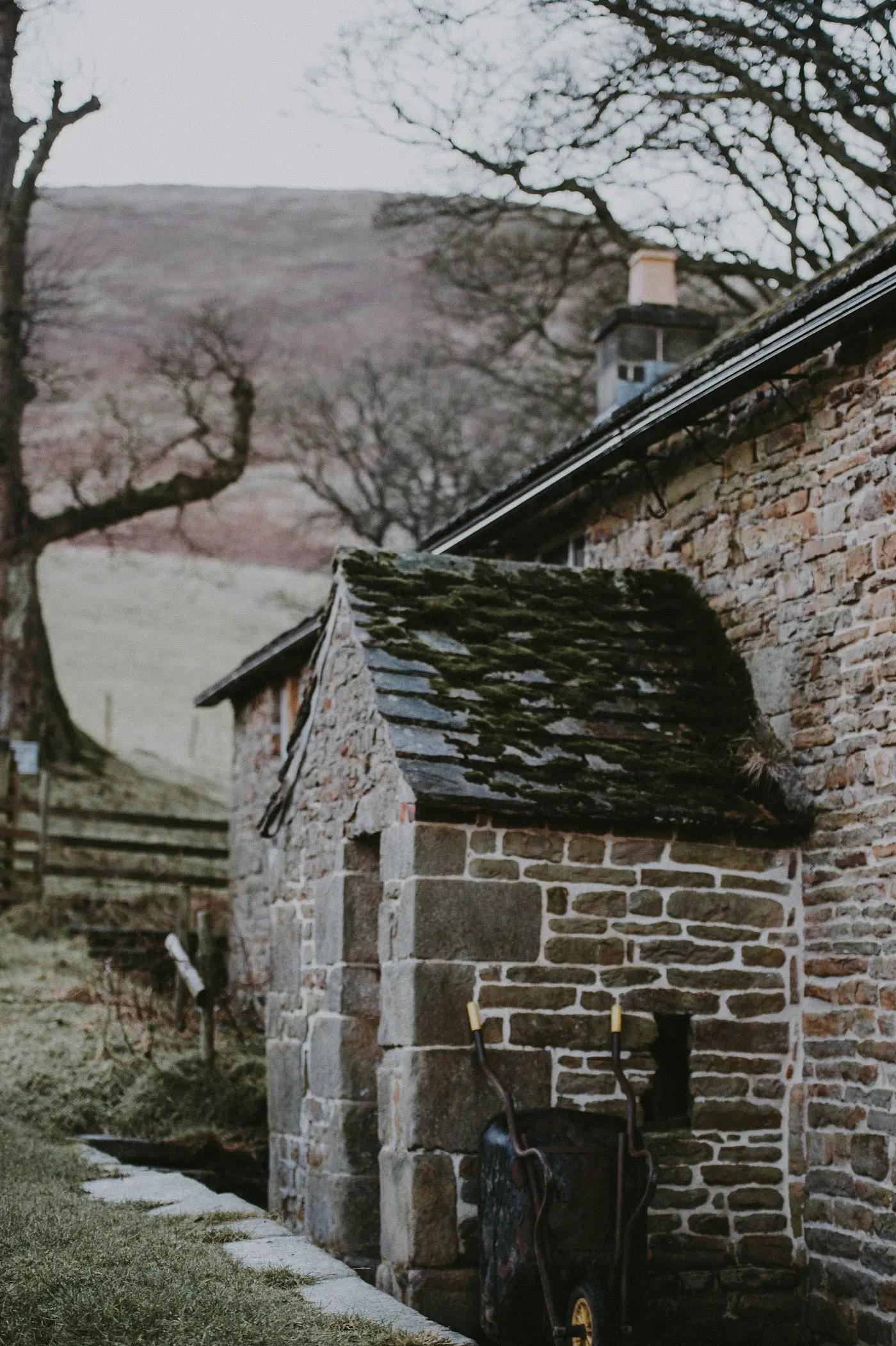
Sloping gardens are not a misfortune unique to Yorkshire - but Yorkshire has more than its fair share. Pennine terrace properties in Bradford, Halifax, Huddersfield, and Hebden Bridge often drop two or three metres from back door to back fence. Calder Valley gardens can fall steeply enough that the far end of the plot is level with the roof of the house below. Even more gently graded gardens on the Cleveland coast or across the North York Moors foothills need steps to move between levels safely.
Done well, garden steps turn an awkward slope into a feature. Done badly - or with the wrong material for Yorkshire's frost and clay conditions - they settle, crack, and become a trip hazard within a few winters. This guide covers everything you need to choose, specify, and price garden steps for a Yorkshire garden.
Quick cost guide: £80-400 per step installed depending on material. A typical six-step flight costs £500-2,400 all-in.
Why Steps Matter in Yorkshire's Sloping Gardens
Yorkshire's topography is the product of its geology. The Pennines push up through the western flank of the county; the Cleveland Hills and North York Moors dominate the north-east; the Yorkshire Wolds roll across the east. Settlements built into valleys - which describes most of Bradford, Halifax, Sheffield's suburbs, and dozens of smaller towns - have streets that climb steep hillsides, which means the gardens that run behind and below those streets climb too.
The practical effect: a garden without steps on a sloping plot is harder to maintain, impossible to use in wet weather without slipping, and a genuine safety hazard for older family members. Mowing a 30-degree bank in wet November is how people injure themselves. Creating level terraces connected by proper steps transforms the garden from a liability into usable space.
Steps also anchor a garden's design. They set the tone for every material choice that follows. A set of reclaimed Yorkshire gritstone steps communicates something entirely different from concrete block steps - and either can be right depending on the house, the garden, and the budget.
If you are also dealing with soil movement or bank erosion alongside your steps project, read our guide to retaining walls for Yorkshire gardens first - steps and retaining walls are usually designed together.
Step Types and Materials for Yorkshire Gardens
Yorkstone Steps (Sandstone and Gritstone)
Yorkstone is the generic name for Yorkshire's local sandstone and gritstone. It has been used for steps, paving, and walling in the county for centuries. The material is still quarried commercially in West and South Yorkshire, and there is a large reclaimed supply from demolished buildings, old paving, and farm clearances.
Yorkstone's advantages in a Yorkshire garden setting are significant. The stone is naturally frost-proof - it passes Class F2 (rated to withstand more than 100 freeze-thaw cycles) without needing any treatment. Its texture is naturally non-slip when wet. And it looks right in a Yorkshire setting in a way that imported stone simply does not.
- Cost per step installed: £250-400 (reclaimed gritstone on the lower end; new-quarried sandstone treads towards the upper end)
- Lifespan: 50-100+ years
- Best for: stone-built properties, conservation areas, Pennine gardens, anywhere wanting a genuinely Yorkshire character
- Watch out for: supply inconsistency with reclaimed stone; quarried stone needs careful selection for thickness and surface finish
Sleeper Steps
Railway sleeper steps are the most popular mid-range choice in Yorkshire. They suit the county's no-nonsense character and work equally well in rural cottage gardens and suburban plots. Sleepers are fast to install, relatively straightforward for an experienced landscaper, and take well to the informal planting that often surrounds steps.
New oak sleepers and reclaimed hardwood sleepers are both good choices; avoid new softwood sleepers for anything structural - they degrade within ten years in Yorkshire's wet climate. Reclaimed sleepers vary in quality: Class 1 hardwood sleepers are what you want, and a good landscaper will source them appropriately.
- Cost per step installed: £120-180
- Lifespan: 15-25 years (hardwood); 8-12 years (softwood - not recommended)
- Best for: informal gardens, country and cottage style, sloping banks with planting alongside, moderate budgets
- Watch out for: moss accumulation on top face in shaded areas - needs annual pressure wash
Concrete Block Steps
Concrete block steps (using engineering blocks or purpose-made step units) are the most affordable option and are entirely functional. They are not beautiful, but they are predictable - standard dimensions, reliable frost resistance, and simple installation. In utility areas of a garden, or where steps will be largely hidden by planting, concrete block is a sensible choice.
- Cost per step installed: £80-130
- Lifespan: 40-50+ years
- Best for: budget projects, utility areas, steps that will be planted around heavily, anywhere appearance is secondary to function
- Watch out for: the look is stark - needs planting or rendered finish to soften in a domestic setting
Brick Steps
Brick steps suit properties where the house is already brick - the terraced red-brick housing that runs through Leeds, Bradford, Wakefield, and Sheffield takes well to brick steps in the garden. Use engineering bricks rather than facing bricks: engineering bricks are denser, more frost-resistant, and less likely to spall in Yorkshire winters.
A brick step requires a concrete backing (haunching) to support the cantilevered tread and prevent the step from pivoting forward. This adds cost and complexity compared to stone or sleeper steps, which is why brick is rarely the cheapest option despite the materials being modest.
- Cost per step installed: £100-160
- Lifespan: 30-50 years
- Best for: red-brick terraced properties, formal garden layouts, areas adjoining brick walls or patios
- Watch out for: must use frost-resistant engineering brick (Class F2); standard facing bricks will spall and crumble within a few winters
Granite Sett Steps
Granite setts are small, dense stone blocks traditionally used for road paving in Yorkshire towns. Steps built from granite setts have a distinctly urban, historic character - they suit properties in York, Leeds city fringe, or Harrogate town centre more than suburban or rural gardens. Granite is extremely frost-resistant and virtually maintenance-free, but the small unit size means more labour to lay.
- Cost per step installed: £200-320
- Lifespan: 100+ years
- Best for: urban properties, gardens adjoining granite or cobbled features, period properties in city conservation areas
Frost Resistance - The Yorkshire Test
This matters more than any other specification decision for outdoor steps in Yorkshire. The county regularly experiences temperatures down to -8C or lower in winter, and the wet-freeze combination is particularly destructive to porous stone. A step that passes Class F1 (suitable for sheltered UK conditions) may still fail in an exposed Yorkshire garden. You want Class F2 as a minimum for any step material used outdoors here.
Yorkshire gritstone and sandstone pass F2 naturally. Engineering bricks pass F2 by definition. Purpose-made concrete step units pass F2. The risk zone is cheaper imported sandstone or limestone - Indian sandstone in particular varies enormously in frost resistance depending on the quarry and the specific stone. Some Indian sandstone is fine; some will spall within three winters in Yorkshire. Ask your supplier for frost resistance certification, not just a warranty.
Many imported travertine, marble, and softer limestone steps are categorically unsuitable for outdoor use in Yorkshire. They look good in a showroom; they do not survive Yorkshire winters. Any landscaper recommending these materials without qualification is not thinking about your specific climate.
Sub-Base Specification for Yorkshire Clay
Yorkshire clay is the enemy of any hard landscaping if the sub-base is inadequate. Clay shrinks in dry summers and swells in wet winters. A step without proper sub-base and concrete haunching will move, crack, and separate within a few years on clay ground.
Minimum sub-base specification for garden steps on Yorkshire clay:
- 150mm compacted Type 1 MOT hardcore under all step units (not sharp sand, which allows movement)
- Concrete haunching on the back and sides of each tread: this locks the step in place and prevents forward tipping
- Geotextile membrane below the hardcore on soft ground to prevent fine clay particles pumping up through the sub-base over time
- Free-draining aggregate at the base of the step flight where it abuts a slope - waterlogging at the base of steps accelerates frost damage
If your garden has particularly heavy clay - sticky, blue-grey subsoil that holds standing water after rain - you may need 200mm of hardcore and potentially a drainage channel at the base of the flight. Ask your landscaper to inspect the subsoil before finalising the specification.
Step Dimensions - What the Numbers Mean
Standard outdoor step dimensions are not arbitrary. They derive from comfortable human gait on a slope, and deviating significantly from them makes steps feel wrong even if they look fine on paper.
- Going (tread depth): 300mm minimum - this is the horizontal distance you walk across. Under 280mm and the step feels tight; a full foot cannot land flat.
- Rise (step height): 150-175mm - the vertical lift per step. Over 175mm and the steps feel steep and tiring; under 130mm and people trip because the step is too subtle to register.
- Width: 1000mm minimum for safe use - single-person width. 1200mm is comfortable; 1500mm is generous and looks proportional in most garden settings.
- Nosing: 15-25mm overhang on the front of each tread - creates shadow, makes the step edge readable, and reduces the psychological effect of a steep flight.
A useful rule: the sum of two risers plus one going should fall between 600mm and 650mm (the "2R + G" formula). This puts comfortable step ratios in the range of 165mm rise / 300mm going (2 x 165 + 300 = 630) - squarely in the comfortable zone for outdoor use.
Non-Slip Surface Treatment
Smooth stone steps get slippery. This is physics, not a product failure. Yorkshire conditions - wet autumns, shaded north-facing gardens, tree cover depositing organic matter - accelerate algae and moss growth on horizontal stone surfaces. Specify a riven or brushed finish rather than a sawn or honed finish. Riven stone (split along natural grain planes) has an inherent texture that grips a boot heel in the wet.
For existing steps, non-slip strip inserts (aluminium or rubber nosing with grit surface) are cheap and effective. A masonry sealant with grit aggregate mixed in can be brushed onto smooth treads. Annual pressure washing removes the organic buildup that causes slipping before it establishes - see our pressure washing service if you want this handled professionally rather than DIY.
Planning Permission and Conservation Areas
Garden steps on private residential land generally fall within permitted development rights and do not require planning permission. The main exceptions:
- Conservation areas: many Yorkshire towns and villages have large conservation area designations. York, Harrogate, Knaresborough, Ripon, Skipton, Hebden Bridge, Beverley, Richmond, and dozens of others. In conservation areas, any significant change to the external appearance of a property - including hard landscaping at the front - may need consent. Check with your local planning department before starting.
- Listed buildings: steps within the curtilage of a listed building need listed building consent regardless of size.
- National parks: gardens within the Yorkshire Dales or North York Moors National Parks have more restricted permitted development. The park authority's planning department is the contact.
Steps at the rear of a property on private land, where they do not affect the public street scene, are almost never a planning issue. Front gardens and anywhere visible from a public footpath in a sensitive area are where it pays to check first.
Cost Summary Table
| Material | Cost per step (installed) | Typical 6-step flight |
|---|---|---|
| Concrete block | £80-130 | £480-780 |
| Brick (engineering) | £100-160 | £600-960 |
| Railway sleepers | £120-180 | £720-1,080 |
| Granite setts | £200-320 | £1,200-1,920 |
| Sandstone (good quality) | £180-280 | £1,080-1,680 |
| Yorkstone / reclaimed gritstone | £250-400 | £1,500-2,400 |
All figures include excavation, sub-base, haunching concrete, and tread installation. They do not include handrails, drainage channels, or lighting - all of which add to the total.
Safety Additions Worth Considering
Handrails
Building Regulations require handrails on steps over 600mm rise in public buildings. In private gardens there is no legal requirement, but for elderly family members or anyone with limited mobility, a handrail on one side of the flight is a significant safety improvement. Steel galvanised posts set in concrete, with a timber or steel rail, are around £150-250 per metre installed.
Lighting
Step lighting has both a safety and an aesthetic function. Low-voltage LED lights recessed into the side walls of steps, or strip lighting under the tread nosing, are effective and low-energy. A six-step flight can be lit for around £200-400 in materials; an electrician will add £150-300 for the wiring. Solar-powered step lights are simpler to install but have less reliable output in Yorkshire's overcast winters - mains wiring gives more consistent results.
If you are planning a patio or path at the same time as steps, combining all the hard landscaping into one project reduces mobilisation costs and ensures the materials match. See our guides to patio laying in Yorkshire and garden path laying in Yorkshire for those elements.
Design Tips for Yorkshire Gardens
Steps should relate to the house as well as the garden. The most common mistake in Yorkshire gardens is installing steps in a material that looks right in isolation but clashes with the property. A grey sandstone-clad new-build suits porcelain or smooth contemporary concrete; a Victorian stone terraced house in Saltaire or Hebden Bridge wants reclaimed gritstone or matching sandstone.
Where the garden is part of a wider sloping-garden redesign, steps and retaining features work best when designed together. A retaining wall in matching stone or timber, with integrated steps, reads as a deliberate design decision rather than an afterthought. Plants alongside steps - low grasses, ferns for shaded Yorkshire banks, alpines on drier slopes - soften hard edges and improve the appearance through the year.
For larger projects involving clearance of existing steps, overgrown banks, or demolition of old concrete structures, our garden clearance service handles the preparatory work before the landscaper arrives.
Need garden steps in Yorkshire?
60-second assessment. If a local landscaper takes your enquiry, they call you with a price.
Start the assessmentFrequently Asked Questions
What material is best for garden steps in Yorkshire?
Yorkstone (local sandstone or gritstone) is the premium choice - naturally frost-proof, weathers well, looks right in Yorkshire. For a mid-range option, railway sleeper steps are popular and durable. Concrete block steps are the most affordable functional choice. Whatever material you pick, confirm it meets Class F2 frost resistance: many cheaper imported stone steps fail Yorkshire winters.
How much do garden steps cost in Yorkshire?
Per step installed (materials and labour): concrete block £80-130, brick £100-160, sleeper £120-180, sandstone £180-280, Yorkstone or reclaimed gritstone £250-400. A typical six-step flight runs £500-2,400 depending on material. Labour alone is roughly £30-40/hr for an experienced landscaper in Yorkshire.
Do I need planning permission for garden steps in Yorkshire?
Steps on private land generally fall within permitted development and need no planning permission. If your property is in a conservation area - York, Harrogate, Knaresborough, Hebden Bridge, Skipton, Beverley, and many others - check with your local planning department first. Listed building curtilages carry additional restrictions. National park properties (Yorkshire Dales, North York Moors) should also check before starting.
How do I stop garden steps from getting slippery?
Specify a riven or brushed finish rather than polished stone. Apply a non-slip aggregate sealant to smooth existing treads. Annual pressure washing removes algae and moss before they cause problems. Install strip drainage at the top of the flight to prevent water sheeting down the treads. Non-slip nosing strips are a practical retrofit for any existing step material.